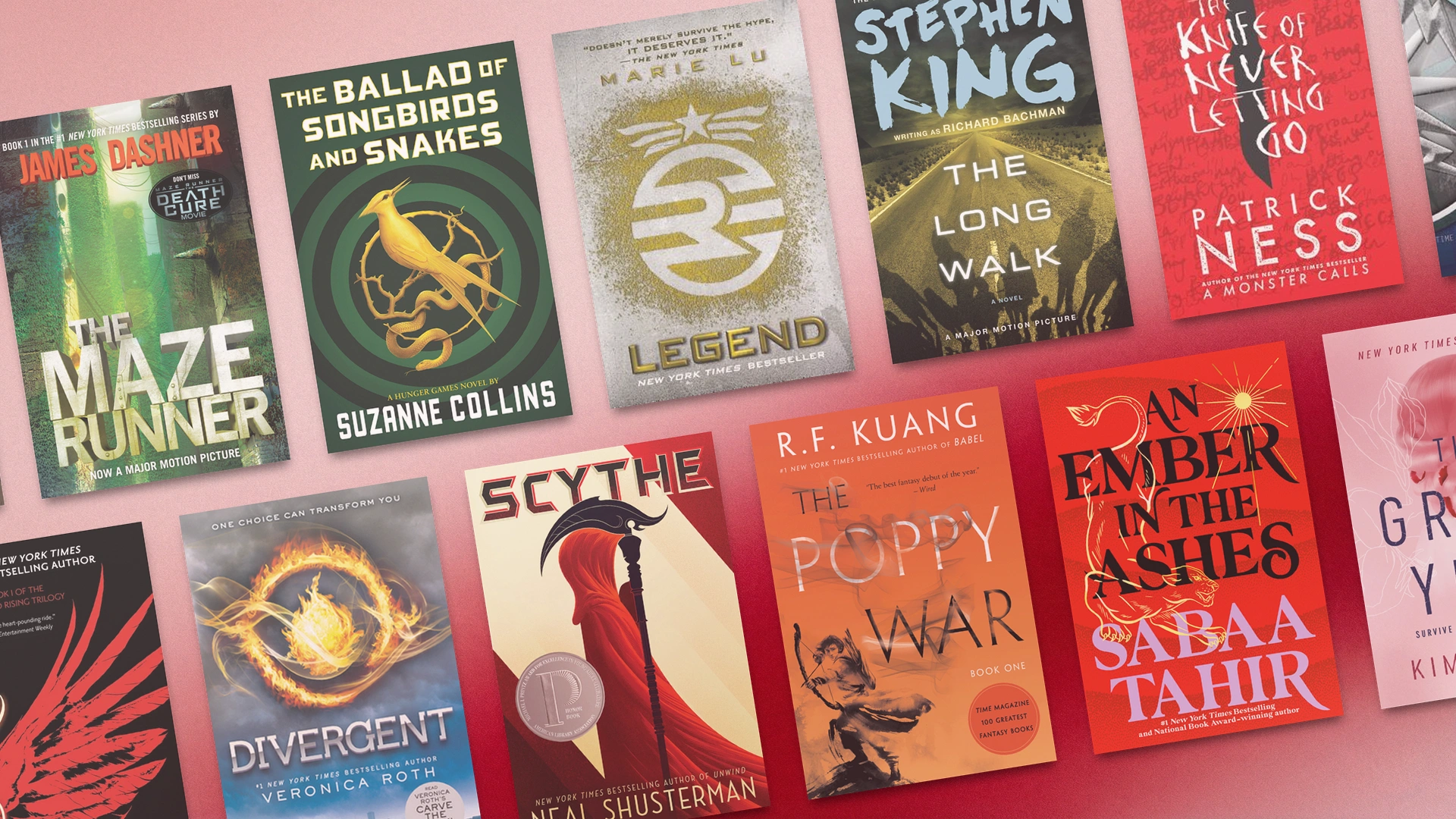
I still remember the first time I read The Hunger Games.
It was 2009. I devoured all three books in Suzanne Collins's trilogy in about forty-eight hours, emerging bleary-eyed and emotionally devastated, immediately wanting to force the series into the hands of every person I knew. The dystopian landscape. The survival-of-the-fittest brutality. Katniss Everdeen's fierce determination to protect the people she loved, even when the world demanded she become a killer. The way Collins wove together action, romance, political commentary, and gut-wrenching moral complexity into something that felt both entertaining and important—it was intoxicating.
And I wasn't alone in my obsession. The series sparked a whole new wave of YA dystopian fiction, with publishing houses scrambling to find "the next Hunger Games." Some of those books were... fine. Others were cynical cash grabs. But a handful? They were genuinely great, capturing that same addictive blend of high-stakes action, complicated protagonists, and worlds that felt terrifyingly close to our own reality.
If you're here, I'm guessing you're one of us—someone who fell hard for Panem and its districts, who rooted for Katniss and Peeta (or Gale, no judgment), who couldn't stop thinking about the Capitol's grotesque excess while children murdered each other for entertainment. Maybe you've reread the trilogy multiple times. Maybe you're looking for something new that'll give you that same adrenaline rush, that same "just one more chapter" compulsion at 2 AM.
I've got you covered.
Below are books that capture the spirit of The Hunger Games in different ways—some focus on the survival competition angle, others on authoritarian regimes and rebellion, still others on young people forced to make impossible choices in brutal circumstances. Not all of them are YA. Not all of them are set in the future. But every single one has that special something that made Collins's trilogy so impossible to put down.
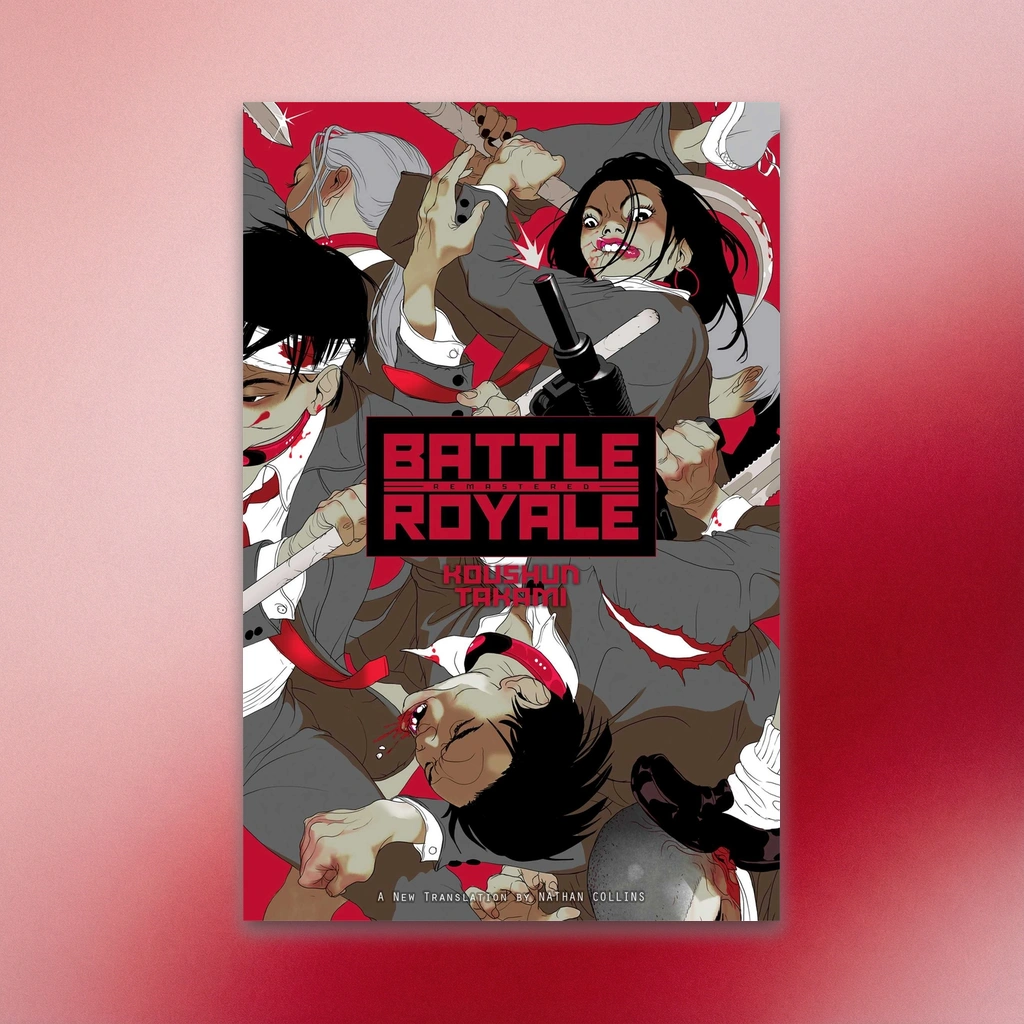
Let's address the elephant in the room first. Yes, Takami's 1999 novel predates The Hunger Games by nearly a decade. Yes, the premise—a class of ninth-graders forced by an authoritarian government to fight to the death on an island until only one survives—is strikingly similar. And yes, it's much, much more violent and disturbing than anything Collins wrote.
But here's the thing: Battle Royale is brilliant. Takami doesn't shy away from the horror of what he's depicting. The violence is graphic and unrelenting. The psychological toll on these kids is devastating. Where Collins gave us a relatively small cast of tributes to follow, Takami gives us forty-two students, and he makes you care about nearly all of them before systematically destroying them. It's Lord of the Flies meets The Running Man, filtered through a distinctly Japanese lens of social conformity and authoritarian control. Not for the faint of heart. But if you want to see where the "kids killing kids" dystopia really got its start, this is essential reading.
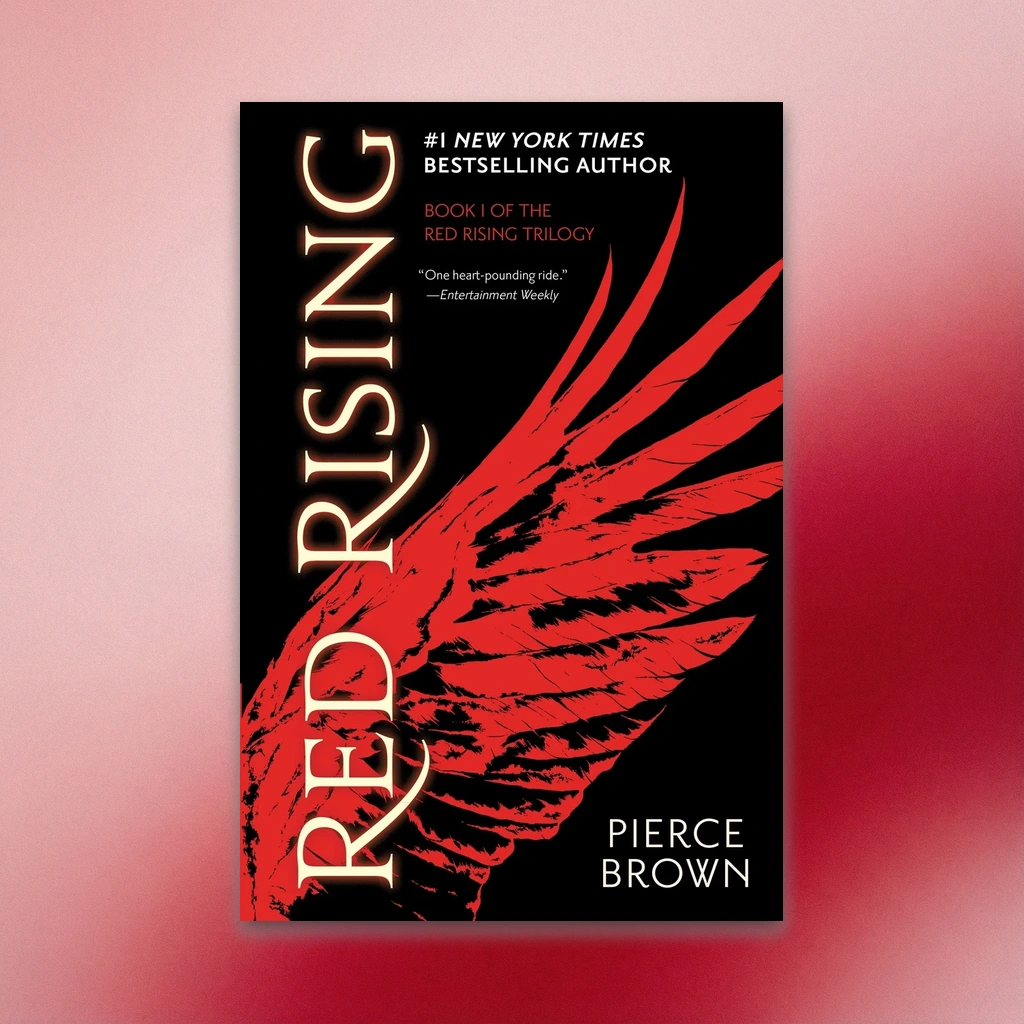
Pierce Brown's debut is The Hunger Games on steroids. Literally. Our protagonist, Darrow, is a Red—the lowest caste in a color-coded society mining beneath the surface of Mars. When he discovers that the surface has been terraformed for centuries and his people have been enslaved under false pretenses, he's recruited by a resistance group and surgically transformed into a Gold, the ruling class, to infiltrate their ranks.
But first? He has to survive the Institute, a brutal training ground where young Golds are divided into houses and forced to conquer each other in a year-long war game. Think Hogwarts, but everyone's trying to kill you. Brown's world-building is intricate and his action sequences are relentless. The prose has a propulsive, breathless quality that makes it nearly impossible to stop reading. Fair warning: this is the first book in a six-book series (so far), and it gets increasingly complex and epic in scope. But if you want that same sense of an underdog fighting against impossible odds in a rigidly hierarchical society, Red Rising delivers in spades.
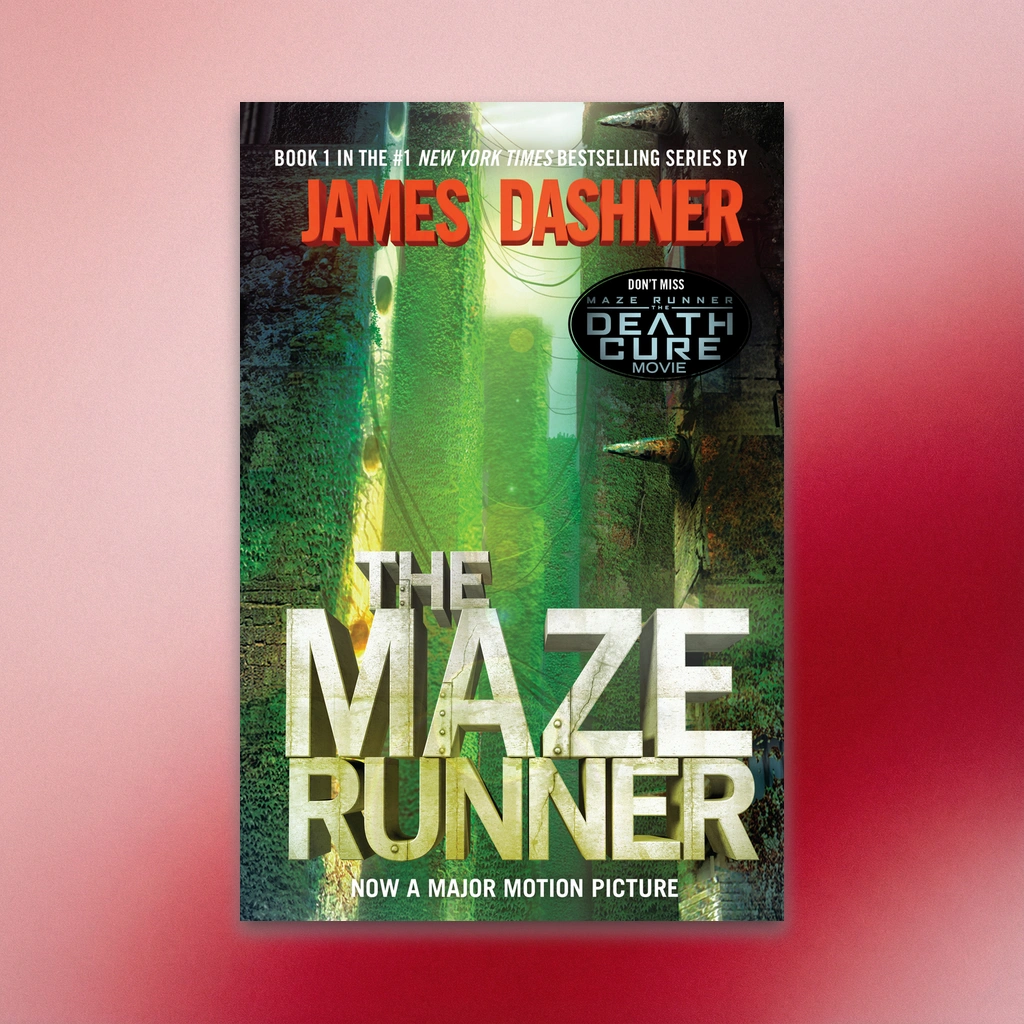
Dashner's 2009 novel hit shelves just a year after The Hunger Games and became another massive YA phenomenon. The setup is deliciously mysterious: Thomas wakes up in a massive maze with no memory of his past life, surrounded by other teenage boys who've created a fragile society while trying to escape. Every month, a new boy arrives via elevator. Supplies come regularly. But the maze is full of deadly creatures called Grievers, and the walls shift every night.
What makes The Maze Runner work is the way Dashner parcels out information. You're as confused as Thomas, piecing together the rules of this world bit by bit. The sense of claustrophobia and paranoia is palpable. And when the truth behind the maze is finally revealed, it's genuinely shocking. Like The Hunger Games, this is ultimately about kids being used as pawns in an experiment by adults who've decided the ends justify any means. The sequels get progressively weirder and more ambitious, but that first book is a masterclass in tension and mystery.
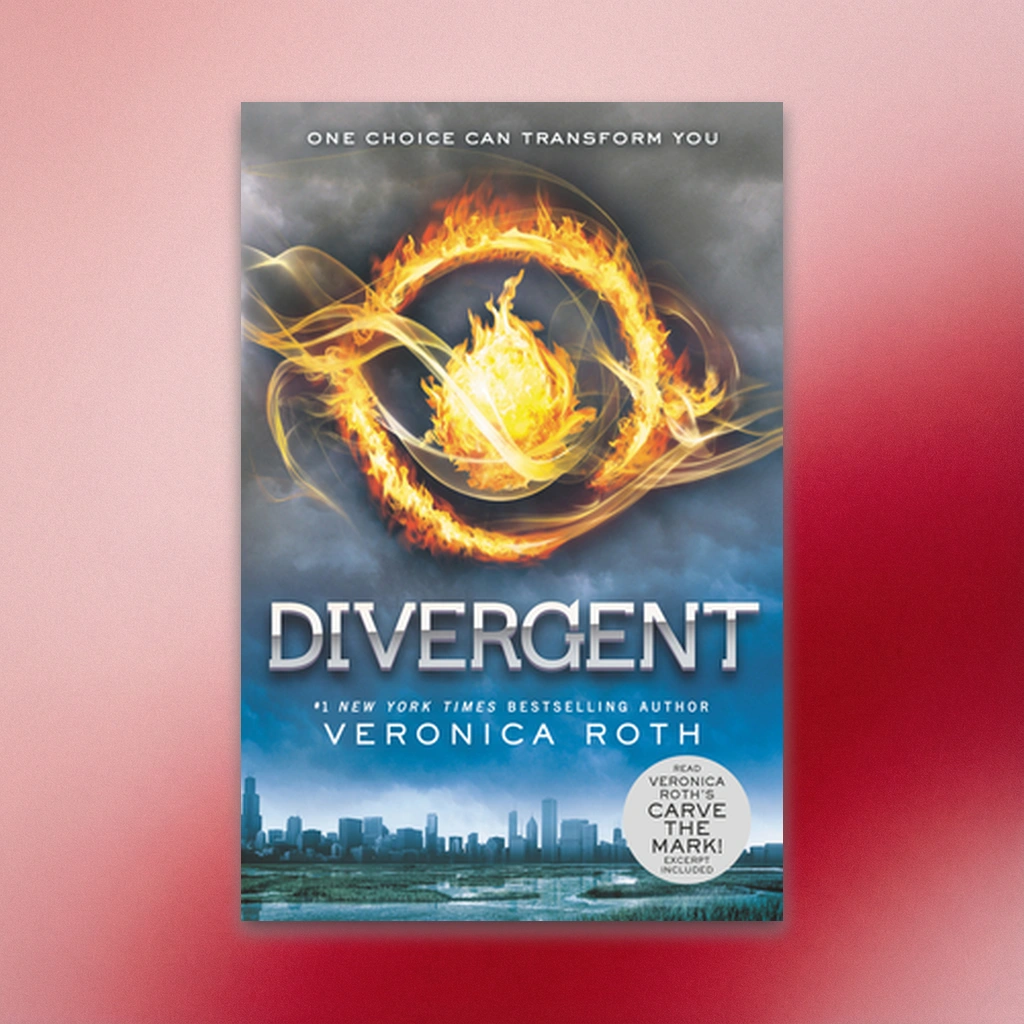
I know, I know—Divergent gets a lot of flak, especially for its later installments. The movies were a mess. The ending of the trilogy infuriated readers. But hear me out: that first book is genuinely good. Roth's vision of a post-war Chicago divided into five factions based on virtues (Candor for honesty, Abnegation for selflessness, Dauntless for bravery, Amity for peace, and Erudite for intelligence) is clever world-building. And Tris, our protagonist, is a compelling heroine—someone who doesn't fit neatly into the system and must hide her true nature to survive.
The initiation sequences, where Tris trains to become Dauntless, have that same visceral intensity as the arena scenes in The Hunger Games. There's genuine danger. Real consequences. And Roth isn't afraid to kill off characters you care about. The romance between Tris and Four is swoon-worthy without overwhelming the plot. Is it perfect? No. Does the faction system fall apart under scrutiny? Absolutely. But if you're looking for that same blend of action, romance, and a young woman discovering her own strength while fighting against an oppressive system, Divergent scratches that itch.
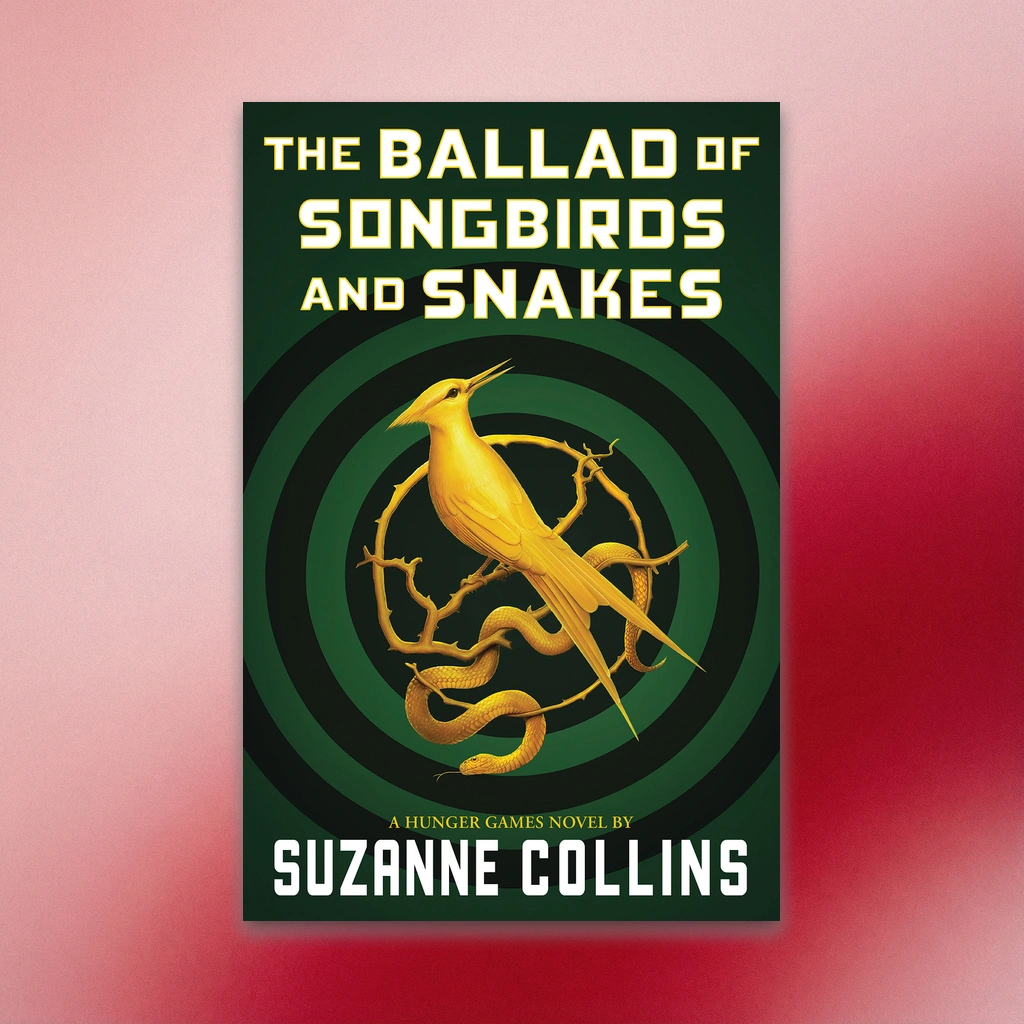
Obviously I have to mention Collins's 2020 prequel. Set sixty-four years before Katniss volunteers for the Games, it follows an eighteen-year-old Coriolanus Snow—yes, that Snow—as he mentors a District 12 tribute named Lucy Gray Baird during the tenth annual Hunger Games. The Games are still a relatively new institution, much smaller and less polished than the spectacle we know from the original trilogy.
What's fascinating about Songbirds and Snakes is how Collins makes you understand, if not quite sympathize with, how Snow became the monster we meet in The Hunger Games. The book is a character study in how someone can convince themselves that cruelty is necessary, that control is compassion, that the ends always justify the means. Lucy Gray is a captivating character in her own right—a performer, a survivor, someone who understands that in Panem, everything is a show. The ending is heartbreaking and inevitable. If you loved the original trilogy, this is essential reading that deepens and complicates everything you thought you knew.
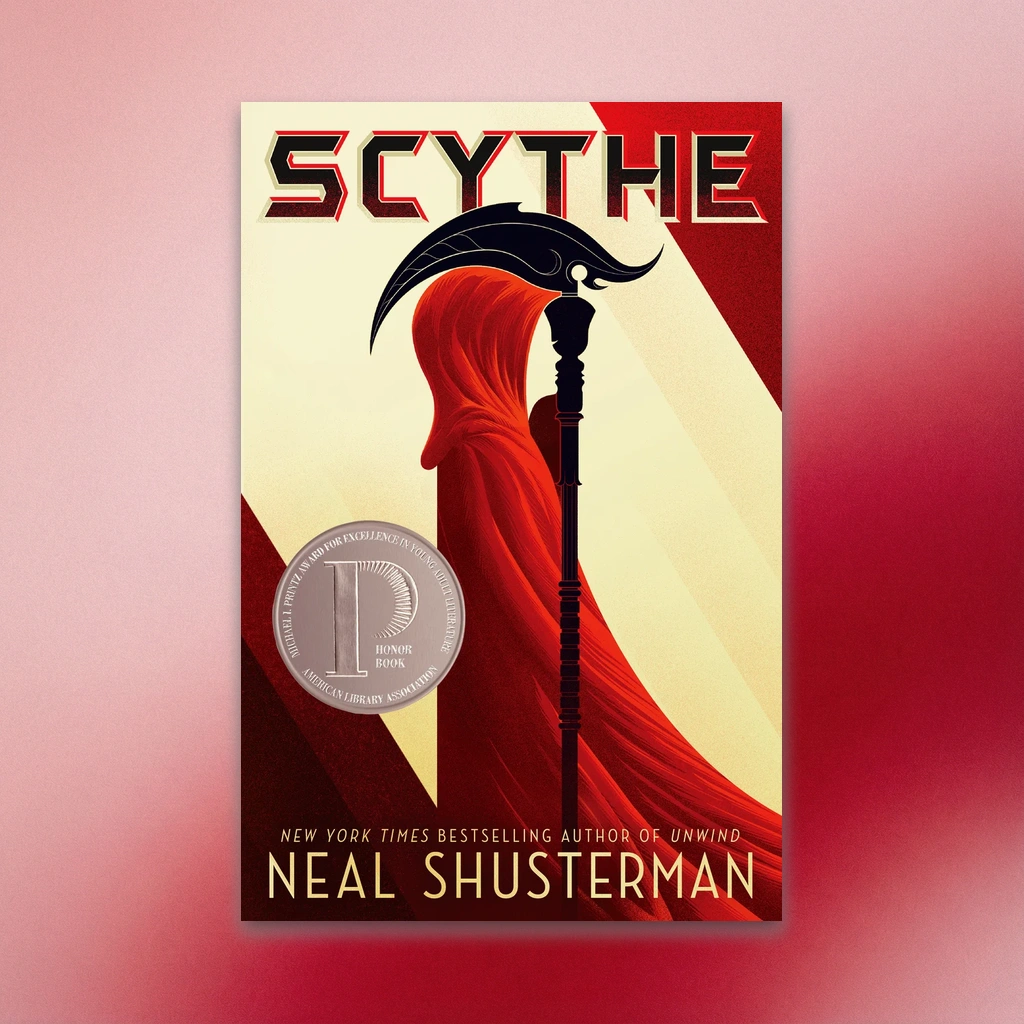
Shusterman's 2016 novel takes the "kids forced to kill" premise in a completely different direction. In a future where humanity has conquered death—disease, aging, even injury can all be reversed—population control becomes necessary. Enter the Scythes, a group of carefully selected individuals tasked with randomly "gleaning" (killing) people to keep the population in check. Two teens, Citra and Rowan, are chosen as apprentices to a Scythe, and they must learn the "art of killing" while grappling with the moral weight of taking lives.
What makes Scythe so compelling is how thoughtful it is. Shusterman doesn't just give us a cool premise and run with it; he really interrogates what it would mean to live in a world without natural death, what kind of person could handle the responsibility of deciding who lives and dies, and how easily a system designed with good intentions could be corrupted. The action is there—don't worry—but so is genuine philosophical depth. Plus, the apprenticeship structure gives it a similar vibe to the training sequences in The Hunger Games, that sense of young people learning deadly skills while forming complicated relationships with their mentors.
Lu's 2011 dystopian thriller is set in a future where the western United States has been ravaged by flooding and is now the Republic, a militaristic nation perpetually at war with its neighbors. The story alternates between two protagonists: June, a fifteen-year-old prodigy from an elite family being groomed for military leadership, and Day, the Republic's most wanted criminal, a Robin Hood figure from the slums.
When June's brother is murdered and Day is blamed, she goes undercover to capture him, and... well, you can guess where this is going. But Lu's execution is what makes it work. The action sequences are breathless. The world-building is detailed without being overwhelming. And the slow reveal of just how corrupt and evil the Republic truly is gives the story real stakes. Like Katniss, both June and Day are products of their environment who gradually realize they've been lied to their entire lives. The romance is sweet without being saccharine. And the sequels actually deliver on the promise of the first book, which is rarer than it should be in YA.
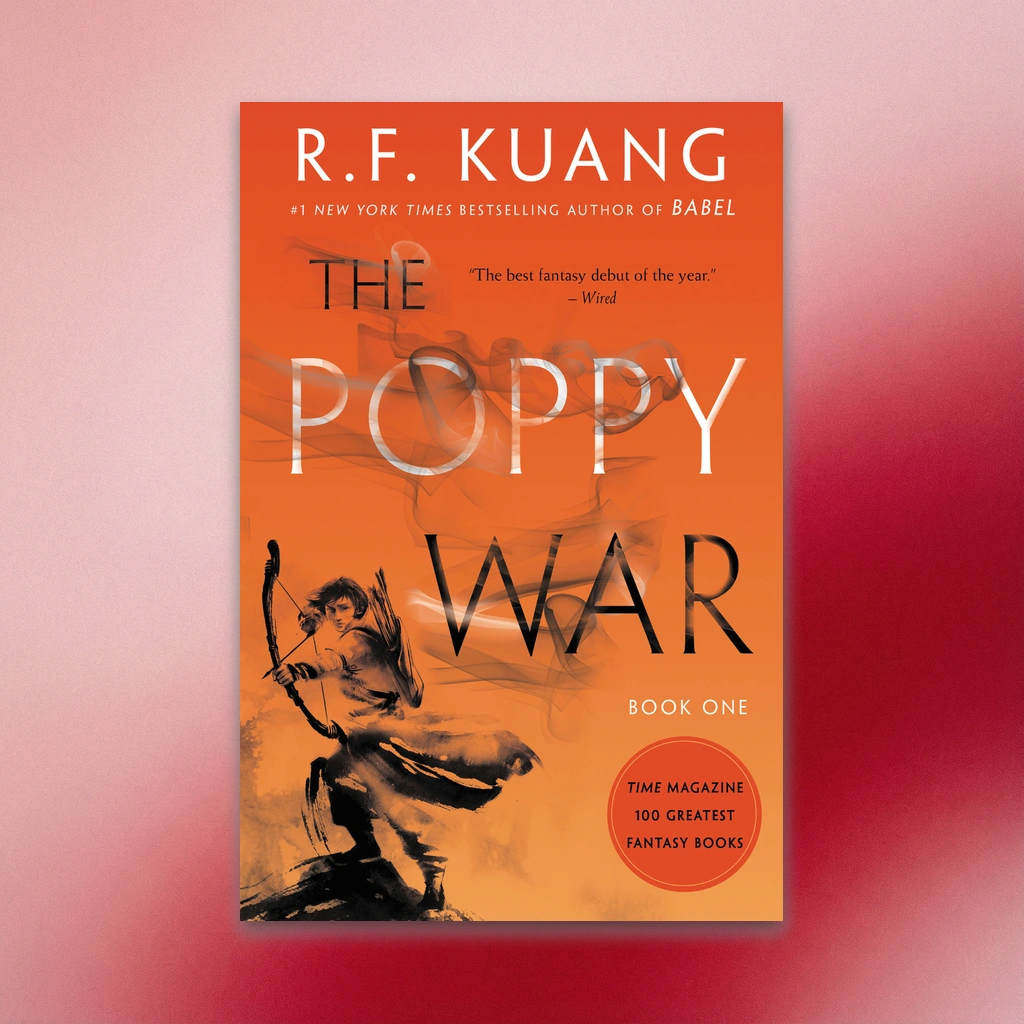
Fair warning: this is not YA, despite having a teenage protagonist. Kuang's 2018 fantasy debut is brutal, unflinching, and deeply rooted in the atrocities of the Second Sino-Japanese War. Rin, a war orphan from a poor province, aces the empire-wide test that grants her entry into the most elite military academy in Nikan. But as war breaks out with the neighboring Federation of Mugen, Rin discovers she has a dangerous gift for shamanism—the ability to call upon the gods for devastating power.
What does this have to do with The Hunger Games? On the surface, not much. But thematically, it's all about a young woman from the margins who becomes a weapon, who's used by people in power, and who must decide what she's willing to sacrifice—and who she's willing to sacrifice—to win. The training sequences at the academy have that same intensity as the tribute training in The Hunger Games. And Kuang, like Collins, isn't afraid to show the true cost of war, the way it destroys everyone it touches, the way trauma reshapes people into something unrecognizable. This is dark, challenging, brilliant work.
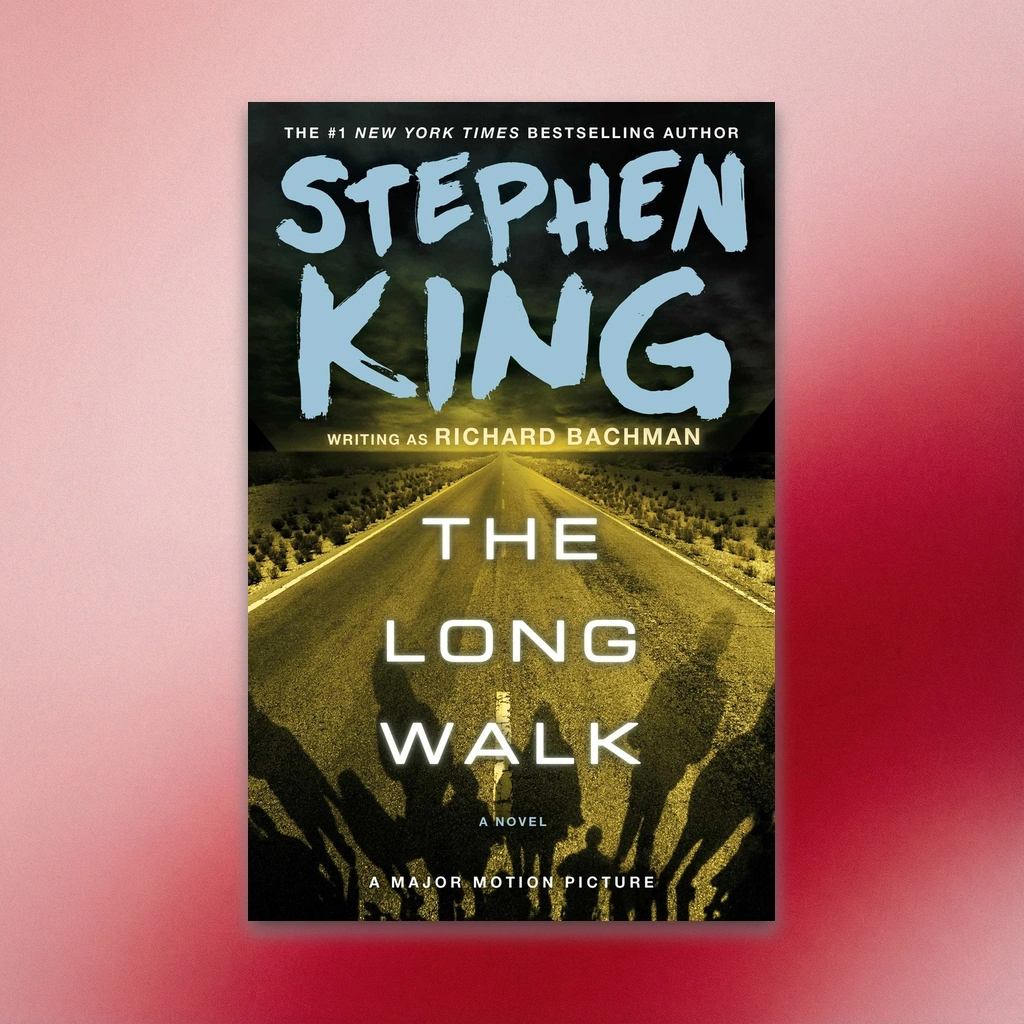
Published in 1979, decades before The Hunger Games, King's novella is one of the leanest, meanest pieces of dystopian fiction ever written. The premise is simple: one hundred teenage boys begin walking along a route that stretches from the Maine-Canada border down the East Coast. They must maintain a pace of at least four miles per hour. If they drop below that speed for more than thirty seconds, they receive a warning. Three warnings, and they're shot dead by soldiers accompanying the walk. The last boy walking wins "The Prize"—anything he wants for the rest of his life.
That's it. That's the whole book. No elaborate world-building. No love triangle. Just boys walking, and walking, and walking, until they can't anymore. The psychological horror is exquisite. King makes you care about these kids, gives them personalities and dreams and fears, and then systematically eliminates them. It's Lord of the Flies as a forced march. And the questions it raises about why people watch this spectacle, why boys volunteer for it, why the government sanctions it—those questions echo throughout The Hunger Games. This is essential reading for anyone interested in the genre.
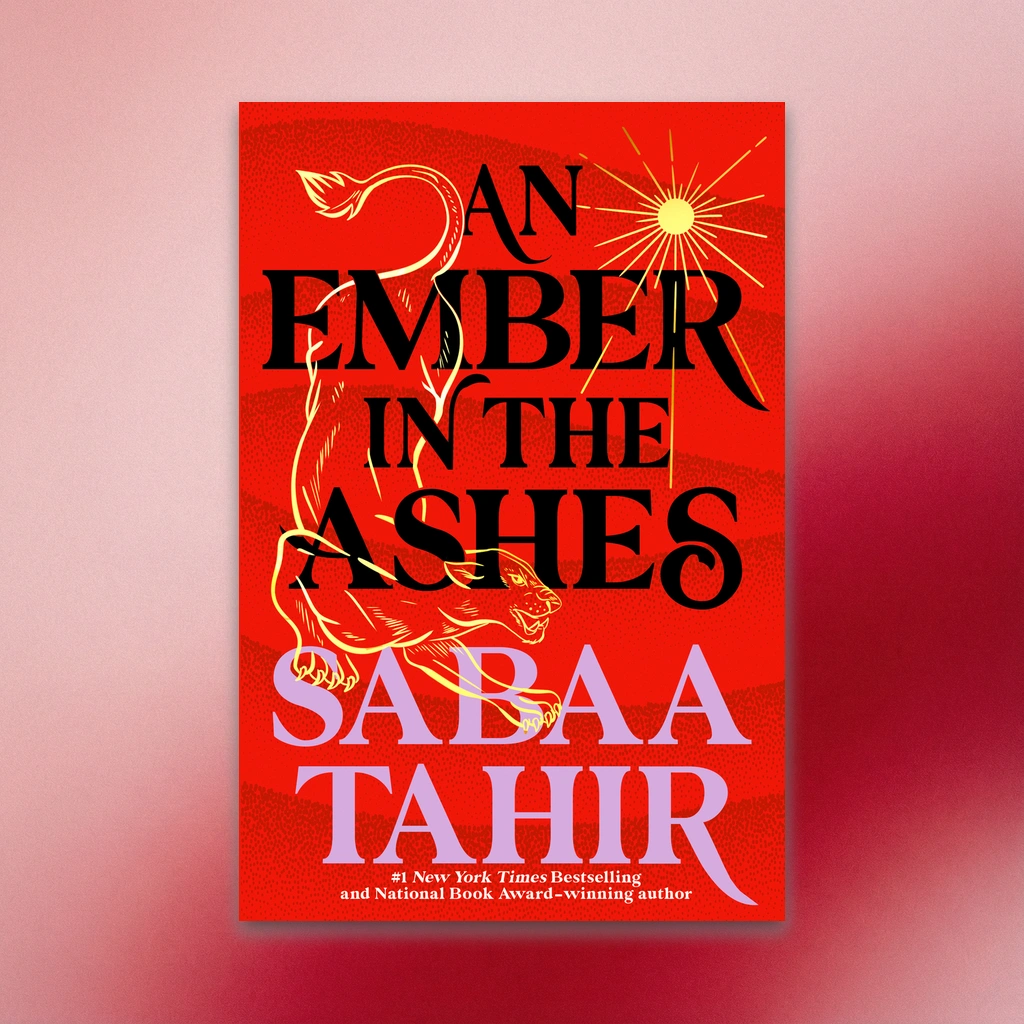
Tahir's 2015 debut is set in a brutal world inspired by ancient Rome, where the Martial Empire has ruled for five hundred years, enslaving the Scholar people and crushing any hint of rebellion. The story alternates between Laia, a Scholar girl whose brother is arrested for treason, and Elias, one of the Empire's finest soldiers who secretly despises everything the Martials stand for.
To save her brother, Laia agrees to spy on the Commandant of Blackcliff, the military academy where Elias trains, in exchange for help from the Resistance. What follows is a tale of brutal training (the trials Elias must complete to potentially become Emperor are genuinely harrowing), political intrigue, and two young people trying to survive in a system designed to destroy them. Like The Hunger Games, it's about the cost of survival, the price of rebellion, and the question of whether you can remain human in an inhuman world. Plus, Tahir's prose is gorgeous, and her action scenes are visceral and immediate.
Ness's 2008 novel is set on a distant planet where a biological weapon has killed all the women and infected the men with Noise—a condition that makes their every thought audible to everyone around them. Todd Hewitt is the last boy in Prentisstown, about to become a man. But when he discovers a patch of silence in the swamp—something that shouldn't be possible—he's forced to flee, and everything he thought he knew about his world is revealed to be a lie.
This is weird, challenging, beautiful science fiction that shares The Hunger Games' interest in young people forced to grow up too fast, in authoritarian control, in the power of information and misinformation. Ness's prose style takes some getting used to—he writes in Todd's voice, complete with unusual spelling and grammar—but once you adjust, it's incredibly immersive. The relationship between Todd and Viola, the girl he discovers in that patch of silence, is one of the most well-developed in YA. And the sequels get progressively more ambitious and heartbreaking.
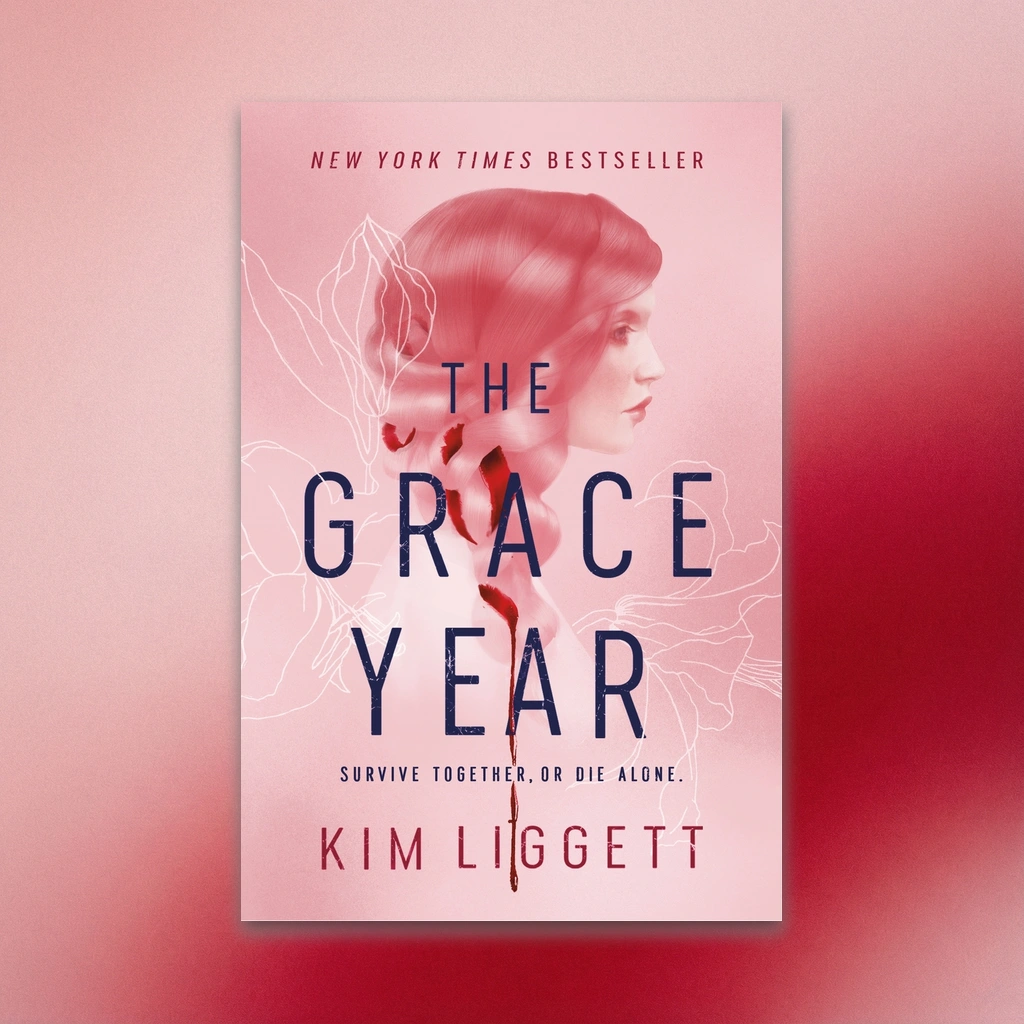
Liggett's 2019 novel is a feminist dystopia with echoes of The Handmaid's Tale, The Crucible, and yes, The Hunger Games. In Garner County, girls are believed to possess dangerous magic that can seduce men and drive women mad. So at sixteen, every girl is banished to the wilderness for their "grace year," where they must release their magic before they can return to society, marry, and begin their adult lives.
But no one ever talks about what really happens during the grace year. And when Tierney James is sent away with her cohort of girls, she discovers the truth is far more sinister than she imagined. Liggett creates a suffocating atmosphere of paranoia and violence, showing how misogyny and superstition can turn women against each other. Like The Hunger Games, it's ultimately about a girl learning to see through the lies she's been told, finding her own strength, and fighting back against a system designed to control her. Dark, intense, and uncomfortably relevant.
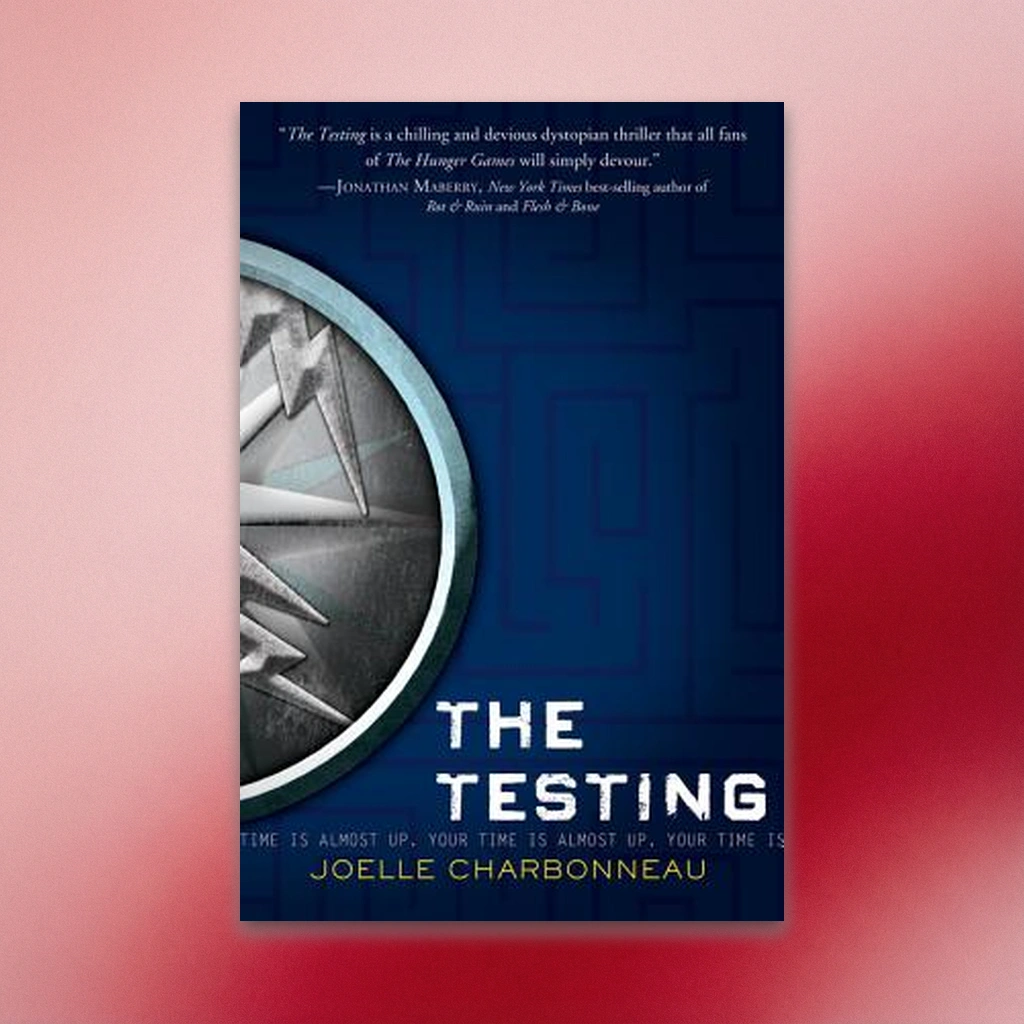
Charbonneau's 2013 novel is often dismissed as a Hunger Games knockoff, and yes, the similarities are there: a post-apocalyptic future, a young woman selected for a prestigious program, deadly trials designed to winnow down the candidates. But The Testing is different enough to be worth your time, particularly if you're interested in educational systems as tools of oppression.
Cia Vale is chosen to participate in The Testing, a rigorous exam that will determine who gets to attend University and eventually lead the rebuilding of the United Commonwealth. But as the tests progress, they become increasingly deadly, and Cia realizes the government doesn't want the smartest or most capable leaders—they want the most ruthless. It's a fast read, and the sequels are solid. Not groundbreaking, but if you're craving more books with that Hunger Games energy, this'll do the trick.
Look. I could keep going. There are dozens more books that capture different aspects of what made The Hunger Games so addictive—the survival competitions, the dystopian world-building, the young protagonists forced to make impossible choices, the slow-burn romances, the questions about violence and entertainment and control.
But these thirteen should keep you busy for a while. They'll make you think. They'll make your heart race. They'll probably make you miss some sleep.
And isn't that what we're all really looking for? That feeling of being so absorbed in a story that the real world falls away, that sense of urgency that keeps you turning pages long after
Some of the links above are affiliate links. If you purchase through them, CritiReads may earn a small commission at no additional cost to you. This helps support our work!