I've been thinking about The Alchemist lately. A lot, actually. Not because I just finished it—I read Paulo Coelho's modern fable years ago, curled up on a friend's couch during a particularly aimless summer. But it keeps coming back to me. The way certain books do. The ones that burrow into your subconscious and set up camp there, whispering at you during moments of doubt or transition.
The Alchemist does that to people. It's sold over 150 million copies worldwide, been translated into 80+ languages, and inspired countless readers to quit their jobs, book one-way tickets to distant countries, or simply look at their lives differently. The story of Santiago, a shepherd boy who travels from Spain to Egypt in search of treasure, has become shorthand for following your dreams. For listening to your heart. For believing that "when you want something, all the universe conspires in helping you to achieve it."
But here's the thing about loving The Alchemist: once you've read it, you want more. More philosophical fables. More journeys of self-discovery. More books that make you feel like the universe might actually be on your side, whispering secrets about your Personal Legend.
I've spent over a decade reading, reviewing, and obsessing over books. And I've found them. The books that capture that same magical-realist, soul-searching, destiny-is-calling energy that makes The Alchemist so special. Some are more literary. Others veer into fantasy or memoir. A few will make you ugly-cry on public transportation. But all of them share that ineffable quality—they make you believe in something bigger than yourself.
So if you're searching for your next transformative read, if you're craving that particular flavor of wisdom wrapped in parable, if you want books that feel like they were written specifically for you at this exact moment in your life... well, I've got you covered.
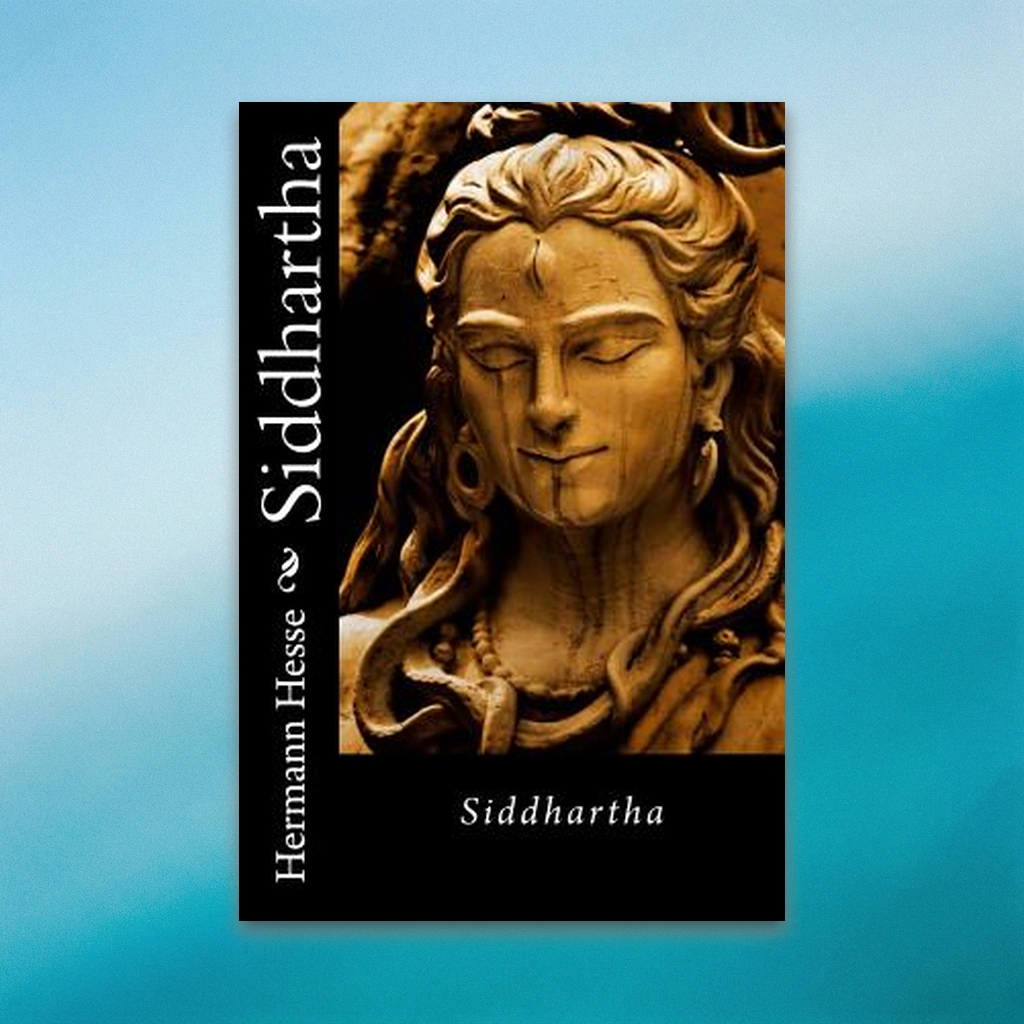
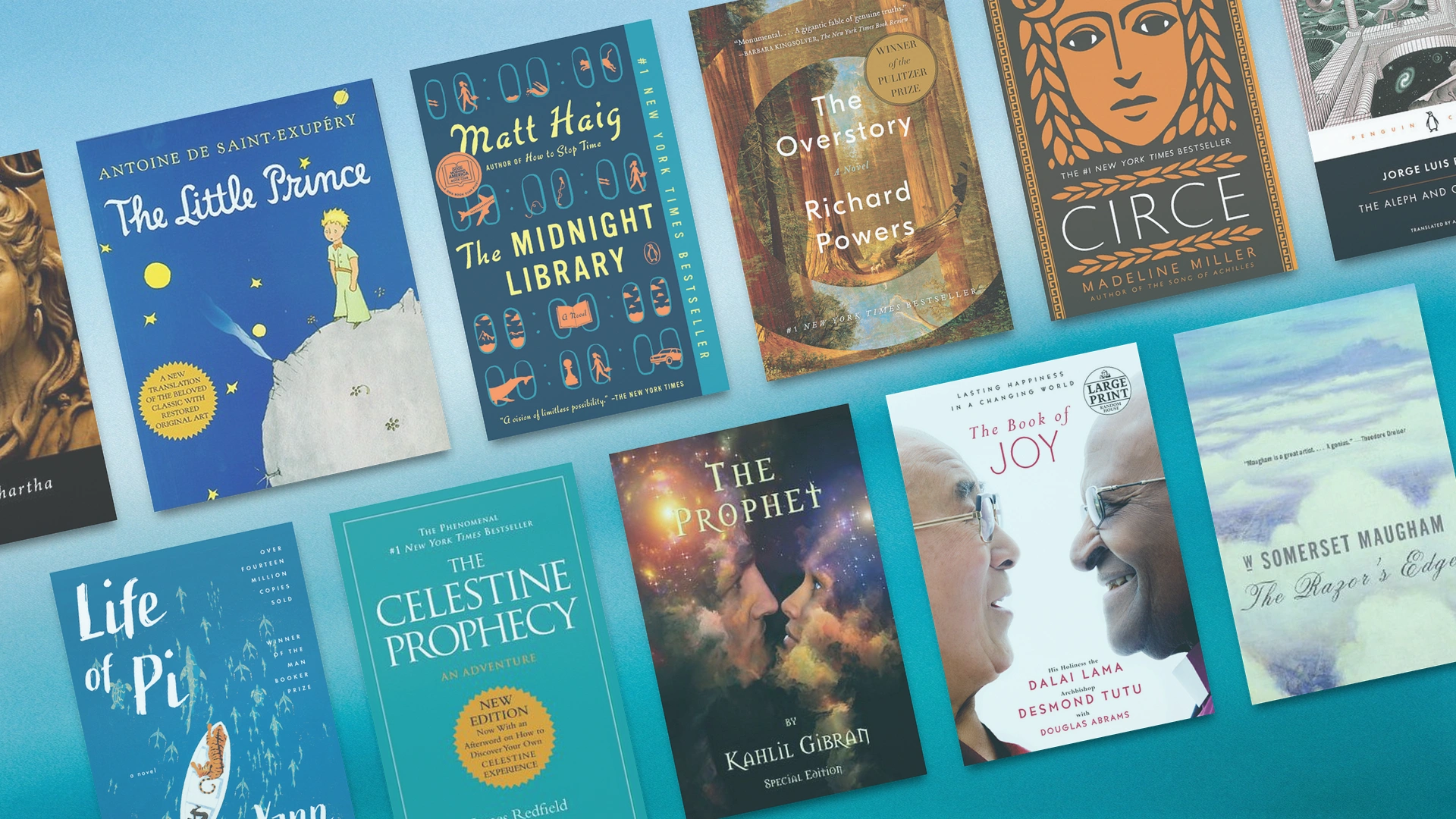
Let's start with the grandfather of spiritual journey novels, shall we? Published in 1922, Hermann Hesse's Siddhartha follows its titular character as he leaves his comfortable life to seek enlightenment. Sound familiar? Like Santiago, Siddhartha must learn that wisdom can't be taught—it must be experienced. He tries asceticism. He tries hedonism. He tries love, loss, wealth, and poverty.
Hesse's prose is hypnotic. Meditative. It moves like water, which is fitting given how central the river becomes to Siddhartha's ultimate understanding. This isn't a book you race through. It's a book you sit with. Let it wash over you. The scenes where Siddhartha works as a ferryman, listening to the river's many voices, will stay with you long after you've turned the final page. And that ending? Chef's kiss. The kind of quiet, profound conclusion that makes you close the book and just... breathe.
If The Alchemist is about following your Personal Legend, Siddhartha is about discovering that the destination and the journey are the same thing. That enlightenment isn't out there somewhere—it's been inside you all along. (Yes, it's a bit like The Wizard of Oz, but with more Buddhism and better writing.)
The Pilgrimage by Paulo Coelho
Wait, you didn't know Coelho wrote other books? Oh, friend. The Pilgrimage is actually the book Coelho wrote before The Alchemist, and in many ways, it's the more personal, more raw version of the same themes. This is Coelho's fictionalized account of his own journey along the Camino de Santiago—the ancient pilgrimage route in Spain—where he searched for spiritual renewal and his metaphorical sword.
The landscape here is real. Gritty. Your feet will hurt just reading about it. But the lessons Santiago (yes, another Santiago—Coelho really loves that name) learns are pure Coelho magic: about conquering fear, about speed and slowness, about the difference between knowledge and wisdom. The exercises and meditations scattered throughout the book are legitimately useful, too. I've done the "seed exercise" more times than I can count when I need to reconnect with my creativity.
If The Alchemist felt too allegorical for you, too fable-like, try The Pilgrimage. It's earthier. More grounded. But it still has that sense of cosmic significance, that feeling that every step of the journey matters.
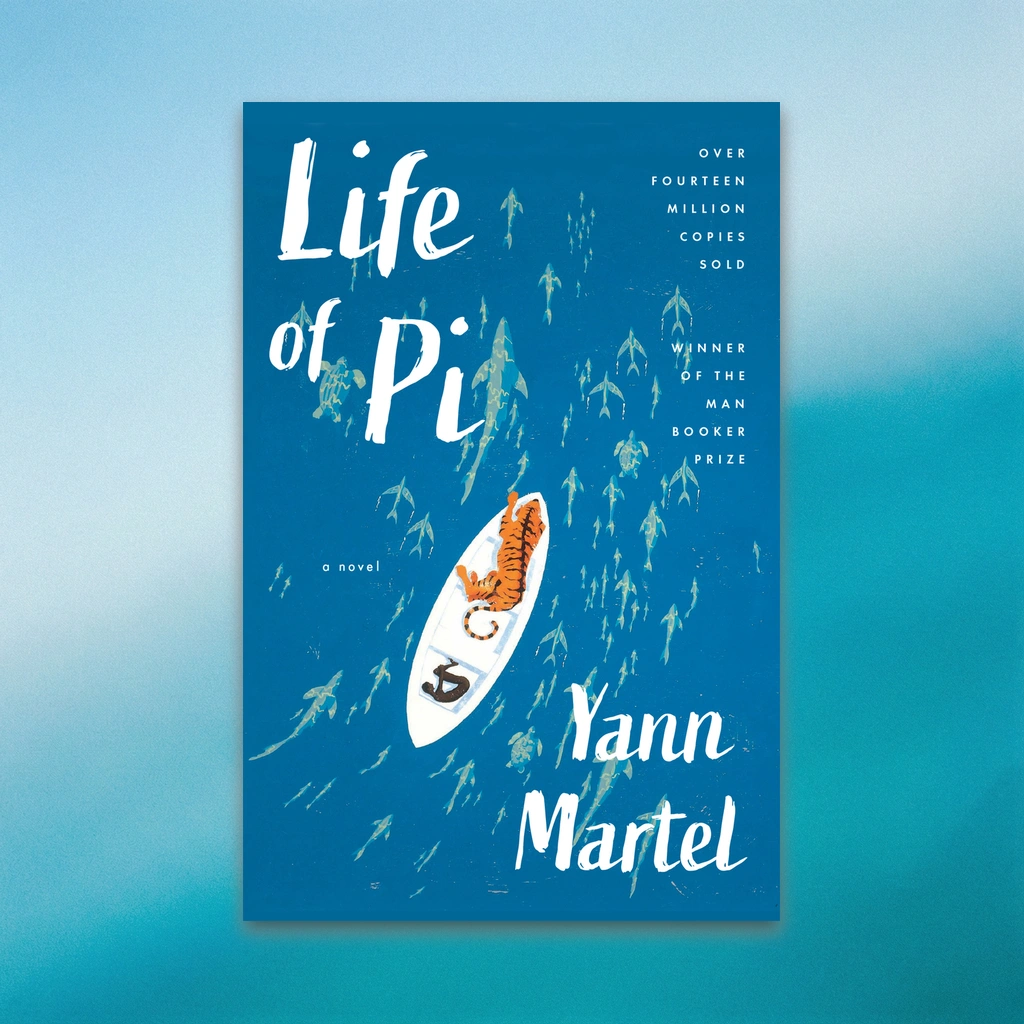
Okay, so this one involves a Bengal tiger and a lifeboat in the Pacific Ocean rather than a shepherd and the Egyptian desert. But hear me out. Yann Martel's Man Booker Prize-winning novel is absolutely a spiritual journey story, one that asks the same big questions Coelho does: What do we believe? Why do we believe it? And how do our beliefs shape the stories we tell ourselves about our lives?
Pi Patel survives 227 days at sea with a 450-pound tiger named Richard Parker. That's the plot. But the story—the real story—is about faith, about choosing the better tale, about finding meaning in suffering. Martel's writing is lush and strange and occasionally brutal. The scenes on the boat are hypnotic. Terrifying. Oddly beautiful.
The ending will mess you up. In the best way. It'll make you question everything you just read, everything you believe about truth and fiction and the stories we need to survive. It's The Alchemist if The Alchemist had teeth and claws and a much darker sense of humor about the universe's plans for us.
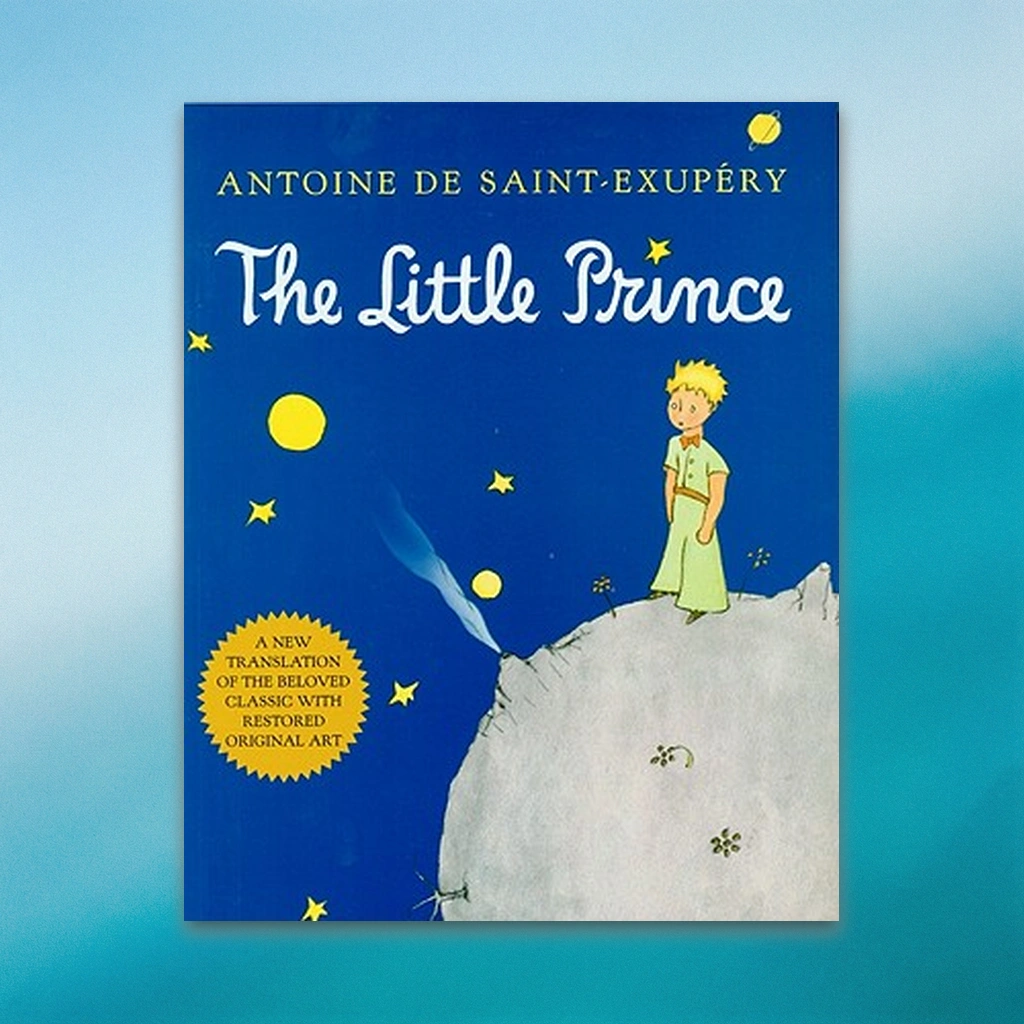
If you haven't read The Little Prince, what are you even doing? This slim French novella from 1943 is the original philosophical fable about journeys and meaning and seeing with your heart instead of your eyes. The Little Prince travels from planet to planet, meeting strange adults who've forgotten how to live, before landing on Earth and befriending a fox who teaches him that "what is essential is invisible to the eye."
Saint-Exupéry's watercolor illustrations are iconic. His prose is deceptively simple, the kind that children can enjoy on one level while adults weep over its deeper meanings. The relationship between the Prince and the fox, the lessons about taming and responsibility and love—these are the building blocks of every spiritual journey story that came after.
And that ending? Devastating. Hopeful. Perfect. It'll wreck you in about 90 pages, which is honestly impressive.
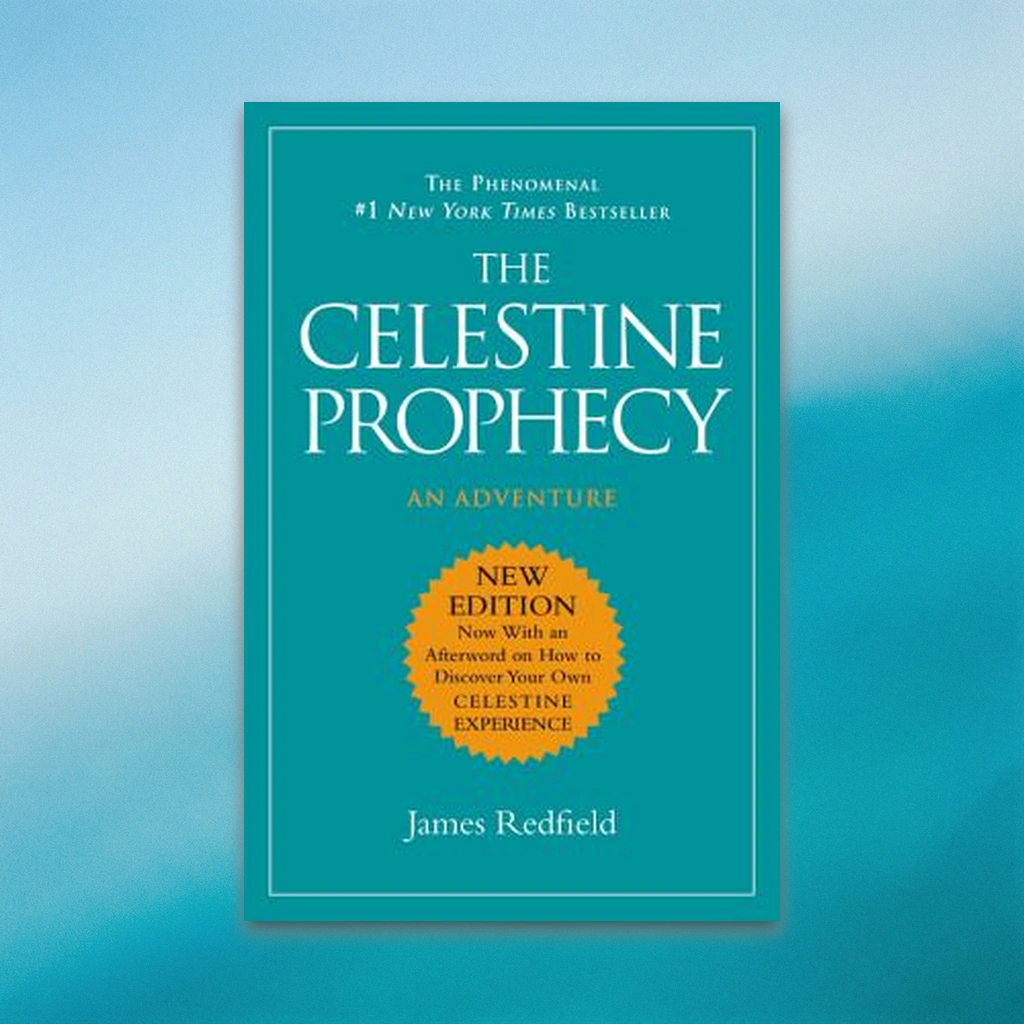
Alright, let's talk about The Celestine Prophecy. This book is divisive. Critics hated it. Called it New Age nonsense with cardboard characters and a paint-by-numbers plot. And you know what? They're not entirely wrong. The writing isn't going to win any awards. The dialogue is clunky. The characters are basically vehicles for delivering spiritual insights.
But here's the thing: millions of people love this book. It spent 165 weeks on the New York Times bestseller list. Because for all its flaws, The Celestine Prophecy captures that same sense of cosmic synchronicity that makes The Alchemist so appealing. The protagonist travels through Peru discovering nine spiritual insights that are supposedly critical to human evolution. Energy fields! Synchronicity! Control dramas! Evolutionary destiny!
It's like The Alchemist but with more explicit spiritual teaching and less literary merit. If you can get past the mediocre prose, the Nine Insights themselves are genuinely interesting to think about. Plus, it's a quick, easy read that'll make you notice coincidences and energy and meaningful connections everywhere. Sometimes that's exactly what you need.
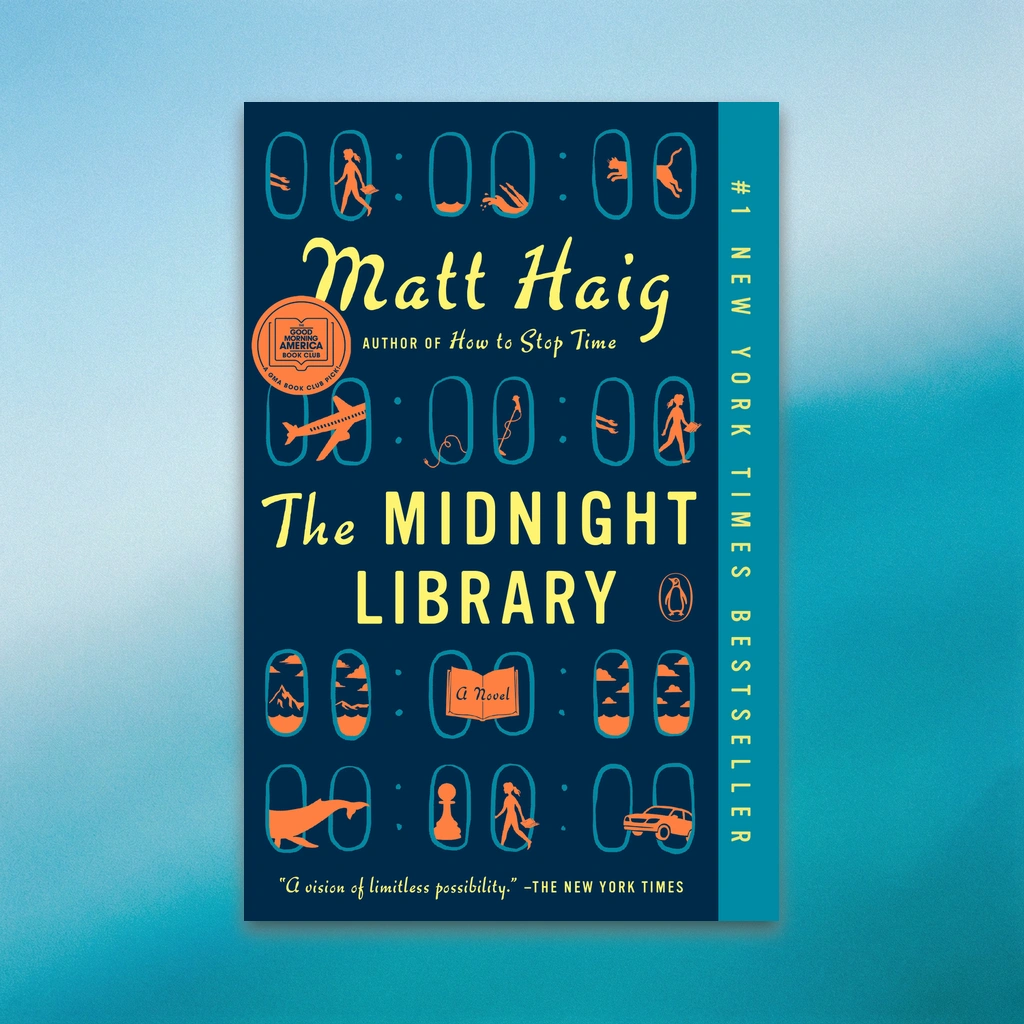
Matt Haig's 2020 bestseller is a more contemporary take on the journey-of-self-discovery narrative. Nora Seed finds herself in a library between life and death, where each book represents a different version of her life—all the paths she didn't take, all the choices she didn't make. She can try them on, live them out, see what would have happened if she'd become an Olympic swimmer or a glaciologist or stayed with her ex-fiancé.
It's The Alchemist meets It's a Wonderful Life meets Black Mirror. Haig's writing is warm and accessible, his philosophy grounded in mental health advocacy and the radical idea that your life, as it is, might be enough. Might even be perfect. The book doesn't have Coelho's mysticism, but it has heart. So much heart. And it asks the same essential question: What is your purpose? What makes a life worth living?
The ending made me cry on a plane. The woman next to me offered me tissues. I regret nothing.
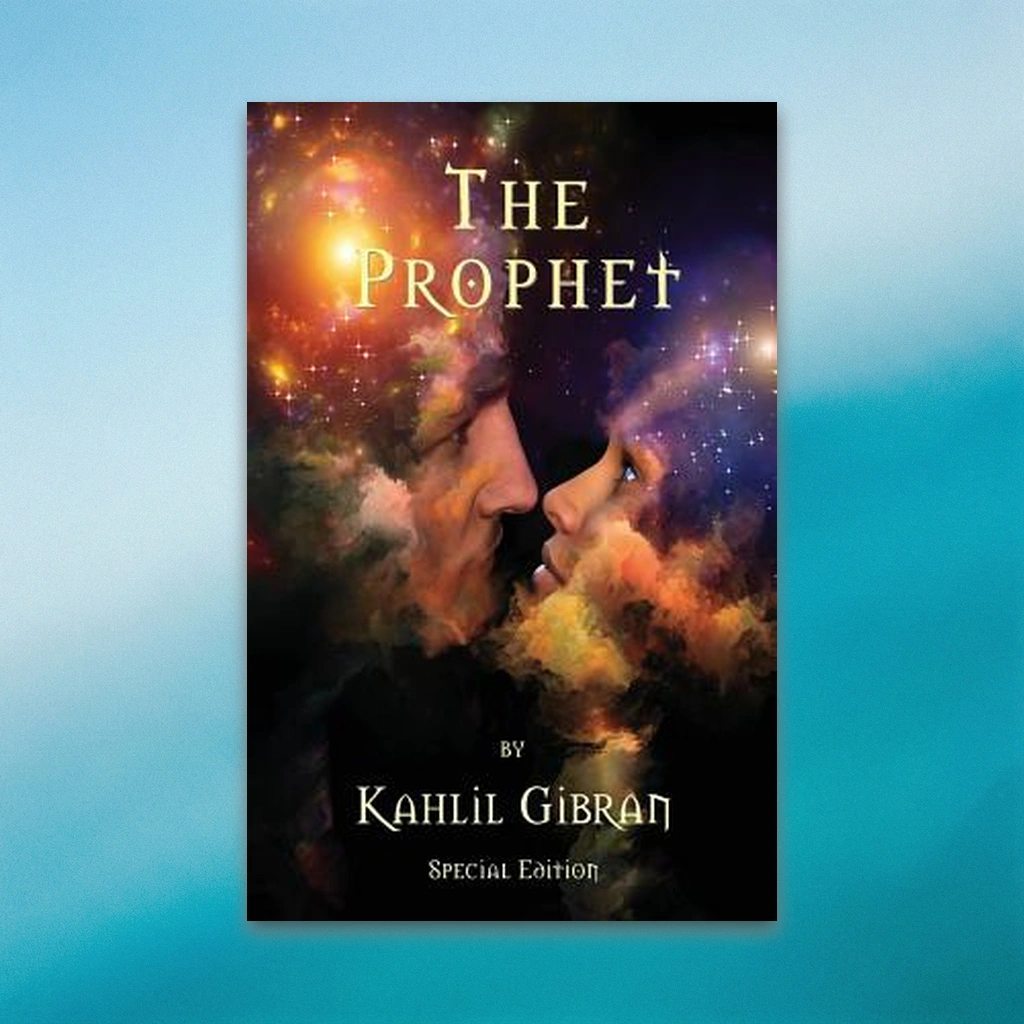
Gibran's 1923 masterpiece isn't really a novel. It's a series of poetic essays on life, love, death, work, freedom, and everything in between. The prophet Almustafa is about to board a ship to return home after 12 years in exile, and the people of the city ask him to share his wisdom before he goes. What follows is some of the most beautiful, profound writing about the human condition ever committed to paper.
"Your children are not your children. They are the sons and daughters of Life's longing for itself." "Work is love made visible." "Let there be spaces in your togetherness." These lines have been read at weddings, funerals, graduations. They've been quoted, misquoted, tattooed, and treasured.
The Prophet doesn't have a plot. It doesn't need one. It's pure distilled wisdom, the kind that feels ancient and eternal and somehow exactly right for whatever you're going through. Keep it on your nightstand. Read a chapter when you need guidance. Let Gibran's words work their magic.
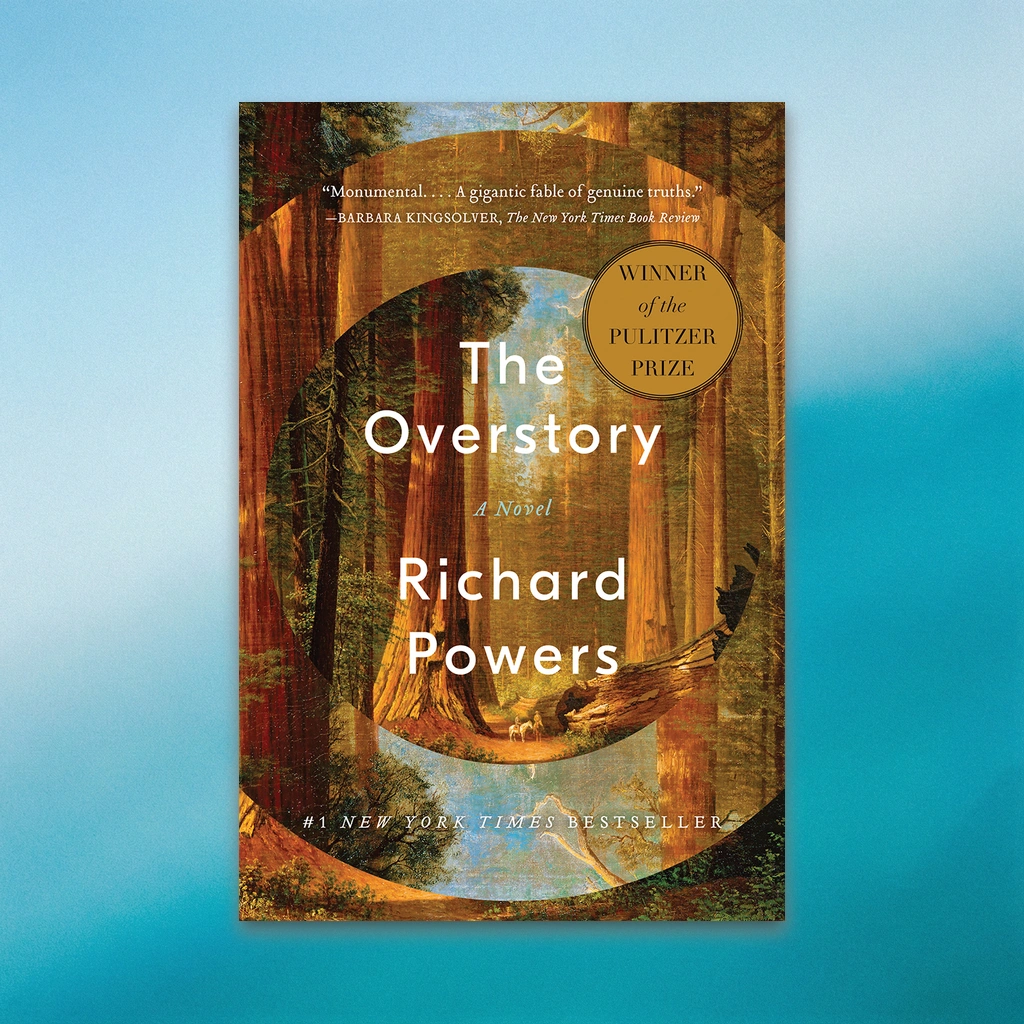
Richard Powers' Pulitzer Prize-winning novel is a much denser, more literary take on interconnectedness and purpose. It follows nine characters whose lives become intertwined through their relationships with trees. Yes, trees. And before you roll your eyes, know that Powers makes you care about trees in a way you never thought possible. He makes you see them as characters, as teachers, as ancient witnesses to human folly and grace.
This isn't a quick read. It's not a simple parable. But it operates on the same principle as The Alchemist—that everything in the universe is connected, that there are patterns and purposes we can't always see, that listening to something greater than ourselves might save us. The writing is gorgeous. Challenging. Worth every page.
If The Alchemist expanded your sense of personal destiny, The Overstory will expand your sense of everything. It'll make you want to hug trees and fight for forests and recognize that your Personal Legend is intimately tied to the health of the planet.
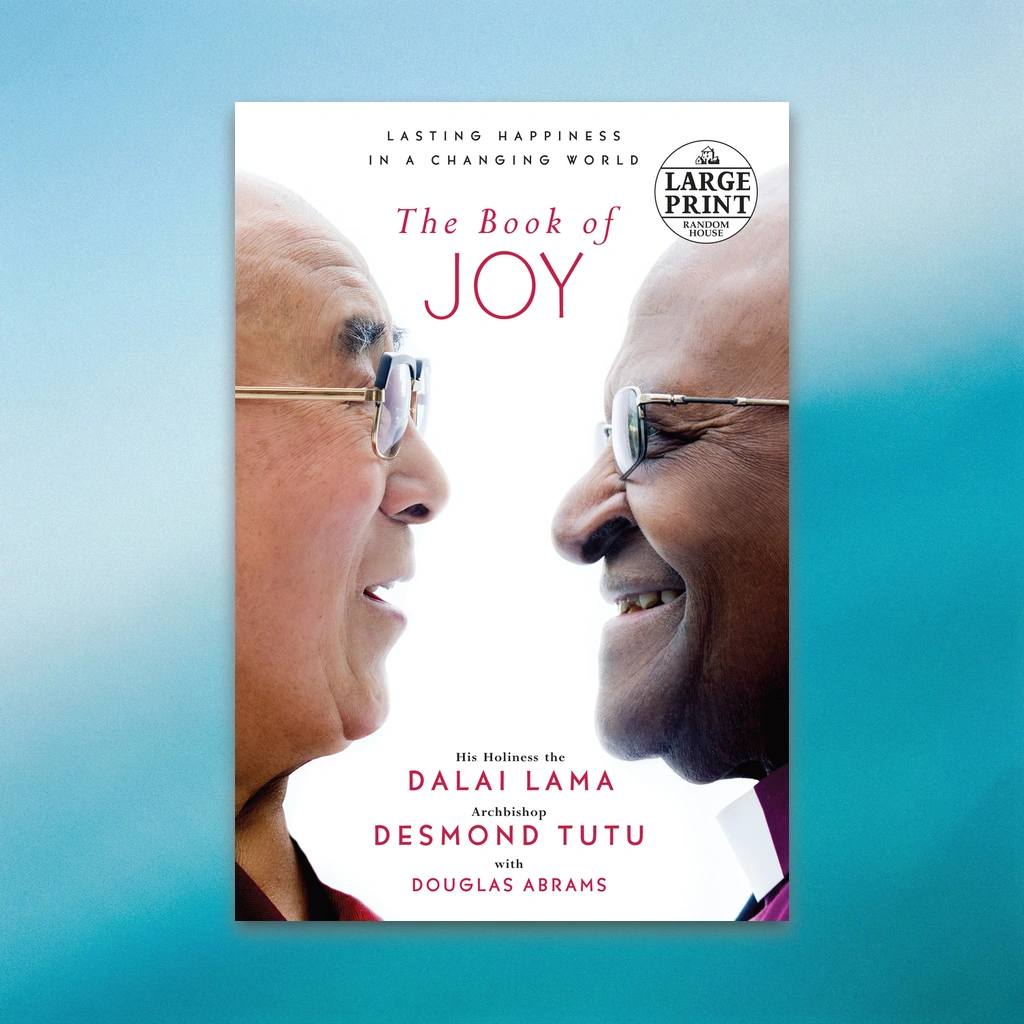
Okay, so this one's nonfiction. But if you loved The Alchemist for its wisdom rather than its plot, The Book of Joy delivers wisdom in spades. It's based on a week-long conversation between the Dalai Lama and Archbishop Desmond Tutu in Dharamsala, India, where these two spiritual giants discussed how to find joy in the face of suffering.
What emerges is a practical, profound guide to happiness. Not the fleeting kind, but the deep, abiding kind that survives loss and disappointment and pain. They discuss the obstacles to joy (fear, stress, anger, grief) and the eight pillars that support it (perspective, humility, humor, acceptance, forgiveness, gratitude, compassion, generosity). Their friendship is palpable on every page. Their laughter is infectious. Their wisdom is hard-won and freely given.
This is the book to read when The Alchemist makes you want to understand your Personal Legend but you're not sure how to actually live it day-to-day. It's the practical application of spiritual seeking. Plus, watching these two men in their eighties giggle like schoolboys is pure medicine.
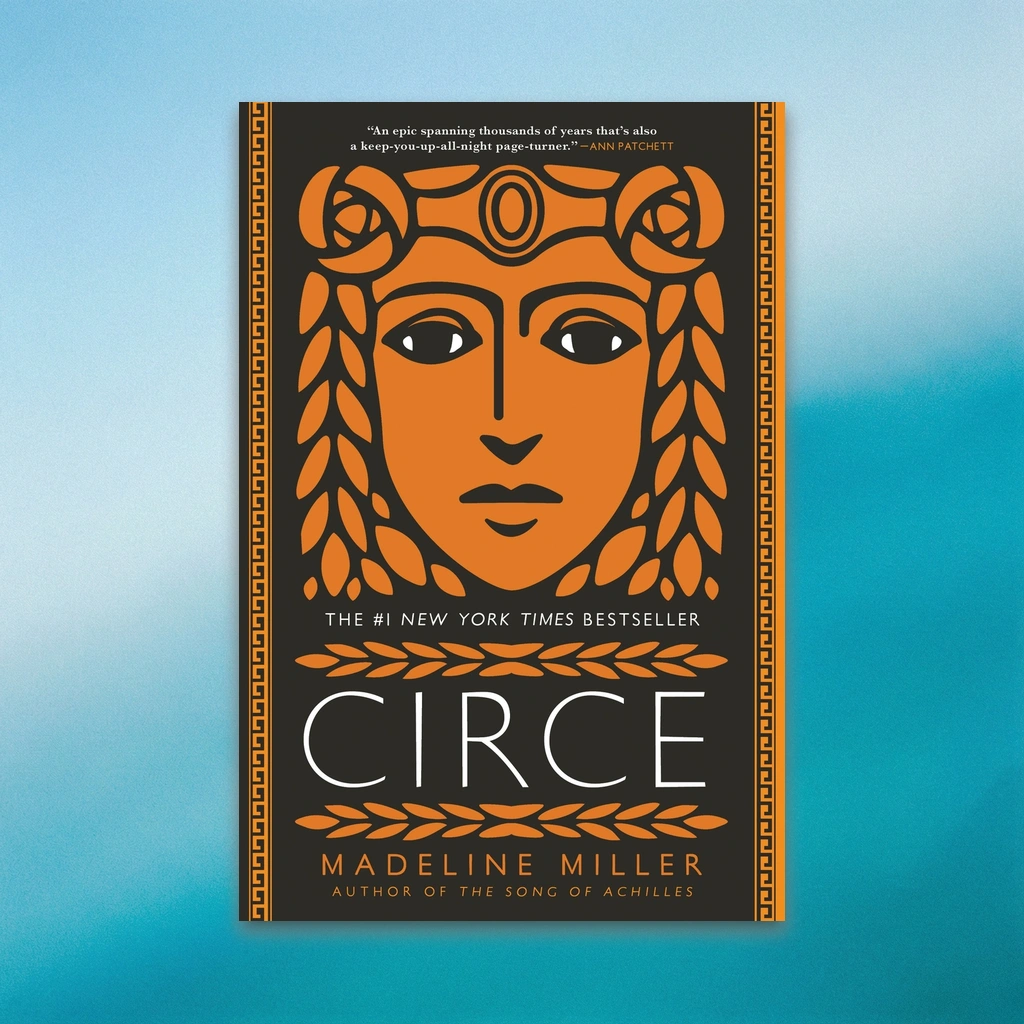
Madeline Miller's retelling of the Circe myth is technically a fantasy novel. But it's also a profound meditation on transformation, power, and finding your purpose in a world that wants to define you. Circe, daughter of the sun god Helios, is exiled to a deserted island for practicing witchcraft. There, over centuries, she hones her craft and discovers who she really is when stripped of her family's expectations and the gods' cruelty.
Miller's prose is luminous. Her Circe is fierce and vulnerable and utterly compelling. The journey from scorned nymph to powerful witch to something more human and more divine than either—it's a hero's journey in the truest sense. Santiago crosses the desert to find treasure. Circe crosses centuries to find herself.
The novel asks: What if your Personal Legend isn't handed to you by the universe? What if you have to fight for it, craft it with your own hands, defend it against gods and monsters and your own self-doubt? It's The Alchemist for people who like their spiritual journeys with more teeth and more feminism.

Maugham's 1944 novel follows Larry Darrell, an American pilot who returns from World War I spiritually shattered and determined to find meaning. He rejects wealth, success, and conventional happiness to seek enlightenment, traveling from Paris to India in pursuit of understanding. His journey takes him to the Himalayas, where he studies with a wise man and eventually achieves a kind of peace.
The book is narrated by Maugham himself (or a fictionalized version), which gives it an intimate, conversational quality. Larry's quest is contrasted with his friends' more conventional pursuits of money, status, and pleasure, none of which bring them happiness. It's a quieter, more melancholy take on the spiritual journey narrative, but no less powerful.
If The Alchemist is optimistic about the universe conspiring to help you, The Razor's Edge is more realistic about the costs of seeking enlightenment. But it still believes the search is worth it. That some treasures are worth any price.
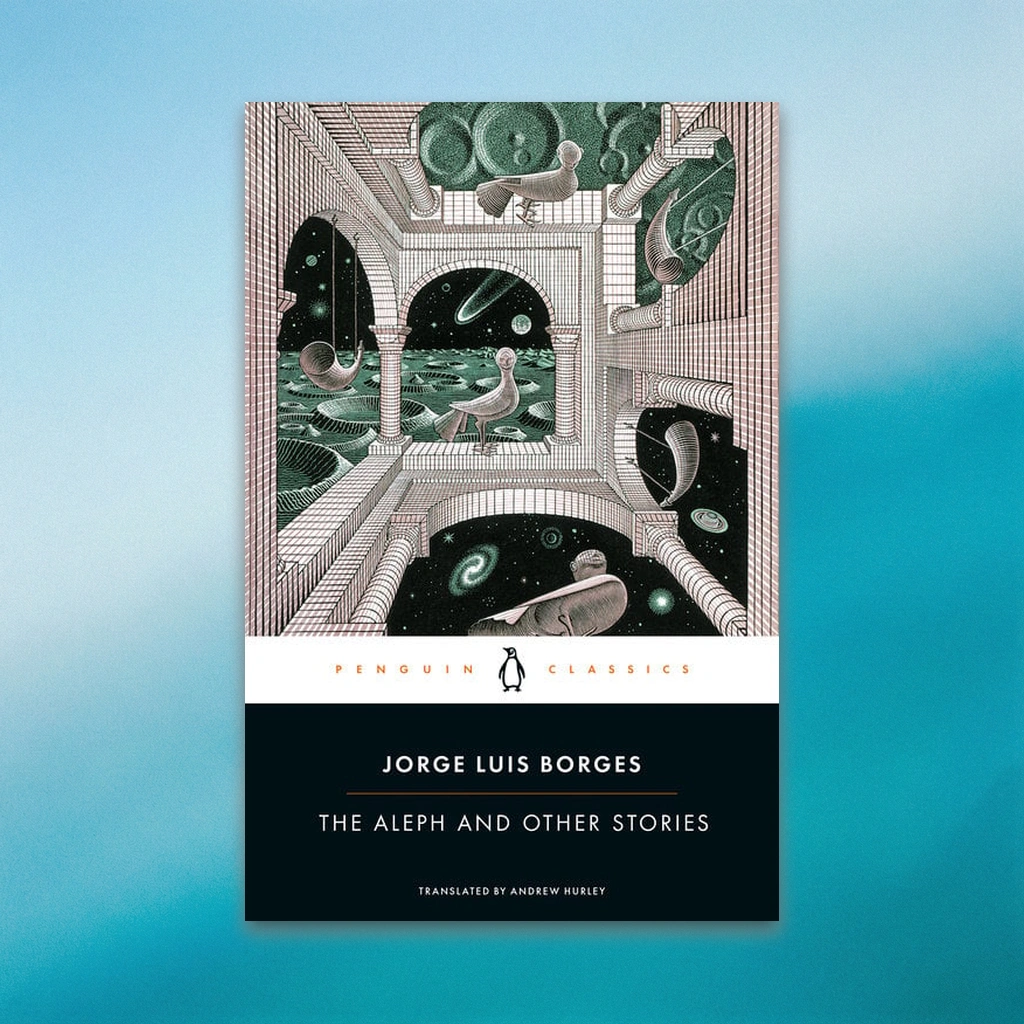
Borges' short story collection isn't a novel, and it's definitely more intellectually challenging than The Alchemist. But if you loved the mystical elements of Coelho's work—the way the universe speaks in signs and omens—you'll love Borges' metaphysical puzzles. His stories explore infinity, time, identity, and the nature of reality through labyrinths, mirrors, and impossible libraries.
"The Alchemist" (yes, Borges has a story with that title too) explores transformation and the search for the philosopher's stone. "The Library of Babel" imagines a universe as an infinite library containing every possible book. "The Garden of Forking Paths" plays with time and choice and parallel realities.
Borges will make your brain hurt in the best way. He'll make you question what's real and what's metaphor and whether there's even a difference. If Coelho's mysticism is accessible and warm, Borges' is intellectual and strange and utterly captivating.
Here's what all these books have in common, beyond their obvious connection to The Alchemist: they believe in meaning. In a world that often feels random and cruel and indifferent, these books insist that there's purpose. Pattern. Possibility. They suggest that paying attention matters, that the journey itself is the destination, that transformation is always available if we're brave enough to seek it.
Some do it through fable. Others through philosophy or myth or contemporary fiction. But they all invite you to see your life as a story worth telling, a journey worth taking, a legend worth pursuing.
I can't promise any of them will change your life. Books don't really do that—we change our own lives, and sometimes books give us permission or courage or a map. But I can promise that each of these will make you think differently, see differently, maybe even be differently.
And isn't that what we're really looking for when we fall in love with a book like The Alchemist? Not just a good story, but a good life. Not just entertainment, but transformation. Not just words on a page, but a whisper from the universe saying: Yes. This way. Keep going. Your Personal Legend awaits.
The treasure is still buried. The journey still calls. And somewhere out there, or maybe somewhere deep inside, the universe is still conspiring in your favor.
You just have to listen.
Some of the links above are affiliate links. If you purchase through them, CritiReads may earn a small commission at no additional cost to you. This helps support our work!