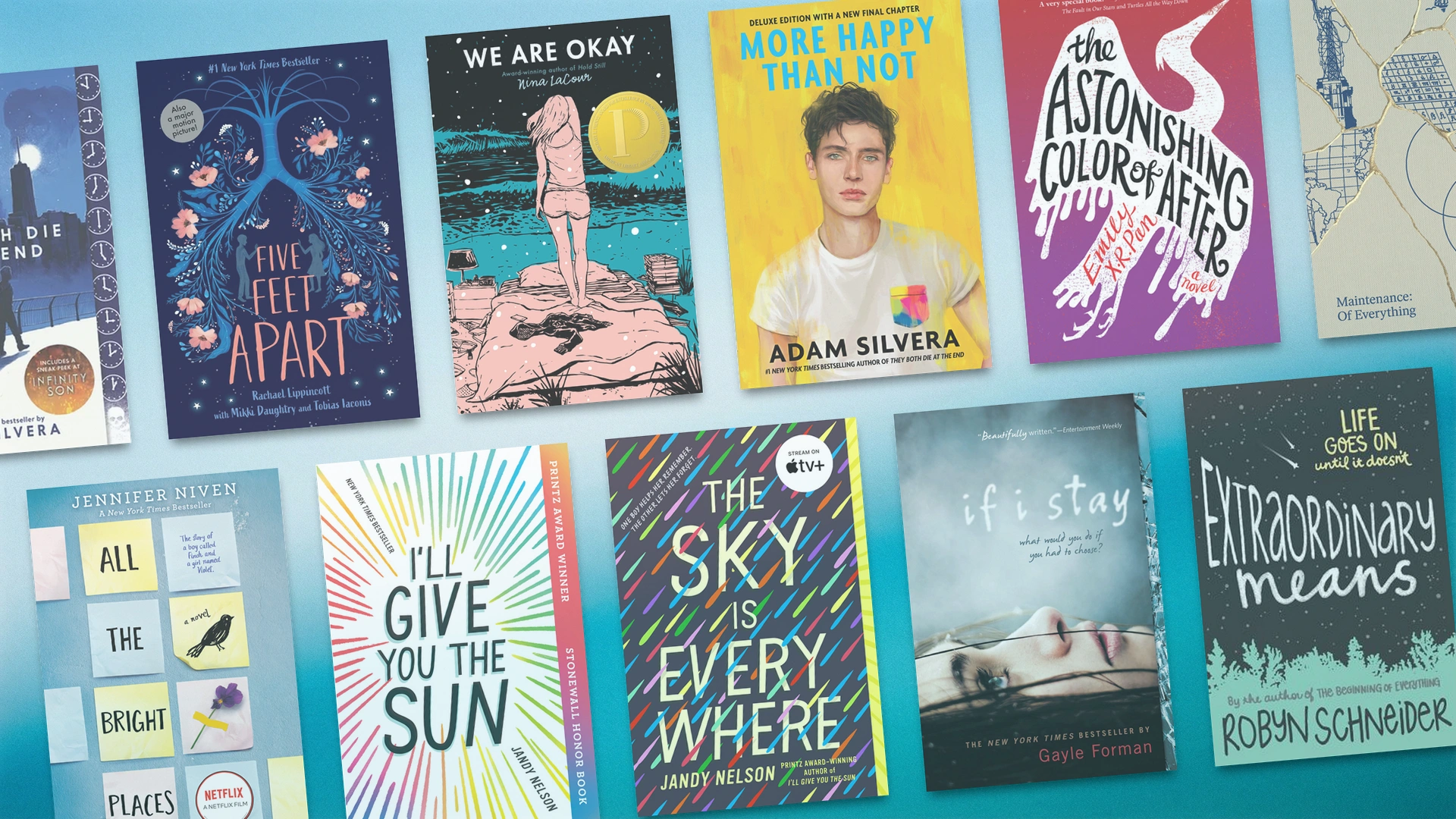
I still remember ugly-crying into my copy of The Fault in Our Stars for the first time. Mascara everywhere. Snot. The works. John Green's 2012 phenomenon about two teenagers who fall in love at a cancer support group didn't just make me weep—it fundamentally rewired something in my brain about what YA literature could accomplish. Because here's the thing about that book: it's devastating, yes, but it's also funny. Hazel and Augustus crack jokes. They're sarcastic. They quote made-up existentialist novels and argue about metaphors and make out in the Anne Frank House. (Controversial, I know, but also somehow perfect?) The novel refuses to let terminal illness strip its protagonists of their humanity, their humor, or their desire to really live before they die.
That balance—devastating but not exploitative, romantic but not saccharine, honest about mortality while still celebrating life—is incredibly hard to pull off. It's why so many "sad teen cancer book" imitators fell flat in the years following TFIOS's success. They had the tears but not the truth. The sickness but not the soul.
If you're looking for books that nail that same emotional register, I've got you covered.
These are novels that understand grief and joy aren't opposites. They're dance partners. Books where characters face impossible circumstances but refuse to be defined solely by their suffering. Stories that will wreck you, sure, but will also make you laugh out loud and maybe—just maybe—appreciate being alive a little bit more.
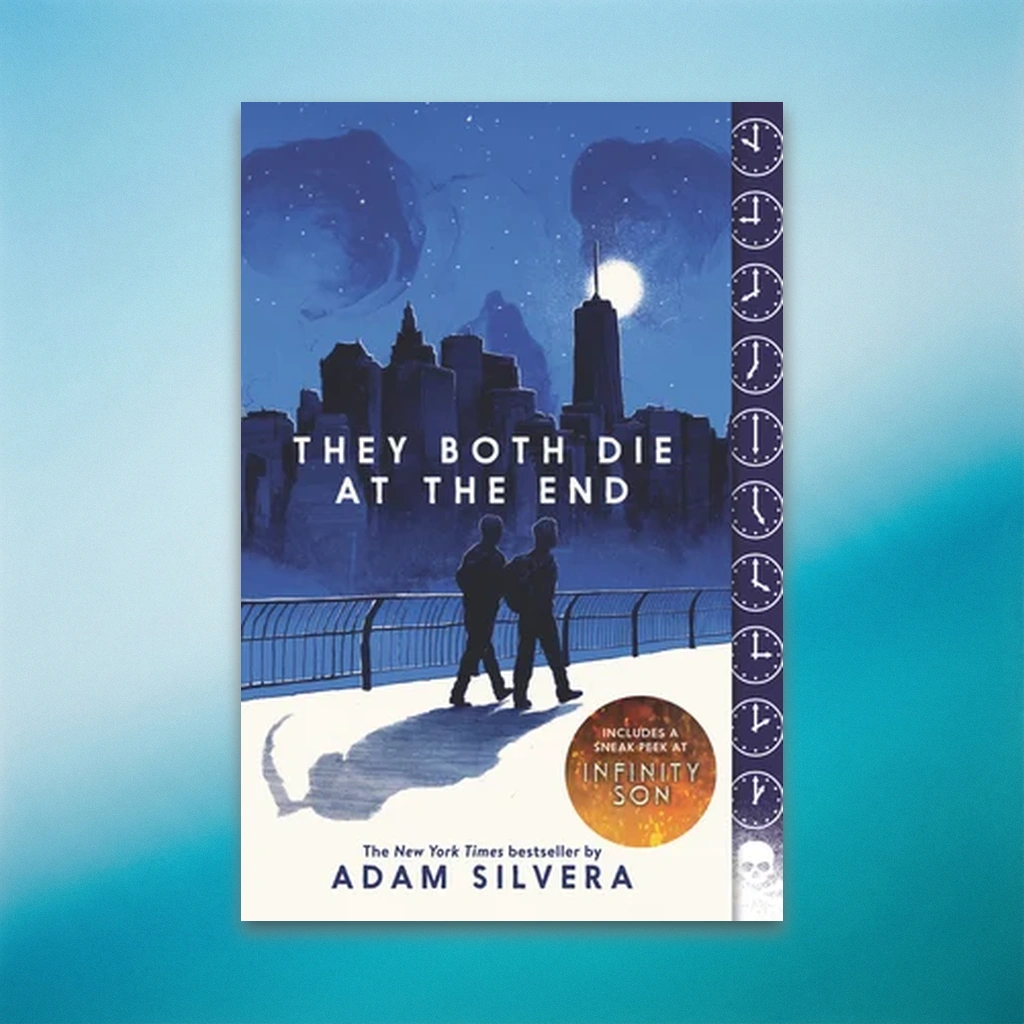
What if you knew exactly when you were going to die? Not how, just when. In Adam Silvera's speculative tearjerker, that's not a hypothetical—it's a phone call that arrives in the early hours of the morning from Death-Cast, a service that somehow knows when your number's up. You get the notification. You get one day. Then it's over.
Mateo and Rufus both receive their Death-Cast calls on the same day. They've never met. Mateo is cautious, anxious, the kind of person who's spent his whole life playing it safe. Rufus is impulsive, grieving, angry at the world. Through an app called Last Friend (designed to connect "Deckers" so they don't have to spend their final hours alone), these two strangers find each other. What follows is a single day of adventure, connection, first love, and devastating beauty as they try to squeeze a lifetime of living into their final hours.
Silvera absolutely nails the bittersweet tone that made TFIOS so special. His protagonists are sharp, funny, fully realized humans who refuse to let their imminent deaths turn them into saints or symbols. They make mistakes. They're scared. They also make each other laugh and fall ridiculously, impossibly in love even though—or maybe because—they know it can't last. The novel asks the same question Green's book does: what makes a life meaningful? Is it the length, or what you do with the time you have?
Fair warning: you will cry. A lot. But you'll also smile. That's the magic.
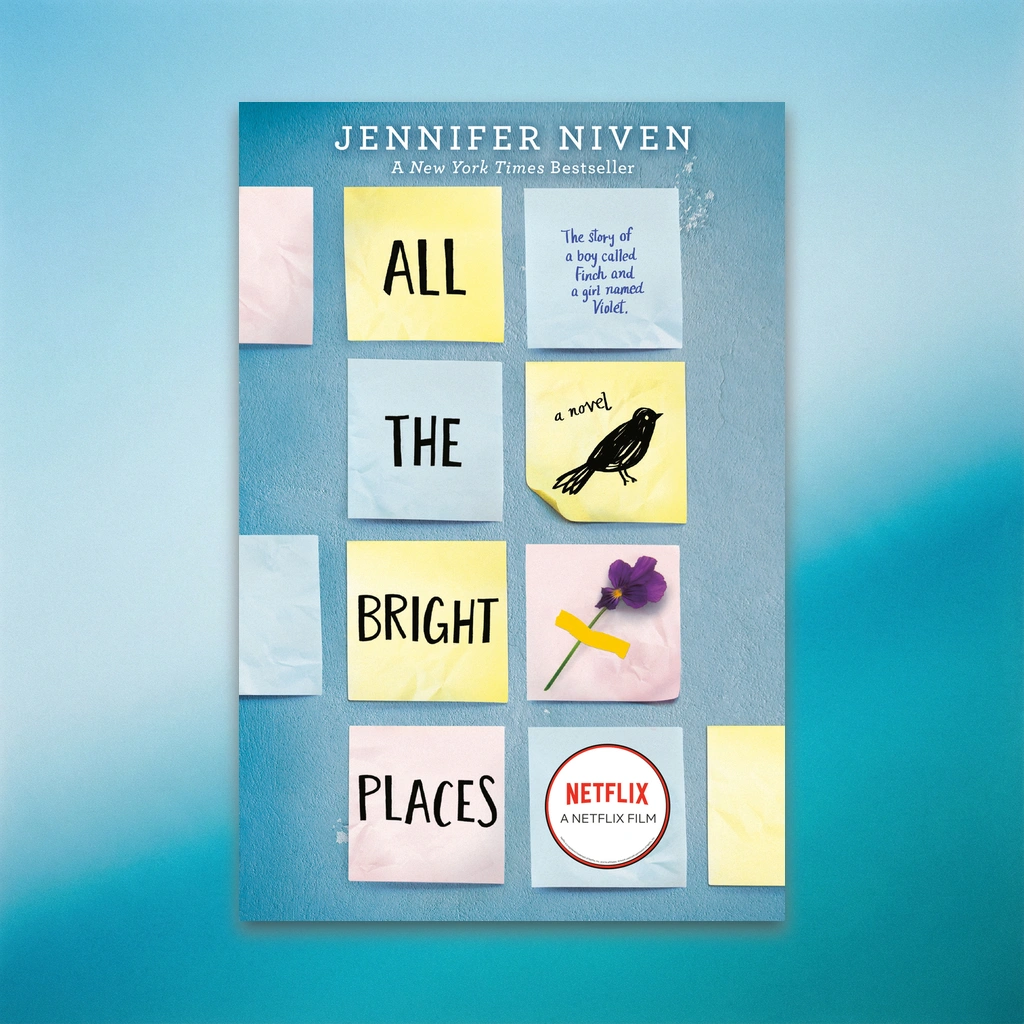
Finch and Violet meet on the ledge of their school's bell tower. Both are there for the same reason. Neither expected to find someone else.
Jennifer Niven's 2015 novel is often described as "TFIOS but with mental illness instead of cancer," which is reductive but not entirely inaccurate. Violet is struggling with survivor's guilt following her sister's death in a car accident. Finch is dealing with undiagnosed bipolar disorder, though he doesn't have the language for it yet. Together they embark on a project to "wander" Indiana, seeking out the state's natural wonders and forgotten corners. As they explore, they fall for each other. But Finch's darkness is growing, and not even Violet's love can save him from it.
This one hurts. It hurts in a different way than TFIOS, because the tragedy here isn't something beyond anyone's control—it's the result of a mental healthcare system that fails young people, of stigma, of not knowing how to ask for help. Niven (who based Finch partially on a boy she knew who took his own life) writes about mental illness with nuance and care, never romanticizing Finch's suffering while still honoring his humanity, his brilliance, his capacity for joy.
The book also features one of my favorite literary devices: chapters that count up and down, mirroring Finch's manic and depressive episodes. Short chapters. Long chapters. The rhythm of the prose itself becomes a reflection of his mental state. It's gutting and gorgeous in equal measure.
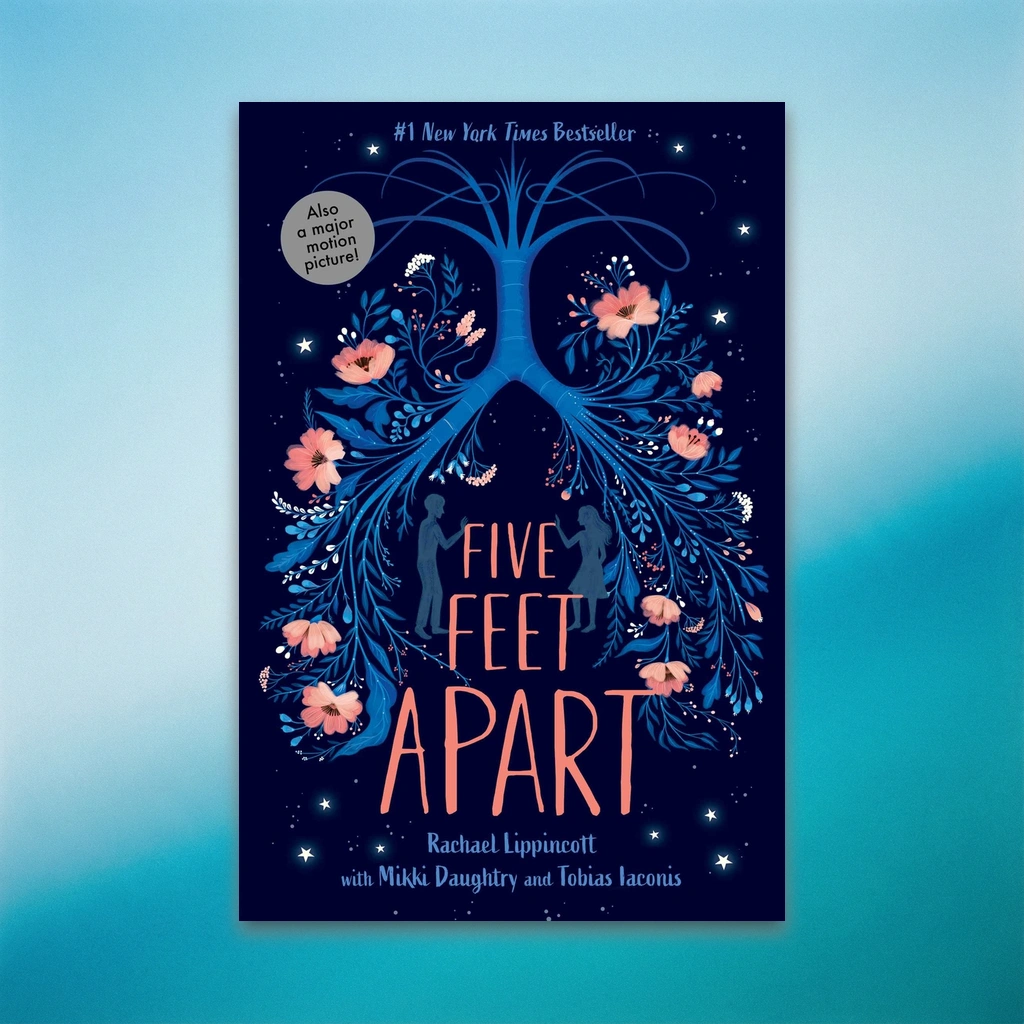
Cystic fibrosis patients have to stay six feet apart from each other at all times. Cross-contamination can be deadly. So when Stella and Will—both CF patients—meet in the hospital and fall for each other, they face an impossible choice: follow the rules that keep them alive, or risk everything for a chance to actually touch the person they love.
Yes, this is another "teens with terminal illness fall in love" book. No, it's not a TFIOS knockoff. Rachael Lippincott (along with co-writers Mikki Daughtry and Tobias Iaconis) brings a fresh perspective to the subgenre, largely because Stella and Will's relationship is defined by distance. The six feet between them becomes a character in its own right. Every inch they steal back—five feet, four feet, three—is a victory and a risk.
Stella is a rule-follower, a planner, someone who controls what she can because so much of her life is beyond her control. Will is messier, angrier, less willing to play along with the charade that compliance equals survival. Their dynamic crackles. The book is also refreshingly honest about the day-to-day realities of living with CF: the medications, the treatments, the hospital stays, the exhaustion of it all. It doesn't shy away from the ugliness.
But it's also romantic as hell. The scene where they go into the pool? Destroy me.
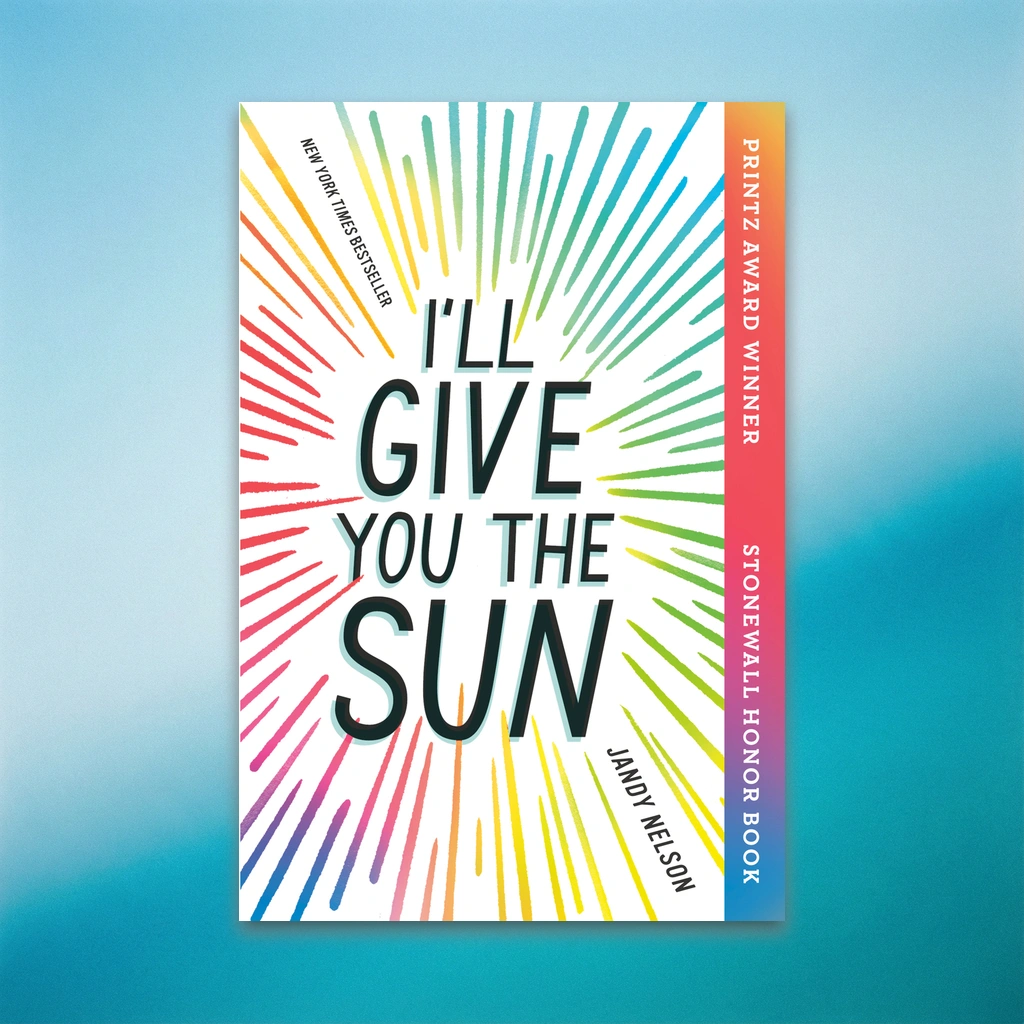
This one's a little different. Nobody has cancer. Nobody's dying. (Well, someone dies, but I won't spoil who.) What Jandy Nelson's lyrical, luminous novel shares with TFIOS is an understanding that love—romantic, familial, platonic—can be both the thing that saves us and the thing that breaks us apart.
The book is told in two timelines and two perspectives. At 13, twins Noah and Jude are inseparable, two halves of the same whole. Noah is an artist, seeing the world in color and metaphor. Jude is bold, confident, the sun to his moon. But by 16, they're barely speaking. Something happened to fracture them. The novel slowly reveals what.
Nelson's prose is stunning. Poetic without being precious. She writes about grief, guilt, first love, queerness, and family dysfunction with equal parts tenderness and ferocity. The book also features one of my favorite romantic subplots in all of YA: Jude's relationship with Oscar, a young sculptor with his own secrets and scars. Their connection is prickly and sweet and utterly believable.
If TFIOS made you cry, this will too. But for different reasons. It's less about mortality and more about repair—how we put ourselves and each other back together after we've been shattered.
We Are Okay by Nina LaCour
Sometimes the most devastating losses aren't about death. Sometimes they're about absence. Distance. The people who are still alive but no longer in your life.
Nina LaCour's slim, stunning novel follows Marin, a college freshman who has essentially ghosted everyone from her old life after her grandfather's sudden death. When her best friend (and maybe more than friend) Mabel shows up at her empty dorm over winter break, Marin is forced to confront everything she's been running from: her grief, her loneliness, her feelings for Mabel, the secrets her grandfather kept.
This book is quiet. There are no grand romantic gestures, no road trips, no bucket lists. It's just two girls in a dorm room, talking. Remembering. Trying to figure out if their relationship can survive the weight of everything left unsaid. Zarr writes with such restraint and precision that every sentence lands like a gut punch. The emotional devastation sneaks up on you.
It's also one of the best depictions of grief I've ever read—the way it empties you out, makes you numb, convinces you that you're better off alone. Marin's journey back to herself, back to connection, is slow and painful and real.
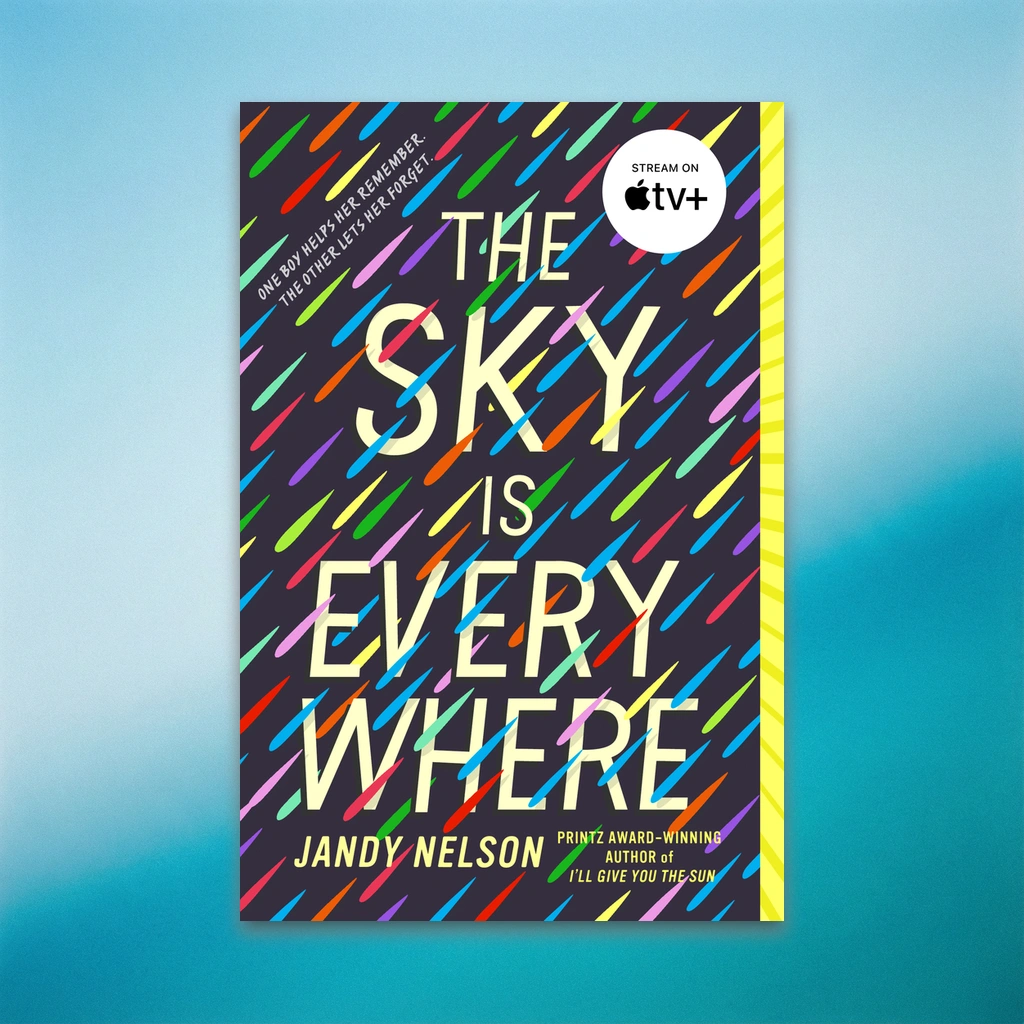
Before I'll Give You the Sun, Jandy Nelson wrote this achingly beautiful debut about Lennie, a 17-year-old whose older sister, Bailey, has just died suddenly. Bailey was the star—the singer, the extrovert, the one everyone noticed. Lennie was always in her shadow, content to be the sidekick. Now Bailey's gone, and Lennie doesn't know how to be the main character of her own life.
Enter two boys: Toby, Bailey's grieving boyfriend, and Joe, the new guy in town with a crooked smile and a love of music. Lennie finds herself drawn to both of them, for different reasons, and the book doesn't judge her for it. Instead, Nelson explores how grief makes us do strange, contradictory things. How we seek comfort in unexpected places. How we try to keep the dead alive by clinging to the people they loved.
The novel is also full of poetry—literally. Lennie writes poems on scraps of paper and leaves them everywhere: on trees, in library books, on coffee cups. The poems punctuate the narrative, giving us insight into her interior world in a way that feels organic and earned. Nelson's prose is lush and musical, full of metaphor and color. It's the kind of book that makes you want to underline every other sentence.
And the romance with Joe? Swoon-worthy. Absolutely swoon-worthy.
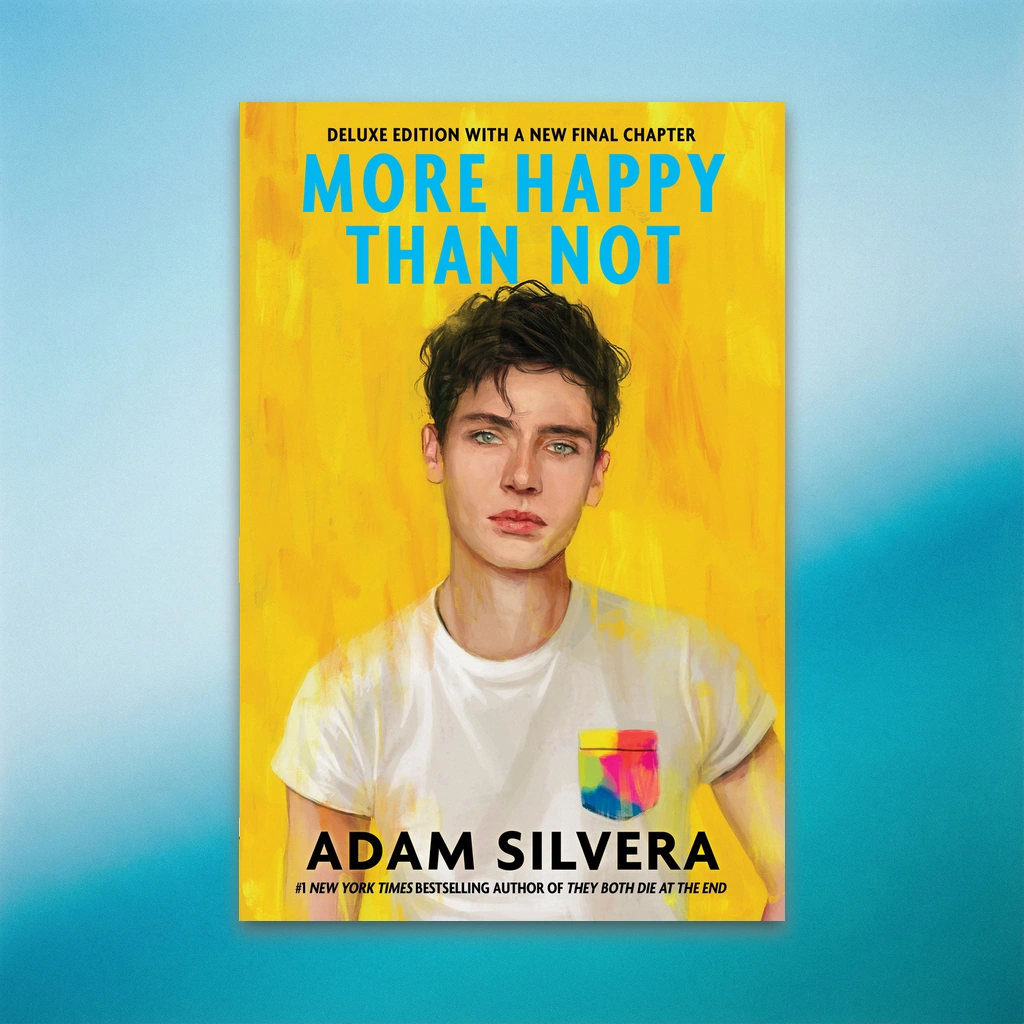
Before They Both Die at the End, Adam Silvera wrote this gut-wrenching novel about Aaron Soto, a teenager in the Bronx who's struggling with depression, grief over his father's suicide, and confusion about his sexuality. When he learns about a memory-alteration procedure that could erase his painful memories (including his feelings for his male best friend), he has to decide: is it better to forget, or to live with the truth?
This book is brutal. It's a meditation on identity, trauma, and the stories we tell ourselves to survive. Silvera writes about internalized homophobia and mental illness with unflinching honesty, never offering easy answers or tidy resolutions. The ending wrecked me in a way I'm still not fully over.
But like TFIOS, it's also about finding joy and connection in the midst of suffering. About the people who see us, really see us, and love us anyway. Aaron's friendship with his crew, his tentative romance, his complicated relationship with his family—all of it feels messy and true.
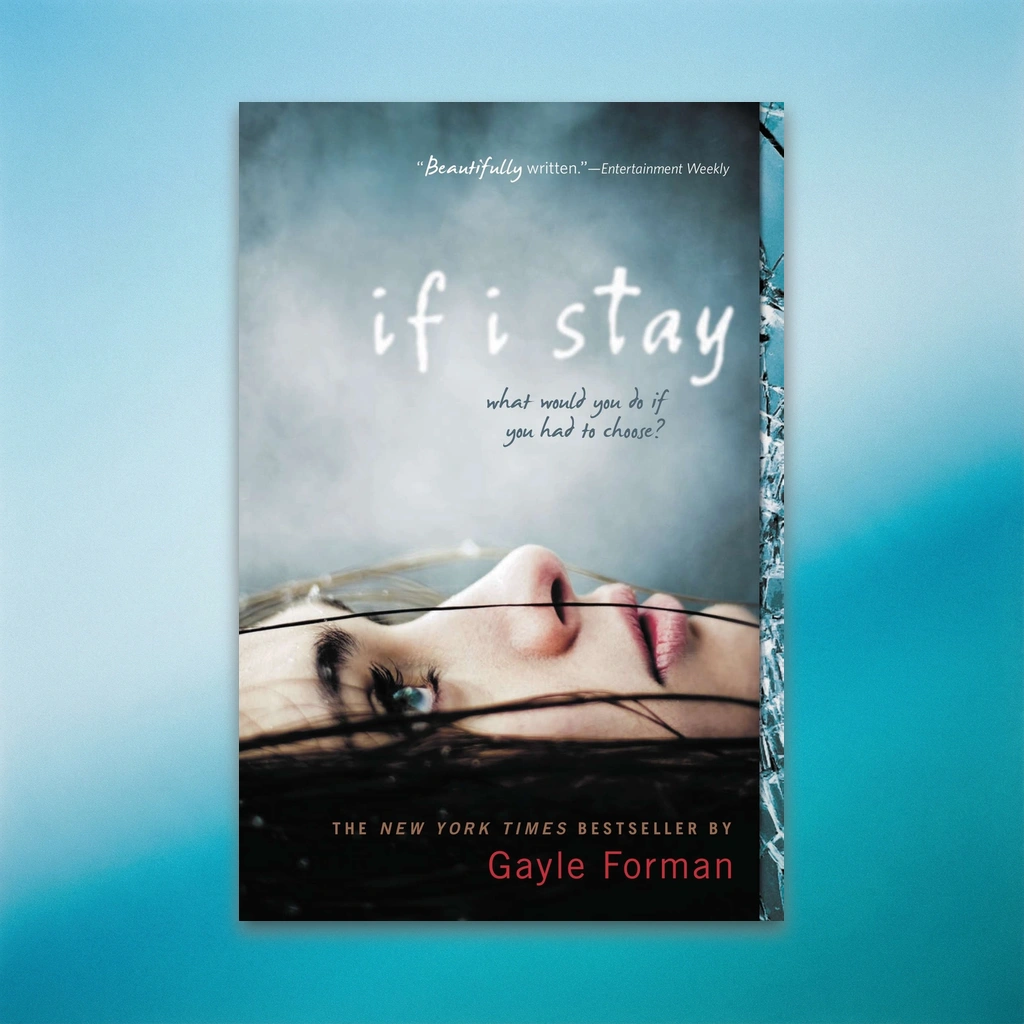
Mia is a cellist with a bright future. She has a loving family, a boyfriend she adores, and a scholarship to Juilliard within reach. Then, in an instant, everything changes. A car accident leaves her in a coma, hovering between life and death. From her out-of-body perspective, she watches as doctors fight to save her, as her family and friends gather at the hospital, as her boyfriend begs her to stay. The choice is hers: fight to live, or let go.
Gayle Forman's 2009 novel is a masterclass in emotional devastation. It's less than 200 pages, but it packs a punch. The book alternates between Mia's present-tense crisis and flashbacks to her life before the accident, building a portrait of a girl who is deeply loved and has so much to lose. The prose is spare and elegant, never melodramatic, which somehow makes it hit even harder.
What I love about this book is that it doesn't shy away from the cost of survival. Mia's choice isn't simple. Staying means living with unbearable loss. Leaving means giving up on the future she's worked so hard for. There's no easy answer, and Forman respects that complexity.
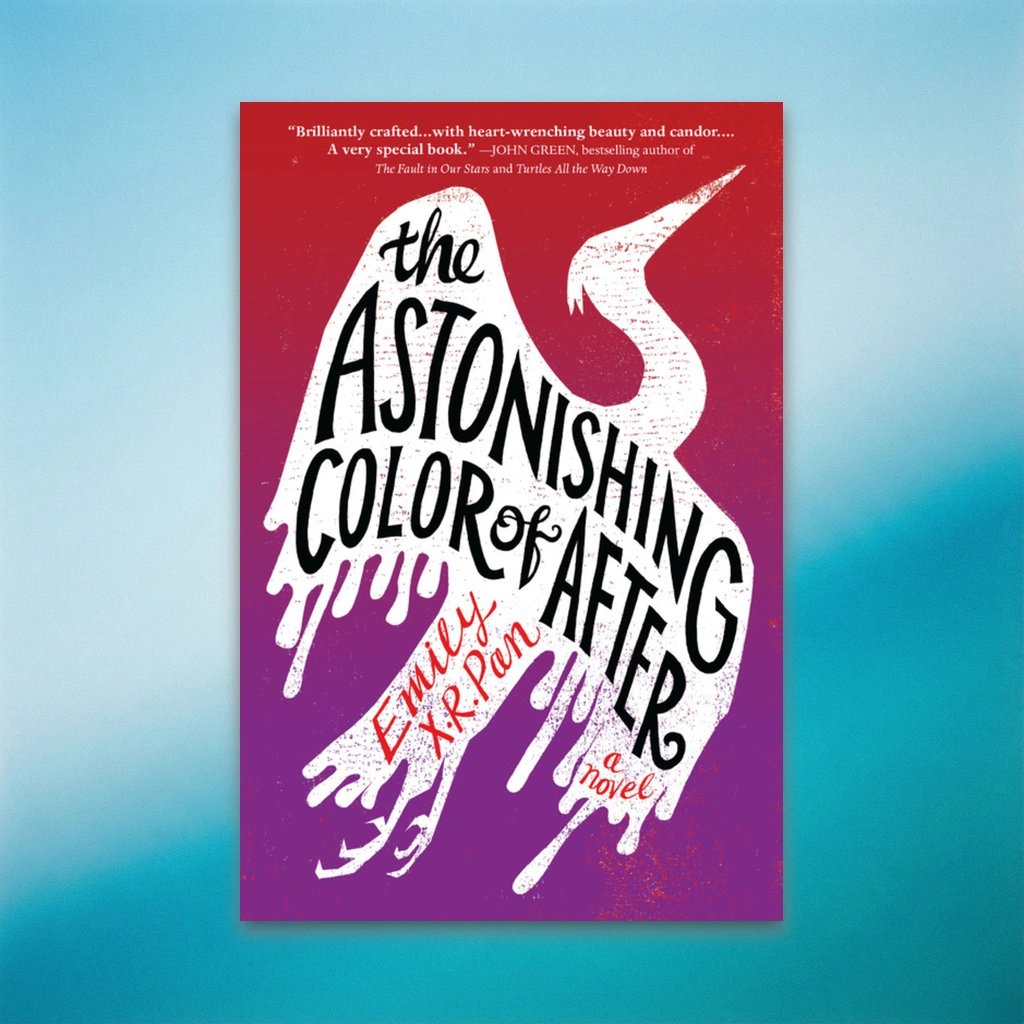
After her mother's suicide, Leigh travels to Taiwan to meet her maternal grandparents for the first time. She's convinced her mother has been reincarnated as a bird—a giant red bird that appears to her in moments of grief—and she's determined to find her, to understand why she left, to say goodbye.
Emily X.R. Pan's debut is stunning. It blends magical realism with raw, honest grief, creating a narrative that feels both dreamlike and achingly real. The book explores depression, cultural identity, family secrets, and the complicated legacy of intergenerational trauma, all while following Leigh's journey through Taiwan as she pieces together her mother's past.
Pan's prose is gorgeous—lyrical and precise, full of vivid imagery and color. (The title isn't an exaggeration; this book is saturated with color, using it to convey emotion in a way that's both subtle and powerful.) The novel also features a sweet, tentative romance and a complicated friendship that feels deeply authentic.
If you loved the way TFIOS balanced humor and heartbreak, you'll appreciate how Pan weaves moments of lightness and beauty into an otherwise devastating story. It's a book about learning to live with loss, not move past it.
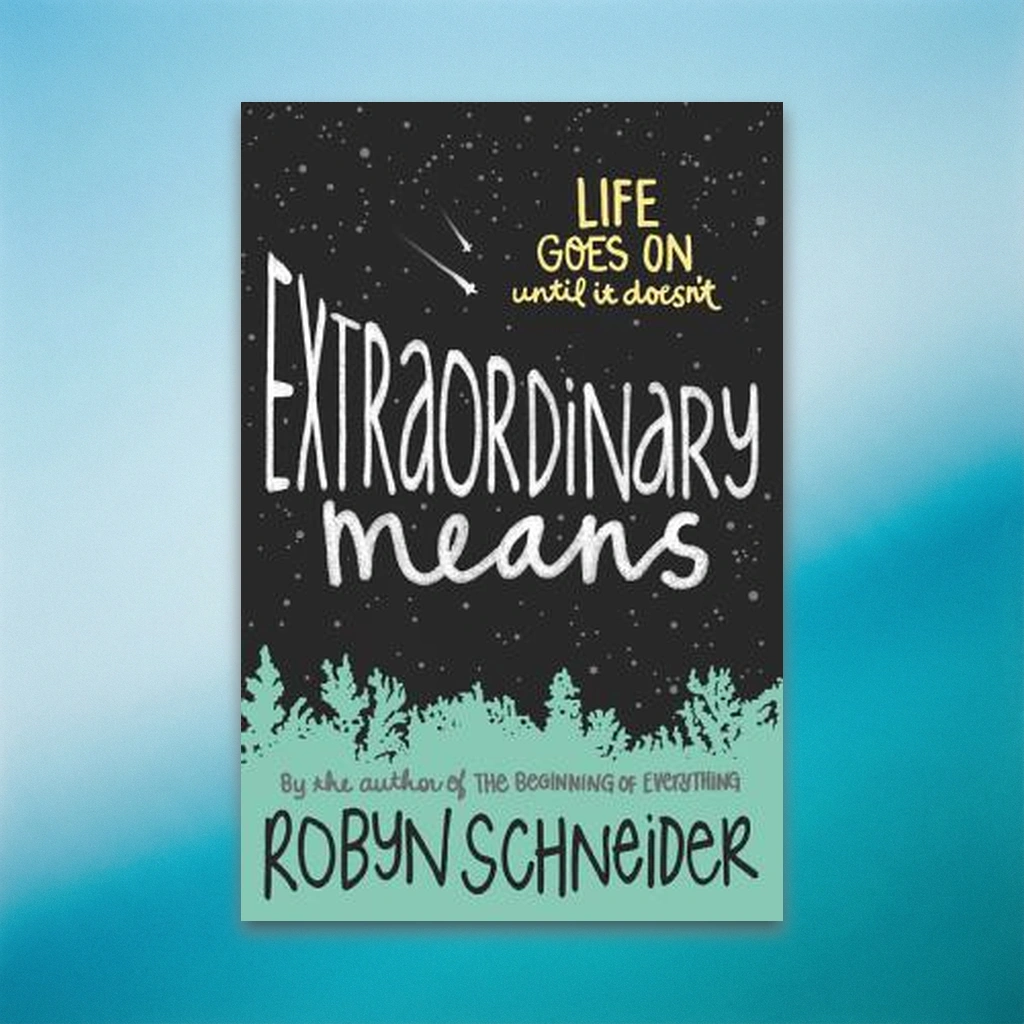
Lane is a high-achieving, Ivy-bound overachiever whose plans are derailed when he's diagnosed with a drug-resistant strain of tuberculosis. He's sent to Latham House, a sanatorium in the California mountains, where he meets Sadie, a witty, rebellious girl who refuses to let her illness define her. Together with a group of other patients, they form a tight-knit community, finding friendship and first love in the most unexpected place.
Robyn Schneider's novel is heavily influenced by The Magic Mountain (Thomas Mann's tuberculosis sanatorium novel from 1924), but it's also very much in conversation with TFIOS. Like Hazel and Augustus, Lane and Sadie are smart, funny, self-aware teenagers who refuse to wallow in self-pity. They quote books, debate philosophy, and fall for each other even though they know their time together is limited.
What sets this book apart is its focus on community. It's not just about the central romance; it's about the whole group of kids at Latham House and the way they support each other, challenge each other, and create meaning together. The ending is bittersweet and complicated in a way that feels true to life.
Maddy has never left her house. She can't. She has SCID (severe combined immunodeficiency), which means even the smallest germ could kill her. Her whole world is her hermetically sealed house, her mother, and her nurse. Then Olly moves in next door, and suddenly Maddy wants more. She wants to live, even if it means risking everything.
Nicola Yoon's debut is a quick, compulsively readable romance that also grapples with questions about autonomy, risk, and what it means to truly be alive. The book has a twist that I won't spoil, but it complicates the narrative in interesting ways, forcing readers to think about control, trust, and the stories we're told about our own lives.
The novel also features illustrations, charts, and lists throughout, giving it a visual component that enhances the reading experience. Maddy's voice is funny and sharp, never maudlin, and her relationship with Olly is genuinely swoon-worthy. It's a lighter read than some of the others on this list, but it still packs an emotional punch.
Look, I'm not going to lie to you: if you pick up any of these books, you're probably going to cry. Maybe a lot. But you're also going to laugh, and swoon, and feel deeply, deeply alive. That's the gift of books like The Fault in Our Stars—they remind us that love and loss are two sides of the same coin. That the things that hurt us most are often the things that make us most human. That even in the face of impossible odds, we can choose to live boldly, love fiercely, and leave our mark on the world, however small.
So grab some tissues, clear your schedule, and dive in. Your heart might break a little. But I promise, it'll be worth it.
Some of the links above are affiliate links. If you purchase through them, CritiReads may earn a small commission at no additional cost to you. This helps support our work!