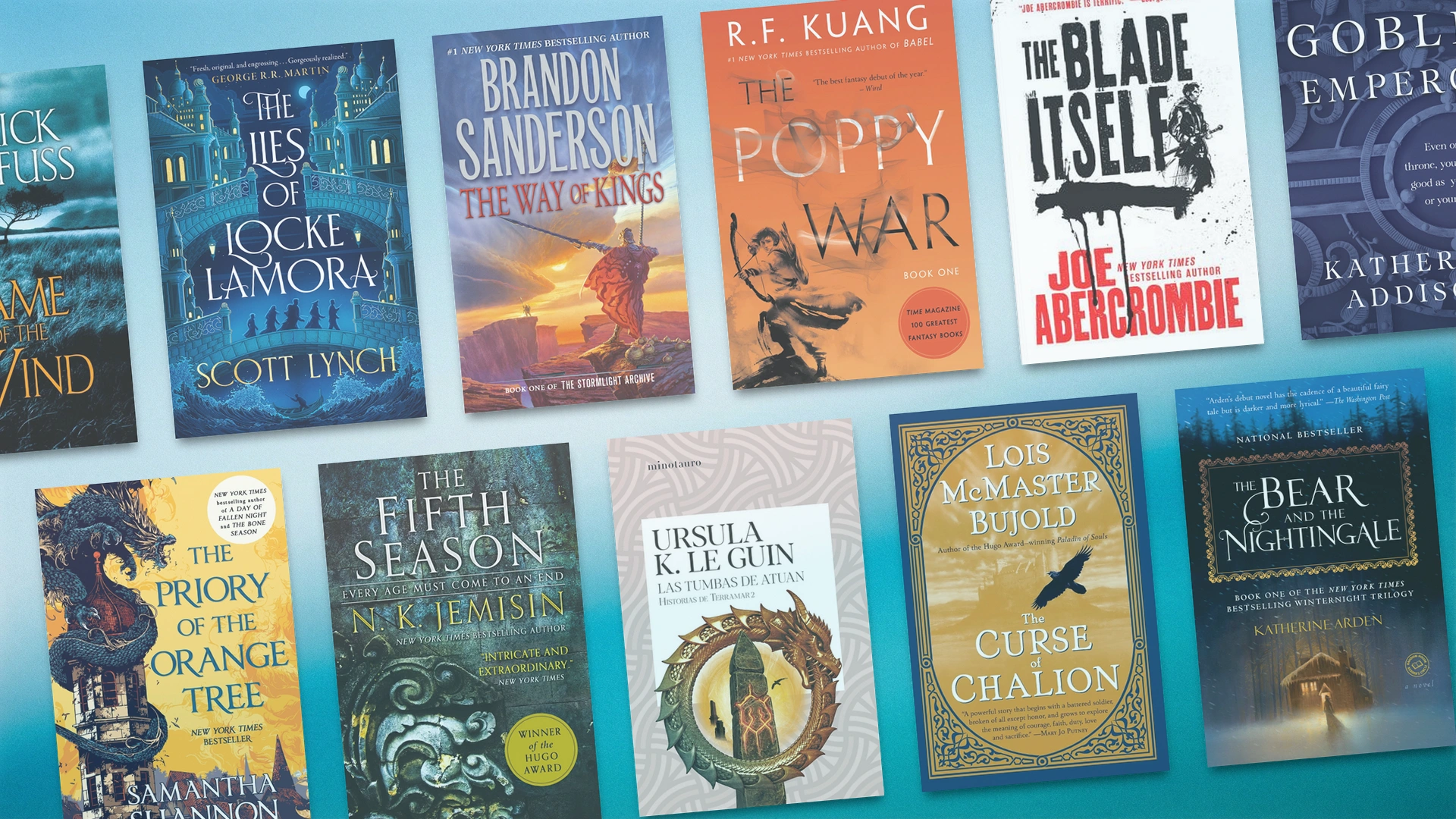
Look, I get it. You've finished The Lord of the Rings for the third time. Maybe the fourth. You've watched the extended editions until you can quote Gandalf's speeches verbatim. You know exactly which chapter makes you cry. (For me? The Grey Havens. Every single time.) And now you're sitting there, staring at your bookshelf, wondering if anything will ever make you feel the way Tolkien's masterpiece did—that sense of being utterly, completely transported to another world where the fate of entire civilizations hangs in the balance, where friendships are forged in fire, where even the smallest person can change the course of history.
Here's the thing: nothing will be exactly like The Lord of the Rings. But that doesn't mean there aren't other books out there that can scratch that same itch. Books that will make you late for work because you absolutely cannot put them down. Stories that will have you dreaming about fictional landscapes and rooting for characters as if they were real people you'd lay down your life for.
I've spent over a decade reading fantasy. The good, the bad, the "why did I waste my time on this." And I've found books that capture different elements of what makes Tolkien's work so special—the epic scope, the intricate world-building, the unlikely heroes, the languages (oh, the languages), the sense that you're reading something that matters. Something that will stay with you long after you've turned the final page.
So if you're ready to fall in love with another world, here are the books you need to read.
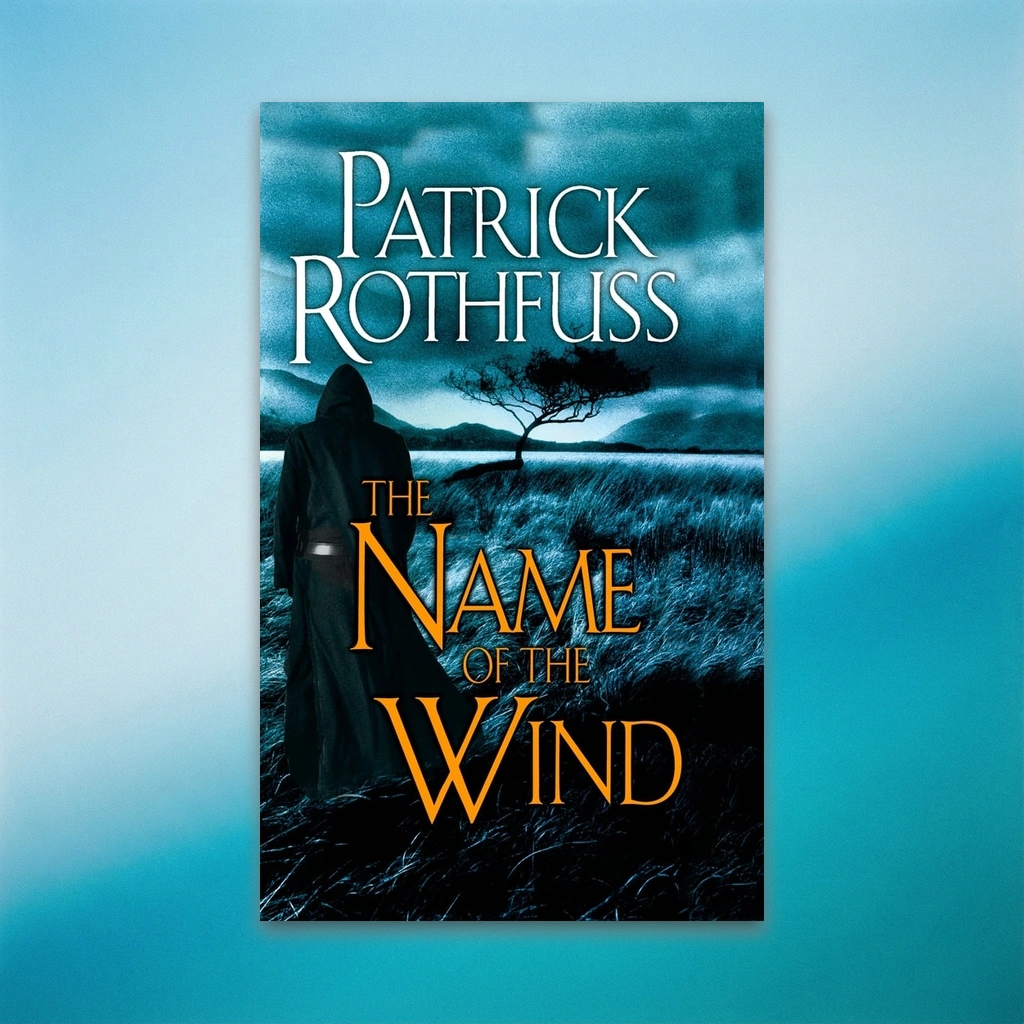
This one's for the people who loved Tolkien's attention to detail. Rothfuss writes like a musician composing a symphony. Every word matters. The story follows Kvothe, an innkeeper with a mysterious past who agrees to tell his story—the true story—over the course of three days. As he recounts his journey from a gifted child in a traveling troupe to a legendary figure whose name is spoken with equal parts reverence and fear, you'll find yourself completely absorbed in a world where magic is studied like science, where music has power, and where the line between truth and legend blurs beautifully.
The prose is gorgeous. Genuinely, stunningly beautiful in a way that recalls Tolkien's more lyrical passages. And like The Lord of the Rings, this isn't a book you rush through. You savor it. You let it wash over you. Fair warning: the third book isn't out yet, and fans have been waiting since 2011. But the first two books are so phenomenal that the wait is almost—almost—worth it.
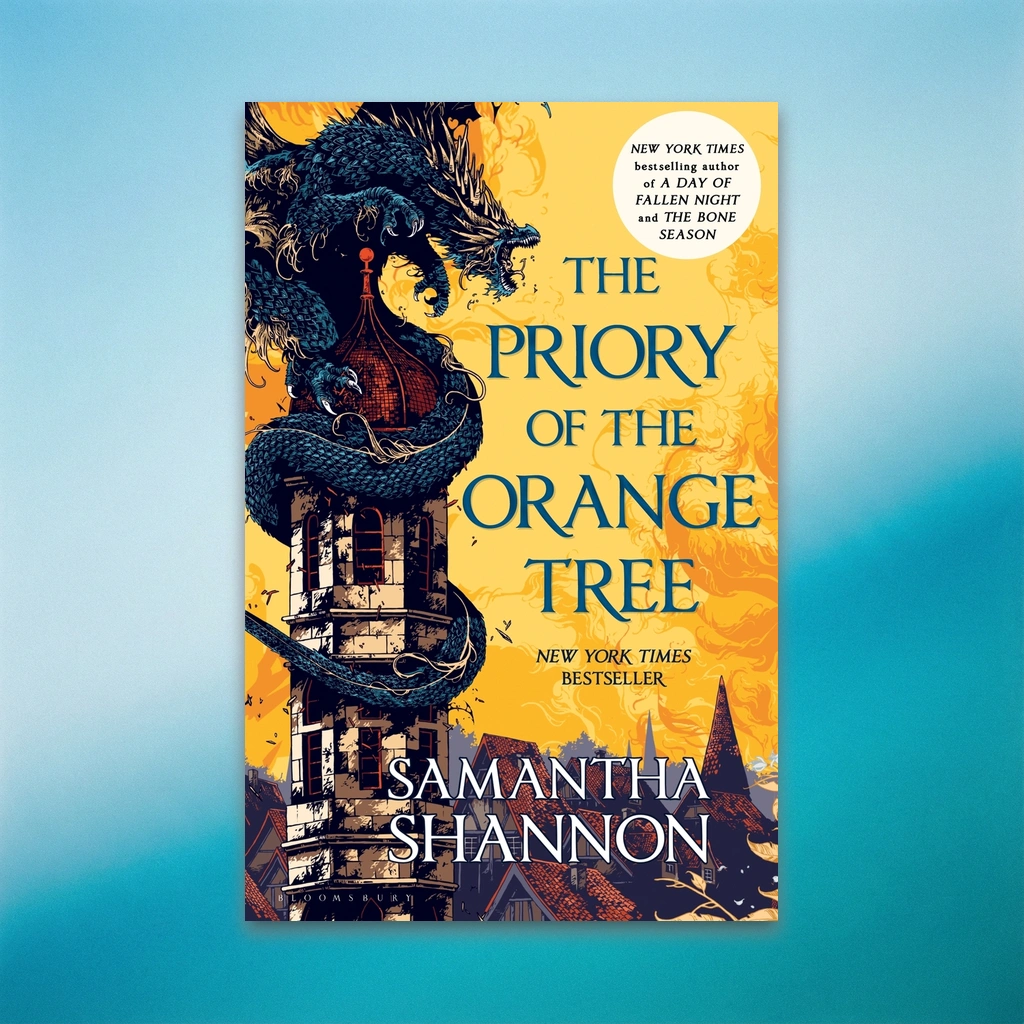
Want an epic that feels truly epic? This standalone fantasy clocks in at over 800 pages, and every single one of them earns its place. Shannon has created a world split between East and West, where dragons are either worshipped or feared, where an ancient evil is stirring, and where the fate of the realm rests on the shoulders of a few determined individuals who must overcome centuries of mistrust and prejudice.
The world-building here rivals Tolkien's in scope. Shannon has thought through everything—the religions, the political systems, the histories, the myths. But what really makes this book sing is the characters. You've got a queen trying to protect her throne without a husband. An outsider who becomes her secret protector. A dragon rider from the East. A young man chasing legends in the South. Their stories weave together in ways that will leave you breathless.
And yes, there are dragons. Glorious, terrifying, magnificent dragons.
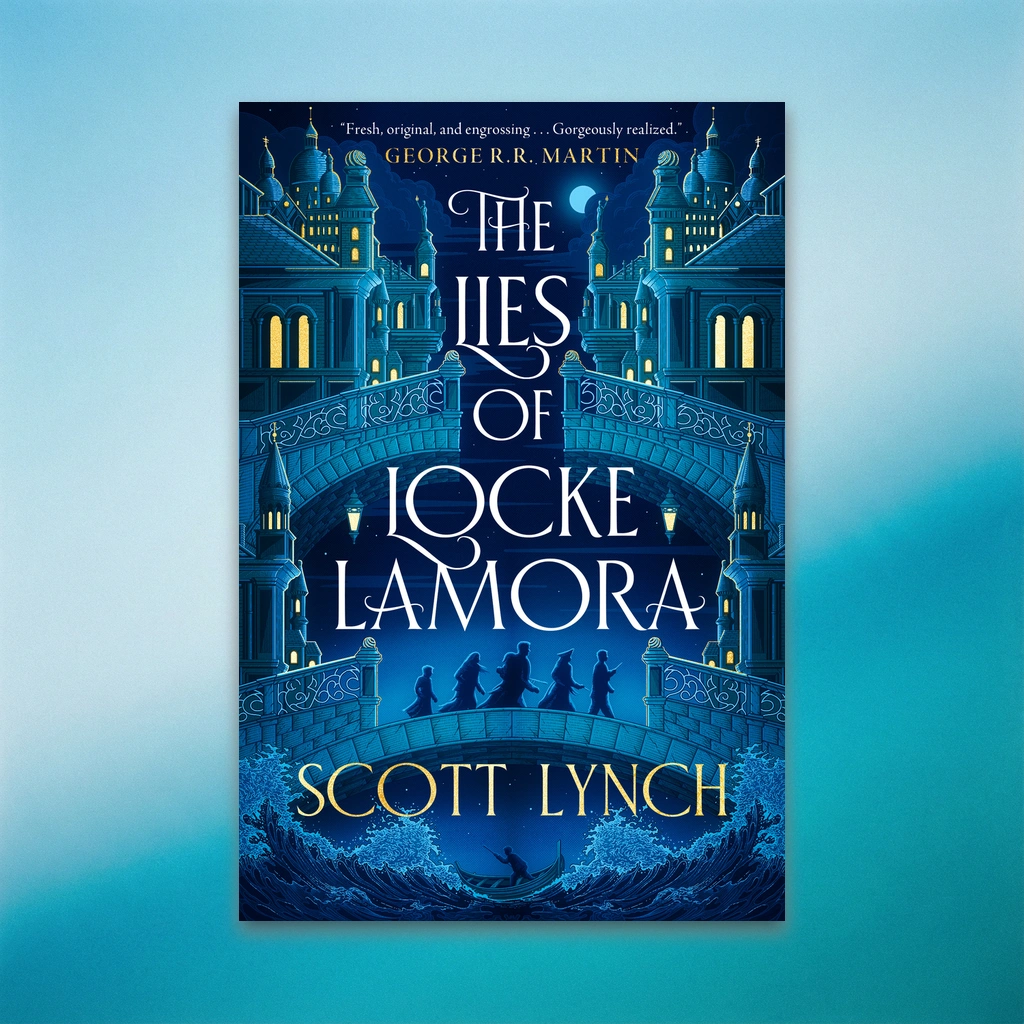
Okay, so this one's a bit different. It's not high fantasy in the Tolkienesque sense—there's no Dark Lord to defeat, no quest to save the world. But if what you loved about The Lord of the Rings was the fellowship, the found family aspect, the sense of a group of people who would die for each other, then Scott Lynch's Gentleman Bastards series will grab you by the throat and not let go.
Locke Lamora is a con artist. A thief. The kind of character who shouldn't be likeable but absolutely is. Along with his crew of fellow orphans-turned-criminals, he pulls off elaborate heists in the city of Camorr, a fantasy version of Venice where nobles wear shark teeth and the underworld is governed by a mysterious figure called the Capa. The banter between characters crackles with life. The plot twists will make you gasp out loud. And the friendship at the heart of the story—particularly between Locke and his best friend Jean—has that same depth and loyalty you found in Frodo and Sam.
It's funny. It's heartbreaking. It's violent and clever and so, so good.
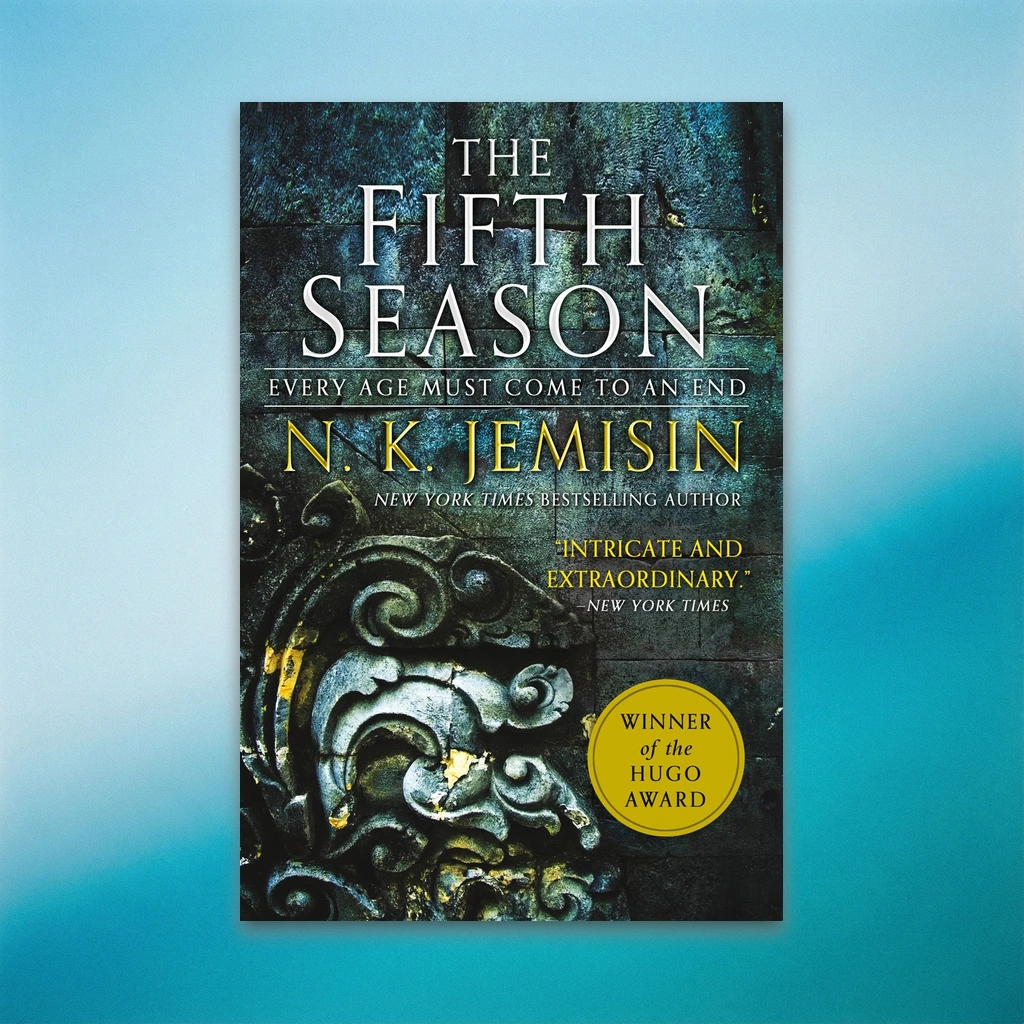
This is where fantasy gets innovative. Jemisin won three consecutive Hugo Awards for her Broken Earth trilogy, and for good reason. This isn't your standard medieval European fantasy world. Instead, Jemisin has created a world that is literally, actively trying to kill its inhabitants—a supercontinent called the Stillness where catastrophic seismic events called "Fifth Seasons" regularly destroy civilizations.
The magic system is unlike anything you've read before. The protagonists are complex and flawed and absolutely compelling. And the world-building? It's as intricate and fully-realized as Middle-earth, just in a completely different way. Jemisin has thought through the geology, the sociology, the history, the oppression, the survival mechanisms. Everything.
This trilogy asks big questions about power, about oppression, about what we're willing to sacrifice for those we love. It's challenging. It's brilliant. And like Tolkien's work, it's the kind of fantasy that expands what the genre can do.
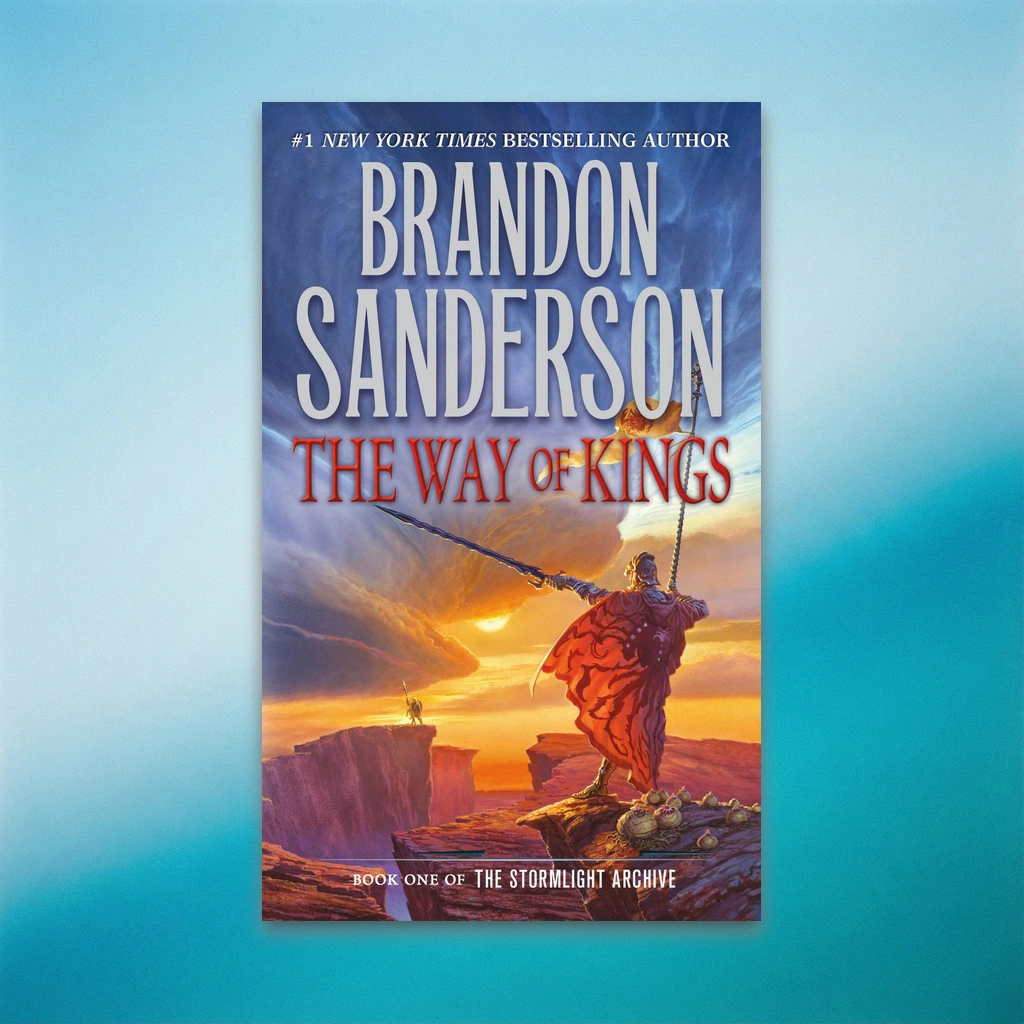
If you want more—more pages, more world-building, more magic systems, more everything—then Brandon Sanderson's Stormlight Archive is calling your name. The Way of Kings is the first book in a planned ten-book series, and each book is massive. We're talking 1,000+ pages.
But here's why it works: Sanderson is a master of magic systems. He creates rules, limitations, costs. Magic in his worlds makes sense in a way that's deeply satisfying. The world of Roshar is utterly alien—plants that retract when touched, massive storms that reshape the landscape, creatures that have evolved to survive in this harsh environment. And yet it all feels real.
The characters are what keep you turning pages, though. You've got Kaladin, a surgeon's son who becomes a soldier and then a slave, trying to protect the people around him even as everything falls apart. Shallan, a young woman desperate to save her family, who discovers she has powers she doesn't understand. Dalinar, an aging warlord haunted by visions he can't explain. Their stories interweave in ways that will have you staying up until 3 AM because you absolutely must know what happens next.
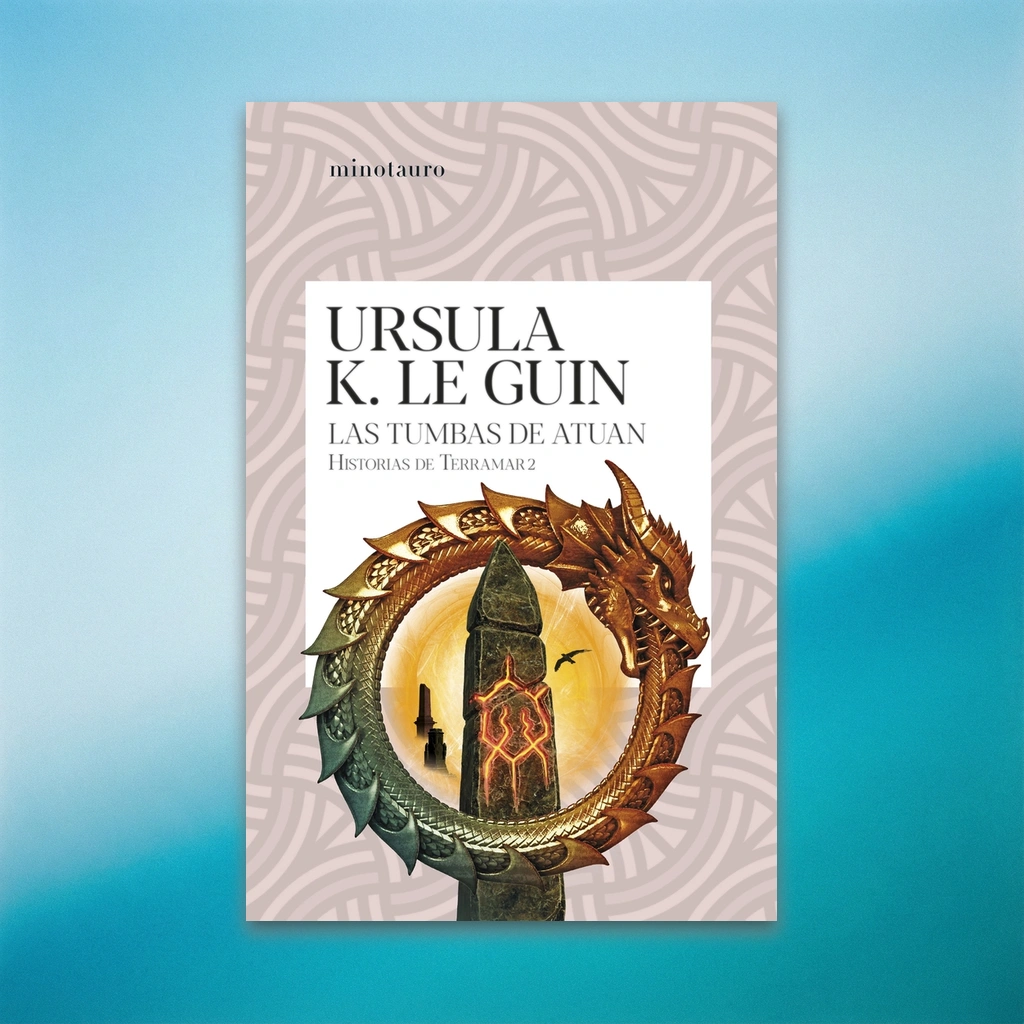
Sometimes you need to go back to the classics. Le Guin's Earthsea books, starting with A Wizard of Earthsea, were published in the late 1960s and early 1970s, and they've influenced virtually every fantasy writer who came after. Including, I'd argue, aspects of Tolkien's own later work.
These books are quieter than The Lord of the Rings. More introspective. They're about balance, about naming, about the responsibility that comes with power. The protagonist, Ged, is a young wizard who must learn that magic isn't about domination or control, but about understanding and equilibrium. The world of Earthsea—an archipelago of islands scattered across a vast ocean—feels ancient and mysterious in the best way.
Le Guin's prose is elegant. Precise. Every word chosen with care. And the themes she explores—identity, mortality, the nature of evil—are as relevant now as they were fifty years ago. If you loved the more philosophical aspects of Tolkien's work, you'll find a lot to appreciate here.
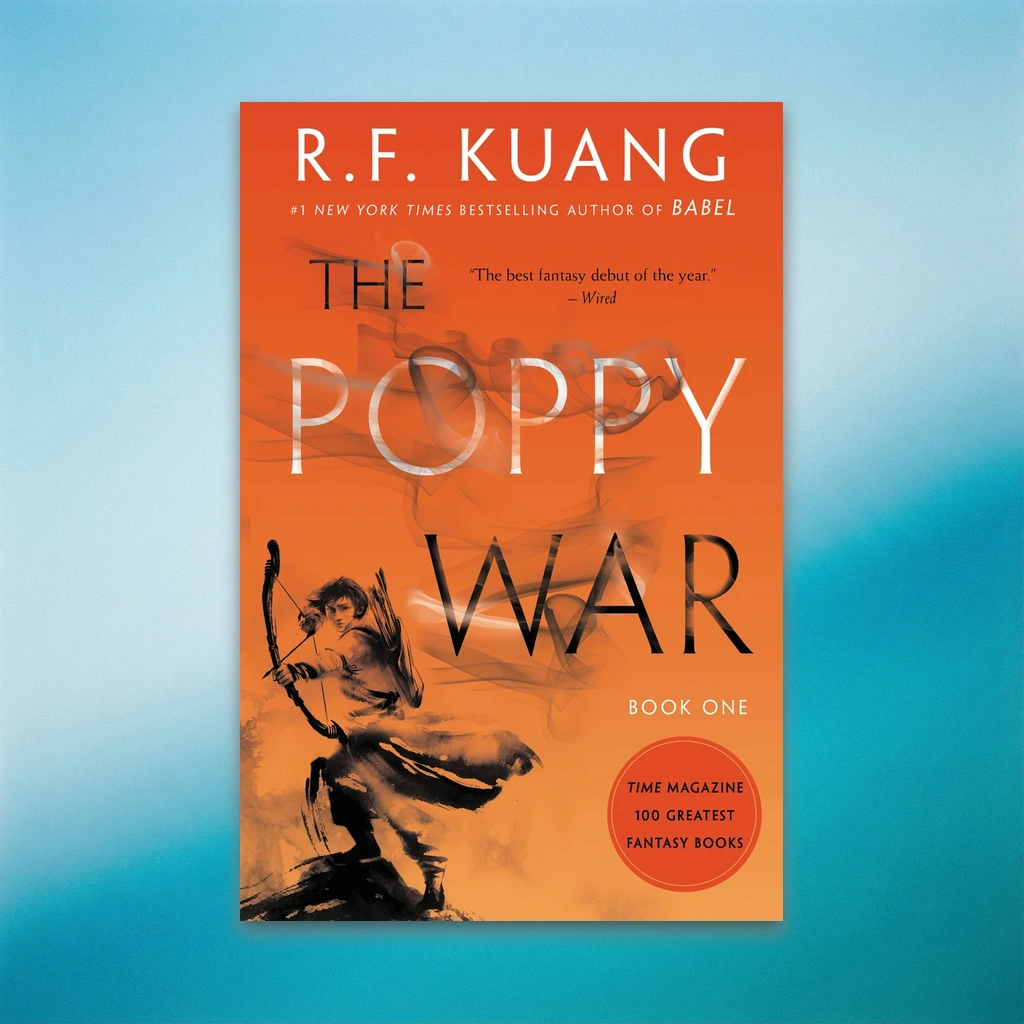
This one comes with a content warning: it's dark. Brutally, unflinchingly dark. Inspired by the Second Sino-Japanese War and the Rape of Nanking, The Poppy War doesn't shy away from the horrors of war and genocide. But if you appreciated how Tolkien grappled with the trauma of World War I in his work, how he showed that victory comes at a terrible cost, then Kuang's trilogy will resonate with you.
Rin is a war orphan who aces the Empire-wide test and earns a place at the most elite military academy. She's scrappy, determined, willing to do whatever it takes to succeed. As war breaks out and Rin discovers she has a terrifying power—the ability to call upon the gods—she's forced to make impossible choices. Choices that will haunt her.
The world-building draws from Chinese history and mythology rather than European sources, which makes it feel fresh and different. The magic system is visceral and dangerous. And the exploration of what war does to people, how it changes them, how easy it is to become the monster you're fighting—it's devastating and powerful.
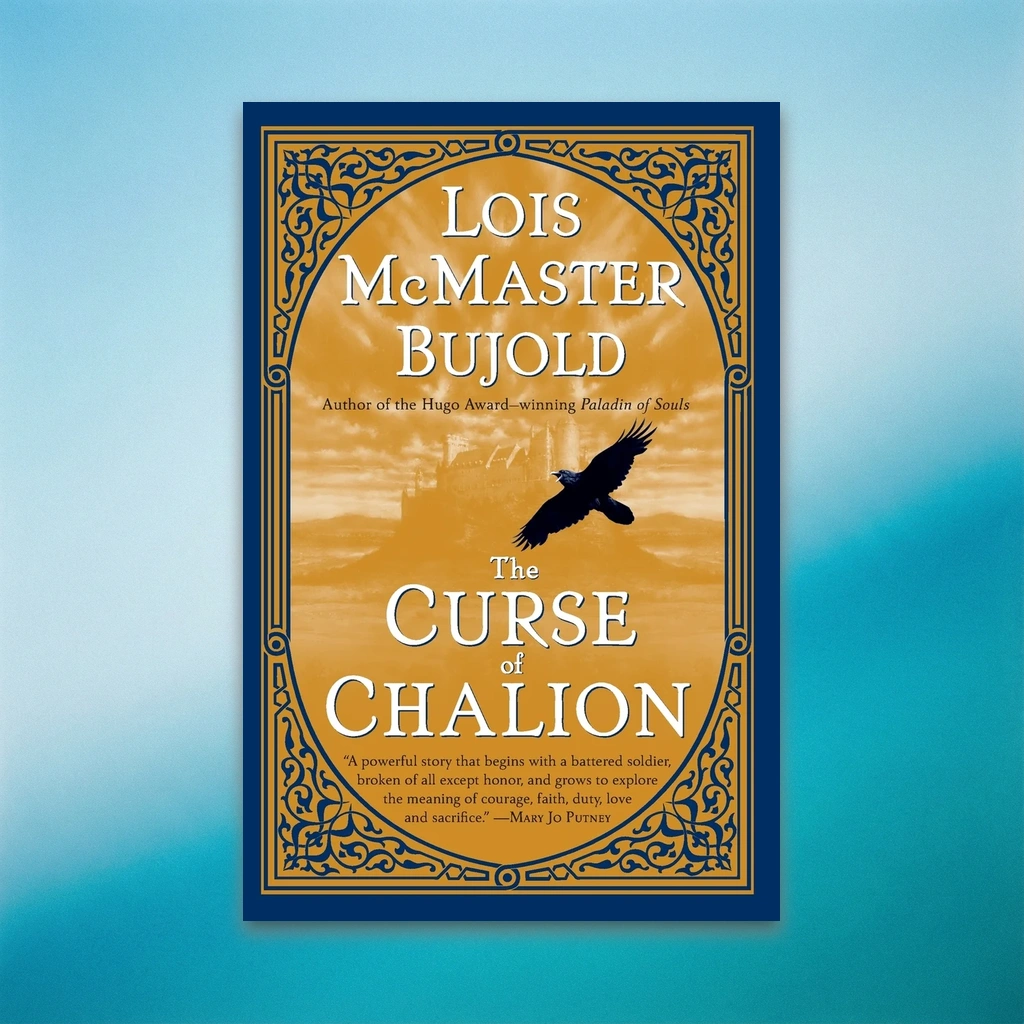
Here's a book that deserves far more attention than it gets. Bujold is best known for her science fiction, but The Curse of Chalion is a masterclass in character-driven fantasy. The protagonist, Cazaril, is a broken man—a former courtier and soldier who was betrayed, enslaved, and left for dead. When the story opens, he's just trying to survive.
What makes this book special is how it handles faith and doubt, destiny and free will. The gods in this world are real and active, but their interventions come at a cost. Cazaril finds himself caught up in court intrigue, protecting the young royals he's been hired to tutor, and slowly, painfully, finding reasons to hope again.
The plot is intricate without being convoluted. The relationships feel genuine. And there's a quiet heroism to Cazaril that recalls Frodo—he's not a warrior or a chosen one. He's just someone trying to do the right thing, even when it costs him everything.
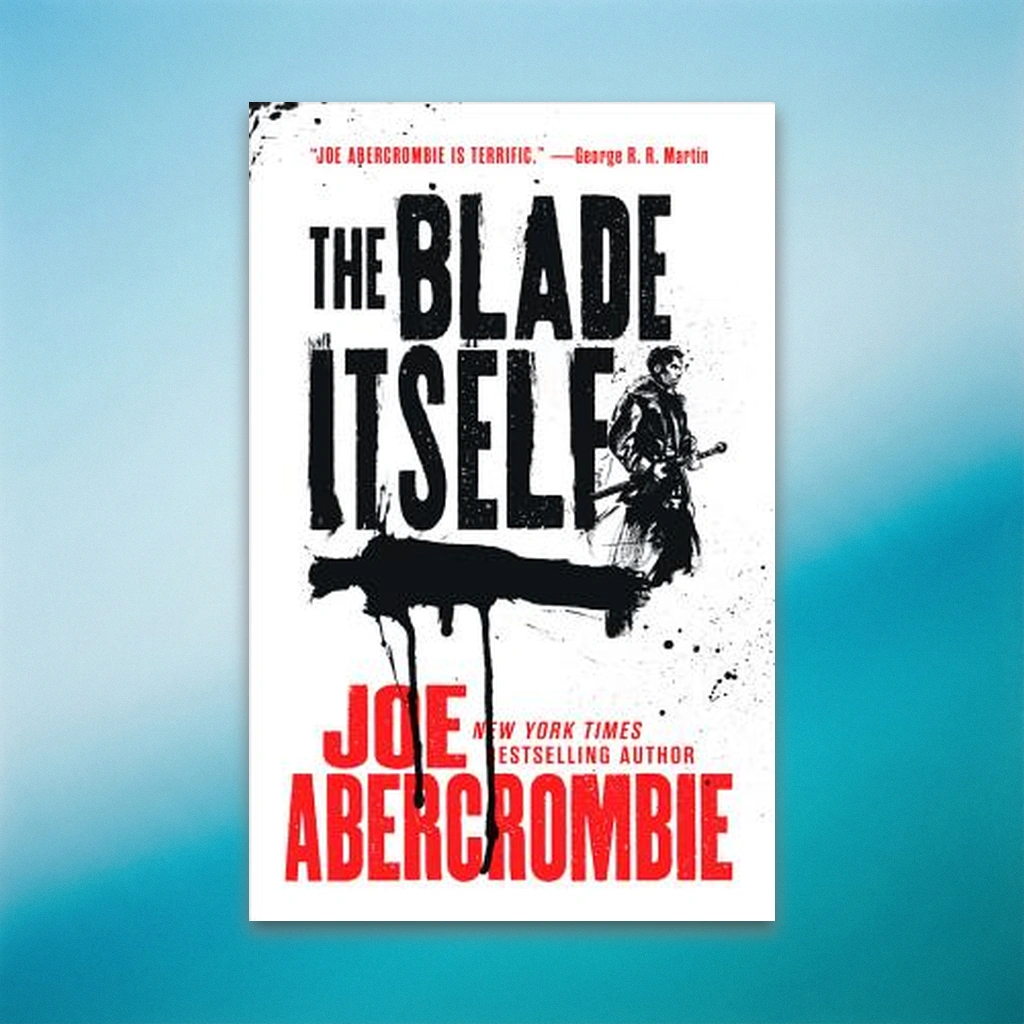
What if Tolkien wrote grimdark? That's not quite what Abercrombie is doing, but his First Law trilogy takes many of the tropes of epic fantasy and turns them on their head. The "heroes" are morally compromised at best. The barbarian warrior has a philosophical streak. The torturer might be the most honorable person in the book. The young nobleman desperate to prove himself is kind of an idiot.
It's cynical, sure. Violent, absolutely. But it's also wickedly funny and incredibly well-written. Abercrombie has a gift for action scenes that feel visceral and real, and his characters are complex in ways that make them fascinating to read about even when you don't particularly like them.
If you've read The Lord of the Rings multiple times and you're ready for something that interrogates the genre rather than celebrating it, this is your entry point.
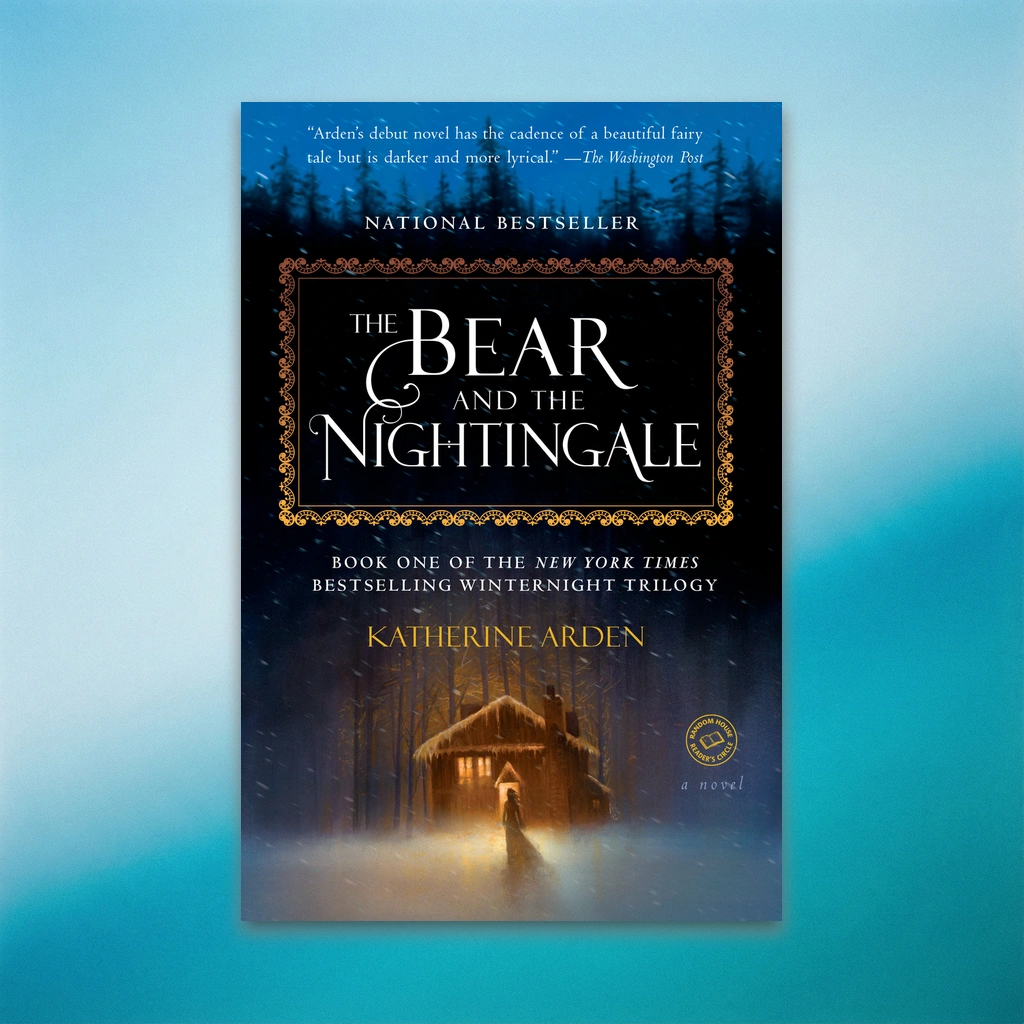
Sometimes you want your fantasy to feel like a fairy tale. Not a Disney fairy tale—a real one, with teeth and danger and magic that doesn't always follow rules you understand. That's what Katherine Arden delivers in her Winternight trilogy.
Set in medieval Russia, the story follows Vasilisa, a young woman who can see the household spirits and protective entities that most people have stopped believing in. As Christianity spreads through Russia and the old magic fades, something dark begins to stir. Vasya must navigate a world that fears her gifts, a stepmother who hates her, and forces beyond her understanding.
The atmosphere in these books is incredible. You can feel the cold of the Russian winter, smell the smoke from the fires, hear the whisper of the frost demon. And Vasya is a wonderful protagonist—stubborn, brave, determined to forge her own path even when everyone tells her she can't.
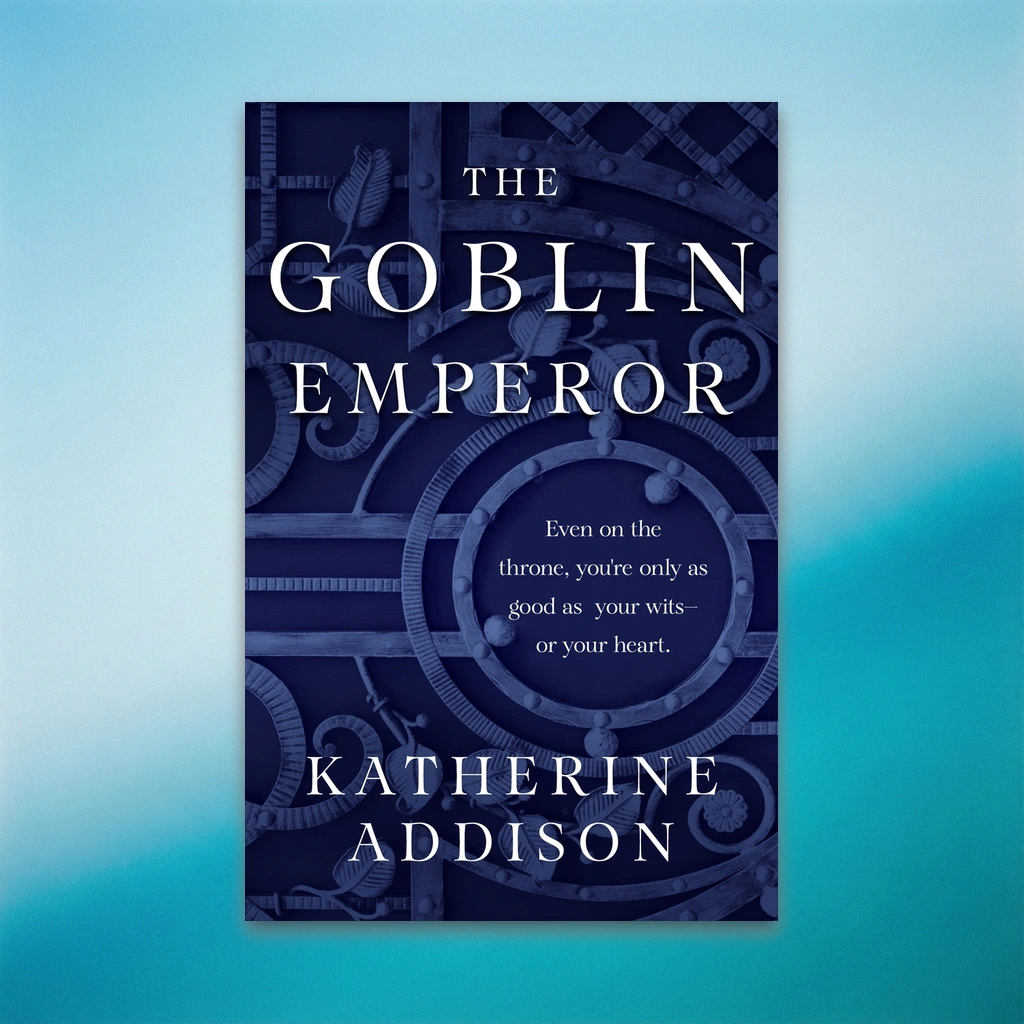
Here's something completely different: a fantasy novel where the main conflict is... court politics and learning to be kind. Maia is the despised youngest son of the emperor, half-goblin, raised in exile and never expected to inherit anything. When his father and older brothers die in an airship accident, he's suddenly thrust onto the throne, completely unprepared and surrounded by people who either want to use him or get rid of him.
There's no quest here. No Dark Lord. No battles. Just a young man trying to be a good emperor, to treat people with decency, to navigate the treacherous waters of court life without losing himself. It's a gentle book in many ways, but that doesn't mean it lacks tension or stakes.
What makes it work is Maia himself. He's kind without being weak, principled without being naive. Watching him figure out how to rule, how to find allies, how to be the person he wants to be despite the system trying to change him—it's deeply satisfying in a way that recalls the hobbits' fundamental decency in The Lord of the Rings.
I could keep going. There are dozens more books I want to tell you about—The Forgotten Beasts of Eld, The Last Unicorn, The Silmarillion (obviously), Jonathan Strange & Mr Norrell, The Night Circus. But here's what I really want you to know: yes, The Lord of the Rings is special. Yes, it's a masterpiece. But that doesn't mean your journey through fantasy literature is over.
These books won't replace Tolkien. Nothing can. But they'll give you new worlds to explore, new characters to love, new stories that will stay with you. They'll remind you why you fell in love with fantasy in the first place—that sense of wonder, that feeling of possibility, that understanding that stories matter.
So pick one. Any one. Clear your schedule. And get ready to fall through a wardrobe into another world. Trust me, it's worth it.
Some of the links above are affiliate links. If you purchase through them, CritiReads may earn a small commission at no additional cost to you. This helps support our work!