
You finished Verity and now nothing else hits quite the same way. You're chasing that specific high — the one where you're simultaneously repulsed and absolutely riveted, where you can't tell if the protagonist is trustworthy or completely unhinged, where manuscripts hide terrible secrets and you're not sure whether to believe a single word you're reading. That delicious, squirmy feeling of loving a book that makes you feel like you need a shower afterward.
I've been there. We've all been there.
The good news? There are more books out there that'll scratch that particular itch. Books with morally gray characters who do unconscionable things. Books with unreliable narrators who make you question everything. Books that are part psychological thriller, part twisted romance, part "what the actual hell did I just read" experience. The kind of stories that live in that shadowy space between love and obsession, between truth and lies, between protection and destruction.
So let me walk you through some reads that capture different elements of what made Verity so compulsively readable. Some lean harder into the dark romance angle. Others go full-throttle into psychological manipulation. A few will make you wonder about the nature of truth itself, especially when it's written down.
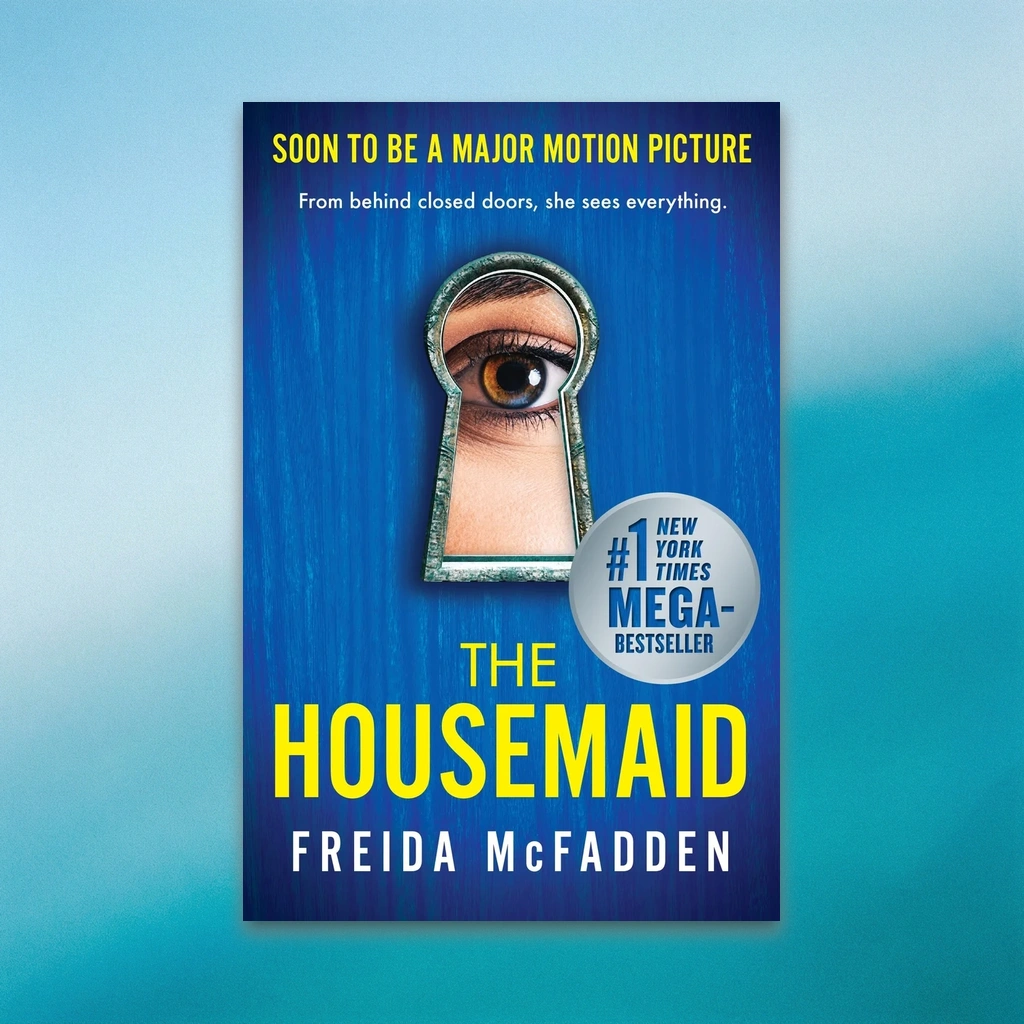
This one's for anyone who loved the power dynamics in Verity. The way Lowen entered that house as a hired hand and found herself pulled into something far more sinister than she bargained for. McFadden's thriller follows Millie, a young woman with a troubled past who desperately needs a job and a place to stay. She lands a position as a live-in housemaid for the wealthy Winchester family in their stunning home. Dream come true, right?
Wrong.
Nina Winchester seems perfect on the surface — beautiful, wealthy, the kind of woman who has everything. But working for her becomes a nightmare. The locked attic. The bizarre rules. The way Nina treats Millie like she's less than human. As Millie uncovers the family's secrets, she realizes she's walked into something dangerous. Something that might cost her everything. The twists come fast and furious, and just when you think you've figured it out, McFadden pulls the rug out from under you. Again. And then again for good measure.
What makes this so Verity-coded is the claustrophobic setting and the way class and power intersect with secrets. Millie, like Lowen, is an outsider entering a world she doesn't fully understand, and the deeper she gets, the harder it becomes to leave.
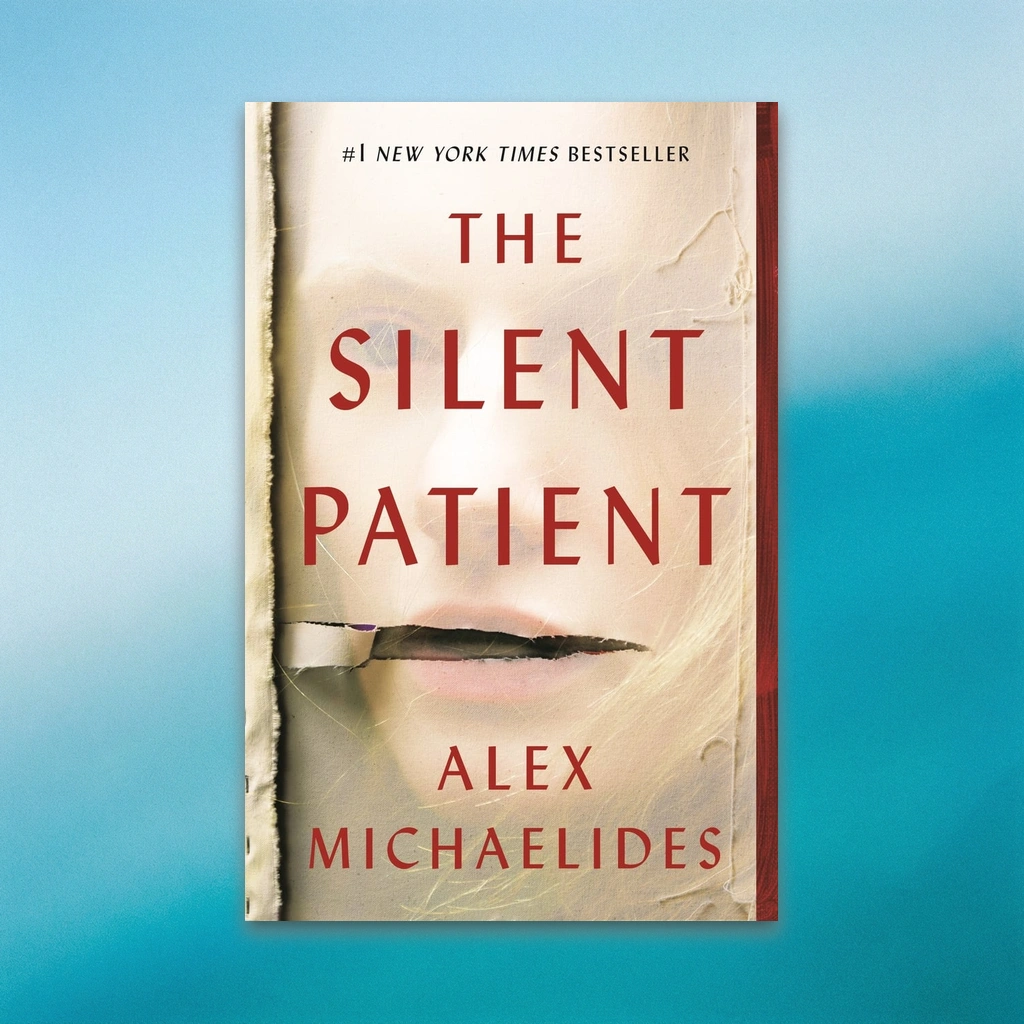
Alicia Berenson had the perfect life. Famous painter. Loving husband. Gorgeous home. Until one evening, she shot her husband five times in the face. And then she never spoke another word. Her refusal to explain herself, to defend herself, to speak at all turns her into a tabloid sensation and lands her in a secure psychiatric facility. Enter Theo Faber, a criminal psychotherapist who becomes obsessed with treating Alicia and uncovering the truth about why she killed her husband.
The manuscript element of Verity gets echoed here through Alicia's diary entries, which Theo discovers. Like Lowen reading Verity's autobiography, Theo becomes consumed by Alicia's written words, trying to piece together what really happened that night. The question of truth versus fiction, of what we can believe when someone puts pen to paper, runs through both novels like a dark thread.
Michaelides crafts an atmosphere of dread that builds slowly, methodically. Each revelation feels earned. Each twist feels inevitable in retrospect, even though you never see them coming. And that ending? That ending. It's the kind of gut-punch that makes you want to immediately flip back to page one and read the whole thing again, knowing what you know now.
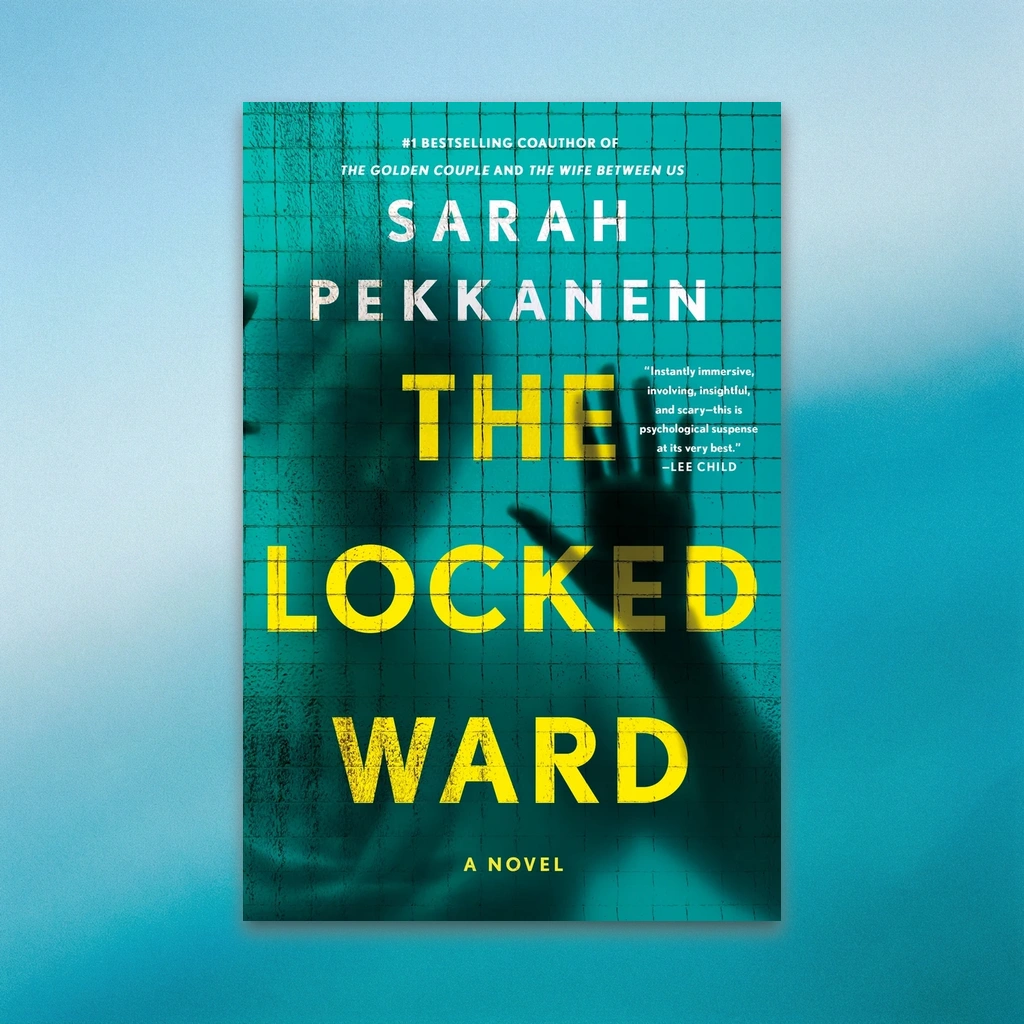
If you loved the way Verity made you question everything — is the manuscript real? Is Verity actually injured? Can we trust Lowen? — then this psychological thriller will be right up your alley. The setup seems straightforward: a woman is obsessed with her husband's new fiancée, watching her, following her, trying to warn her. You think you know where this is going. The jealous ex-wife. The innocent new woman. The man caught in between.
You don't know anything.
Hendricks and Pekkanen are masters of misdirection. Just when you've settled into understanding the story, they shift the perspective and suddenly everything you thought you knew is wrong. The narrative structure plays with time and point of view in ways that keep you constantly off-balance. It's about marriage and obsession and the masks people wear, even with the people who are supposed to know them best.
The authors explore how the same events can be interpreted completely differently depending on who's telling the story. Sound familiar? That's the same territory Verity mines so effectively — the slippery nature of truth when filtered through someone's perspective, someone's agenda, someone's desperate need to be believed.

Amber Patterson is tired of being invisible. She's tired of struggling. She envies the women who seem to have it all — wealth, beauty, power, perfect families. Women like Daphne Parrish. So Amber sets out to befriend Daphne, to infiltrate her life, and ultimately to take everything Daphne has. Including her husband.
But Daphne isn't the naive, trusting woman Amber thought she was.
This domestic thriller is deliciously twisty, with two women playing a complex game of manipulation and deception. The first half is told from Amber's perspective as she executes her plan. The second half shifts to Daphne, and suddenly everything looks different. It's that dual perspective, that question of who's really the villain and who's really the victim, that echoes Verity so effectively.
Constantine (actually a writing duo, Lynne and Valerie Constantine) creates characters who are deeply flawed and morally compromised. Neither woman is entirely sympathetic. Neither is entirely monstrous. They exist in that gray area that makes for the most compelling psychological suspense — the territory where you're not sure who to root for, or if you should be rooting for anyone at all.

Want something that'll make Verity seem tame? Try this deeply unsettling thriller about a seven-year-old girl named Hanna who doesn't speak. At least not to anyone except her beloved father. Her mother, Suzette, is convinced that Hanna's selective mutism isn't a disorder — it's a choice. A weapon. Because Hanna is waging a calculated campaign to destroy Suzette and claim her father for herself.
Is Suzette paranoid and unstable, unable to cope with a challenging child? Or is Hanna genuinely dangerous, a budding psychopath who knows exactly what she's doing? Stage keeps you guessing, alternating between Suzette's first-person perspective and Hanna's unsettling internal monologue. Reading Hanna's thoughts is like reading Verity's manuscript — you're privy to dark, disturbing confessions that may or may not be the truth.
The mother-daughter relationship here is toxic in ways that'll make your skin crawl. Stage doesn't flinch from depicting the ugliest aspects of family dysfunction, the resentments that can fester between parent and child. It's deeply uncomfortable. It's also completely unputdownable.
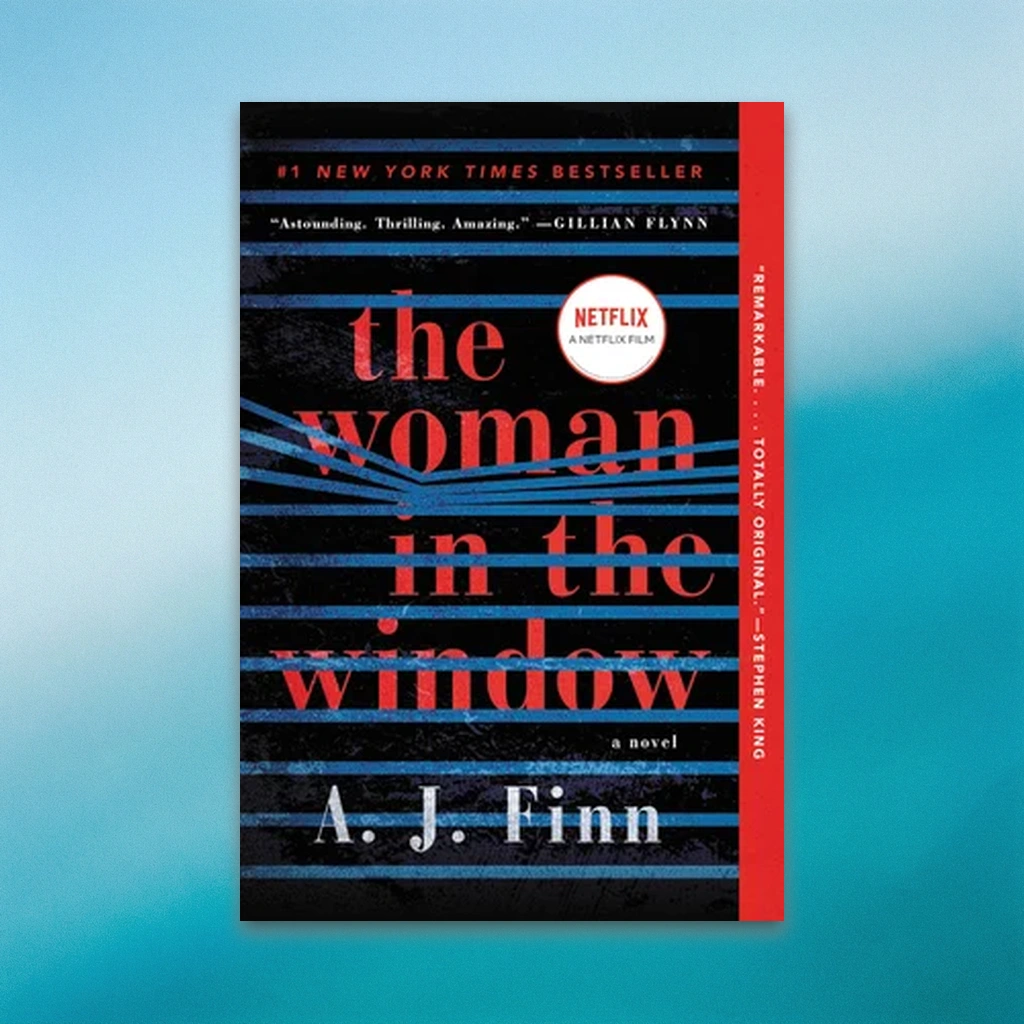
Anna Fox spends her days drinking wine, watching old movies, and spying on her neighbors. Agoraphobia has kept her trapped inside her New York brownstone for months. Then the Russells move in across the street — a picture-perfect family. Anna becomes obsessed with watching them, especially the mother, Jane. When Anna witnesses something terrible through her window, she reports it to the police. But there's a problem: the woman Anna saw isn't the woman claiming to be Jane Russell. And no one believes Anna, an isolated alcoholic with a history of mental illness.
Finn plays with the unreliable narrator trope brilliantly. Like Lowen in Verity, Anna is someone whose grip on reality we're forced to question. Is she seeing what she thinks she's seeing? Are her memories accurate? Can we trust anything she tells us? The novel is steeped in references to classic Hitchcock films, particularly Rear Window, and Finn uses that cinematic quality to create a claustrophobic atmosphere of paranoia and dread.
The twists come hard and fast in the final act, each one recontextualizing everything that came before. It's the kind of book that demands to be read in one sitting, ideally on a stormy night with the curtains drawn.

A couple's marriage is falling apart. To save it, they plan a romantic weekend getaway to a remote Scottish Highlands retreat. No phones. No distractions. Just the two of them, trying to remember why they fell in love in the first place. But as the weekend unfolds, it becomes clear that both of them are hiding secrets. Dark secrets. The kind that destroy marriages. The kind that destroy people.
Feeney structures the novel with alternating perspectives from the husband and wife, plus mysterious letters from the past. Each voice reveals new information, new lies, new reasons to distrust everyone involved. The isolated setting ramps up the tension — they're trapped together in this house, forced to confront truths they've been avoiding for years.
What makes this particularly Verity-esque is the way Feeney explores the performance of marriage, the masks people wear even with their spouses. Both partners are unreliable narrators, both are manipulating the reader (and each other), and the question of who's the real villain becomes increasingly complicated. The ending is genuinely shocking, the kind that makes you want to throw the book across the room (in the best way).
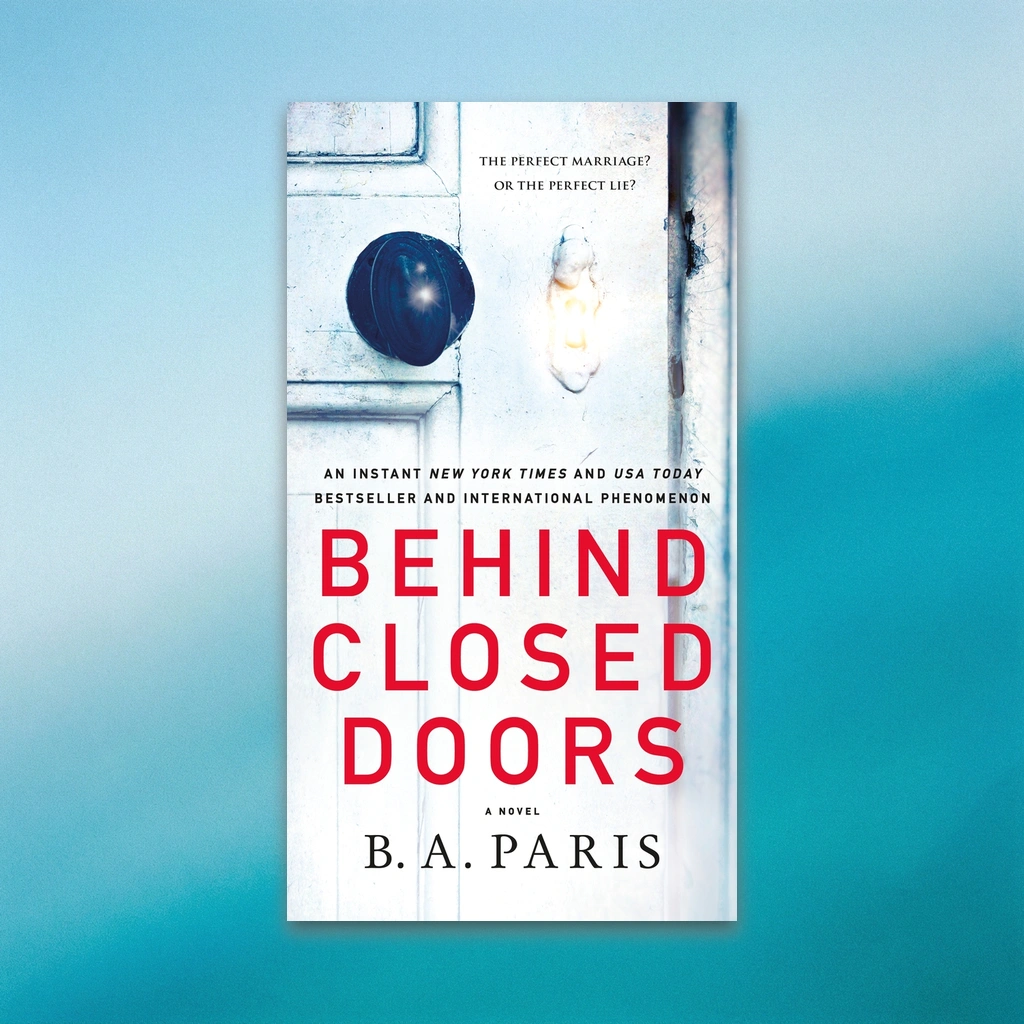
Everyone thinks Grace and Jack have the perfect marriage. He's handsome, successful, attentive. She's beautiful and seems blissfully happy. They're the couple everyone envies. But Grace knows the truth: Jack is a monster. And she's trapped. Paris crafts a claustrophobic psychological thriller about domestic abuse that's somehow both realistic and heightened to an almost Gothic degree.
The novel alternates between "now" and "then," slowly revealing how Grace ended up in this nightmare and what she's planning to do about it. Jack's control over Grace is total and terrifying, and Paris doesn't shy away from depicting the psychological torture he inflicts. It's deeply disturbing in ways that'll remind you of the darkest moments in Verity, those passages that made you wonder how far a person can go, how much evil can hide behind a normal facade.
What Paris does so well is create that sense of wrongness beneath a perfect surface. The marriage that looks idyllic from the outside but is rotting from within. The man who seems charming but is actually calculating every move. It's about the gap between public image and private reality, and how easy it is to hide abuse in plain sight.
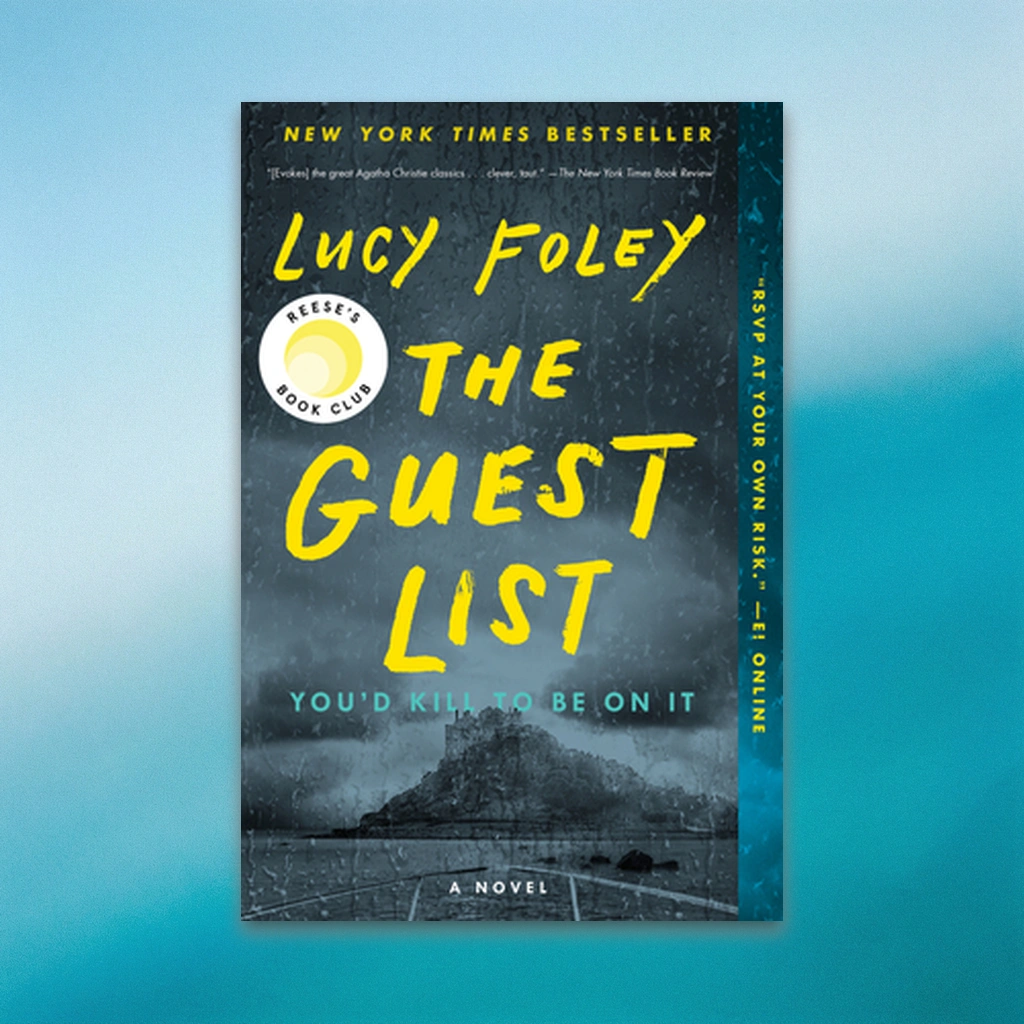
A wedding on a remote Irish island. A celebrity couple. Their glamorous friends. And by the end of the night, someone will be dead. Foley's locked-room mystery (well, locked-island mystery) alternates between multiple perspectives in the lead-up to the wedding and the aftermath of the murder. Everyone has secrets. Everyone has motives. Everyone is lying about something.
The structure here — multiple unreliable narrators, a non-linear timeline, the slow reveal of dark secrets — creates a similar reading experience to Verity. You're constantly piecing together the truth from fragments, trying to figure out what really happened, who's telling the truth, and who's protecting themselves. The isolated setting adds to the claustrophobic atmosphere, and Foley excels at creating characters who seem one way on the surface but are hiding darkness underneath.
The wedding setting is particularly effective because weddings are performances, carefully curated events where everyone is supposed to be happy and everything is supposed to be perfect. But scratch the surface and you find jealousy, resentment, old wounds, and new betrayals. It's a pressure cooker waiting to explode.
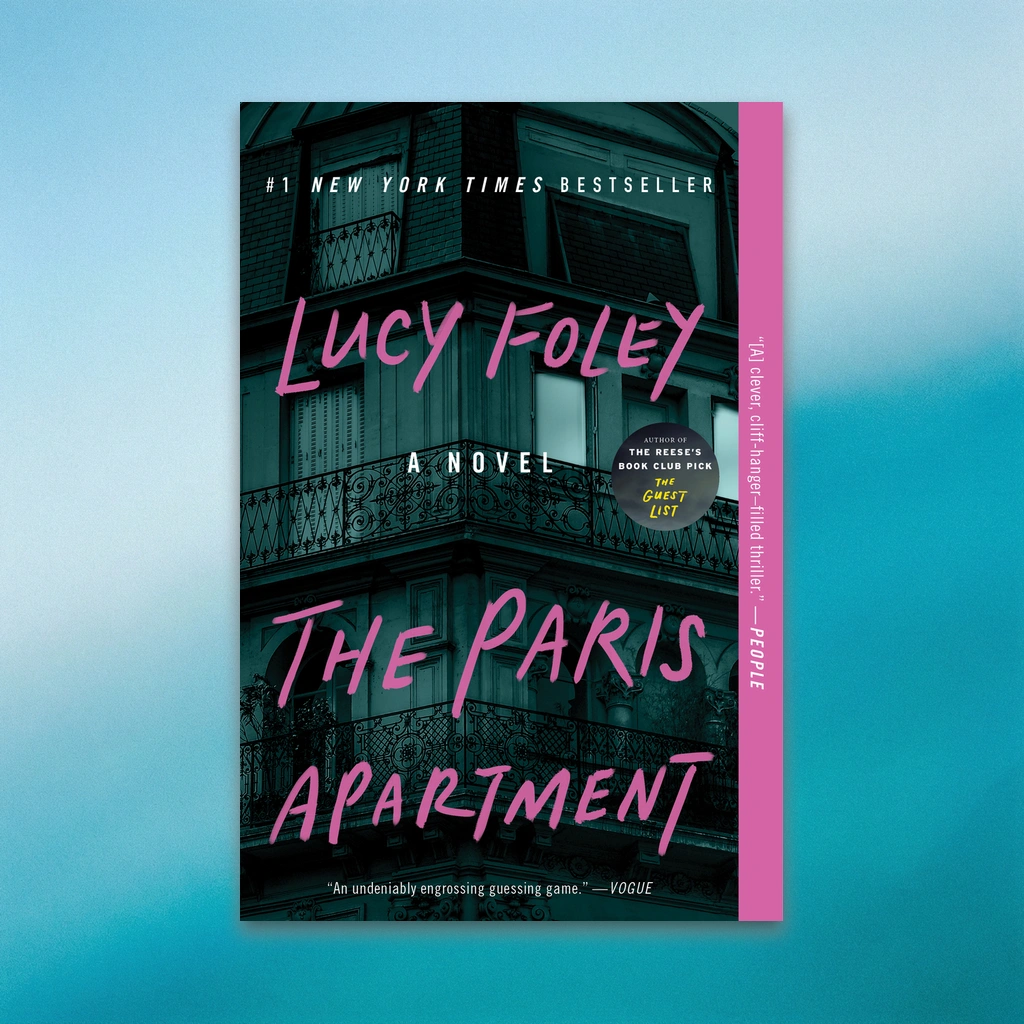
Speaking of Foley, her follow-up to The Guest List is equally compelling. Jess needs a place to stay, so she heads to Paris to crash with her half-brother Ben in his apartment in a beautiful old building. But when she arrives, Ben is missing. And the longer Jess stays in the building, talking to the other residents, the more she realizes everyone is hiding something. About themselves. About each other. And about Ben.
The apartment building becomes a character itself — full of secrets, with hidden passages and locked doors and mysteries in every corner. Each resident has their own chapter, their own perspective, their own lies to tell. Foley creates a mosaic narrative where you're never quite sure who to believe or what's really going on until all the pieces finally click together.
Like Verity, this is a book about uncovering secrets that were meant to stay buried. About realizing that the people around you aren't who you thought they were. About the danger of digging too deep into other people's lives, because once you know the truth, you can't unknow it. And sometimes the truth is deadly.
I could keep going. There are dozens more books that capture different aspects of what makes Verity so compelling — the dark romance, the psychological manipulation, the unreliable narration, the moral ambiguity, the "is this manuscript real or fake" question that haunts you long after you've finished reading.
But here's the thing about trying to recapture that Verity feeling: nothing will be exactly the same. Every book on this list offers something slightly different, its own flavor of twisted, its own brand of "I can't believe I'm reading this." That's actually a good thing. You don't want the same book over and over. You want that same feeling — the compulsion, the unease, the inability to put it down even though part of you wants to look away.
So pick one. Any of them.
Start reading.
And prepare to lose sleep, because once you start down this rabbit hole of dark, twisted psychological thrillers, it's very, very hard to climb back out.
Not that you'll want to.
Some of the links above are affiliate links. If you purchase through them, CritiReads may earn a small commission at no additional cost to you. This helps support our work!