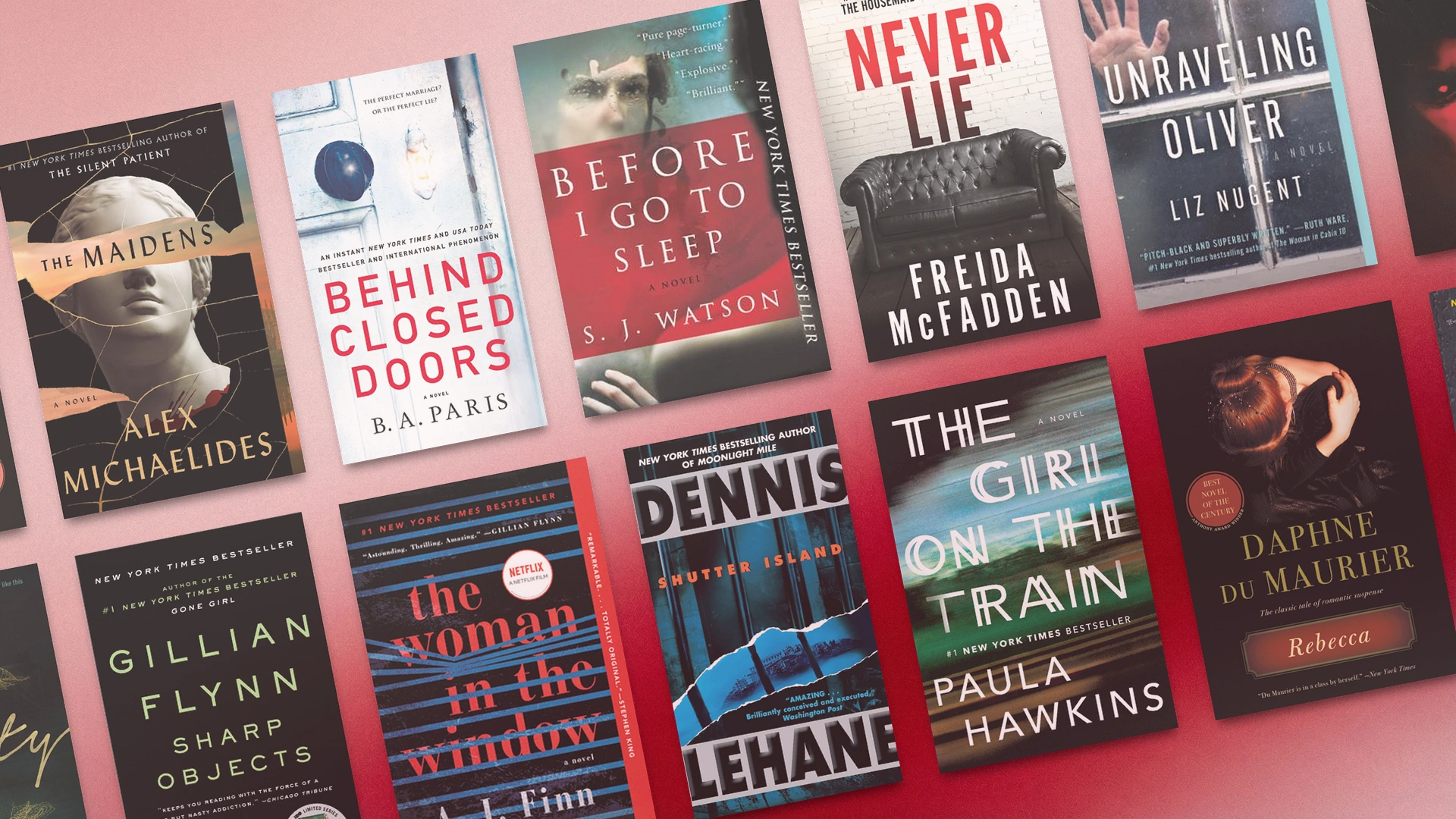
I finished The Silent Patient at 2 AM on a Tuesday. Couldn't sleep afterward. My brain was doing backflips trying to process that twist ending—you know the one I'm talking about if you've read it. Alex Michaelides absolutely destroyed me with that final reveal, and I immediately knew I needed more books that would do the same thing to my psyche. Books that would make me question everything I thought I knew. Stories where the truth lurks beneath layers of lies, manipulation, and unreliable narrators who make you wonder if you can trust anyone.
So if you're like me—still reeling from Alicia Berenson shooting her husband Gabriel five times in the face and then refusing to speak a single word—and desperately searching for your next psychological thriller fix, I've got you covered. I've spent the last few years devouring every twisted, mind-bending thriller I could get my hands on. Some disappointed. Others kept me up way past my bedtime, heart racing, pages flying. These are the ones that delivered.
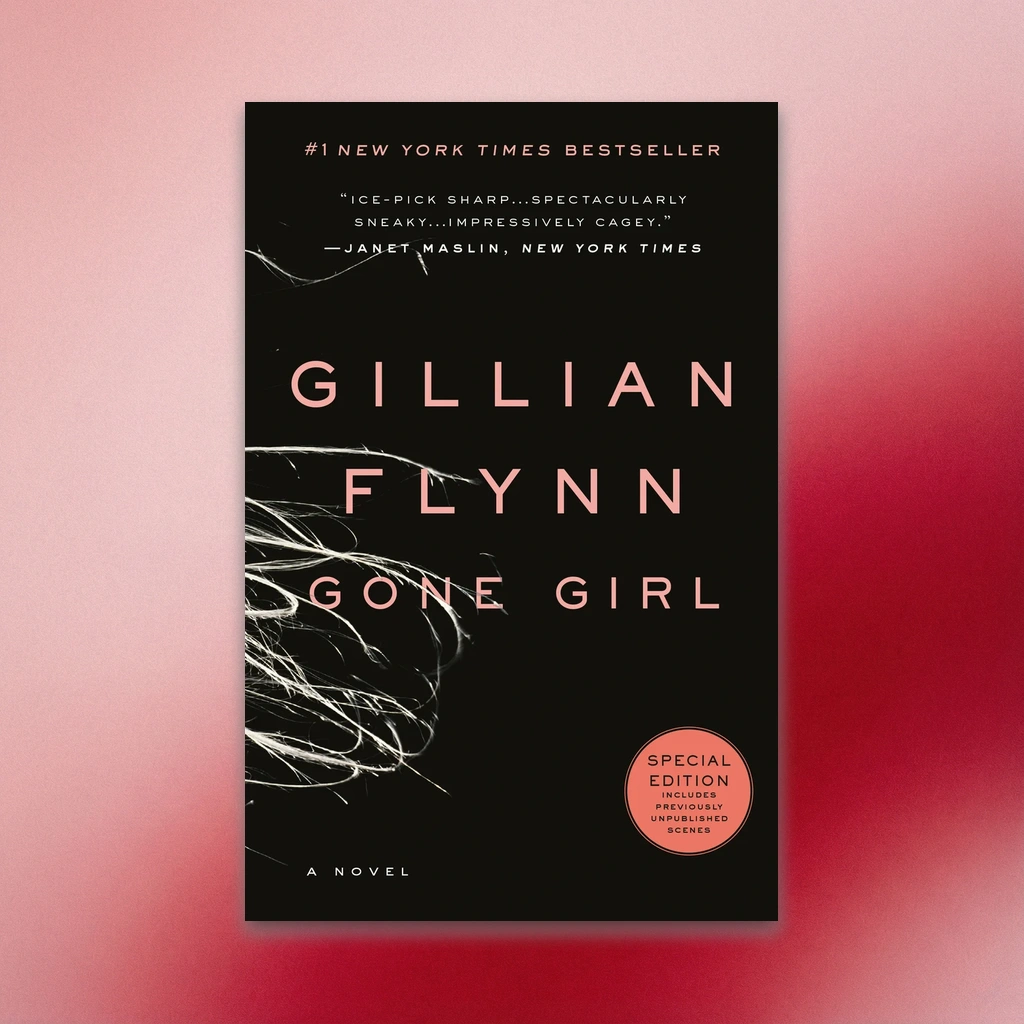
Let's start with the obvious one. If you haven't read this yet, what are you even doing? Flynn's novel became a phenomenon when it was published in 2012, making the New York Times Best Seller list and basically launching a thousand imitators. But here's the thing: none of them quite captured what Flynn did with Nick and Amy Dunne.
On the morning of their fifth wedding anniversary, Amy disappears. Nick becomes the prime suspect. The media descends. And then—oh god, and then—the narrative switches to Amy's present-day perspective, revealing she has deliberately framed Nick for her murder. She knew about his affair. She's had enough. And she's meticulously planned every detail of her revenge.
The genius of Gone Girl isn't just the twist. It's the way both narrators are consummate liars who cannot be trusted to convey the truth about their own stories. You're constantly reevaluating what you think you know. Just like in The Silent Patient, where Theo Faber's obsession with Alicia mirrors our own desperate need to understand what happened, Gone Girl forces you to confront uncomfortable questions about marriage, identity, and how well we really know the people we love. (Spoiler alert: not well at all.)
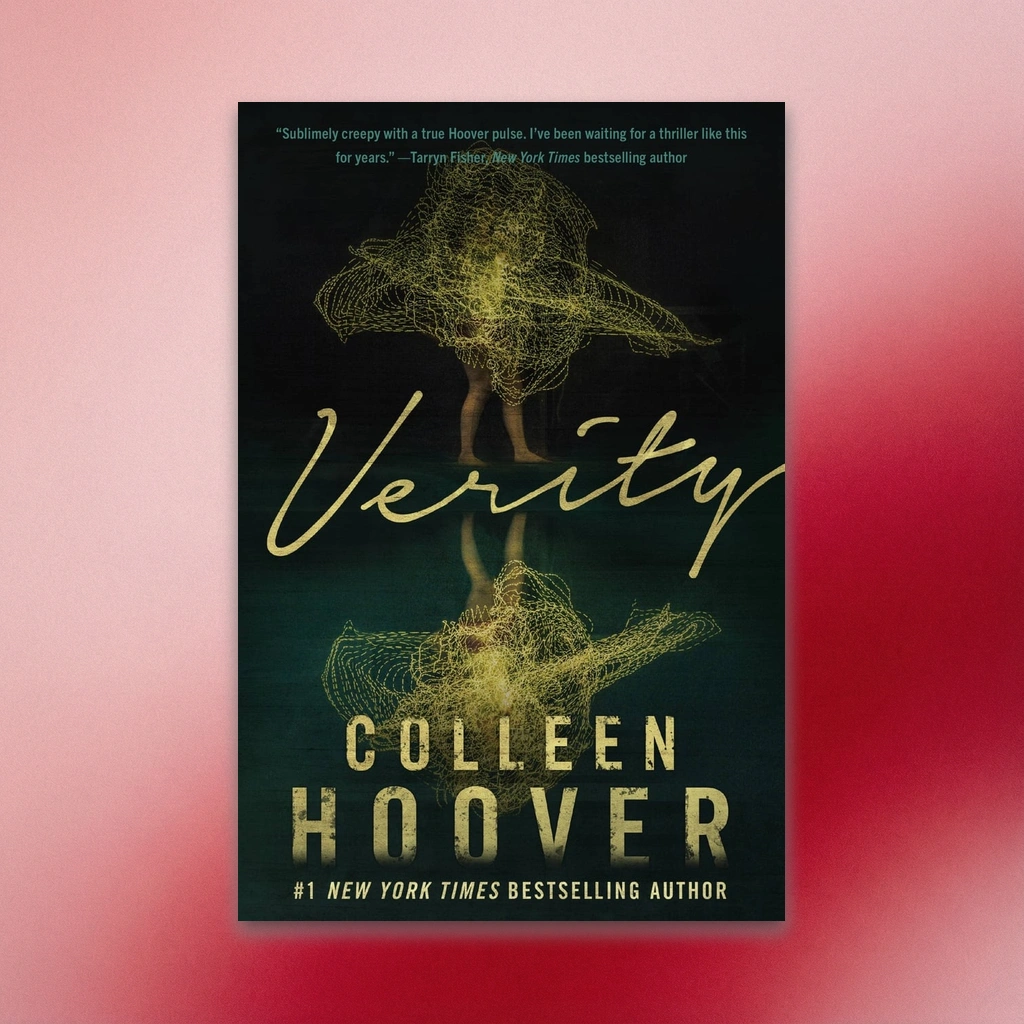
I know, I know. Colleen Hoover? The romance queen? Hear me out. Verity is a whole different beast from her usual fare, and it's absolutely bonkers in the best way possible.
Struggling writer Lowen Ashleigh accepts a job completing a bestselling book series after the original author, Verity Crawford, is left unable to continue due to a car accident. Lowen moves into the Crawford home to go through Verity's notes. That's when she finds it: an unpublished autobiography that unveils startling secrets about Verity's life. Disturbing secrets. Horrifying secrets about her relationship with her husband Jeremy and what really happened to their twin daughters.
Here's where it gets wild: Lowen begins to suspect Verity of faking her condition. Is the manuscript real? Is it fiction? Can you trust anything written down when the person who wrote it can't—or won't—speak? Sound familiar? The parallels to The Silent Patient are impossible to ignore, except Hoover adds a romantic thriller element that ratchets up the tension even more. Plus that ending. That ENDING. I'm still not sure what I believe, and I kind of love that about it.
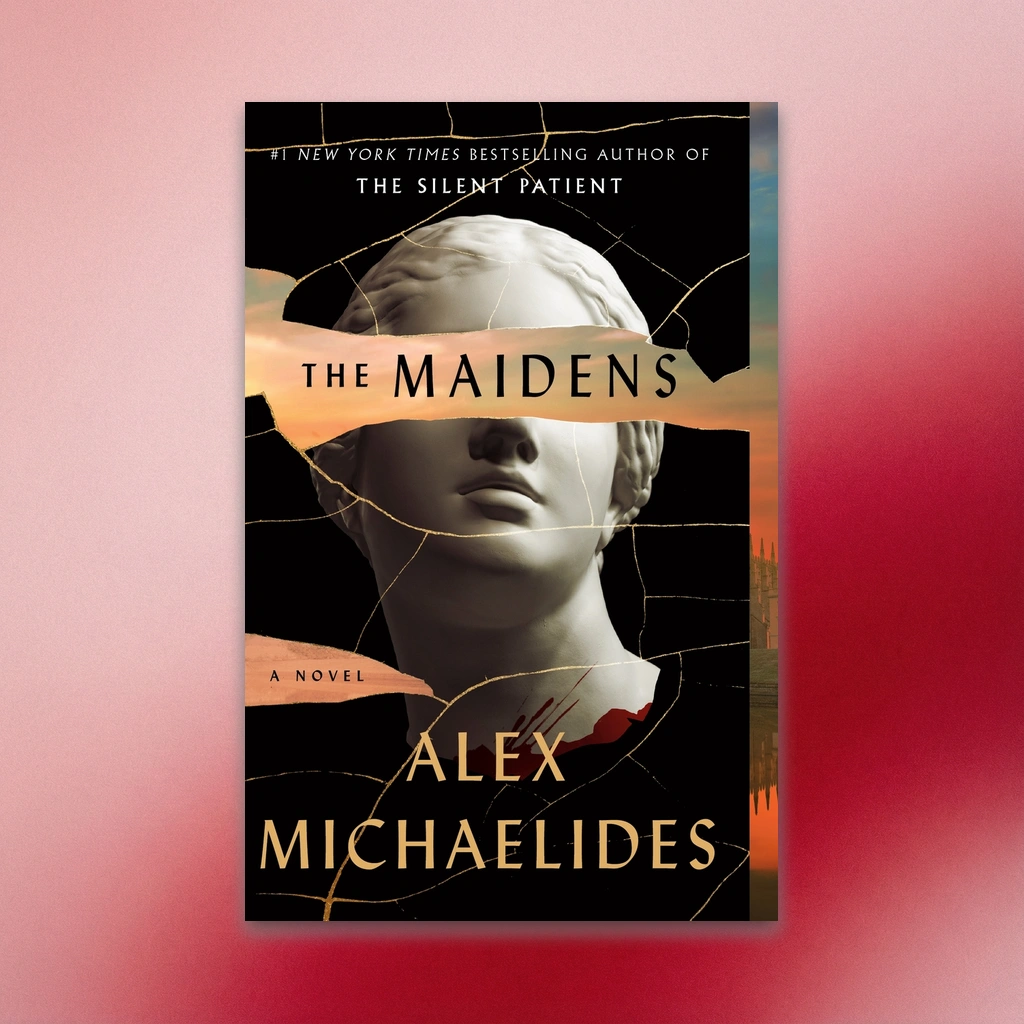
If you loved The Silent Patient, obviously you need to read Michaelides' second novel. Same author, new twisted mystery, more Greek mythology references that'll make you feel smart while your brain melts.
This one takes us to Cambridge University, where members of an exclusive, all-women society called The Maidens are being murdered. Mariana, a psychologist with her own demons, becomes convinced that the charismatic classics professor Edward Fosca is behind the killings. But here's the problem: she's grieving, she's vulnerable, and her credibility is questionable at best.
Michaelides pulls the same tricks here that made The Silent Patient so effective—unreliable perspectives, Greek tragedy parallels, and a therapist who might need therapy more than their patients. It's atmospheric, it's dark, and while I won't say the twist matches the shock value of The Silent Patient, it's still a damn good read. The academic setting adds this eerie, gothic quality that just works.
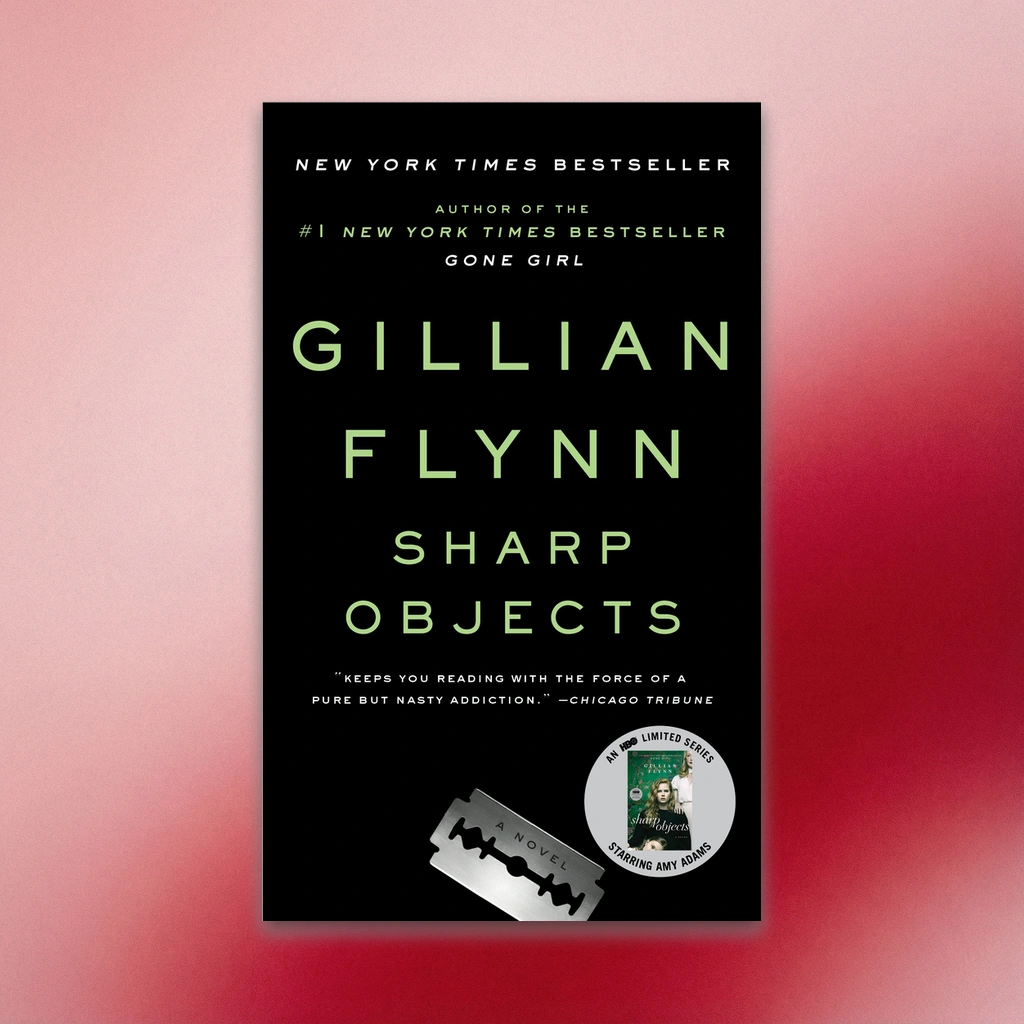
Before there was Amy Dunne, there was Camille Preaker. Flynn's debut novel is arguably even darker than Gone Girl, which is really saying something considering Gone Girl ends with [redacted for spoilers but you know].
Camille Preaker, a journalist, must reckon with her troubled family history and deep psychological issues when she travels back to her hometown to cover a murder case. She's barely holding it together. She has literal scars—carved words all over her body from years of self-harm. And going home means confronting her cold, manipulative mother and her weird, perfect half-sister.
The small-town gothic atmosphere is suffocating. The family dynamics are toxic as hell. And Camille's fractured psyche makes her the definition of an unreliable narrator. You're never quite sure what's real and what's filtered through her trauma. The HBO adaptation with Amy Adams is fantastic, but the book hits different. It's raw and uncomfortable and stays with you long after you finish.
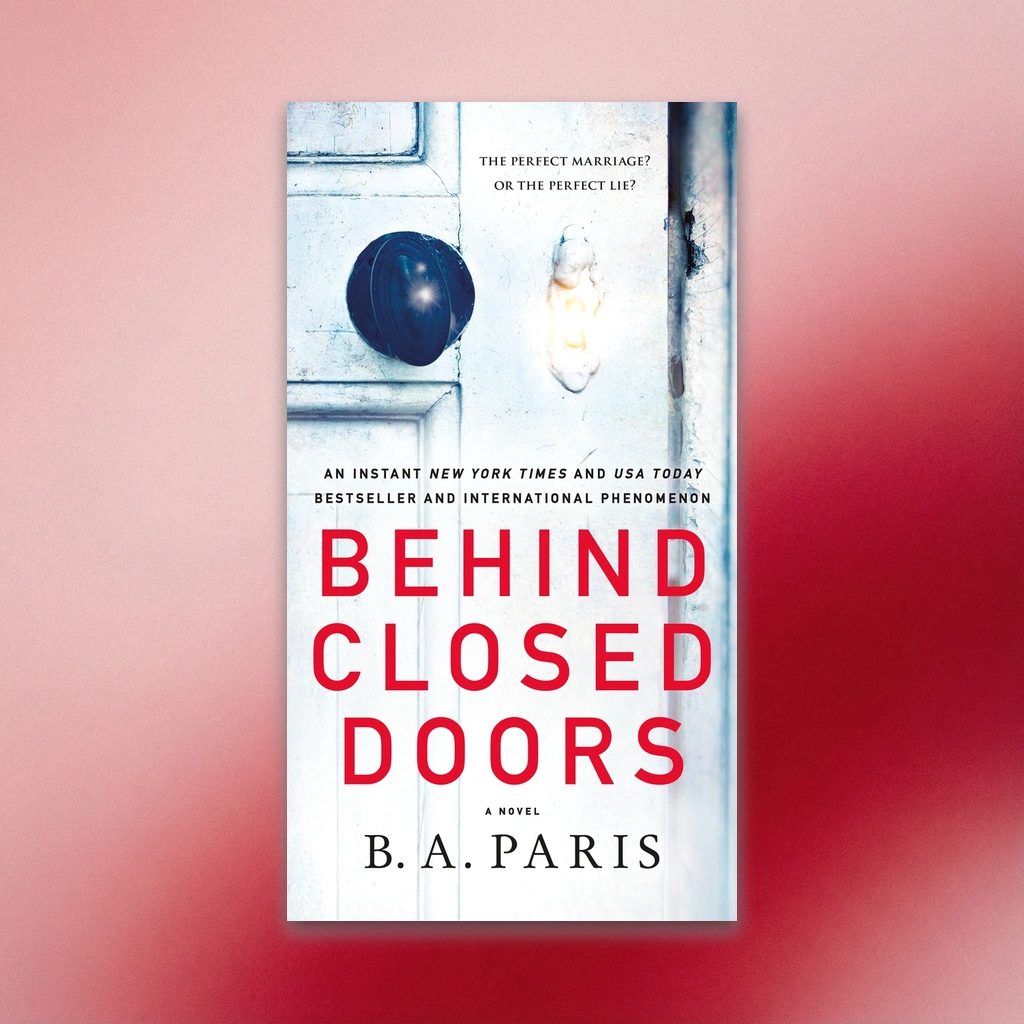
Want to talk about marriages that look perfect from the outside? Jack and Grace seem like they have it all. A perfect marriage that hides the most terrifying secrets. He's handsome, successful, charming. She's beautiful, gracious, the perfect wife. Everyone wants what they have.
Except what they have is a nightmare. Behind those closed doors, Jack is a monster, and Grace is trapped in a situation that gets more horrifying the deeper you dig. Paris builds the tension slowly, methodically, until you're screaming at the pages. Like The Silent Patient, this is a book about silence—about what happens when someone can't or won't tell the truth about what's happening to them. The claustrophobia is real.
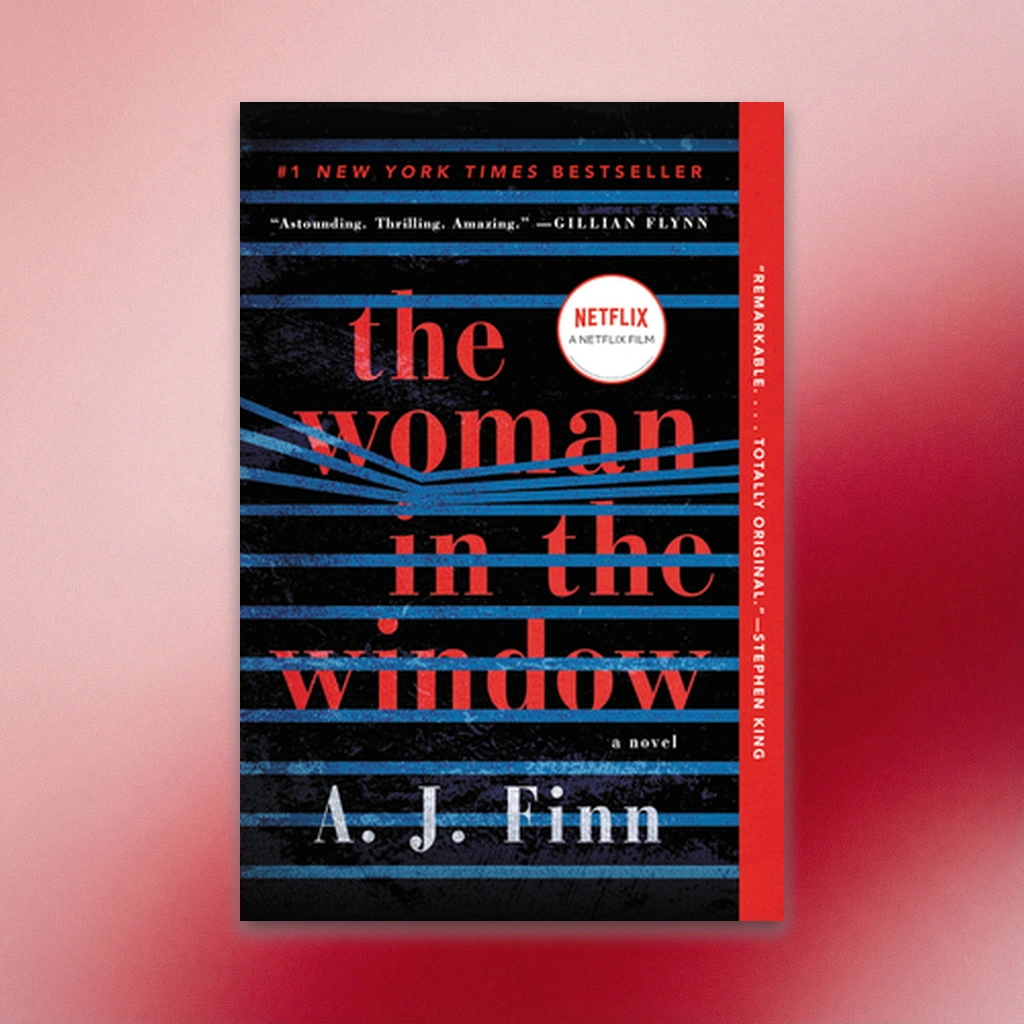
Anna Fox drinks too much wine. She watches her neighbors through her window. She can't leave her house due to severe agoraphobia. And one night, she witnesses something she shouldn't have—a crime in the house across the street. Or did she?
This modern take on Rear Window will mess with your head. Anna is medicated, traumatized, and everyone thinks she's unreliable. The question becomes: is she crazy, or is everyone gaslighting her? The twists pile on top of each other until you don't know which way is up. It's pulpy, it's fun, and it scratches that same itch as The Silent Patient—you're investigating alongside an obsessed protagonist who might be the least reliable person in the book.
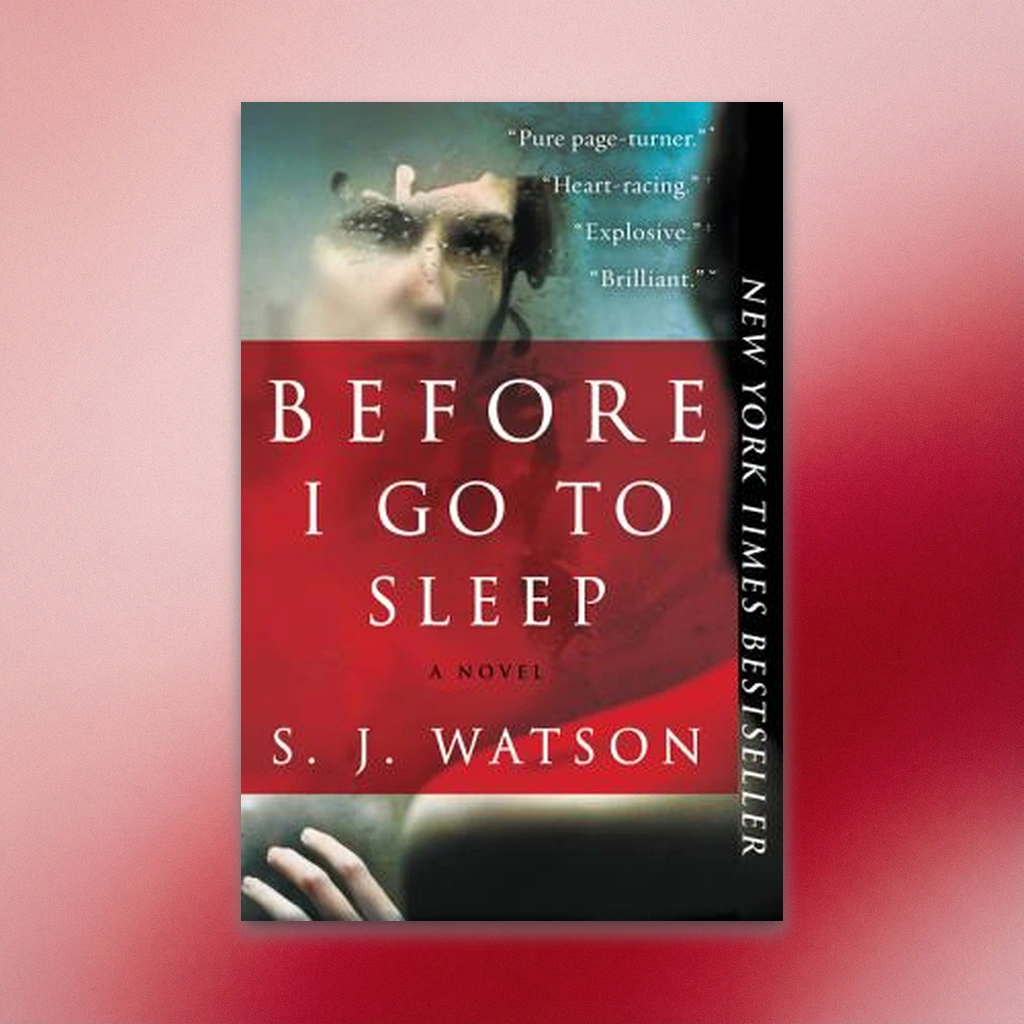
Imagine waking up every morning with no memory of who you are. Christine does this daily. She has amnesia. Every night, her memories reset. Her husband Ben explains her life to her each morning, and she starts from scratch.
Then Christine finds a journal she's been secretly keeping, and it tells a very different story than the one Ben has been feeding her. Who's lying? What really happened to her? And most terrifying: who can she trust when she can't even trust her own mind? Watson's debut is relentlessly tense and plays with the idea of narrative reliability in ways that'll make you paranoid about your own memories.
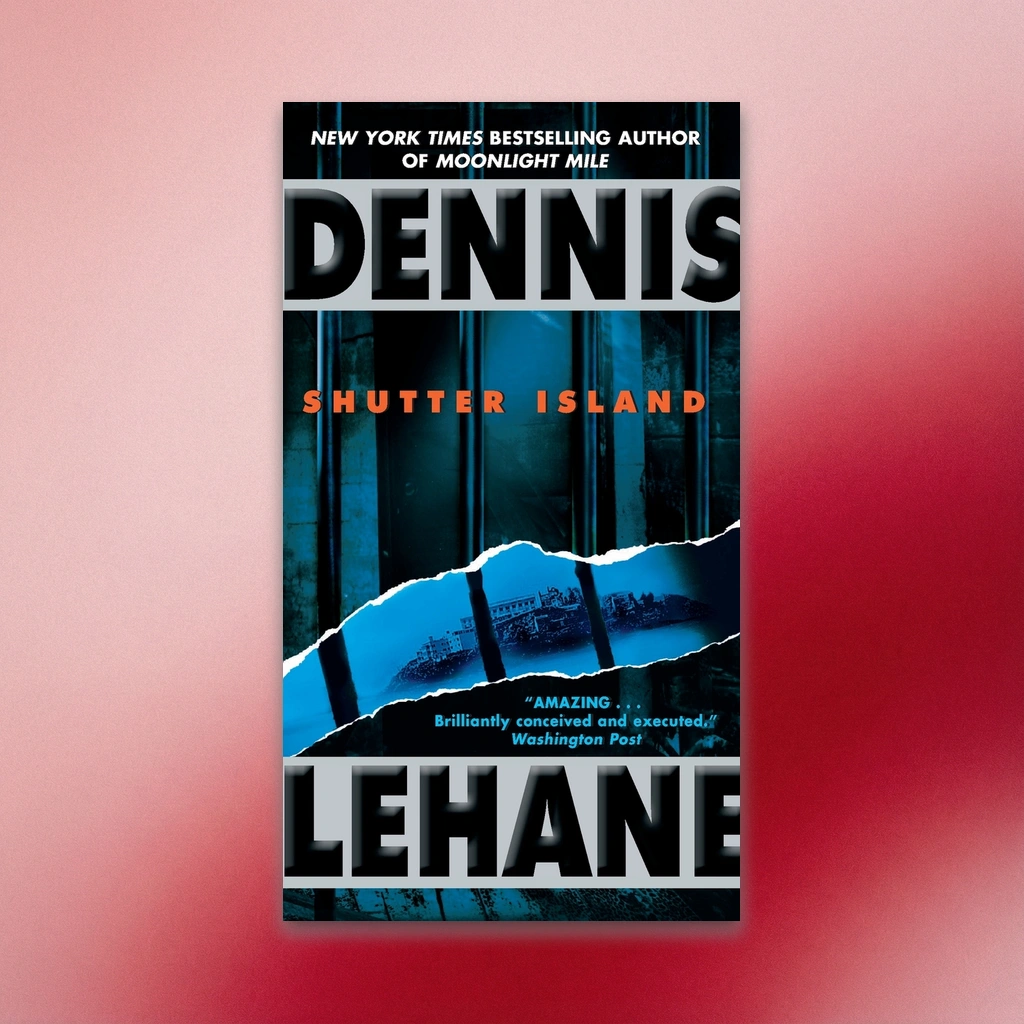
U.S. Marshal Teddy Daniels arrives at Ashecliffe Hospital for the criminally insane to find a patient who has disappeared. It's 1954. The hospital is on a remote island. Nothing is what it seems. And Teddy's investigation leads him to question his own sanity.
The twist in this one is legendary, and if you somehow haven't been spoiled on it yet, you're in for a treat. The novel features an investigator whose own psychology becomes central, with a massive twist about identity and reality. Like The Silent Patient, it's set in a psychiatric facility and asks uncomfortable questions about mental health, treatment, and whether we can ever really know what's happening inside someone else's mind.
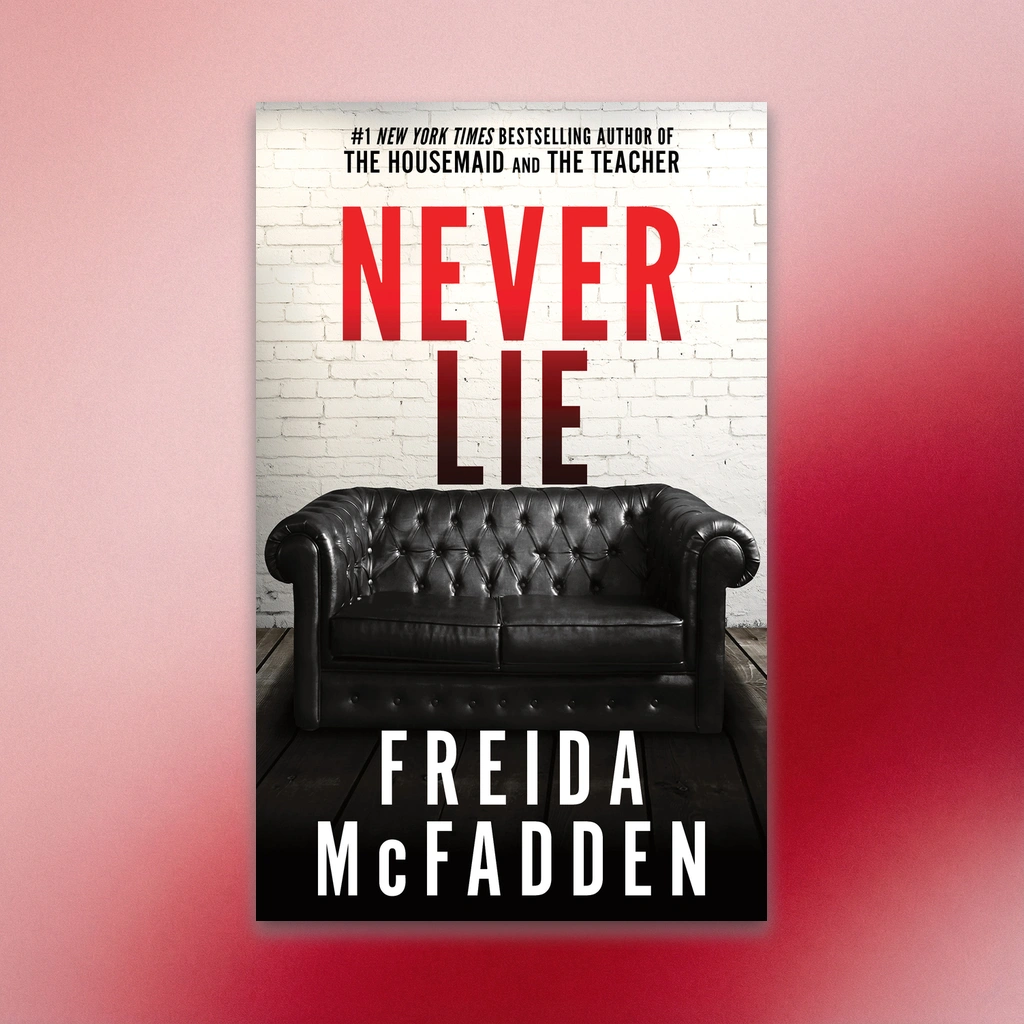
McFadden is the queen of twists. Seriously, if you haven't discovered her yet, prepare to lose several days of your life. Never Lie has everything: a locked room mystery, a missing psychiatrist, and cassette tapes that reveal horrifying truths.
Tricia and Ethan are house-hunting when a snowstorm traps them overnight in a mansion that once belonged to a vanished psychologist. Tricia finds old therapy session recordings and starts listening. What she discovers will make you question everything you thought you knew about the setup. The pacing is breakneck. The twists are chef's kiss. And that ending? Chef's kiss intensifies.
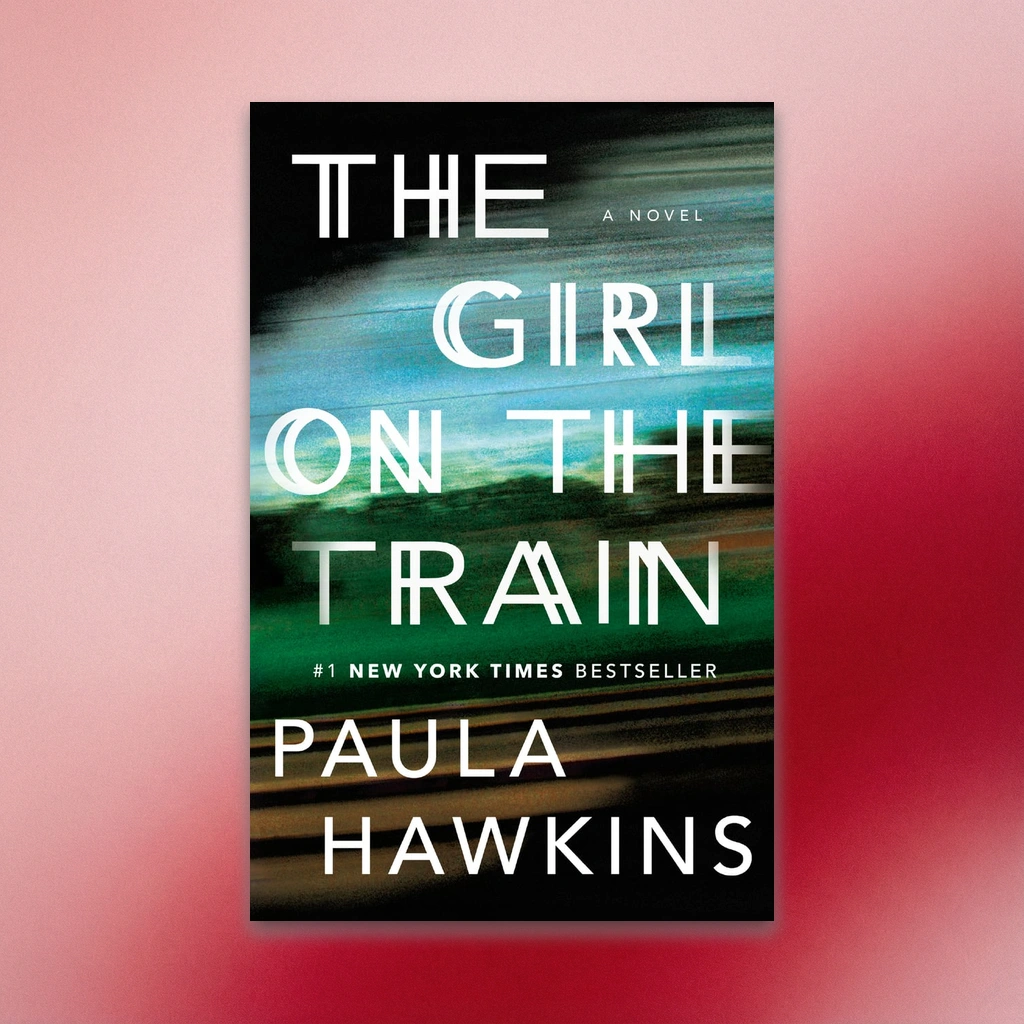
Rachel takes the same commuter train every day. She watches the same houses. She creates stories about the people inside, particularly the perfect couple a few doors down from her ex-husband's new home. Then one day, she sees something shocking. The woman disappears. And Rachel becomes entangled in the investigation, even though she's a barely-functioning alcoholic with blackouts and huge gaps in her memory.
The book has unreliable narrators and a twisty, confusing plot that will keep you guessing. Like Alicia's silence in The Silent Patient, Rachel's alcohol-induced amnesia means we're working with an incomplete picture. Multiple perspectives layer onto each other until the truth emerges, and it's deliciously dark.
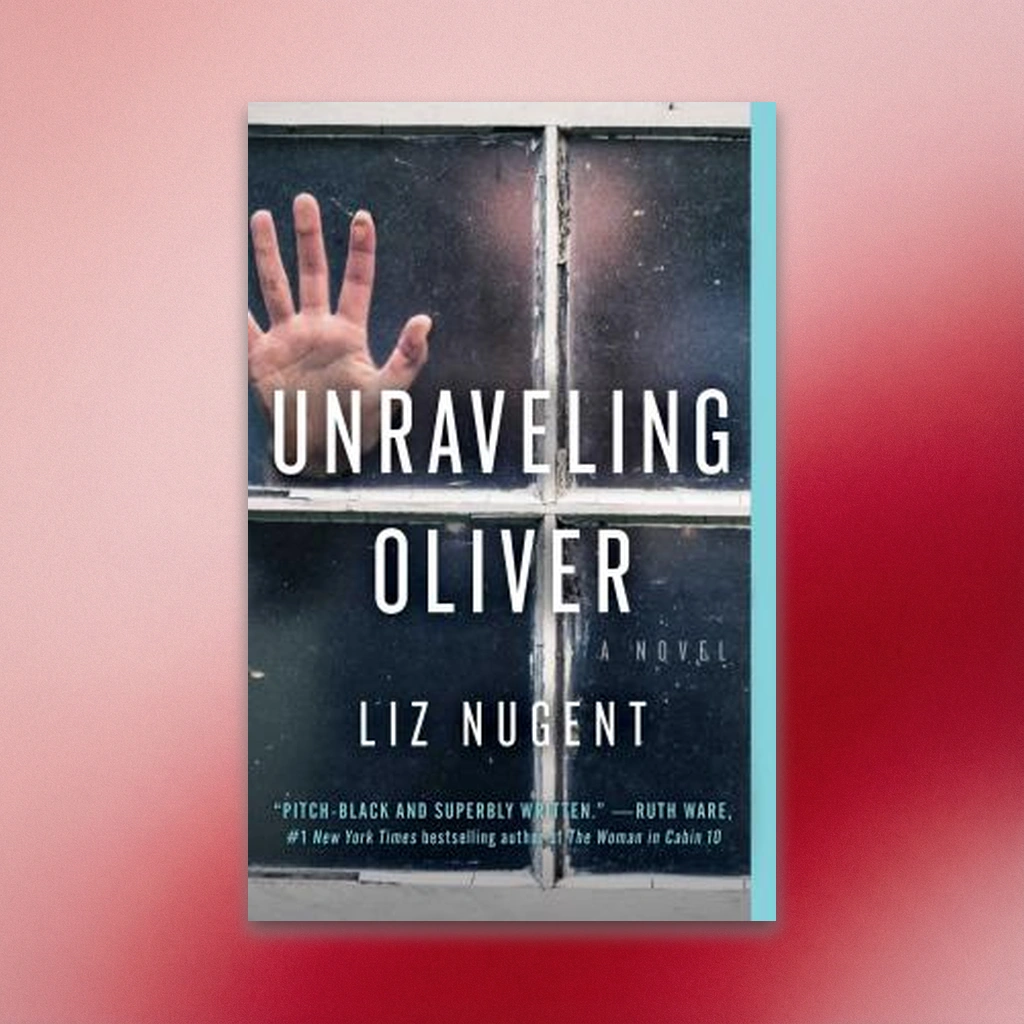
Oliver viciously attacks his wife Alice, putting her in a coma. That's how the book starts. From there, Nugent takes readers through Oliver's life in a steady, spellbinding exploration of humanity's capacity for evil and whether nature or nurture is to blame. This isn't a whodunit—we know who did it. This is one all about the why.
The structure is brilliant, with different people from Oliver's past providing perspectives on who he really is. Each chapter peels back another layer, revealing the rot underneath. It's chilling, it's Irish (which adds this particular flavor of darkness), and Nugent's writing is sharp enough to cut. If you loved dissecting Theo's psychology in The Silent Patient, you'll devour this character study.
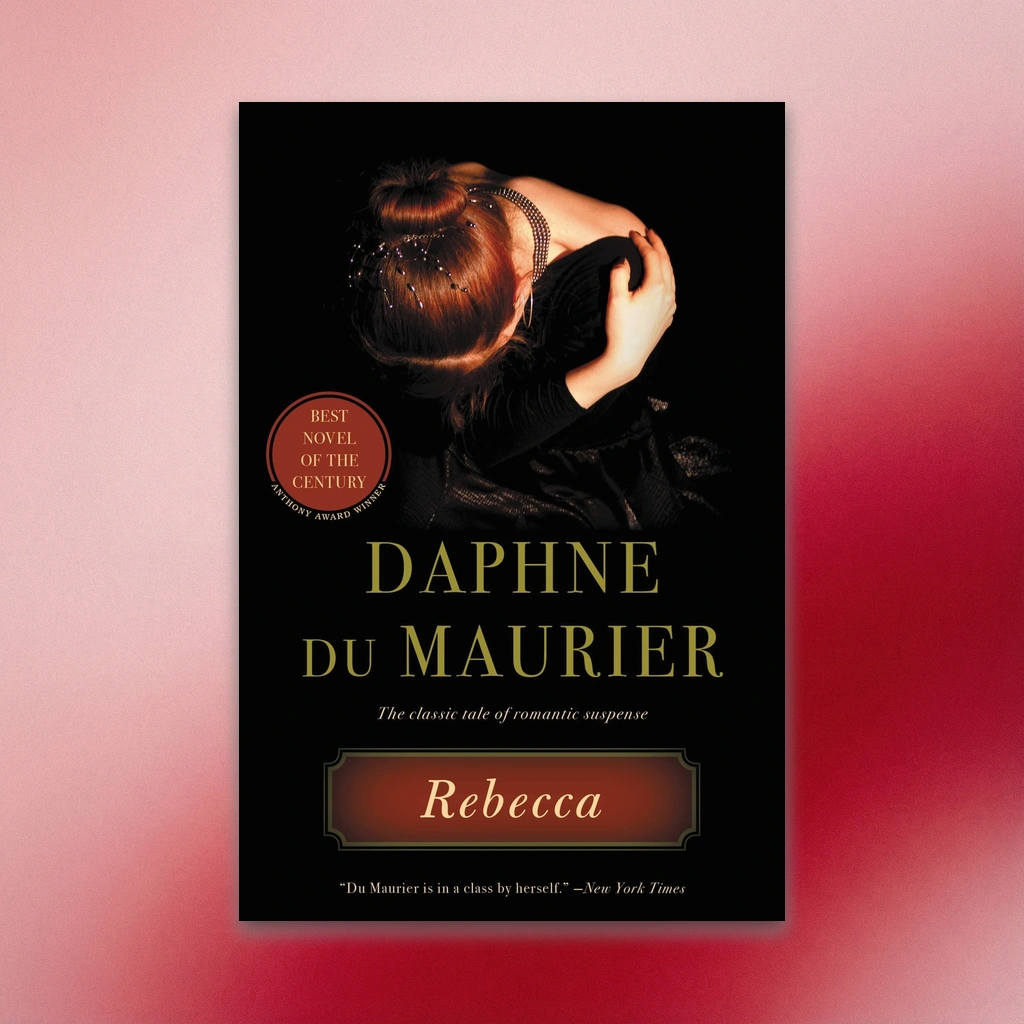
Yes, it's a classic from 1938. No, that doesn't matter. This gothic masterpiece about obsession, jealousy, and a dead woman's lingering presence influenced everything that came after it—including The Silent Patient.
A young woman marries the wealthy Maxim de Winter and moves into his estate, Manderley. But the ghost of his first wife, Rebecca, haunts everything. The housekeeper, Mrs. Danvers, is obsessed with Rebecca's memory. And slowly, horribly, the new Mrs. de Winter begins to unravel the truth about Rebecca's death. The novel obsesses over a dead woman, just like The Silent Patient does, as the narrator pieces together who Rebecca really was.
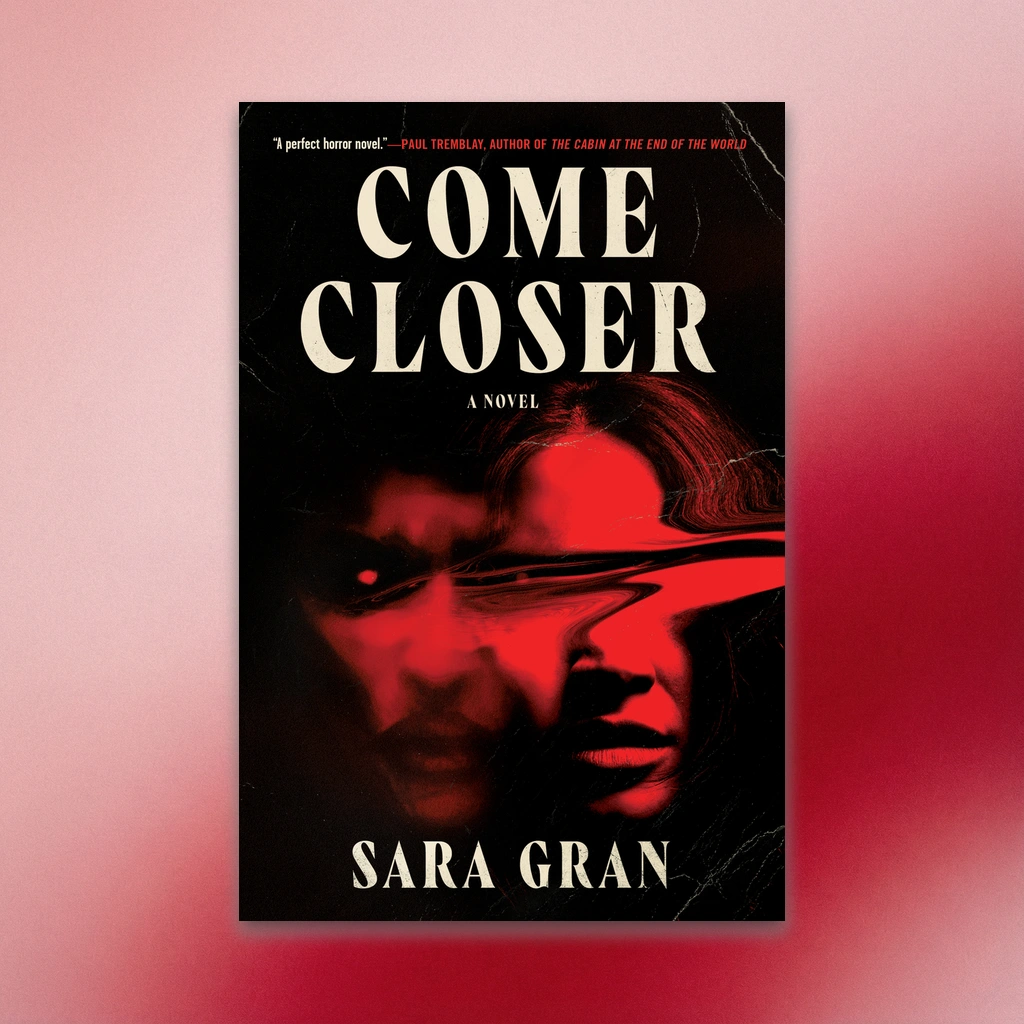
This slim novel (you can read it in one sitting) is deeply unsettling. Amanda is a successful architect in a happy marriage. Then strange things start happening. She hears voices. Has disturbing dreams. Burns her husband with a cigarette. Is she coming undone, or has something possessed her from within?
The ambiguity is what makes it terrifying. Like Alicia's silence, Amanda's transformation raises questions about identity, control, and what happens when we can't trust our own minds. It's psychological horror at its finest—quiet, creeping, and absolutely devastating.
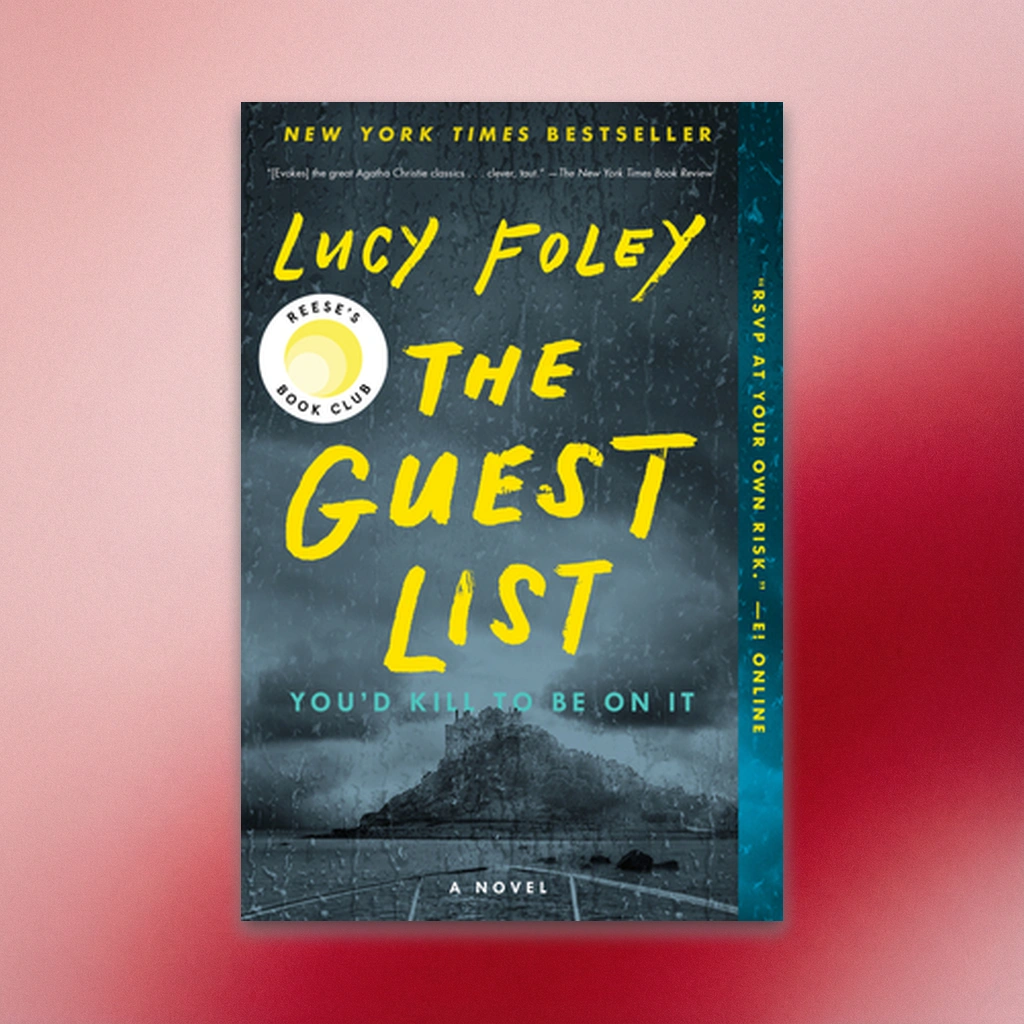
A glamorous wedding on a remote Irish island. Old grudges. Dark secrets. And by the end of the night, someone is dead. Foley's locked-room mystery keeps you guessing right up until the end, with multiple perspectives that slowly reveal what really happened.
The structure echoes the way The Silent Patient doles out information—alternating timelines, unreliable narrators, and the slow realization that everyone has something to hide. It's atmospheric, twisty, and impossible to put down once you start.
Look, I could keep going. There are so many incredible psychological thrillers out there that capture that same addictive quality as The Silent Patient—the unreliable narrators, the shocking twists, the way they make you question everything. But these are my favorites. The ones that kept me up past 3 AM. The ones that made me text my friends incoherent messages about plot twists. The ones that left me staring at the ceiling, trying to process what I'd just read.
So grab one. Or five. Clear your schedule. And prepare to lose yourself in some seriously twisted minds. Just maybe keep the lights on.
Some of the links above are affiliate links. If you purchase through them, CritiReads may earn a small commission at no additional cost to you. This helps support our work!