1984: 75th Anniversary
by George Orwell
4.5/5
•
by George Orwell
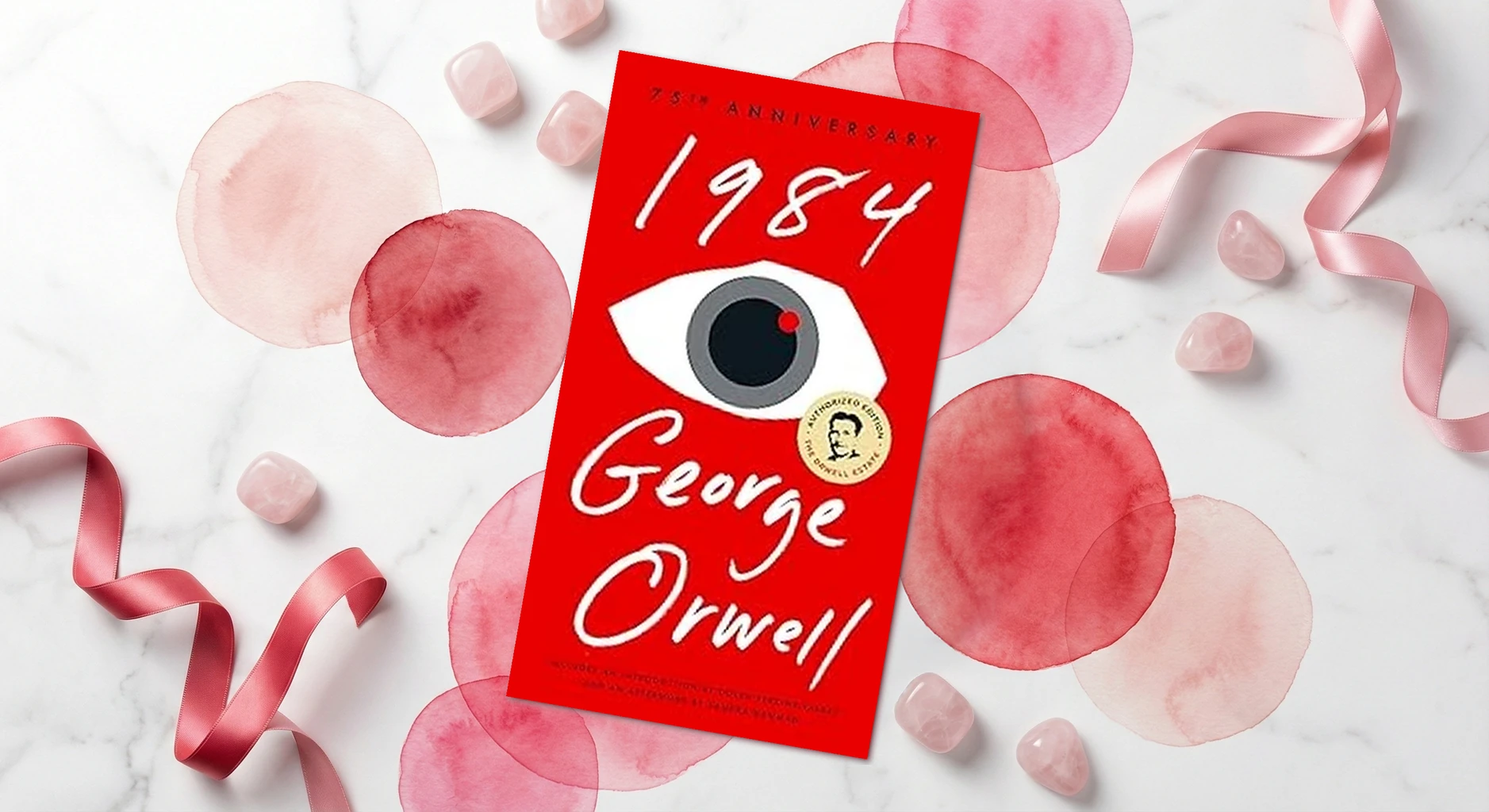
You know that feeling when you’re reading a book that feels eerily relevant, even decades after its initial publication? That’s precisely what I experienced while diving into George Orwell’s chilling masterpiece, 1984. Celebrating its 75th anniversary, this edition serves as a stark reminder of the fragility of freedom and the terrifying power of totalitarianism. With themes that resonate deeply in our modern-day world of surveillance, misinformation, and political oppression, I found myself both captivated and horrified.
From the very first pages, we meet Winston Smith, a low-ranking member of the Party residing in Airstrip One, a province of the superstate Oceania. The oppressive regime, led by the omnipresent Big Brother, controls every aspect of life, from language to thought. Orwell’s dystopian vision of a society where “War is Peace. Freedom is Slavery. Ignorance is Strength” is unflinchingly bleak yet incredibly compelling.
As I followed Winston’s journey from a disillusioned Party member to a man who dares to dream of rebellion, I couldn’t help but reflect on the parallels to our current societal landscape. The concept of “Newspeak,” the official language designed to limit the scope of thought, feels alarmingly familiar in an era of “fake news” and manipulated narratives. The idea that language could be weaponized to control the populace is perhaps one of Orwell’s most chilling predictions.
“𝘐𝘵’𝘴 𝘢 𝘭𝘰𝘯𝘨 𝘸𝘦𝘩𝘦𝘭𝘭𝘷𝘦 𝘨𝘦𝘵 𝘣𝘢𝘤𝘬 𝘵𝘰 𝘸𝘩𝘦𝘳𝘦 𝘸𝘦 𝘴𝘵𝘢𝘳𝘵𝘦𝘥,” Orwell writes through Winston's internal monologue, and I found myself asking: have we already arrived?
Winston’s relationship with Julia, a fellow Party member who shares his disdain for the Party, serves as a poignant exploration of intimacy in an oppressive regime. Their secret affair represents a rebellion against a society that seeks to eradicate personal connections. The tenderness of their relationship offers a brief respite from the otherwise suffocating atmosphere of oppression. However, Orwell does not allow us to linger in these moments of joy for long, which is a hallmark of his writing style. Just as I was beginning to feel hopeful for Winston and Julia, the story swiftly plunges into darkness.
What struck me most about 1984 is its exploration of the concept of reality. The Party’s manipulation of truth, and the idea that “who controls the past controls the future,” is a haunting reminder of the power of propaganda. It’s a lesson that feels like it was lifted straight from today’s headlines. The thought police, who punish anyone for the slightest deviation from Party ideology, remind me of the ways we often police ourselves and others today in our hyper-connected world.
“𝙏𝙤 𝙗𝙚 𝙖𝙗𝙡𝙚 𝙩𝙤 𝙬𝙞𝙣 𝙖 𝙪𝙣𝙞𝙩𝙚𝙙 𝙬𝙤𝙧𝙡𝙙 𝙝𝙖𝙫𝙞𝙣𝙜 𝙘𝙤𝙣𝙩𝙧𝙤𝙡 𝙤𝙛 𝙙𝙚𝙥𝙤𝙥𝙡𝙚 𝙤𝙥𝙚𝙧𝙖𝙩𝙚 𝘏𝘢𝘳𝘦𝘴 𝘸𝘦𝘳𝘦 𝘩𝘢𝘳𝘥𝘌𝘵𝘪𝘭 .” In Winston’s world, the Party’s power is absolute and unyielding. We see how they alter historical records to fit their narrative, effectively erasing dissent and creating a populace that accepts their version of reality. The chilling irony that the Party seeks to control not just behavior but thought is a profound observation about the nature of power and its ability to shape our understanding of truth.
Orwell’s prose is both precise and poetic, a unique blend that makes the novel deeply engaging while also hauntingly reflective. The stark descriptions of a bleak, crumbling society evoke an almost visceral reaction. The imagery of the “telescreen,” a device that monitors citizens’ every move, is a powerful symbol of surveillance culture that hits even harder in our digital age, where privacy seems ever more elusive.
The pacing of 1984 is relentless; just when I thought I could breathe, Orwell would thrust me into a new wave of despair. The book is like a slow-building pressure cooker, and I found myself holding my breath as the tension mounted. The psychological manipulation that Winston endures, culminating in his ultimate betrayal, is heart-wrenching. The moment he is forced to confront his greatest fear is a gut-punch, a testament to Orwell’s ability to evoke deep empathy for his characters.
Many readers have lauded this novel as a necessary read for anyone interested in understanding the deeper implications of governmental power and the risks to individual freedoms. I wholeheartedly agree. It’s a book that demands to be read, dissected, and discussed in the context of our current political climate. The themes are universal, and Orwell’s insights feel timeless, even as society evolves.
What’s fascinating is how the book has been embraced by various political factions over the years, each interpreting Orwell’s warnings through their own lens. Some argue that the novel serves as a critique of socialism, while others see it as a warning against the rise of authoritarianism in any form. The beauty and frustration of 1984 lie in its ambiguity, prompting readers to confront their own beliefs and fears about power.
While I rated 1984 at 4.5 stars, I feel compelled to acknowledge that it’s not a perfect read. Orwell’s bleak outlook can be overwhelmingly pessimistic, and at times, the story feels more like a treatise than a novel. However, I believe that contributes to its power—after all, its purpose is to unsettle and provoke thought, and it succeeds magnificently.
In conclusion, 1984 is a literary titan that forces us to reckon with uncomfortable truths about our society and ourselves. It’s a book that lingers long after the last page is turned, igniting conversations about freedom, privacy, and the human spirit’s resilience. If you haven’t yet ventured into Orwell’s dystopian world, I wholeheartedly encourage you to do so—just be prepared to have your perspectives challenged and your beliefs interrogated. There’s a good reason this book continues to resonate, and its lessons are more critical than ever.