All the Broken Places
by John Boyne
4.5/5
•
by John Boyne
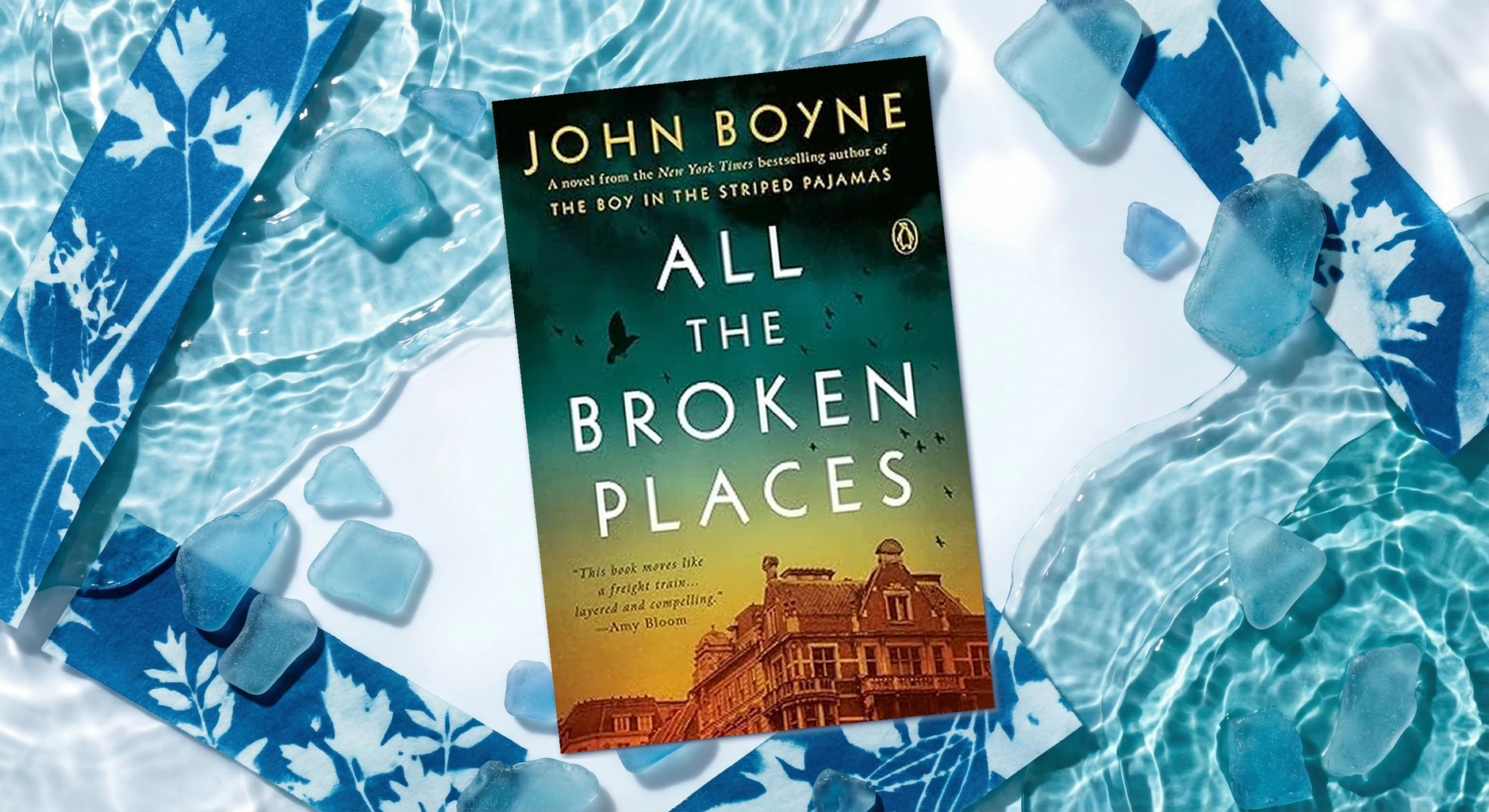
Every so often, a book comes along that doesn’t just tell a story but pulls you into the emotional undercurrents of human experience, weaving a tapestry of memory, trauma, and redemption. John Boyne's latest novel does just that, plunging us deep into the labyrinth of its protagonist's psyche, while navigating the shadowy aftermath of war and guilt.
Set in post-World War II Europe, we meet the main character, Gretel, the daughter of the infamous commandant depicted in Boyne’s previous work, The Boy in the Striped Pajamas. The narrative cleverly picks up decades later, chronicling Gretel’s life as she grapples with the heavy legacy of her childhood. The way Boyne intertwines themes of personal and historical trauma is nothing short of masterful, drawing us into a world that feels both achingly familiar and heartbreakingly tragic.
With a rating of 4.5 stars, I found myself utterly captivated by the depth of Gretel's character. Boyne has an uncanny ability to make his protagonists feel real and relatable, even when their backgrounds are steeped in darkness. Throughout the book, we see Gretel as a flawed yet compelling character, struggling with her past while attempting to forge a life for herself far removed from her family's notorious history.
In All the Broken Places, we explore how memory shapes identity. Gretel’s interactions with her neighbors and the people she encounters in her new life reveal much about her internal struggle. She carries the weight of the past with her, hidden beneath layers of bravado and self-reinvention. Her attempts at normalcy are frequently interrupted by flashbacks that tug at her conscience, revealing the psychological scars inflicted by her childhood.
Key takeaways from the novel include:
The complexity of guilt: Boyne doesn’t shy away from the uncomfortable truths of inherited trauma. Gretel embodies a landscape of guilt and shame, navigating the complexities of her parents’ legacy. It’s a poignant reminder that the sins of the past do not simply fade; they echo through generations.
The struggle for redemption: Gretel's journey toward redemption is both compelling and heartbreaking. As she tries to distance herself from her family's past, she grapples with whether she is deserving of a peaceful future. This internal conflict is beautifully rendered, making her quest feel genuine and relatable.
The power of community: As Gretel interacts with her neighbors, we see the impact of community on healing. Boyne explores how connections can either uplift or further complicate our understanding of ourselves. The relationships she forms are nuanced, showcasing the duality of human interaction—supportive yet fraught with misunderstandings and biases.
Readers have reacted with a mix of admiration and introspection, often highlighting how Boyne’s writing evokes a deep emotional response. Many praise his evocative prose, which captures the essence of a life lived in the shadow of history. The narrative’s pacing allows for moments of reflection, making readers pause and consider their own emotional landscapes.
There were moments where I felt overwhelmed by Gretel’s experiences, particularly as she confronts the ghosts of her past. Boyne’s ability to evoke empathy for a character so intricately woven into a tapestry of horror is a testament to his skill as a storyteller. It challenges us to consider the complexities of morality and the human capacity for change.
However, while All the Broken Places is a powerful exploration of guilt and redemption, some may find certain plot elements a touch predictable. The overarching themes are heavy and may not resonate with every reader, particularly those looking for a light-hearted or straightforward narrative. Yet, for those willing to delve into the emotional depths of the human experience, this novel offers a profound journey.
As I reached the final pages, I found myself reflecting on the nature of forgiveness. Boyne seamlessly weaves this theme throughout the story, allowing readers to ponder whether true absolution is ever attainable. Gretel's story leaves us with lingering questions about our own lives and the histories that shape us.
John Boyne delivers a poignant narrative that is as thought-provoking as it is moving. If you’re in the mood for a read that offers both heartache and hope, All the Broken Places is a must. It’s a book that lingers long after the last page has been turned, one that encourages us to confront our pasts, understand our identities, and perhaps, find a way to move forward. So, whether you’re a longtime fan of Boyne or new to his work, prepare to be swept into an emotionally rich narrative that challenges our perceptions of blame, guilt, and the enduring quest for redemption.