All the Forgivenesses
by Elizabeth Hardinger
4.5/5
•
by Elizabeth Hardinger
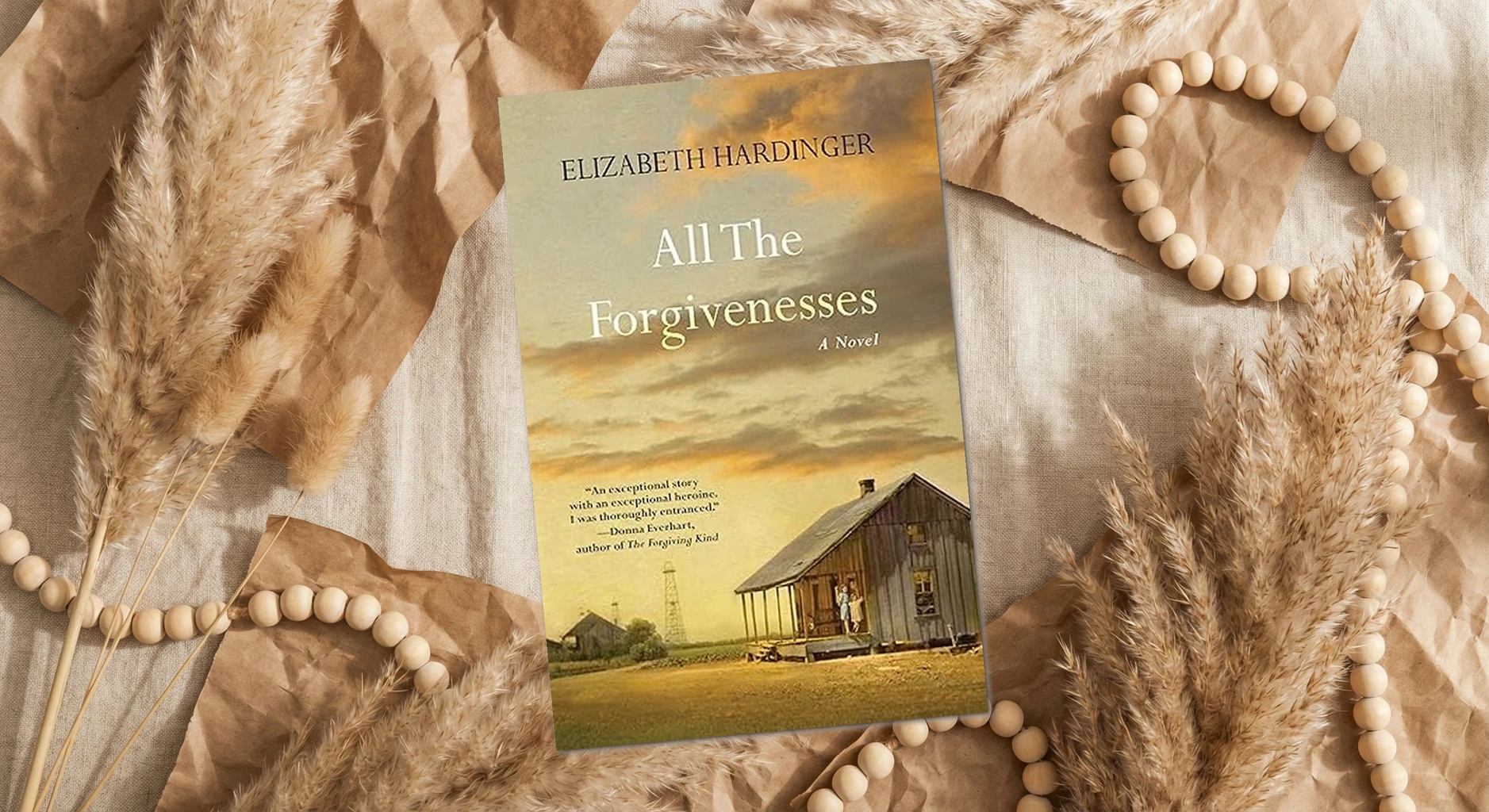
Every once in a while, a book comes along that resonates so deeply with you that it feels like a literary hug, and that’s exactly what I found in Elizabeth Hardinger's latest novel. Set against the backdrop of familial complexities and the deep roots of emotional entanglements, this story drew me in with its raw honesty and profound exploration of the nature of forgiveness.
The narrative centers around a family struggling with a devastating secret — one that challenges their perceptions of love, loyalty, and ultimately, the ability to forgive. The protagonist, a young woman named Lila, grapples with her identity and the expectations placed upon her by her family. As the story unfolds, we see her navigating layers of hurt and betrayal while slowly uncovering the truth about her family’s past. This is not just a tale of individual struggle; it is a poignant meditation on how our histories shape us, often in ways we can’t fully comprehend until we’re forced to confront them.
Hardinger's writing is evocative and lyrical. The imagery she conjures is so vivid that I often felt as if I were walking alongside Lila in her small town, peering into the lives of the people around her. Her ability to weave together moments of beauty and pain is masterful. She doesn’t shy away from the uncomfortable realities of life, and that’s where I found myself most captivated.
One of the central themes in All the Forgivenesses is the idea of forgiveness itself — what it looks like, who deserves it, and whether it can truly heal the wounds we carry. Hardinger poses these questions without offering easy answers, allowing readers to ponder their own beliefs about forgiveness as they accompany Lila on her journey. I found myself reflecting on my own experiences and relationships, considering who I might need to forgive and why.
There are moments in the story that felt achingly familiar, as if Hardinger had pulled them straight from my own life. The characters’ struggles with regret and longing tugged at my heartstrings. For instance, Lila’s relationship with her mother, fraught with tension and unspoken words, mirrored my own relationship with my parents in many ways. This connection made it all the more poignant when Lila began to come to terms with her family's past, making choices that felt both brave and heartbreaking.
The supporting characters in All the Forgivenesses are just as richly drawn as Lila. Each has their own story, their own pain, and their own path toward healing. The dynamics within Lila’s family are complicated and layered, bringing to the forefront the reality that forgiveness often requires patience, understanding, and the willingness to face uncomfortable truths. I was particularly struck by Lila’s estranged relationship with her brother, a plotline that added depth and complexity to the central narrative. Their interactions felt authentic, showcasing the challenging balance between familial love and personal growth.
One of the most compelling aspects of Hardinger's work is her ability to balance the heavy themes of the story with moments of levity and warmth. Even when Lila is grappling with her demons, there are moments of lightness — memories of laughter, shared stories, and the beauty of small moments that make life worth living. It’s this juxtaposition that gives the book its emotional heft, reminding us that even in our darkest times, there’s a light to be found.
Readers have responded enthusiastically to All the Forgivenesses. Many praise its deep emotional resonance and the way it handles complex themes with such care. The writing has been called “lyrical” and “haunting,” and I found myself agreeing with those sentiments wholeheartedly. It’s a book that lingers in your mind long after you’ve turned the last page.
In the end, what I took away from this beautiful novel is the understanding that while forgiveness can be a long and difficult process, it is also one of the most powerful gifts we can give ourselves. Hardinger's narrative reminds us that understanding our past — even the painful parts — can lead to a more compassionate approach to our present and future.
I rated All the Forgivenesses a solid 4.5 out of 5. That half star, however, stems from a desire for more exploration of certain side characters. I found myself wanting to delve deeper into their stories, as they felt rich with potential. Still, the journey that Lila takes is transformative and beautifully rendered, making it a worthwhile read for anyone who appreciates a thoughtful exploration of familial relationships and, ultimately, the power of forgiveness.
So, if you’re looking for a book that will make you reflect on your own relationships, challenge your definitions of forgiveness, and perhaps even inspire some healing in your life, I cannot recommend All the Forgivenesses highly enough. Grab a cozy blanket, your favorite drink, and prepare to be taken on a journey that might just lead you to embrace your own stories of forgiveness.