Before We Were Yours
by Lisa Wingate
5.0/5
•
by Lisa Wingate
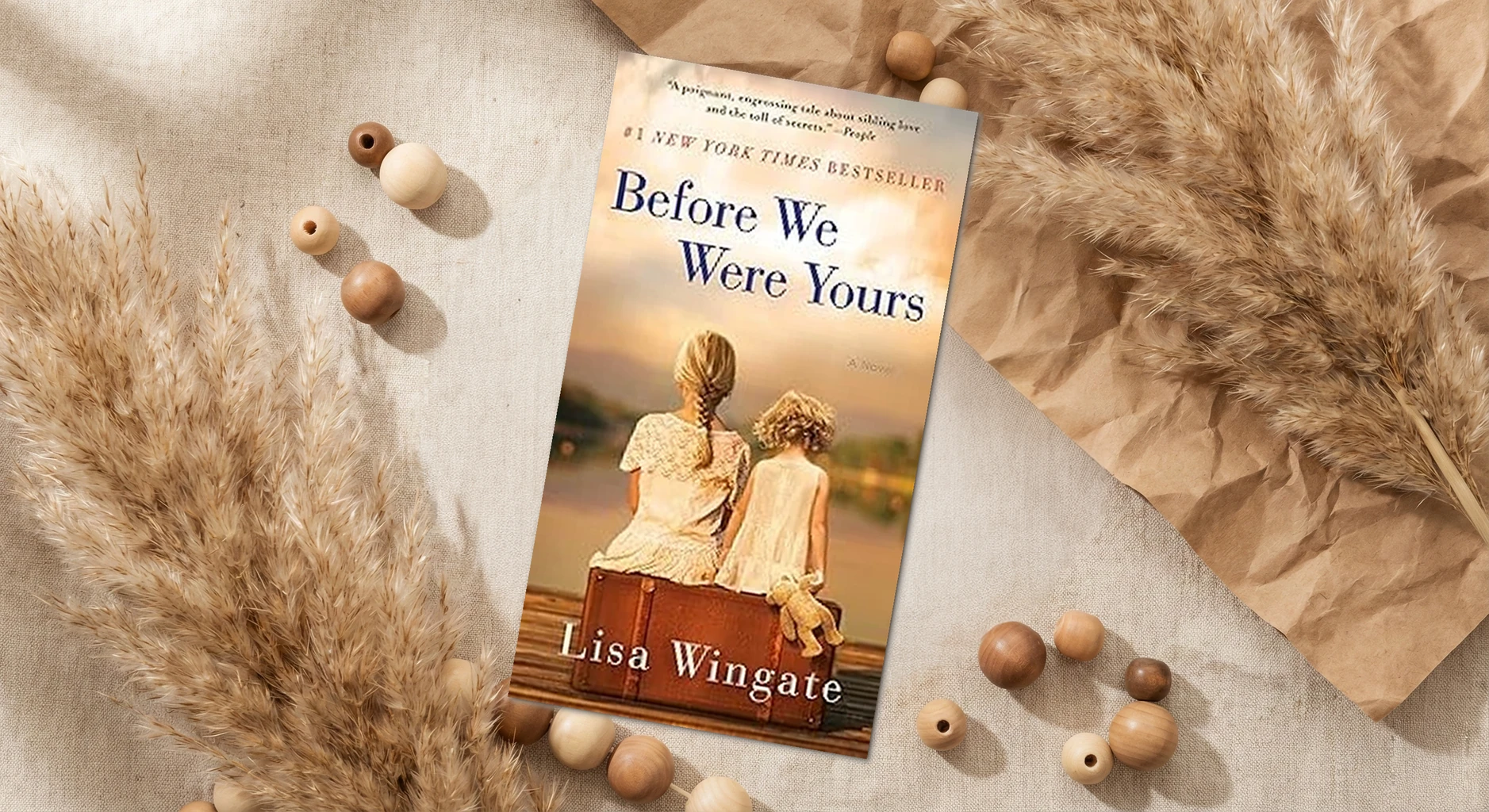
I was completely captivated by the emotional depth and poignant storytelling present in this gripping novel. The book dives headfirst into a complex web of family dynamics and historical injustices, weaving two timelines expertly while exploring themes of loss, love, and resilience. It’s a tale that lingers long after you’ve turned the last page, inviting reflection on the human experience and the ties that bind us, both seen and unseen.
The narrative alternates between the present-day life of Avery Stafford, a driven and successful attorney, and the heart-wrenching past of a group of siblings living in a run-down Mississippi River house during the 1930s. The author, Lisa Wingate, unveils the heartbreaking reality of the Tennessee Children's Home Society and the atrocities committed there under the guise of adoption. As Avery uncovers her family's hidden past, we become deeply entwined in the lives of the children who were stolen from their families and sold off to wealthy couples seeking to adopt.
What strikes me most about this novel is the way Wingate delicately balances the heavy themes with moments of warmth and hope. The historical context is not just a backdrop; it serves as a poignant reminder of the injustices faced by so many individuals, particularly in the realm of adoption. I found myself often reflecting on how, even decades later, the echoes of those decisions ripple through generations.
Key Takeaways:
- The writing is nothing short of lyrical, with descriptive passages that vividly paint the scenes and emotions of both timelines. I was often left breathless by how well Wingate captures the essence of her characters’ struggles.
- The dual timeline is executed flawlessly, with each chapter revealing more about Avery's present and the haunting past of the siblings. I loved how these layers slowly unfurl, offering nuggets of wisdom and insight into the complexities of familial love.
- Characters are richly developed, from the strong-willed Avery to the innocent children who suffered unimaginable fates. Their stories intertwine seamlessly, illustrating the impact of historical events on personal lives.
- The theme of family — the one you’re born into versus the one you choose — resonates throughout the story. It reminds us that family can take many forms and that love often transcends bloodlines.
Readers have responded overwhelmingly positively to the emotional punch this story delivers. Many praise Wingate for her ability to make history feel personal and relevant, generating a sense of compassion and urgency within the pages. The juxtaposition of Avery's privileged life against the stark realities faced by the children of the Tennessee Children's Home Society is eye-opening and encourages readers to question the societal structures that allow such injustices to persist.
The character arcs are complex and satisfying, particularly Avery’s journey toward understanding her heritage and taking responsibility for shedding light on the painful truths of her family’s past. There’s a beautiful sense of catharsis as she navigates her feelings of guilt and obligation, ultimately choosing to honor the memories of those who suffered.
I found myself emotionally invested in both timelines, often tearing up as I read about the siblings’ dreams being crushed by circumstances beyond their control. Their resilience in the face of such adversity is inspiring, and it serves as a reminder of the strength of the human spirit.
This novel is a heartfelt tribute to those silenced by history. It encourages readers to confront uncomfortable truths while also celebrating the indomitable spirit of love and family. I wholeheartedly rate it 5 stars, as it beautifully balances emotional weight with an uplifting message of hope and redemption. If you’re looking for a compelling read that intertwines history with deeply personal narratives, look no further. This book is not just a story; it’s an experience that stays with you long after you’ve turned the last page.