Believing in an Invisible God
by Christine Pilgrim
5.0/5
by Christine Pilgrim
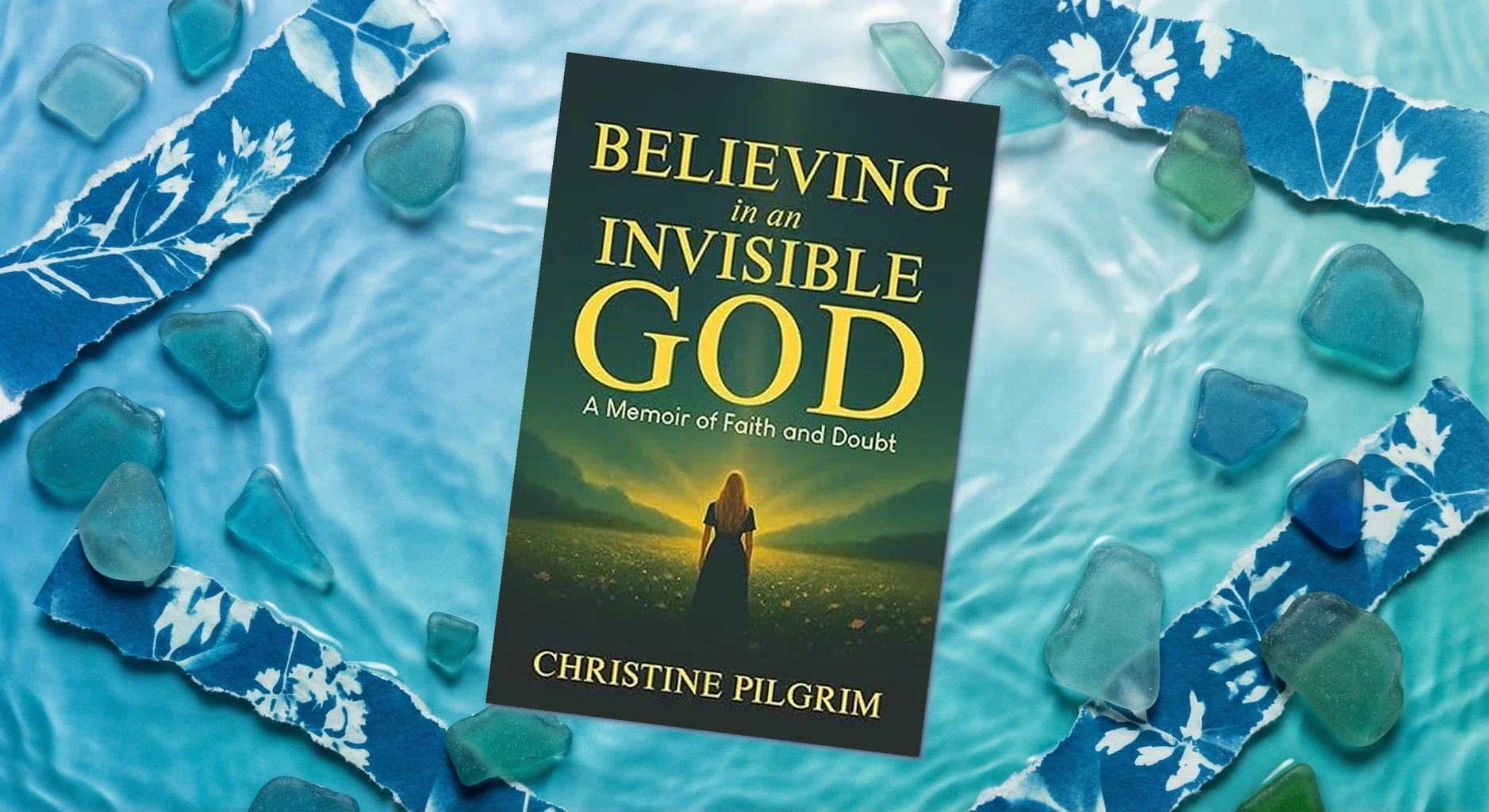
I dove into Christine Pilgrim's memoir with a mix of curiosity and anticipation. As someone who often wrestles with questions of faith and the unseen, I found myself drawn to the exploration of belief in a higher power in Believing in an Invisible God. This book, a poignant reflection of Pilgrim’s spiritual journey, resonates deeply on multiple levels. It’s not merely a narrative; it’s an invitation into the author’s soul, her struggles, and triumphs, all wrapped in the delicate fabric of faith.
From the opening pages, Pilgrim’s voice is both inviting and intimate, creating a sense of familiarity that envelops the reader. She doesn’t shy away from vulnerability. She lays bare her doubts, her fears, and the moments of grace that punctuate the mundane. The book is a tapestry woven with threads of personal anecdotes, biblical references, and universal questions that plague many of us: How do we believe in something we cannot see? What does faith look like in times of trial?
I was particularly struck by Pilgrim’s ability to articulate her experiences in a way that feels both specific and universal. For instance, she writes about her childhood, navigating the complexities of faith within a family that held both traditional and modern beliefs. Her reflections on those formative years are rich with detail, evoking nostalgia for the innocence of youth while also acknowledging the weight of expectation. As I read, I thought of my friends who have shared similar struggles—each of us trying to reconcile our upbringing with our current beliefs.
The narrative flows seamlessly, moving from moments of doubt to experiences of profound connection with the divine. Believing in an Invisible God is not just a memoir of faith; it’s a journey through Pilgrim’s life where she encounters both the comforting and the unsettling aspects of spirituality. There’s a passage that resonated with me: she writes about her experience of prayer, describing it as both a lifeline and a source of frustration. Her honesty about the challenges of prayer reminded me of conversations I’ve had with friends who feel similarly trapped between longing for connection and the silence that often follows.
One of the most beautiful aspects of the book is Pilgrim’s exploration of community. She paints vivid pictures of the people who have influenced her faith—mentors, friends, even strangers whose kindness left lasting impressions. The way she weaves these relationships into her narrative underscores a fundamental truth: faith often flourishes in community. I found myself reflecting on the relationships in my own life that have shaped my beliefs and practices.
What truly captivated me, though, were the moments of clarity and revelation that Pilgrim shares. There are instances where she describes feeling an overwhelming sense of peace, almost as if she were enveloped in a warm embrace. It’s those moments that transcend the struggle and spark something within the reader. My friends who’ve read this book noted how those glimpses of divine connection mirrored their own experiences, allowing them to feel seen and understood.
As the memoir unfolds, Pilgrim doesn’t shy away from the darker moments either—the times when life felt heavy and faith seemed distant. Her ability to articulate doubt and despair is refreshing and necessary. It’s a reminder that faith isn’t always a straight path; it’s often a winding road filled with detours and unexpected turns. There’s a poignant scene where she grapples with personal loss, and I felt that familiar pang of empathy. Here, Pilgrim captures the essence of human experience. How we question, how we mourn, and ultimately, how we find hope again.
Each chapter seems to breathe with life, resonating beyond the page. Pilgrim writes with such clarity that I could picture the very places she describes—the church, the park, the small, intimate gatherings that serve as touchpoints on her journey. I found myself wishing I could sit down with her over coffee, discussing the intricate dance of faith, doubt, and everything in between.
The writing itself flows beautifully, with a rhythm that pulls you in and holds you captive. Pilgrim’s keen observations about life’s intricacies reminded me of the poetry found in everyday moments. She doesn’t just tell her story; she invites you to experience it alongside her. There’s a vulnerability in her prose that makes you want to cheer for her in moments of triumph and sit with her in times of grief.
As we journey alongside Pilgrim, it becomes evident that faith is not a one-size-fits-all experience. It’s personal, evolving, and, at times, messy. This is a truth my friends and I often discuss. How each of our faith journeys looks different yet shares common threads. Pilgrim’s narrative encapsulates that beautifully, reminding us that while the divine may be invisible, its impact is undeniably felt.
Believing in an Invisible God doesn’t shy away from addressing the complexities of belief in a world that often seems chaotic and indifferent. Pilgrim’s reflections provide a safe space for readers to consider their own beliefs, their doubts, and their moments of divine connection. It’s a book that encourages introspection and conversation, one that I found myself wanting to discuss with friends long after I turned the last page.
Pilgrim’s story is a testament to the resilience of the human spirit. It’s about finding beauty amidst the pain, hope in despair, and community in isolation. This memoir is an invitation to explore the depths of faith and the beauty of the unseen. I wholeheartedly recommend it to anyone, whether you’re a person of faith, someone on a journey of exploration, or simply in search of a heartfelt story that speaks to the complexities of life.
Christine Pilgrim has crafted something truly special here, and I can’t help but feel that this memoir is just the beginning of a deeper conversation about faith in our invisible God. So grab a copy, settle in, and prepare to be moved. You won’t regret it.