Hillbilly Elegy: A Memoir of a Family and Culture in Crisis
by J. D. Vance
4.0/5
•
by J. D. Vance
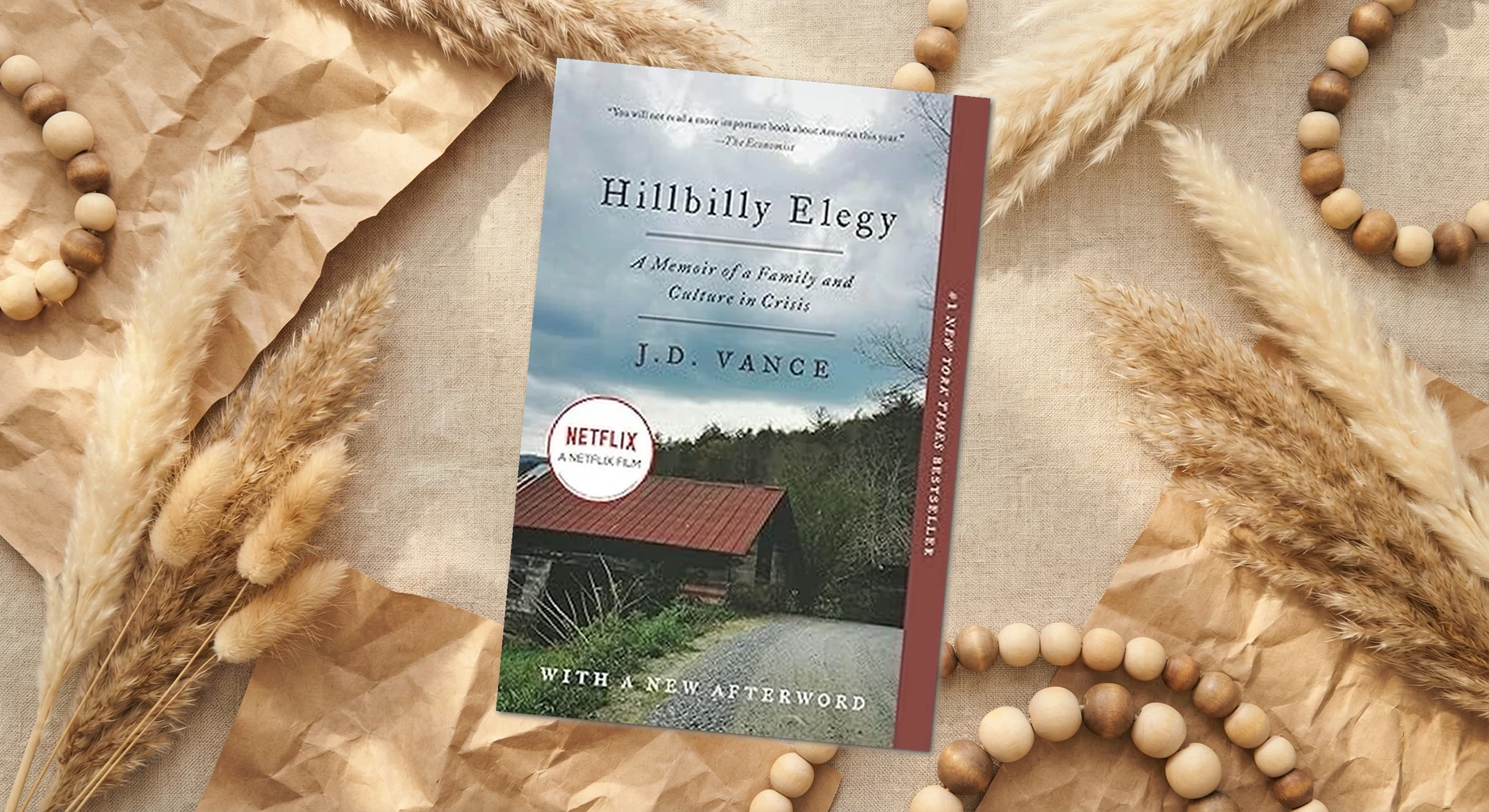
There's something uniquely poignant about reading a memoir that delves deep into the complexities of family and culture, especially one that hails from the heart of America. J.D. Vance’s Hillbilly Elegy: A Memoir of a Family and Culture in Crisis takes a hard look at the Appalachian region and the struggles faced by its working-class families. As I turned the pages, I found myself reflecting on Vance's experiences and how they intersect with broader societal issues.
At its core, this memoir chronicles Vance’s upbringing in a family that swims against the tide of what we might consider the American Dream. Born to a family steeped in the traditions and trials of the working class in Ohio, Vance paints a vivid picture of his childhood, marked by love, chaos, and resilience. He captures the struggles of his mother, a woman battling addiction and instability, and his grandmother, a fierce but flawed matriarch who played a crucial role in his upbringing. There’s something almost heartbreaking about the love-hate dynamic Vance shares with his family. You can see both his admiration and frustration shining through, and I found myself resonating with that duality.
One of the most compelling aspects of Hillbilly Elegy is Vance’s candidness about the impact of socioeconomic factors on individual lives. He explains how his family's struggles are not just personal failures but part of a larger societal issue that affects many in similar circumstances. For those unfamiliar with the struggles of the Appalachian community, Vance’s memoir serves as a vital window into their experiences—often characterized by economic despair, lack of access to education, and the complex interplay of cultural identity and class.
There were moments in the book that truly struck me, particularly his reflections on the importance of family and community. Vance highlights the warmth and love within his family, despite the chaos. The anecdotes he shares, from the humorous to the tragic, paint a picture of a world where familial bonds often serve as both a refuge and a source of conflict. For example, his vivid recollection of family gatherings—filled with laughter, tension, and sometimes violence—was something I could relate to in my own life. As Vance notes, “You can take the person out of the hillbilly, but you can’t take the hillbilly out of the person.” The struggle for identity amidst these conflicting cultural narratives is something many readers can empathize with, regardless of their background.
However, while Vance’s narrative is deeply personal, it also stirs up larger conversations about class, race, and political identity in America. His portrayal of the challenges faced by those in the working class is both a critique and a call to action. He addresses the pervasive stigma attached to poverty and how it affects the psyche of individuals trapped in a cycle of despair. It’s a sobering reminder that the fight for dignity and respect is ongoing, and Vance’s experiences serve as a microcosm of this struggle.
I would be remiss not to mention that Hillbilly Elegy has garnered mixed reactions from readers and critics alike. Some praise it for its honesty and the light it sheds on an often-overlooked demographic, while others criticize it for what they perceive as a lack of depth or nuance in its analysis. Personally, I found merit in both perspectives. While I appreciated Vance's storytelling and the personal nature of his account, at times I felt that his insights could have been expanded upon. He touches on systemic issues, but I craved a deeper exploration of the larger forces at play.
What stood out to me was the rawness of Vance's voice. He writes with a sense of urgency, a desire to be understood, and perhaps even to be forgiven for his family's struggles. This urgency is palpable, especially when he reflects on his own journey to escape the constraints of his upbringing. There's a sense of hope interwoven with his narrative—a belief that change is possible, albeit difficult. He demonstrates this through his own experiences, moving from the chaos of his childhood to the halls of Yale Law School, embodying the potential for upward mobility. But his success does not come without its own set of challenges and complexities.
In terms of structure, Vance’s memoir is straightforward, moving chronologically through his life. His storytelling is accessible, which I appreciated, but I sometimes wished for a little more literary flair to match the emotional weight of the subject matter. The straightforward approach works well to convey his experiences but left me wanting more in terms of stylistic depth.
As I closed the book, I felt a mix of sadness and reflection. Hillbilly Elegy is more than just a memoir; it’s a cultural critique, a personal tale, and a lens into a world that many choose to overlook. Vance’s journey is a reminder of the power of resilience and the importance of understanding the complexities of our nation's cultural fabric.
Overall, I would rate Hillbilly Elegy a solid 3.5 out of 5. While it may not resonate with everyone, it’s undoubtedly a significant work that invites critical conversations about class, identity, and the ever-present struggles that define the American experience. Whether you agree with Vance’s conclusions or not, his story is one worth reading, and it may just prompt you to consider perspectives you haven't thought about before. If you're looking for a memoir that is equal parts heart-wrenching and eye-opening, give this one a shot. It will encourage you to reflect on your own understanding of culture, identity, and the ties that bind us to our roots.