How to Test Negative for Stupid: And Why Washington Never Will
by John Kennedy
5.0/5
by John Kennedy
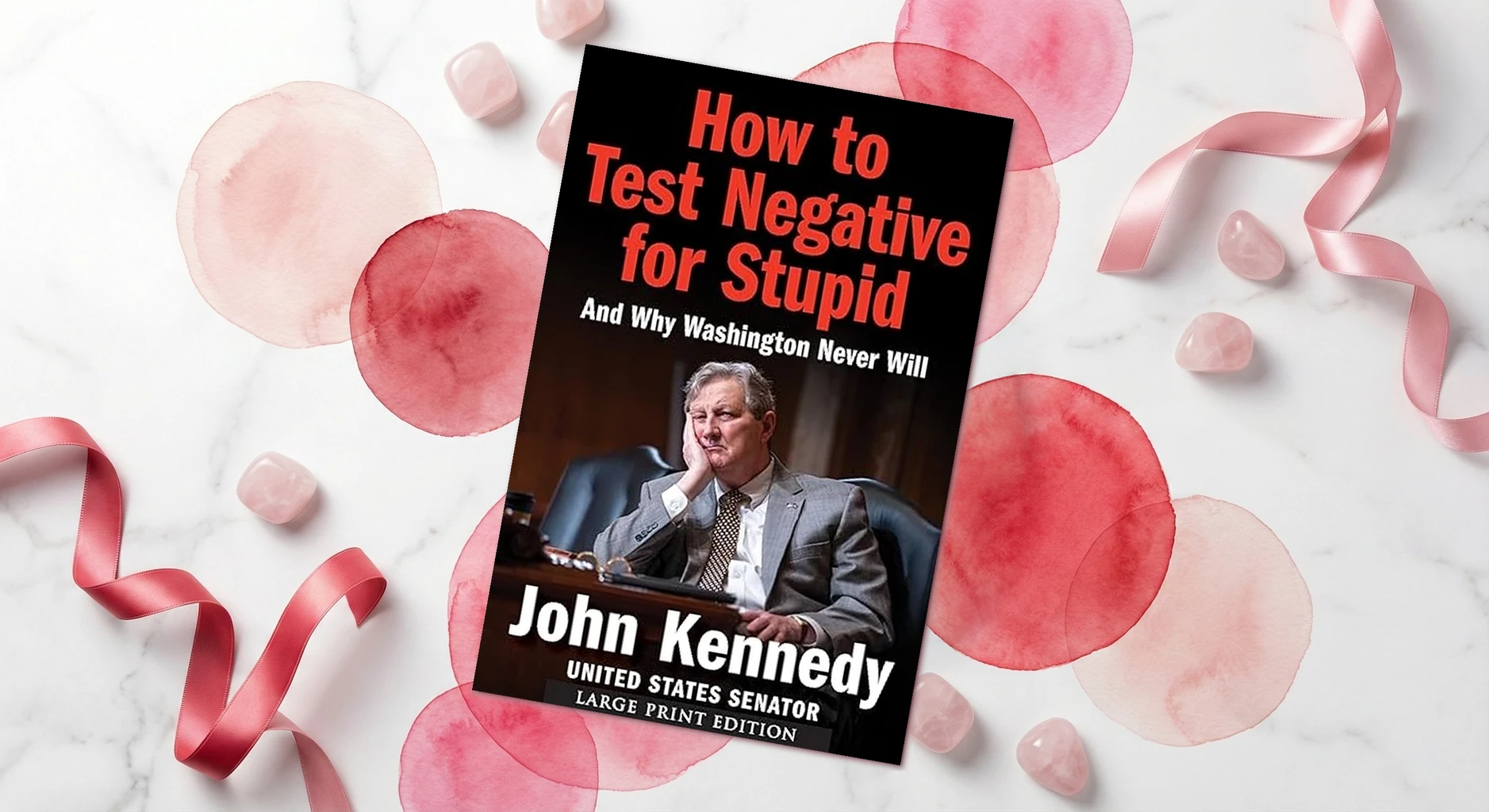
John Kennedy’s book is a delightful and thought-provoking exploration of the ongoing futility of political discourse and the cultural currents that keep us in a loop of frustration. The very essence of this book calls to mind the cynicism and disillusionment many of us feel about our government, particularly in Washington, where common sense seems like an endangered species. If you’ve ever felt like you were screaming into the void, this book is for you.
Kennedy does an incredible job addressing the pervasive issue of ignorance in politics, making it relatable, and at times, achingly funny. His razor-sharp wit cuts through the dense fog of political jargon, breaking down complex subjects into digestible bits while inviting readers to think critically about the absurdities that permeate our political landscape. The narrative flows easily, guiding you through a labyrinth of ideas that feel both timely and timeless.
What strikes me most about this book is how Kennedy manages to balance humor with a serious critique of the status quo. His voice is refreshingly candid, making it easy to connect with his perspective. As I read, I felt like I was chatting with a knowledgeable friend over coffee, sharing exasperated sighs about the state of our world. Friends of mine who also read this book echoed my feelings, noting how they appreciated the way Kennedy interspersed humor with serious commentary. It’s like he’s saying, “Yes, everything is terrible, but let’s not lose our sense of humor while we figure it out.”
Kennedy’s ability to weave personal anecdotes into the larger narrative adds a layer of intimacy to the reading experience. He uses his own experiences as a touchstone for exploring broader themes, which makes the book feel grounded and relatable. This storytelling technique invites readers to reflect on their own lives and how they intersect with the larger socio-political context. It’s the kind of writing that leads you to pause and consider: “How does this apply to me?”
The central premise of the book revolves around the idea that our society has become complacent in its ignorance. The author challenges readers to actively confront the notion of stupidity—both in themselves and in the institutions that govern their lives. It’s a call to action, urging us to test negative for this pervasive “stupid” culture that seems to be running rampant.
Kennedy expertly illustrates the absurdities of modern-day politics, shedding light on the pervasive ignorance that seems to thrive in the hallowed halls of Washington. He discusses how misinformation spreads like wildfire, fueled by social media, news outlets, and the echo chambers we willingly inhabit. It’s a sobering reminder that knowledge is power, but only if one chooses to engage with it responsibly.
Several passages genuinely made me chuckle—especially those where he highlights the ridiculous contradictions that we often accept as normal. For example, his commentary on politicians who espouse one thing to their constituents while acting contrarily behind closed doors is both amusing and maddening. I found myself nodding in agreement, thinking, “Yes, that’s exactly it!”
The author’s insights on the younger generation’s approach to politics also resonated with me. While my friends and I often bemoan the apathy of our peers, Kennedy’s perspective reminds us that awareness and engagement can take many forms, and that there’s potential for real change if we allow ourselves to become informed. This hopeful undertone, laid against an otherwise cynical backdrop, is perhaps one of the book’s greatest strengths.
Among the many topics Kennedy tackles, one that stood out to me was the role of social media in shaping our political landscape. It’s a double-edged sword, he notes, providing a platform for voices that may have otherwise gone unheard while simultaneously breeding divisiveness and misinformation. This discussion is particularly poignant in our current climate, where tweets can spark outrage before the facts have even had a chance to surface. I’ve had conversations with friends who feel similarly overwhelmed by the barrage of information, and Kennedy captures that sense of confusion perfectly.
The pacing of the book is masterful. Each chapter flows seamlessly into the next, creating a rhythm that makes it hard to put down. I often found myself saying, “Just one more chapter,” until I realized I was halfway through the book in one sitting. This sense of urgency mirrors the very message Kennedy conveys: change is needed, and it’s needed now.
Kennedy also delves into the idea of personal responsibility. He challenges readers to consider their own roles in perpetuating the culture of ignorance. It’s not enough to simply point fingers at politicians; we must also reflect on our own actions and the ways we can contribute to a more informed society. This self-reflective approach is refreshing and serves as a reminder that change begins with us.
One of my friends, a fellow book lover, commented on how Kennedy’s writing felt like a wake-up call. It’s easy to fall into complacency, especially when the news cycle feels relentlessly bleak. But Kennedy’s narrative is infused with urgency, pushing readers to confront uncomfortable truths and take action. This aspect of the book is particularly relevant in today’s context, where political apathy is all too common.
As I reached the final chapters, I found myself grappling with the questions Kennedy posed: What does it mean to be informed? How can we actively combat ignorance in our own lives? It’s this kind of thought-provoking inquiry that lingers long after the last page is turned.
This book is not just a critique of Washington; it’s a call to arms for all of us. We cannot afford to be passive observers in a game where the stakes are so high. If we want to foster a culture of critical thinking and informed discourse, we must first “test negative for stupid.” It’s a compelling challenge that resonates deeply, urging us to rise above the noise and engage actively with the world around us.
If you’re looking for a read that will make you laugh, think, and perhaps even inspire you to take action, look no further. This book is a gem, and it’s one I’ll be recommending to everyone I know. Dive in, and be prepared to emerge not only entertained but also enlightened.