How to Win Friends & Influence People
by Dale Carnegie
4.5/5
•
by Dale Carnegie
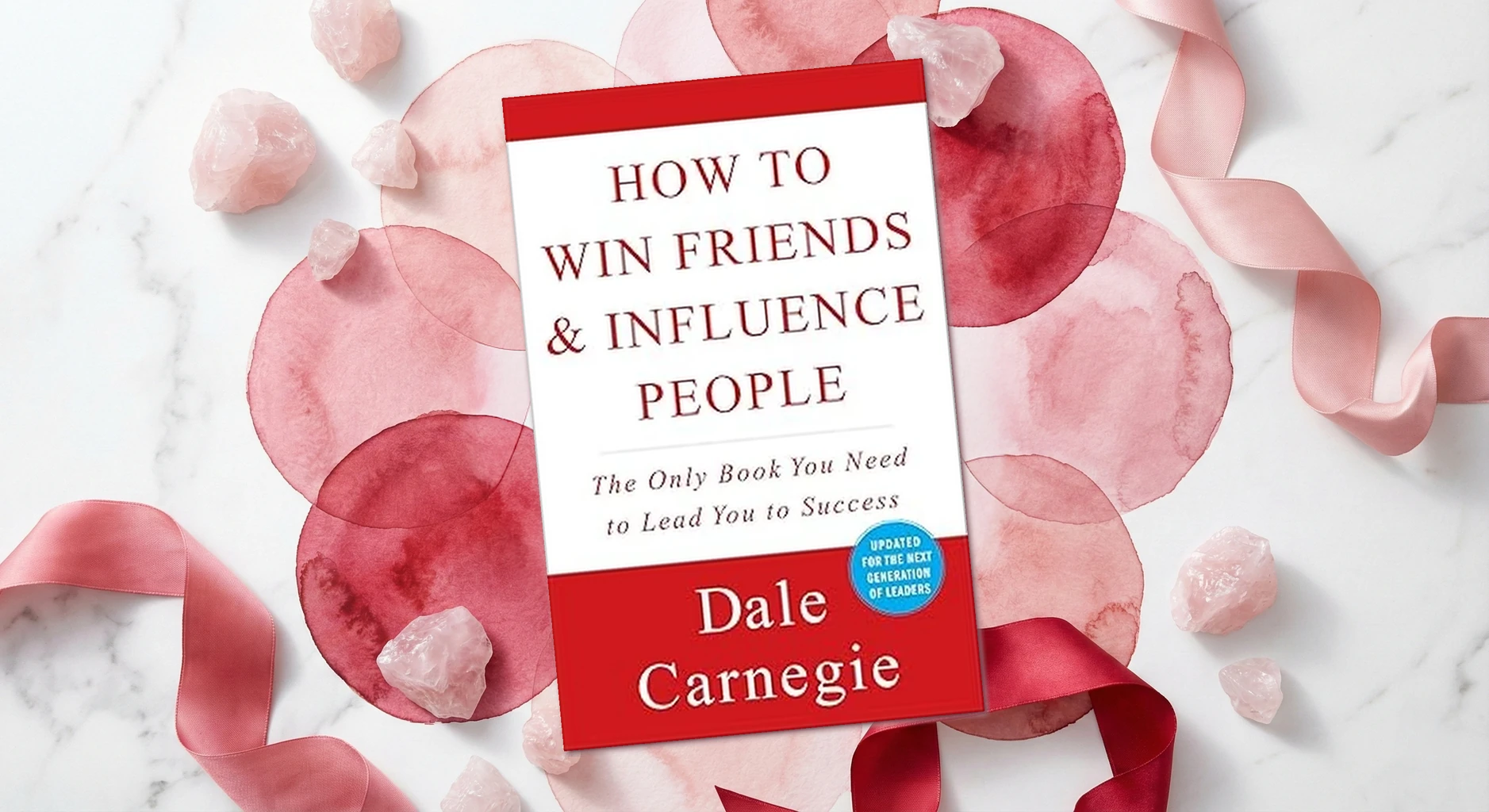
In the realm of self-help and personal development, few books have stood the test of time quite like Dale Carnegie's classic. This book has been around for decades, resonating with readers from all walks of life, and for good reason. Carnegie’s insights are not merely theoretical; they’re grounded in human psychology and experience, making them applicable to our everyday interactions.
When I first ventured into Carnegie's work, I did so with a mix of excitement and skepticism. After all, there are countless self-help books that promise to provide a roadmap to success in relationships and career, yet many leave readers feeling unfulfilled. However, as I turned the pages, I quickly realized that this book is a treasure trove of practical advice that feels as relevant today as it did when it was first published in 1936.
One of the key takeaways for me was the emphasis on understanding others' perspectives. Carnegie posits that the foundation of winning people over lies in recognizing their feelings and viewpoints. This is brilliantly illustrated through anecdotes and examples that resonate deeply. He emphasizes the power of listening, a skill that many overlook in this age of digital noise. It’s not just about waiting for your turn to speak, but genuinely engaging with others and valuing their input. For instance, Carnegie suggests that by showing sincere interest in others, we not only build rapport but also open the door to more meaningful connections.
The book is packed with actionable strategies, many of which I found myself implementing almost immediately. One particularly effective technique is the simple but profound act of remembering names. Carnegie argues that a person's name is, to that person, the sweetest sound in any language. He encourages readers to take the time to remember and use names in conversation, and I must say, I’ve found that doing so has transformed the way I interact with people. It creates an instant connection.
Another golden nugget of wisdom is the idea of empathy. Carnegie speaks to the importance of seeing things from the other person's perspective and offering genuine compliments. He provides numerous examples of how small gestures can lead to significant relational improvements. I think about how often we get caught up in our own narratives and forget to step outside ourselves. The book serves as a gentle reminder that a little kindness and understanding can go a long way.
There’s also a section that delves into the art of conversation, which I found particularly engaging. Carnegie outlines the importance of encouraging others to talk about themselves and their interests. This shifts the focus away from self-centeredness and fosters a more inclusive environment where everyone feels valued. It echoes the age-old adage of "people love to talk about themselves," and Carnegie provides the tools to make that happen effectively.
Critics of Carnegie's work might argue that some of his advice feels a bit manipulative, as if he’s advocating for a method of charming people into liking you. But I think this perspective misses the heart of his teachings. His suggestions are rooted in mutual respect and understanding, not mere manipulation. It’s about building genuine relationships rather than superficial ones. For anyone skeptical about the intention behind Carnegie’s advice, I encourage you to look past the surface and delve into the deeper motivations for connection he advocates.
Reading this book also illuminated the ways in which my own communication style could be improved. There were moments when I caught myself nodding along, recognizing habits I had formed that were less than conducive to building relationships. Carnegie's insights prompted me to reflect on my interactions and make conscious changes, whether that meant being more patient, asking more questions, or simply listening more attentively.
While I can't ignore some outdated examples and cultural references that occasionally feel a bit out of touch, I’ve found that the core principles are timeless. A few readers have mentioned that certain anecdotes seem a tad dated, but the overarching messages resonate strongly. It’s like walking into a vintage shop—while some pieces might not suit modern tastes, the essence of those items still holds value.
The impact of Carnegie’s writings is evident in the reception it has received over the years. Even today, countless readers cite the book as a turning point in their personal and professional lives. It’s no surprise that many successful leaders and influencers attribute their communication skills to the foundational teachings in this work.
With a rating of 4.5 stars in my book, I genuinely believe that this work is essential reading for anyone looking to enhance their social skills and deepen their interpersonal connections. Whether you’re navigating professional landscapes or simply aiming to improve your personal relationships, Carnegie’s insights offer a roadmap that is both practical and profound.
In conclusion, this book is more than just a guide; it’s a masterclass in human connection. Carnegie’s ability to distill complex psychological principles into easily digestible advice is nothing short of remarkable. If you’re looking to foster better relationships, grow your influence, and ultimately lead a more fulfilling life, I wholeheartedly recommend diving into this classic. It’s a read that will stay with you long after you’ve turned the final page, echoing in your interactions and shaping how you connect with the world.