Imagine Heaven
by John Burke
5.0/5
by John Burke
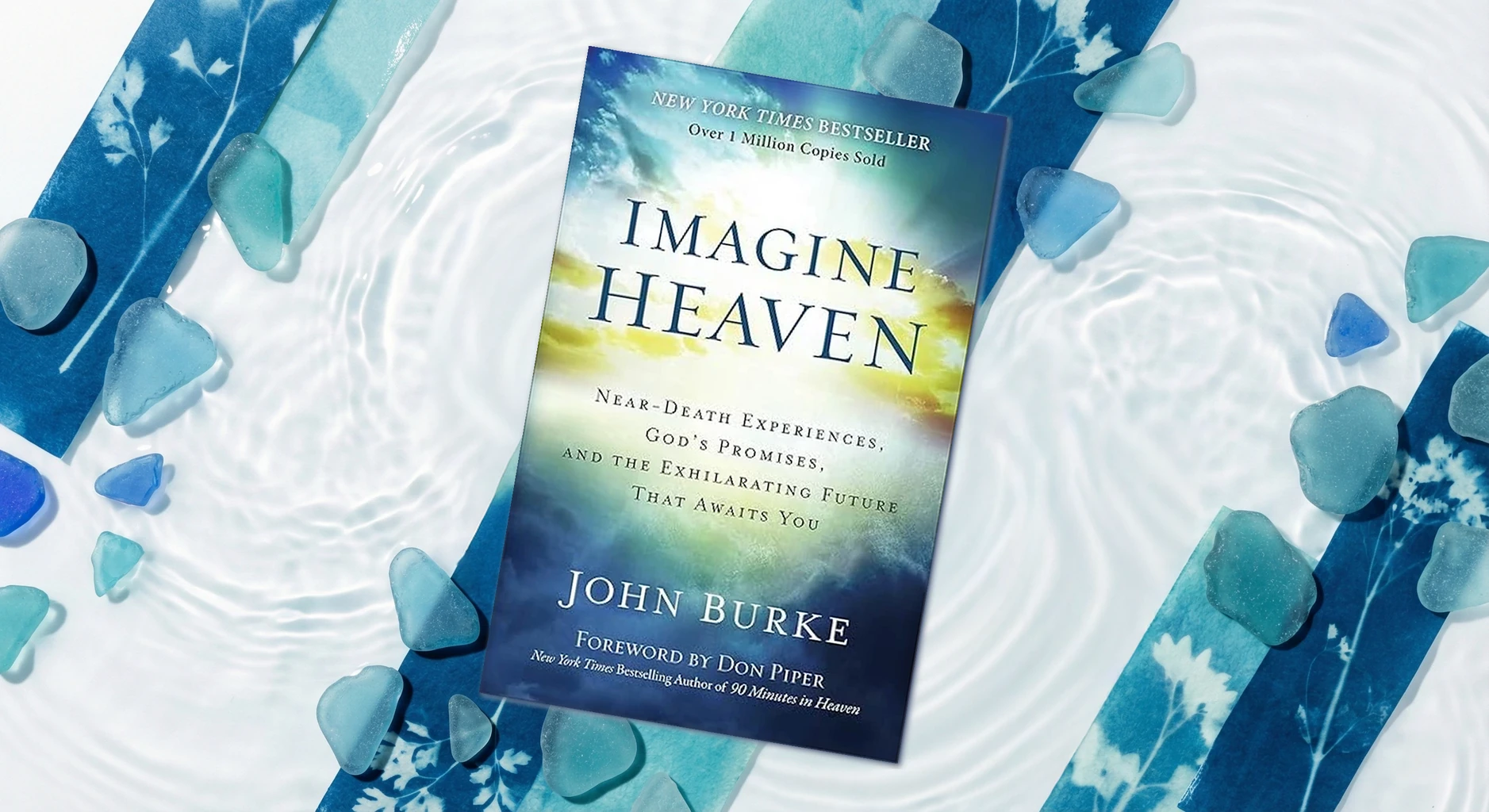
I recently dove into the warm embrace of a book that has been making waves among my circle of friends and beyond. John Burke’s exploration of near-death experiences is nothing short of mesmerizing. It’s one of those reads that sticks with you long after you turn the final page, wrapping around your heart like a comforting blanket on a cold night.
From the very first chapter, I was struck by the author’s ability to weave together a tapestry of stories and insights that challenge conventional understanding of life, death, and what may lie beyond. Burke, through his compelling narrative, draws from a wealth of near-death experiences, presenting them not just as anecdotal evidence but as a profound exploration of a shared human phenomenon. His perspective has shifted the way I think about mortality, spirituality, and the shimmering possibility of an afterlife.
As I delved deeper, I was continually amazed by the vivid descriptions Burke offers, painting a picture that is almost ethereal. He invites readers into these experiences with a genuine curiosity and respect for the profound nature of each story. I felt as though I was sitting with Burke around a flickering campfire, listening intently as he shared tales of individuals who had glimpsed something beyond our earthly existence.
My friends, who have also taken the plunge into this book, have shared their thoughts with me, and it’s fascinating how varied our experiences have been. Some were moved to tears, grappling with the emotional weight of the narratives. Others found themselves pondering their own beliefs and experiences, inspired to reflect on what they might hold as truths in their lives. The rich diversity of reactions makes for lively discussions, often spiraling into late-night conversations about the mysteries of life and death.
Burke’s adept storytelling ensures that the book never feels heavy-handed. It dances gracefully between science and spirituality, exploring the complex interplay of both. He doesn’t shy away from the skepticism that surrounds conversations about the afterlife, instead choosing to engage with it thoughtfully. He presents the scientific research surrounding near-death experiences, backing up his claims with credible studies and expert opinions, which adds a layer of credibility and depth to the work.
One of my favorite aspects of the book is how Burke emphasizes the common threads that run through these experiences. The themes of love, light, and a sense of peace resonate across diverse accounts, regardless of the individuals’ backgrounds or beliefs. As I read, I couldn’t help but reflect on the universal human experience. It’s a reminder that beneath our differences, we share a deep-seated yearning for connection, understanding, and perhaps a glimpse of what lies beyond.
I also appreciated how Burke addresses the emotional aftermath that many individuals face after their near-death experiences. It’s not just about the experience itself, but how it transforms lives. The crushing weight of returning to a world that often feels mundane and unremarkable compared to the profound beauty they encountered is a theme that hit home for me. It’s a poignant reminder of what truly matters in life—love, connection, and the pursuit of meaning.
Throughout the book, there are these moments—small, almost whispered truths—that caught me off guard. They felt like gentle nudges from the universe, encouraging me to rethink my own life choices. The reflections on how we prioritize our lives struck a chord, leading me to consider what I value most and how I can align my actions with those values.
I must mention the way Burke frames the stories—each anecdote feels like a thread in a larger tapestry, intricately woven together. If you’ve ever sat around a fire, sharing stories with friends, you’ll understand the warmth that permeates the text. Each account is distinct, yet they resonate with a shared humanity that transcends individual stories. The way he presents these experiences fosters a sense of community, sparking a desire to engage with others on similar journeys of exploration.
What struck me was how Burke manages to maintain an open heart while exploring such profound concepts. There’s no preachiness, no dogma; rather, it’s an invitation to explore our own beliefs and experiences. This openness creates a safe space for readers of all backgrounds, whether they come from a religious, spiritual, or secular perspective.
As I neared the end of the book, I found myself reflecting on my own experiences with loss and mortality. It prompted me to reach out to loved ones, to share my thoughts and feelings, to connect more deeply. The journey through the pages felt less like an isolated experience and more like an invitation to engage with the world around me. It was as if Burke was nudging me to not just read, but to live, to love, and to embrace the moments that matter most.
I’ve come to realize that this book serves as both a guide and a companion on the journey of understanding life and what may come after. It encourages introspection and connection, making it a beautiful addition to anyone’s reading list.
If you’re seeking a book that inspires contemplation, one that challenges your worldview and invites you to explore the depths of your beliefs, you’ll find that this work is a treasure trove of insights. Burke’s storytelling is rich and layered, creating a reading experience that is at once enlightening and comforting.
For me, it’s a solid five stars, no question. If you’ve ever wondered about the mysteries of life and death, or simply seek a deeper understanding of the human experience, I cannot recommend this enough. It’s a journey worth taking, one that will linger in your thoughts and conversations long after you’ve turned the final page. Whether you’re a skeptic or a believer, you’ll find something to resonate within these pages, an exhilarating exploration of heaven and the human spirit.