On Mystic Lake
by Kristin Hannah
4.5/5
by Kristin Hannah
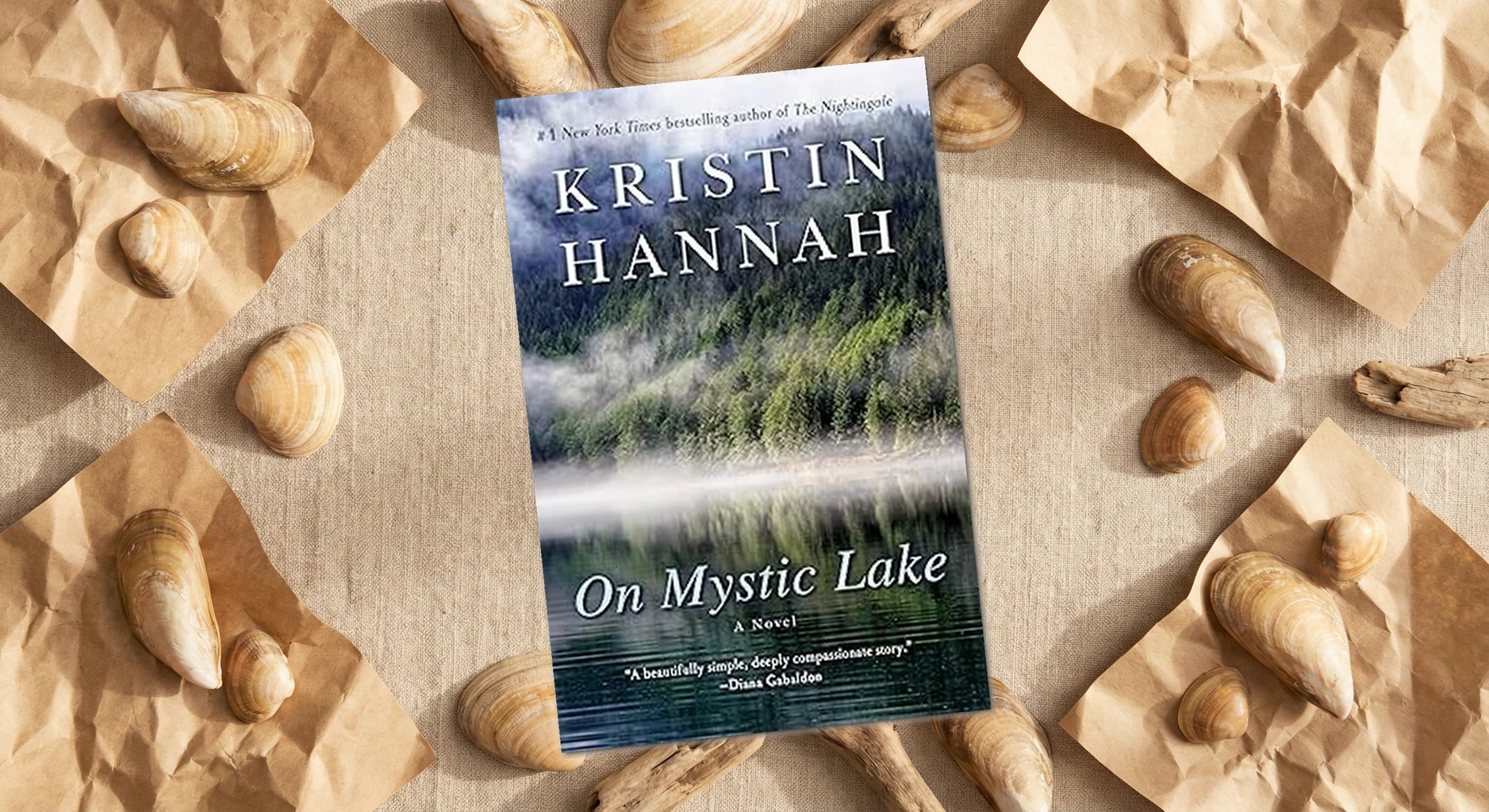
Kristin Hannah's work often delves deep into the complexities of human emotions, and her skill in weaving intricate narratives shines brightly in this particular tale. Set against the backdrop of a picturesque yet hauntingly evocative landscape, Hannah explores the profound themes of love, loss, and the search for identity in her exploration of relationships that span decades and delve into the heart of forgiveness.
In On Mystic Lake, we meet our protagonist, Annie, a woman at a crossroads in her life. After a tumultuous marriage, she finds herself returning to her roots—a childhood home by the serene yet turbulent waters of Mystic Lake. There's something magical about returning to the places where we grew up, isn’t there? Those settings often hold echoes of our younger selves, of dreams we once had, and of the relationships that shaped us. For Annie, this return is not just a physical journey; it’s a journey back to her essence. Through Hannah's vivid prose, we can almost hear the whispers of the lake, calling out with memories that refuse to be forgotten.
Annie’s life has been colored by choices that now weigh heavily on her psyche. Her marriage, marred by infidelity and emotional distance, propels her back into the arms of the past. And in that past, we find the haunting figure of her first love, the brooding, enigmatic Nick. Their rekindled relationship becomes the heart of the novel—an exploration of what it means to love someone deeply, only to lose them, and then perhaps find a way back.
What I found particularly captivating is how Hannah depicts the evolution of love. It’s not just about the initial spark; it’s about the years that follow, the challenges faced, and the resilient nature of the human heart. The portrayal of Annie and Nick's relationship feels real, textured with the complexities and nuances that come with history.
The setting of Mystic Lake becomes a character in its own right. Hannah's descriptions of the landscape are rich and immersive, each word dripping with a sense of nostalgia and longing. I could almost smell the pine trees and feel the cool breeze off the water. It's as if the lake itself holds memories—a silent witness to the joys and sorrows of those who venture near. The juxtaposition of this beautiful, serene location against the tumultuous emotions of the characters creates a palpable tension throughout the narrative.
Hannah weaves a tapestry of secondary characters that elevate the story further. Each character brings their own baggage and adds depth to the narrative. There’s a sense of community in this novel, one that reflects the interconnectedness of our lives. The way Hannah captures the nuances of these relationships—be it friendship, family dynamics, or even casual acquaintances—adds layers to the story. Each character's journey intersects with Annie's, reminding the reader that we are all shaped by those around us.
One of the most touching aspects of On Mystic Lake is the theme of forgiveness. As Annie grapples with her past mistakes and the pain inflicted by others, we witness her journey toward healing. Hannah's exploration of forgiveness is tender and authentic, steering clear of clichés and instead offering a nuanced view that resonates deeply. It’s a reminder that forgiveness doesn’t come easily; it’s a process, often fraught with setbacks and revelations.
The emotional undertones in Hannah's writing are what truly set this novel apart. There's a rhythm to her prose that feels both melodic and impactful. Moments of profound introspection are balanced by lighter, more humorous exchanges, creating a dynamic reading experience. The pacing is deliberate, allowing for reflection, while also propelling the narrative forward—much like the waves that lap against the shores of Mystic Lake.
Critics and readers alike have praised On Mystic Lake for its emotional depth and relatable characters. Many resonate with Annie’s journey of self-discovery and the complexities of rekindled love. The consensus seems to be that Hannah manages to encapsulate the essence of the human experience beautifully—capturing our fears, desires, and the hope that often lies just beneath the surface.
However, some readers have pointed out that the pacing can feel slow at times, especially during the more contemplative sections. While I appreciate the introspection, I can see how some might wish for a bit more action or urgency. But for me, these moments of reflection are what elevate the narrative, allowing the reader to savor the emotional landscape Hannah has crafted.
As I turned the final pages of On Mystic Lake, I found myself reflecting on the nature of love and the complexities of human connections. It’s a poignant reminder that our past shapes us, but it doesn’t have to define our future. Hannah leaves us with a sense of hope, suggesting that it’s never too late to find our way back to ourselves or to those we once loved.
This novel is a beautifully written exploration of love, forgiveness, and the intricate web of relationships that make us who we are. With her characteristic prose that dances across the page, Kristin Hannah has once again gifted us with a tale that reminds us of the power of returning home—in every sense of the word. So, if you’re looking for a heartfelt read that delves into the complexities of life, love, and second chances, I wholeheartedly recommend On Mystic Lake. It might just leave you with a renewed appreciation for the journeys we all undertake in the pursuit of happiness.