Station Eleven
by Emily St. John Mandel
4.0/5
•
by Emily St. John Mandel
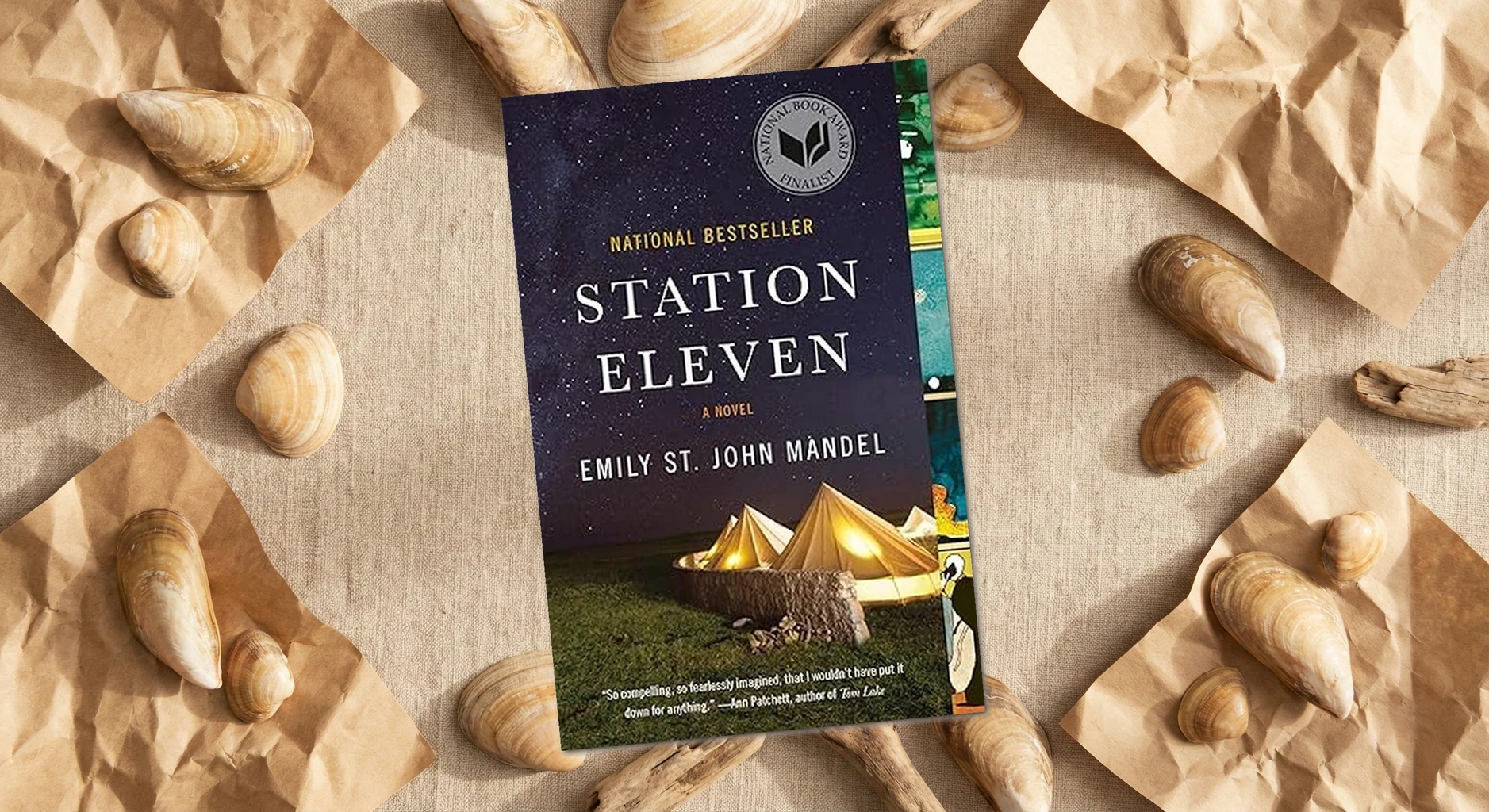
You know that feeling when you dive into a book and it feels like you’ve unearthed a hidden gem? That’s exactly how I felt as I flipped through the pages of Emily St. John Mandel’s acclaimed novel about a post-apocalyptic world. This work is not just a tale of survival; it’s an exploration of art, memory, and the fragile connections we forge with one another.
The narrative begins with a performance of King Lear that’s abruptly interrupted by a flu pandemic that sweeps through the globe, decimating the population. I was immediately struck by the sheer scope of the story Mandel is telling. The protagonist, Kirsten Raymonde, is introduced as a child actor in the play, and we follow her journey through the years — from a world where she was simply a child to her existence in a dystopian landscape that forces her to confront the harsh realities of survival. It’s a powerful reminder of how quickly the familiar can slip away and how the echoes of our past can persist even in the bleakest of circumstances.
The way Mandel weaves together the threads of past and present is nothing short of masterful. As I read, I felt the weight of every character’s memories; they were not just names on a page but real people with hopes, dreams, and regrets. The novel spans multiple timelines, and I loved how Mandel juxtaposed the early days of the outbreak with the struggles of the survivors years later. It keeps you on your toes, compelling you to think about how the events of one’s life resonate across time.
Throughout the novel, art serves as a lifeline for the characters. The Traveling Symphony, a group of musicians and actors who perform Shakespeare and classical music in the decimated world, embodies this idea beautifully. Their motto, "Survival is insufficient," resonated deeply with me. It speaks to the need for culture and beauty even amid chaos. In a world stripped down to its bare essentials, the Symphony represents a flicker of hope, a reminder that humanity’s creativity can persist even when everything else falls apart.
And speaking of hope, let’s talk about the character of Jeevan Chaudhary, the former paparazzo and aspiring medic. His journey is one of personal reinvention and resilience. His transition from photographing celebrities to saving lives is both poignant and inspiring. He embodies the idea that even in the face of imminent doom, we can choose how we respond. I found myself rooting for him every step of the way.
As I delved deeper into the book, I appreciated Mandel’s nuanced exploration of human relationships. It’s not just about survival; it's about love, loss, and the bonds that tie us together. The connections between characters like Kirsten and her fellow Symphony members, or the fleeting encounters with people from her past, are rendered in such a way that they feel achingly real. The emotional depth is palpable, and there were moments that genuinely moved me to tears.
One of the standout aspects of Station Eleven for me was its commentary on the nature of memory and the stories we tell ourselves. The characters grapple with their pasts, trying to make sense of their experiences in a world that seems to have forgotten what it meant to be human. The novel raises poignant questions: What do we carry with us when everything else has been taken away? What stories do we choose to remember, and what do we let fade away?
In reviews across the board, readers have praised Mandel’s prose for its lyricism and evocative quality. Her writing is rich and immersive, pulling you into the world she has crafted. Even in moments of despair, there is a certain beauty in her words that kept me turning pages late into the night. It was a reminder that even in darkness, there is light — and often, that light is found in our shared stories.
However, as I reflect on my reading experience, I do have to acknowledge that some moments felt slower than others. The pacing can meander, particularly in sections that delve into the backstories of various characters. While these explorations add depth, there were times when I found myself wishing to be propelled forward in the narrative. This could be a point of contention for some readers, but for me, the richness of the world-building ultimately outweighed any dips in pacing.
As the novel draws to a close, I was left pondering its central themes long after I had turned the final page. The idea that art and beauty can survive, and even thrive, in the aftermath of devastation is a powerful one. Mandel's work serves as a poignant reminder of the resilience of the human spirit and the importance of connection. The juxtaposition of a world ravaged by a pandemic and the undying spirit of creativity is something that lingers in your mind, making you reflect on your own life and the value of the moments we often take for granted.
In a world increasingly marked by uncertainty, Station Eleven offers a haunting reflection on what it means to be human. The characters feel like friends, their journeys resonate with our own, and the questions posed by the narrative linger in the air long after the story concludes.
As I closed the book, I couldn’t help but feel that it had broadened my perspective on life, art, and the connections we share with others. I rated this book a solid 4 stars not just for its lyrical writing and deep themes, but for its ability to evoke such a strong emotional response. It’s a novel that begs to be read, discussed, and cherished — a timeless exploration of humanity in all its fragility and resilience. If you’re looking for a book that will make you think, feel, and perhaps even inspire you to look for beauty in unexpected places, I would definitely recommend picking up Station Eleven.
I truly can’t recommend this book enough. It’s not merely a story of survival; it’s an affirmation of life, love, and the power of art to illuminate the darkest of times. Whether you’re a fan of dystopian fiction or simply looking for a beautifully crafted narrative that resonates on a deeply emotional level, this book deserves a place on your shelf. Trust me; you won’t regret it.