Such a Fun Age
by Kiley Reid
3.5/5
by Kiley Reid
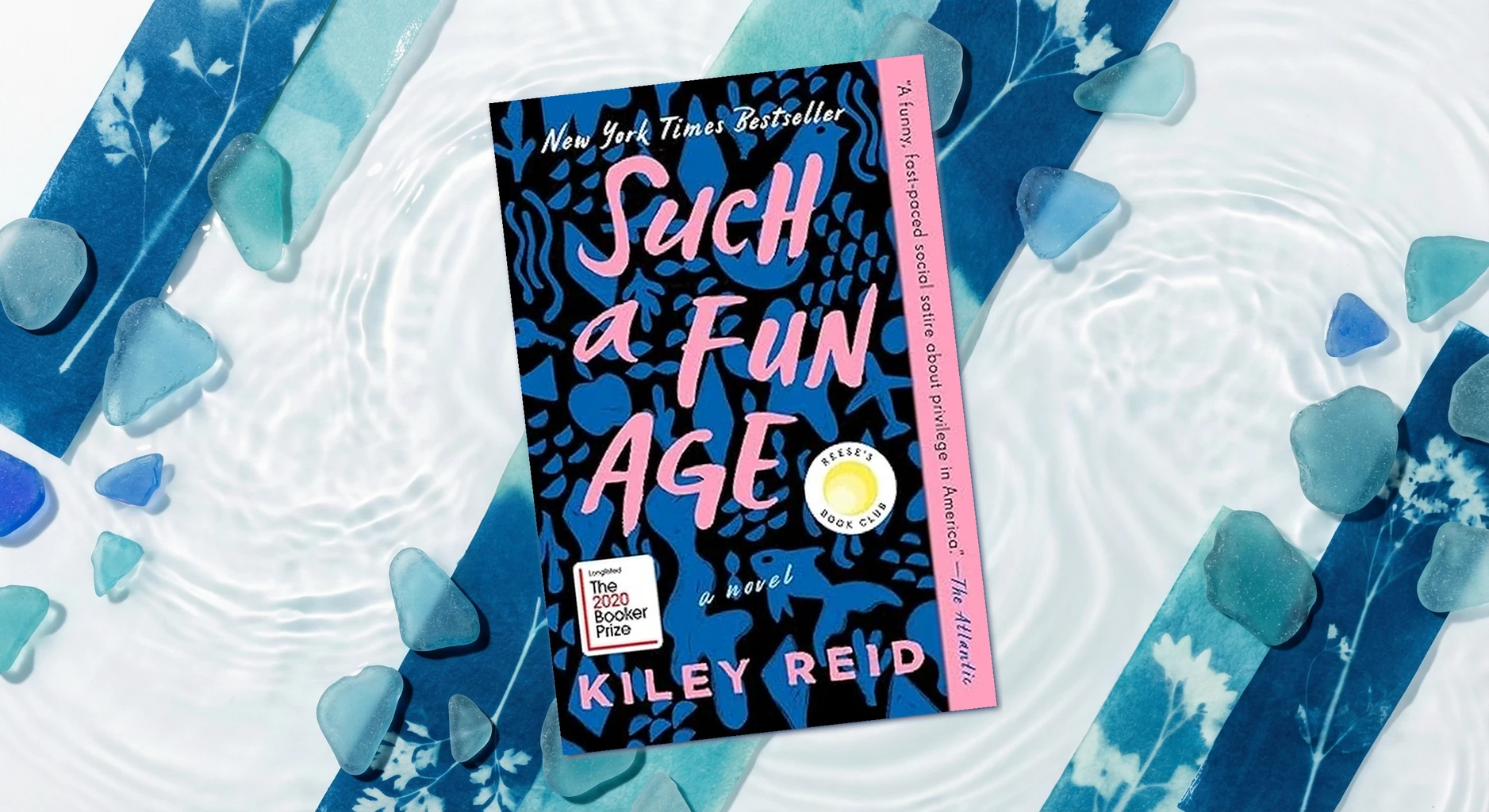
There’s something captivating about the way authors can explore complex relationships and societal dynamics, and Kiley Reid does just that in her debut novel. It’s a book that dances around themes of race, privilege, and the murky waters of personal responsibility. I found myself woven into the narrative, at times cringing, at times nodding in agreement, all while being acutely aware of the delicate threads that held the story together. For me, that was the most compelling aspect of Reid’s narrative; she has a knack for crafting characters that feel vividly real, deeply flawed, and utterly relatable.
At its core, the story unfolds when a young Black girl named Emira Tucker is wrongfully accused of kidnapping the white toddler she babysits. The incident occurs in a high-end grocery store, and from the very start, it’s clear that Reid is not just telling a story; she’s holding up a mirror to society, reflecting the biases and assumptions that often lurk beneath the surface. As Emira grapples with the fallout from this incident, we are introduced to the complexities of her relationship with Alix Chamberlain, the child’s mother. Alix is a woman steeped in her own struggles, navigating motherhood, career aspirations, and the constant weight of societal expectations.
Reading about Emira’s experiences felt like walking a tightrope, and I found myself wondering: what would I do in her shoes? Reid does an exceptional job of portraying Emira’s internal conflict as she balances her professional life, her friendships, and her sense of self-worth. Here’s a character who is ambitious and bright, yet feels the pressure of societal judgment weighing down on her.
There are moments in Such a Fun Age that provoke a visceral reaction. For example, as Emira faces microaggressions from Alix, I could feel the tension crackling in the air. Reid’s writing captures the awkwardness of these interactions; they’re not overtly hostile, but rather insidiously damaging in their subtlety. This is where Reid shines; she doesn’t shy away from the uncomfortable truths of privilege and race. Instead, she invites us to engage with them, to reflect on our own assumptions and biases, even if we might not like what we see in that reflection.
The relationship dynamics are beautifully complex and layered. Alix, with her own set of insecurities and aspirations, often falls into the trap of viewing Emira more as an accessory to her life than as a person in her own right. Alix’s attempts to “help” Emira often come off as patronizing, and as a reader, I felt the tension brewing beneath the surface of their interactions. It’s a dance of privilege that is both uncomfortable and painfully relatable. Reid captures these nuances with precision and grace, turning the everyday into something profoundly significant.
As the story progresses, I found myself caught between empathy for Alix and frustration at her blindness to her own privilege. Alix’s character serves as a poignant reminder of how easy it is to lose sight of the very real struggles faced by those around us, especially when we are so entrenched in our own lives. Reid handles this duality with care, allowing us to see the humanity in both women, while also spotlighting the societal structures that create barriers between them.
Another strength of Such a Fun Age lies in its exploration of friendships and the ways they evolve over time. Emira’s relationships with her friends offer a refreshing counterbalance to the tension with Alix. Through her interactions with her friends, we see a different side of Emira—a vibrant, ambitious woman who is still trying to find her place in the world. Reid captures the spirit of these friendships with authenticity, showcasing the laughter, support, and love that can exist even in the midst of personal turmoil.
As I navigated through the pages, I found myself reflecting on the complexities of identity and the way it shapes our relationships. Reid isn’t just asking us to root for Emira; she’s challenging us to see beyond the surface, to recognize the layers that make each character unique and multi-dimensional. This is where the storytelling shines; it’s not just a linear plot but a rich tapestry of experiences that linger long after the final page is turned.
In terms of pacing, the novel maintains a steady rhythm throughout. Reid expertly balances moments of tension with quieter, introspective scenes, allowing readers to catch their breath and fully absorb the emotional weight of the narrative. It’s a dance that keeps you engaged, and just when you think you’ve figured things out, Reid skillfully throws in a curveball that makes you reconsider what you thought you knew.
Yet, despite these strengths, I found myself longing for a bit more depth at times. While the character arcs are compelling, there were moments when I felt certain narrative threads could have been explored further. I wanted to dive deeper into Emira’s psyche, to understand more fully the impact of the events unfolding around her. However, I also recognize that this might be a stylistic choice on Reid’s part, allowing readers to fill in those gaps with their own reflections and interpretations.
Such a Fun Age is a thought-provoking exploration of race, privilege, and personal identity that resonates deeply in today’s society. Reid’s ability to weave humor, tension, and social commentary into a narrative that feels both timely and timeless is commendable. While I may have reservations about certain aspects, I can’t deny the impact the story had on me. There’s a sense of urgency and relevance that makes this book a must-read for anyone interested in understanding the intricacies of human relationships in a diverse world.
If you’re looking for a novel that will make you think, reflect, and perhaps even challenge your own assumptions, then I encourage you to give Such a Fun Age a try. Despite my mixed feelings about some elements, the journey is well worth it, and I suspect it will resonate with readers from all walks of life. Reid has crafted a narrative that invites us into a conversation about race and privilege, and it’s a conversation worth having.