Summer Island
by Kristin Hannah
4.0/5
by Kristin Hannah
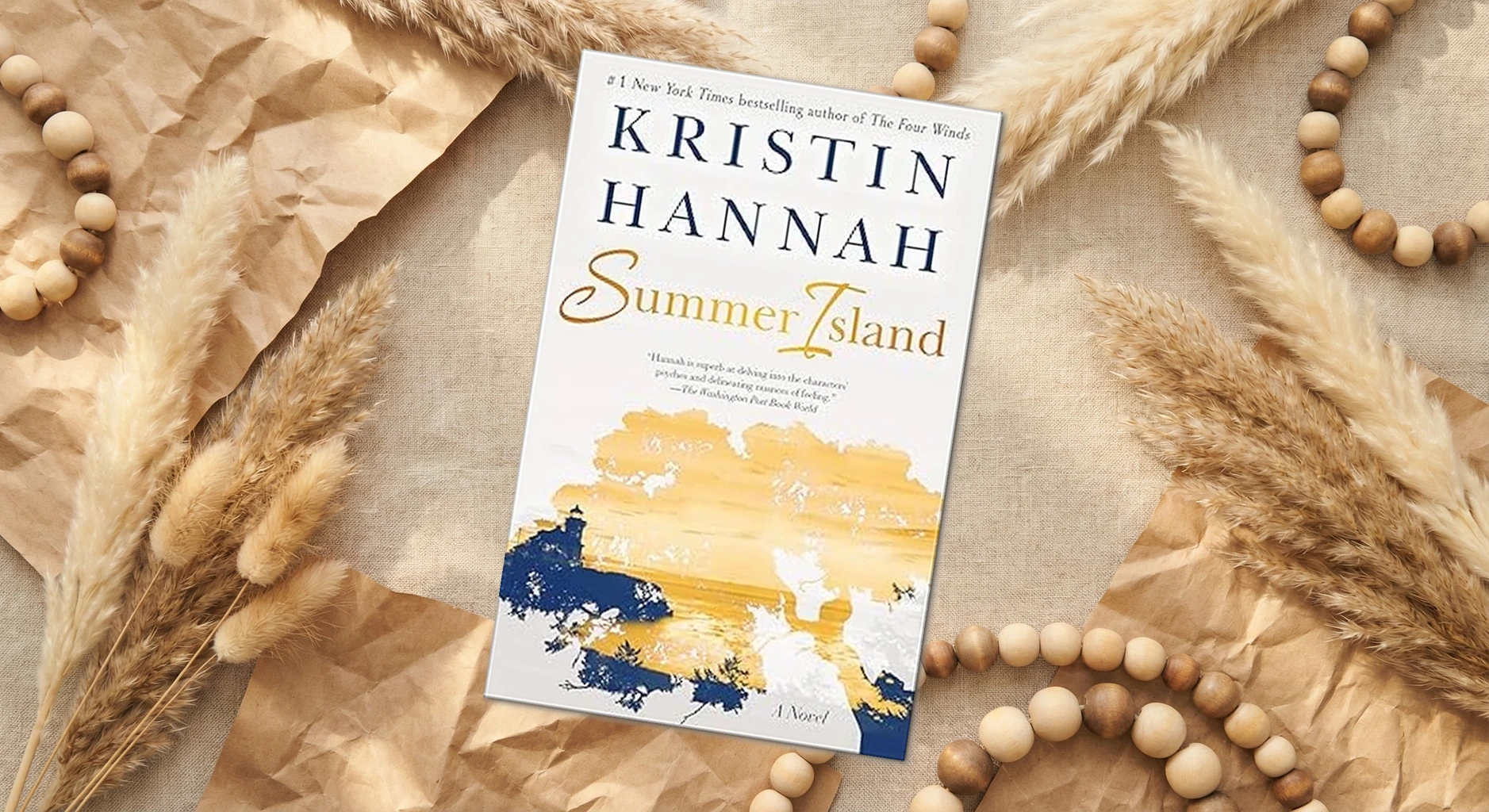
Kristin Hannah’s Summer Island is an emotional journey that explores the complexities of family dynamics, heartbreak, and the healing power of love. From the moment I opened the book, I found myself immediately drawn into the world of its characters—an experience that ultimately led me to devour the whole thing in just a few sittings. It’s the kind of story that resonates deeply, encouraging readers to reflect on their own familial relationships and the choices we make that shape our lives.
The novel follows the lives of two sisters, the fiercely independent and free-spirited Ruby and the responsible, dutiful sister, Jo. They return to their childhood home on an idyllic island off the coast of Seattle after the sudden death of their mother. But rather than just a somber reunion, this journey back to Summer Island becomes a tumultuous exploration of their past, their deeply-rooted issues, and their relationships—both with each other and with the men in their lives.
Right from the start, I appreciated how Hannah crafts her characters. Ruby is vibrant, full of life, and lives in the moment, while Jo is the one who stays grounded, often sacrificing her own dreams for the sake of family. The contrast between the sisters draws us in, allowing us to empathize with both their strengths and their flaws. It’s the kind of sibling dynamic that feels so real, so relatable. In fact, their relationship reminded me of my own with my sister, where love and tension can coexist in a way that’s both beautiful and heartbreaking.
As they navigate their grief, both sisters are forced to confront their past, including childhood memories of their mother that are bittersweet and complicated. The memories embedded in the island’s landscape are vivid and often painful, highlighting how our homes are often the settings for our most profound experiences—both good and bad. I found Hannah’s writing particularly evocative here; her descriptions of the island, with its lush landscapes and tumultuous waters, mirror the emotional waves the characters are riding.
Readers will likely find themselves investing in the various subplots that twist through the main narrative, including the romantic relationships that test the sisters’ bonds in unexpected ways. Ruby finds herself entangled with a charming but troubled artist, a character whose presence serves as both a catalyst for her growth and a point of contention between her and Jo. Meanwhile, Jo’s interactions with her estranged husband reveal layers of love and betrayal that challenge her understanding of herself and her family.
“𝘝𝘦𝘳𝘺 𝘧𝘦𝘸 𝘱𝘦𝘰𝘱𝘭𝘦 𝘪𝘯 𝘩𝘦𝘳 𝘭𝘪𝘧𝘦 𝘦𝘷𝘦𝘳 𝘨𝘰𝘵 𝘰𝘶𝘵 𝘵𝘩𝘦 𝘰𝘵𝘩𝘦𝘳 𝘴𝘴𝘪𝘴𝘵𝘦𝘳 𝘵𝘩𝘢𝘵 𝘸𝘢𝘴 𝘦𝘷𝘦𝘳 𝘴𝘵𝘪𝘭𝘭 𝘭𝘰𝘵 𝘰𝘧 𝘭𝘪𝘬𝘦 𝘸𝘦𝘳𝘦 𝘴𝘵𝘦𝘢𝘵𝘩𝘦𝘳 𝘴𝘦𝘦𝘵, 𝘎𝘭𝘦𝘢𝘥𝘪𝘯𝘨 𝘣𝘦𝘤𝘰𝘮𝘦 𝘢 𝘴𝘭𝘦𝘦𝘱𝘴𝘦𝘦𝘱.”
— Kristin Hannah, Summer Island
Moreover, Hannah’s exploration of motherhood and the generational differences in how women relate to their children is poignant. As Ruby and Jo grapple with their mother’s legacy, they dive into the complexities of their own identities as women, each carving a different path for herself. The decisions they make reflect larger themes of personal empowerment and sacrifice, making Summer Island not just a story about grief, but a multidimensional exploration of womanhood across generations.
One of the aspects that stood out to me was Hannah’s ability to balance the heaviness of the subject matter with moments of levity and humor. There are scenes that will have you laughing out loud, breaking the tension and reminding us that life, despite its challenges, is often punctuated by moments of joy.
As I read through the book, I couldn’t help but feel a personal connection to the sisters’ experiences. The writing resonates with truths about family, love, and forgiveness that many readers can relate to. The themes of reconciling past hurts while also embracing the possibility of healing are beautifully woven throughout, encouraging reflection on how we navigate our own relationships.
Readers have pointed out that Summer Island is a departure from some of Hannah’s more popular works, like The Nightingale, which may come as a surprise to her longtime fans. Yet, in many ways, this novel represents a more intimate exploration of familial bonds, with the kind of heart that is characteristic of her storytelling.
The pacing of the book is fluid, moving seamlessly between different characters’ perspectives and the past and present, creating a rich tapestry that captures the essence of what it means to face grief and rediscover love. Readers looking for a straightforward narrative might feel a bit lost in the initial chapters, but I urge you to stay the course. The unfolding story rewards patience, presenting complex characters who evolve in realistic ways.
Ultimately, Summer Island is a tale of resilience, love, and the ties that bind us to one another. I found myself thoroughly invested in Ruby and Jo’s journey, rooting for their growth and healing as they navigated the rocky shores of their emotional landscape. The book left me reflecting on my own family and the importance of understanding and forgiveness, making it a perfect companion for anyone who cherishes the bonds of sisterhood, love, and the beautiful complexity of human relationships.
While Summer Island might not be as widely celebrated as some of Hannah's other novels, it is a heartfelt exploration of family that will resonate with many readers. Whether you’re familiar with Hannah’s other works or approaching her for the first time, this book has the power to touch your heart and remind you of the importance of connection, even in the face of loss. If you’re in the mood for a moving story that beautifully captures the layered dynamics of family life, I wholeheartedly recommend diving into this summer read.