Surviving The Forest
by Adiva Geffen
4.0/5
by Adiva Geffen
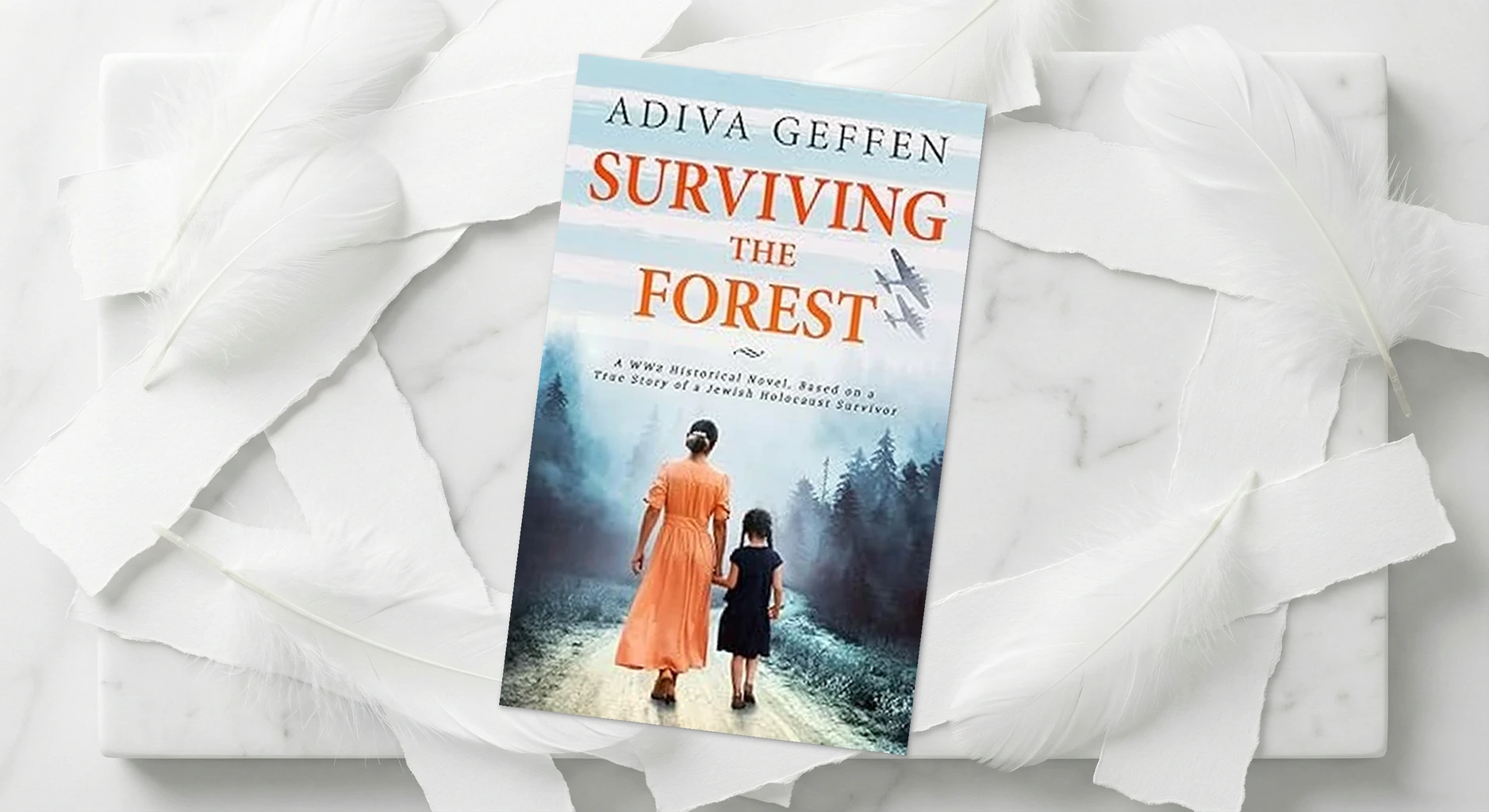
In the heart of a dark and tangled past, a tale unfurls—one that grips you, pulls you through the wreckage of survival, and dares you to confront the unimaginable. This is the essence of Adiva Geffen’s work, where the echoes of history linger like shadows, inviting us to bear witness to the resilience of the human spirit.
The narrative is a poignant exploration of survival during one of the most harrowing periods in modern history. Geffen, with her deft storytelling, immerses us in a world where every decision hangs like a fragile thread over an abyss of despair. The story is not merely about surviving—it’s about what it means to live when the world around you crumbles.
As I flipped through the pages, I was continually reminded of how history often feels like a distant echo, yet in this case, it breathes with an urgency that is both haunting and necessary. The author crafts her characters with a deep understanding, transforming them into vessels of hope amid despair. They are not just survivors; they are warriors, each grappling with their own vulnerabilities and strengths.
I remember discussing the book with my friends who have also taken the journey through these pages. They echoed my sentiments, often remarking on the profound impact it had on their understanding of resilience. The conversations flowed, each of us unraveling threads of our own experiences, realizing how deeply the themes resonated with our realities.
Geffen’s prose is lyrical yet stark, a juxtaposition that captures the essence of the narrative. Consider this moment: “In the forest, silence is a language of its own.” It’s a simple, yet profound observation that ripples through the text, reminding us of the weight of unspoken words and the enormity of solitude. Each line is steeped in emotion, pulling you deeper into the intertwining fates of the characters.
What struck me most was how Geffen refrains from glorifying survival. Instead, she reveals its raw complexity. Survival is messy; it’s filled with doubts, regrets, and the haunting specter of loss. The protagonist's journey is one of grappling with moral dilemmas, where choices often come with unbearable consequences. My friends and I couldn't help but dissect these moments, debating the ethics of survival in such dire circumstances.
The emotional weight of the story is palpable. I found myself pausing often, letting the gravity of a situation wash over me. Geffen doesn’t shy away from the brutality of her characters’ experiences. There are scenes that are difficult to digest—images that linger in the mind long after you close the book. These moments remind us of the fragility of humanity and the tenacity it takes to endure.
As we delved into discussions, one of my friends shared, “It’s like Geffen is asking us to confront our own humanity.” And how true that is! Through the lens of survival, we are invited to reflect on our own lives and the choices we make. What would we do when faced with unimaginable hardship? How do we reconcile our pasts with our present? These questions haunt and challenge us, urging introspection.
There’s a rhythm to Geffen’s writing that enhances the reading experience. Short, punchy sentences punctuate the tension, while longer, flowing passages allow for reflection. It’s a dance of words that keeps you engaged, propelling you forward while inviting you to pause and contemplate. I found myself savoring certain passages, letting them resonate within me.
The supporting characters add a rich tapestry to the narrative. Each is crafted with nuance, their lives interwoven with the protagonist's journey. There’s camaraderie in their struggles, yet each character embodies a distinct response to adversity. I appreciated how Geffen refused to paint them in broad strokes; they are complex, flawed, and utterly human.
A particularly memorable aspect was the sense of place. The forest, with its haunting beauty, becomes a character in its own right—a silent observer to the unfolding drama. The imagery is vividly drawn, transporting you to the very heart of the wilderness. I could almost feel the chill in the air, the damp earth beneath my feet, and the oppressive weight of uncertainty. It’s a setting that reflects the turmoil within the characters, enhancing the emotional landscape of the story.
My friends often marveled at how Geffen managed to blend the personal with the historical. It’s a delicate balance, and she navigates it with skill. By grounding the narrative in deeply personal experiences, she breathes life into the historical context, allowing readers to connect with the past in a visceral way. It’s not merely a history lesson; it’s a journey of understanding, empathy, and ultimately, hope.
In those moments of despair, there’s also a flicker of hope—a reminder that even amidst the darkness, the human spirit can shine brightly. I found myself reflecting on this theme of resilience long after finishing the book. It sparks conversations about our own capacity to rise from the ashes, to find light in the darkest of times.
There are moments where the pacing slows down, allowing for introspection and character development. Some readers might find themselves yearning for a more relentless pace, but I appreciated these pauses. They served as breathing spaces, moments to digest the weight of the narrative and to connect with the characters on a deeper level.
This book is not just a tale of survival; it’s a meditation on what it means to be human. It challenges us to confront our own histories, to embrace the complexities of our experiences, and to recognize the fragility of life. Adiva Geffen has created a powerful narrative that stays with you, prompting discussions and reflections long after the final page is turned.
If you’re seeking a book that will not only engage your mind but also resonate with your heart, this is it. It’s a journey worth taking—a journey that reminds us of the resilience ingrained in our very beings. As my friends and I concluded, this isn’t merely a story about survival; it’s a testament to the strength of the human spirit, a call to remember, to reflect, and to rise.