The Armor of Light
by Ken Follett
4.5/5
by Ken Follett
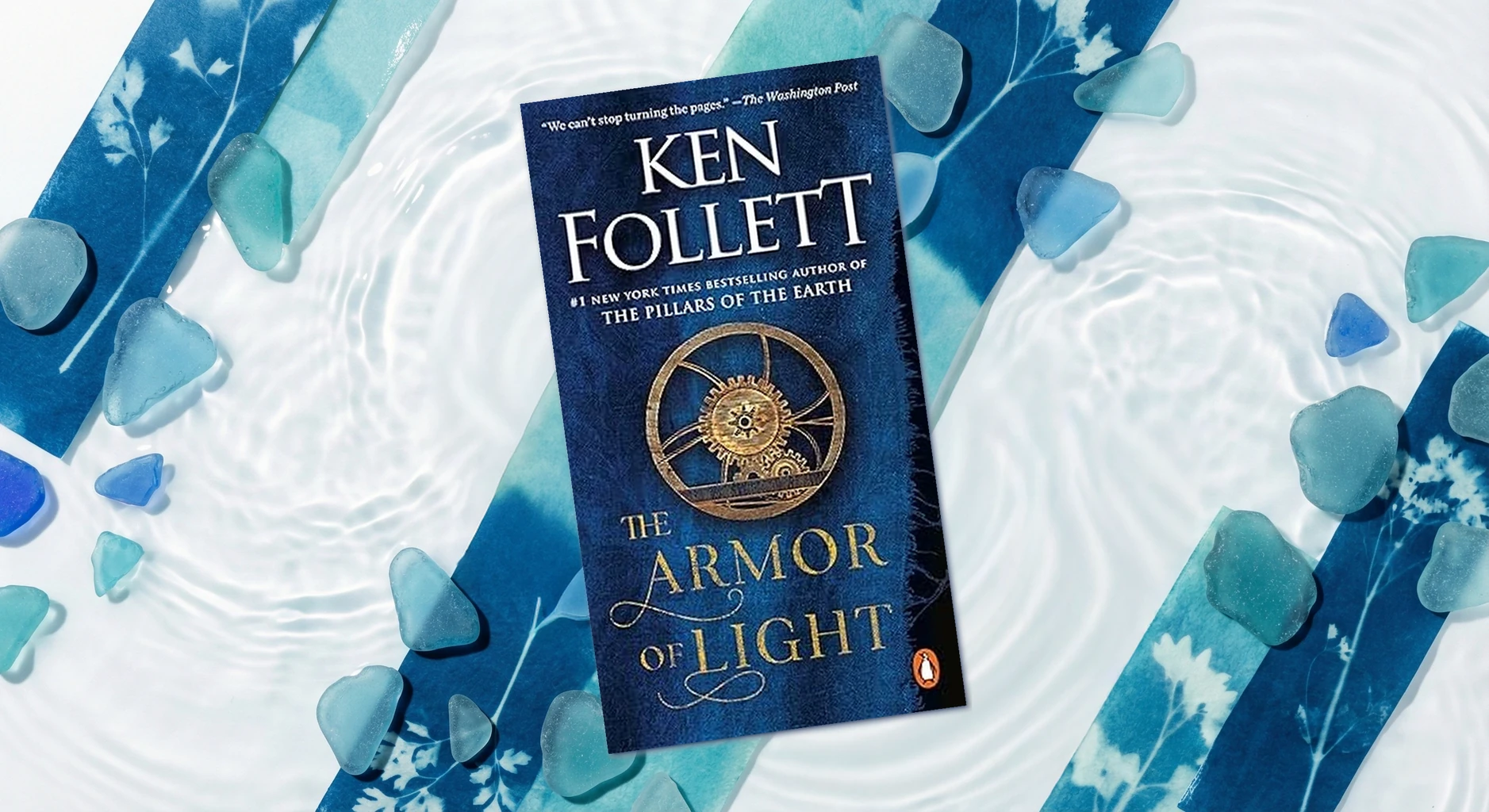
I’ve always had a soft spot for historical fiction. It’s a genre that pulls me in, wrapping me in the cloak of another time, igniting my imagination with the scent of gunpowder, the rustle of silks, and the whisper of secrets long buried. Ken Follett has mastered this art and his latest installment in the Kingsbridge series is no exception. It’s a time machine, a love letter to resilience and humanity, and it grips you from the very first page.
Each character feels alive, as if they’re stepping out of the pages to share their burdens and dreams. There’s an authenticity to their struggles, their conflicts, and their triumphs that makes you root for them, even when they make questionable choices. I laughed, I cried, and at times, I clutched the book so tightly my knuckles turned white. It’s the kind of story that stays with you long after you’ve turned the final page.
The plot unfolds against the tumultuous backdrop of 14th-century England, rife with political intrigues, war, and the unyielding quest for power. Follett’s ability to weave intricate tales of human connection amid the chaos is a testament to his skill. He takes us on a journey through the lives of builders, nobles, and commoners, showing us that history is not just a series of events, but a tapestry of human emotion and experience.
One thing that struck me was how Follett doesn’t shy away from the harsh realities of the era. Life was brutal, and he portrays it with an unflinching eye. The characters face death, betrayal, and the constant threat of loss, but it’s this very struggle that makes their victories so sweet. I found myself cheering for the underdogs, feeling their pain and savoring their moments of joy.
As I shared my thoughts over coffee with friends who had also devoured this book, we marveled at the depth of character development. Each character is multi-dimensional, flawed yet relatable. Take the protagonist, for instance. His journey is one of growth, marked by mistakes and lessons learned. My friends and I exchanged theories about his choices, debating the moral dilemmas he faced. Would we have acted differently? It’s a question that lingers.
The supporting characters deserve a shout-out too. Follett gives them their own arcs, their own struggles, and this enriches the narrative. There’s a particular character who embodies the fight for justice and equality, resonating with themes that are all too relevant today. It’s a reminder that while history may seem distant, the human experience remains profoundly similar across the ages.
Follett’s prose flows like a well-crafted melody, shifting from smooth and lyrical to sharp and jarring just when it’s needed. He gives readers the chance to savor the beauty of language, while also hitting them with the gut-punch realities of life. The pacing is masterful; some scenes are quick, filled with tension, while others linger, allowing us to bask in the beauty of the moment. I found myself lost in his descriptions, imagining the bustling streets, the towering cathedrals, and the quiet moments of reflection that punctuate the chaos.
Of course, no book is without its flaws. There were moments when I felt the plot meandered, when the intricacies of political maneuvering threatened to overwhelm the heart of the story. Yet, just as my patience began to wear thin, Follett would redirect the narrative, pulling me back into the emotional core of his characters. It’s a testament to his skill that despite minor hiccups, he keeps the reader engaged, wanting to know what happens next.
My friends had a few gripes as well. Some felt certain plotlines were predictable, but then again, isn’t that often the case with historical fiction? When you’re working within the confines of real events, some outcomes can feel inevitable. Yet, Follett manages to inject enough surprises to keep us guessing, to keep the stakes high.
What truly resonated was the exploration of themes like loyalty, ambition, and the quest for redemption. We found ourselves discussing how these themes play out in our contemporary world, how they echo in our own lives. It’s a reflection of Follett’s brilliance. He writes not just to tell a story, but to provoke thought, to inspire introspection.
The Armor of Light doesn’t just recount a historical tale; it invites us to consider the humanity within those historical figures. It’s a poignant reminder that we are all shaped by our choices, our experiences, and the times we live in. The emotional weight of the narrative lingers long after you close the book.
As the final pages unfolded, I couldn’t help but feel a swell of gratitude for the journey Follett had taken me on. I had laughed, cried, and empathized with characters who felt as real as my own friends and family. It’s not just a book; it’s an experience, a glimpse into lives that were once lived and are now immortalized on the page.
I’m left with a renewed sense of appreciation for storytelling, for the power of a well-crafted narrative to bridge the gap between past and present. If you enjoy historical fiction that offers depth, complexity, and a touch of heart, this book should be on your reading list.
So, whether you’re a long-time Follett fan or new to his work, dive into this saga. Experience the triumphs and tribulations of its characters, revel in the rich tapestry of history, and let it remind you that while the past may be distant, its echoes resonate in our present. Happy reading!