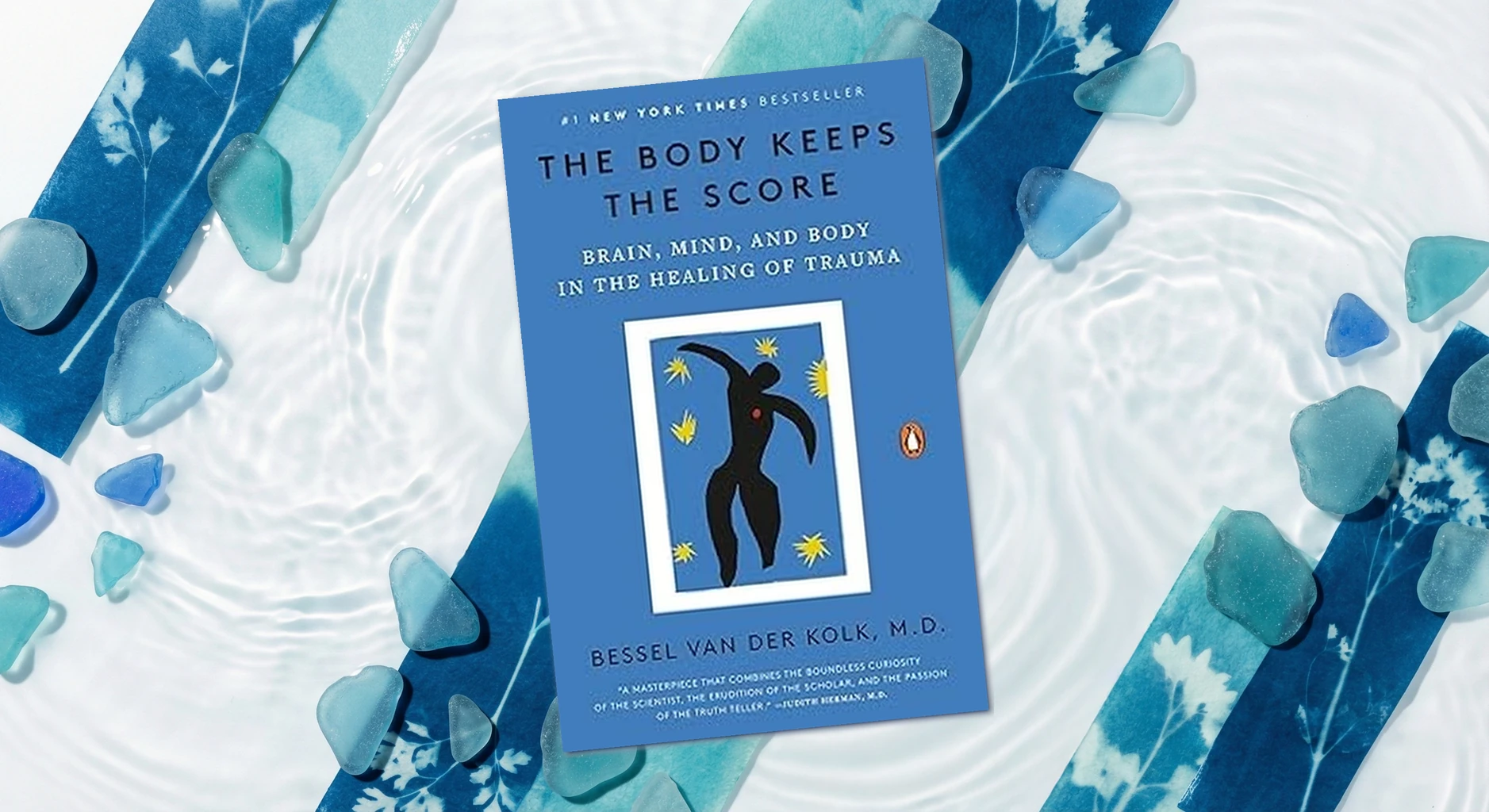
I dove headfirst into a profound exploration of trauma and healing thanks to Bessel van der Kolk M.D.'s incredible work, which has sparked conversations and opened the minds of many readers around the world. This book is more than just an academic exercise; it’s a life raft for those grappling with the shadows of their past. It explores how trauma, in its many forms, can affect our physical bodies and emotional landscapes.
Embarking on this journey, I found myself captivated by van der Kolk's ability to articulate complex concepts with clarity and compassion. From the very first pages, it’s evident that the author is not only a leading expert in the field but also a deeply empathetic voice. He shares stories of his patients that are both heartbreaking and inspiring, creating a bridge between the clinical and the personal.
Key takeaways from the book include:
-
The Body's Memory: One of the most compelling arguments is the idea that our bodies remember trauma even when our minds try to forget. This idea is beautifully encapsulated in the title itself — our bodies hold on to the emotional and physical scars of traumatic experiences. The author shares scientific research alongside real-life stories, illustrating how trauma can manifest as chronic pain, anxiety, and various other physical ailments. It’s a reminder that healing isn't just a mental exercise; it’s a holistic journey that involves the body, mind, and spirit.
-
Neuroscience and Trauma: Van der Kolk presents complex neuroscience in an accessible way, breaking down how trauma impacts brain function. He discusses the role of the amygdala, hippocampus, and prefrontal cortex in processing fear and memory. This scientific grounding provides readers with a deeper understanding of why certain experiences trigger such intense responses.
-
The Importance of Connection: Throughout the book, van der Kolk emphasizes the significance of human connection and community in the healing process. Interpersonal relationships can foster resilience and provide the necessary support for recovery. He underscores that trauma is often isolating, but healing occurs in relationships.
-
Innovative Therapies: The author dives into various therapeutic modalities, from traditional talk therapy to innovative approaches such as EMDR (Eye Movement Desensitization and Reprocessing), neurofeedback, and yoga. These methods highlight the diverse paths to healing that go beyond conventional psychological practices. Van der Kolk’s openness to alternative therapies reflects his commitment to finding effective solutions for those who suffer.
-
Empowerment Through Understanding: Perhaps the most powerful takeaway is the notion that understanding trauma empowers individuals. The more we learn about our own experiences and the science behind them, the more equipped we become to navigate the path to healing. Knowledge is not just power; it’s a source of hope.
Readers from various backgrounds have resonated with this book, with many sharing their personal journeys of recovery and understanding after reading it. Critics of the book often praise its comprehensive approach, noting that it addresses trauma from multiple angles — psychological, emotional, and physical. The blend of theory and practice makes this book an invaluable resource for mental health professionals and anyone seeking to understand the impacts of trauma.
What other readers think: The reviews are overwhelmingly positive, with many highlighting how van der Kolk’s work has shifted their perspective on mental health and trauma. Some have shared that reading the book felt like finding a kindred spirit; they finally saw their struggles reflected in the pages. Others have expressed gratitude for the practical strategies outlined, which they found helpful in their own journeys toward healing.
Yet, there are also critical voices who caution that the book may be too dense for some to digest in one go. The wealth of information is staggering, and while it’s rich in detail, some readers have commented on the need for occasional breaks to process the information. This is not necessarily a flaw, but rather a testament to the depth of the material presented.
In the end, the profound impact of this book comes down to its core message: healing is possible, and it is an active, multifaceted process. The breadth of van der Kolk’s insights encourages readers to explore their own experiences with trauma and to engage in the healing process with curiosity and compassion.
Every chapter felt like a conversation with an old friend, someone who truly understands the complexity of trauma and the path to recovery. This book isn’t merely a guide; it’s an invitation to embark on a journey of self-discovery and understanding. Whether you're a mental health professional, a survivor, or someone simply looking to gain insight into the effects of trauma, I cannot recommend this book highly enough. It’s a vital resource that will stay with you long after you’ve turned the last page.
Overall, I’m giving this work a resounding five stars. It’s a powerful, necessary read that shines a light on the hidden struggles many face and provides hope for healing. If there’s one takeaway I hope readers grasp, it’s that our bodies are not just vessels; they are integral to our healing journey.