The Book of Lost Friends
by Lisa Wingate
4.0/5
by Lisa Wingate
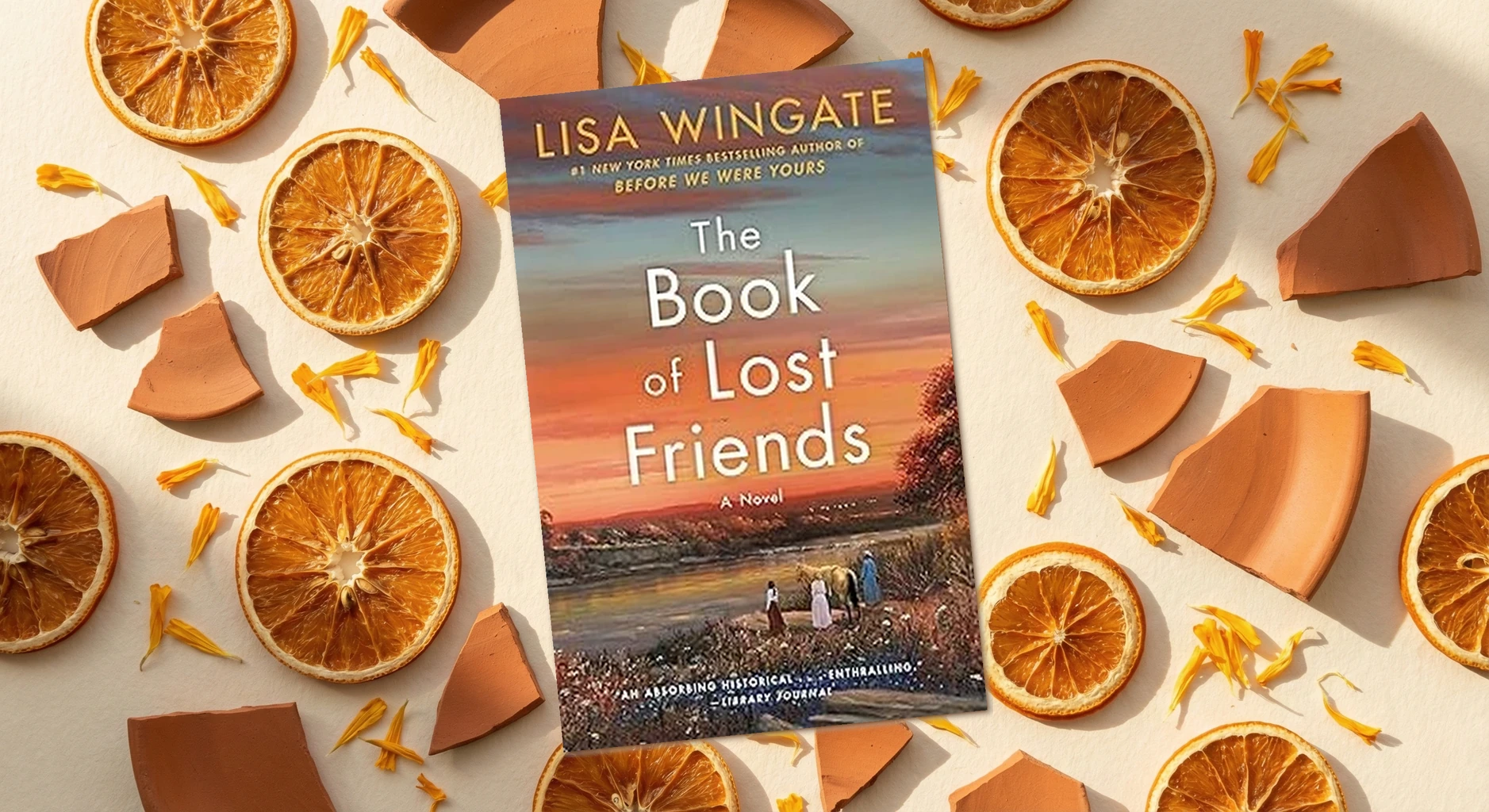
I just finished a journey through time and trauma, and honestly, I’m still reeling from it. Set against the backdrop of post-Civil War America, this novel dives deep into the emotional scars left by a nation in upheaval, exploring themes of loss, identity, and the indomitable spirit of hope. The author, Lisa Wingate, expertly draws us into a world where personal stories intertwine with the broader strokes of history, and it’s nothing short of captivating.
The narrative shifts fluidly between two timelines, one in the late 1800s and the other in the present day. We follow a young girl, Hannie, who embarks on a quest to find her lost family after being separated from them during the war. In the present, we meet Benedetta “Benny” Catspaw, a teacher who uncovers the remnants of Hannie’s life while conducting research for her students. Benny's journey of discovery leads her to confront her own complicated past, which adds a richly layered dimension to the story.
Wingate's prose is lyrical and poignant, painting vivid pictures of the landscapes and emotional terrains the characters navigate. I found myself transported to the dusty roads of Louisiana, feeling the weight of Hannie’s grief and longing as she grapples with her identity and the trauma of separation. There's a particularly heart-wrenching scene where she recalls the laughter and warmth of her family—a stark contrast to the loneliness that envelops her. It’s moments like these that really underscore the impact of loss, both personal and communal, making their struggles all the more palpable.
Many readers have remarked on how Wingate has a gift for crafting compelling characters. Absolutely! Hannie is incredibly relatable, embodying resilience and bravery in the face of unimaginable challenges. Her spirit shines brightly, and you can’t help but root for her every step of the way. There’s a genuine quality to her character that makes you feel her pain, her hope, and her determination. It’s no surprise that readers have been moved by her story—she's the kind of character that sticks with you long after you’ve turned the last page.
On the other hand, Benny serves as a beautiful foil to Hannie, representing the modern struggles of connecting with one’s roots and understanding how our past shapes our identity. As she digs deeper into Hannie's life, her reflections on her own experiences—navigating relationships, teaching, and her personal history—create a powerful parallel. It’s a reminder of how history isn’t just something that happens to us; it’s something that continues to influence our present lives in profound ways.
Wingate’s ability to weave in historical context without it feeling heavy-handed is also commendable. The inclusion of real historical events and figures adds depth to the narrative, grounding the story in reality while still allowing the characters’ personal journeys to shine. The book isn’t just a story about loss; it's a poignant exploration of the ways that history can haunt us and how we can find ways to heal.
Moreover, the themes of community and belonging resonate strongly throughout. The relationships that Hannie builds, despite the surrounding chaos, demonstrate the importance of human connection. Whether it’s the friends she makes along the way or the bonds formed through shared experiences, Wingate illustrates how crucial these ties are for healing. The moments of camaraderie feel authentic and heartwarming, reminding us that even in the darkest times, there is light to be found in solidarity and love.
Another element that stood out to me was the exploration of race and identity. The book doesn’t shy away from the complexities of these issues during a pivotal time in American history. As a reader, I appreciated how Wingate navigates these topics with sensitivity, creating an environment where characters can grapple with their realities while also showcasing the strength and resilience of marginalized communities.
Of course, no book is without its critiques. Some readers have noted that the pacing can be uneven at times, especially in the present-day timeline. There were moments where I found myself wanting to return to Hannie's story, as it was so gripping, while parts of Benny's journey felt a touch slower. Still, I think that the deliberate pacing serves to build the emotional weight of the narrative, allowing us to fully absorb the heartache and triumph of each character’s journey.
This novel is a profound meditation on the human spirit, beautifully written and deeply moving. It’s a book that asks us to reflect on our own histories and the legacies we inherit. The emotional depth, coupled with the rich historical context, creates a reading experience that is both enlightening and heartbreaking. If you’re looking for a story that will linger in your mind and heart long after you've turned the last page, I can’t recommend this book enough. So, gather your tissues and prepare for a journey through loss, resilience, and hope that is as beautifully woven as the fabric of our shared history.