The Bookbinder
by Pip Williams
4.5/5
by Pip Williams
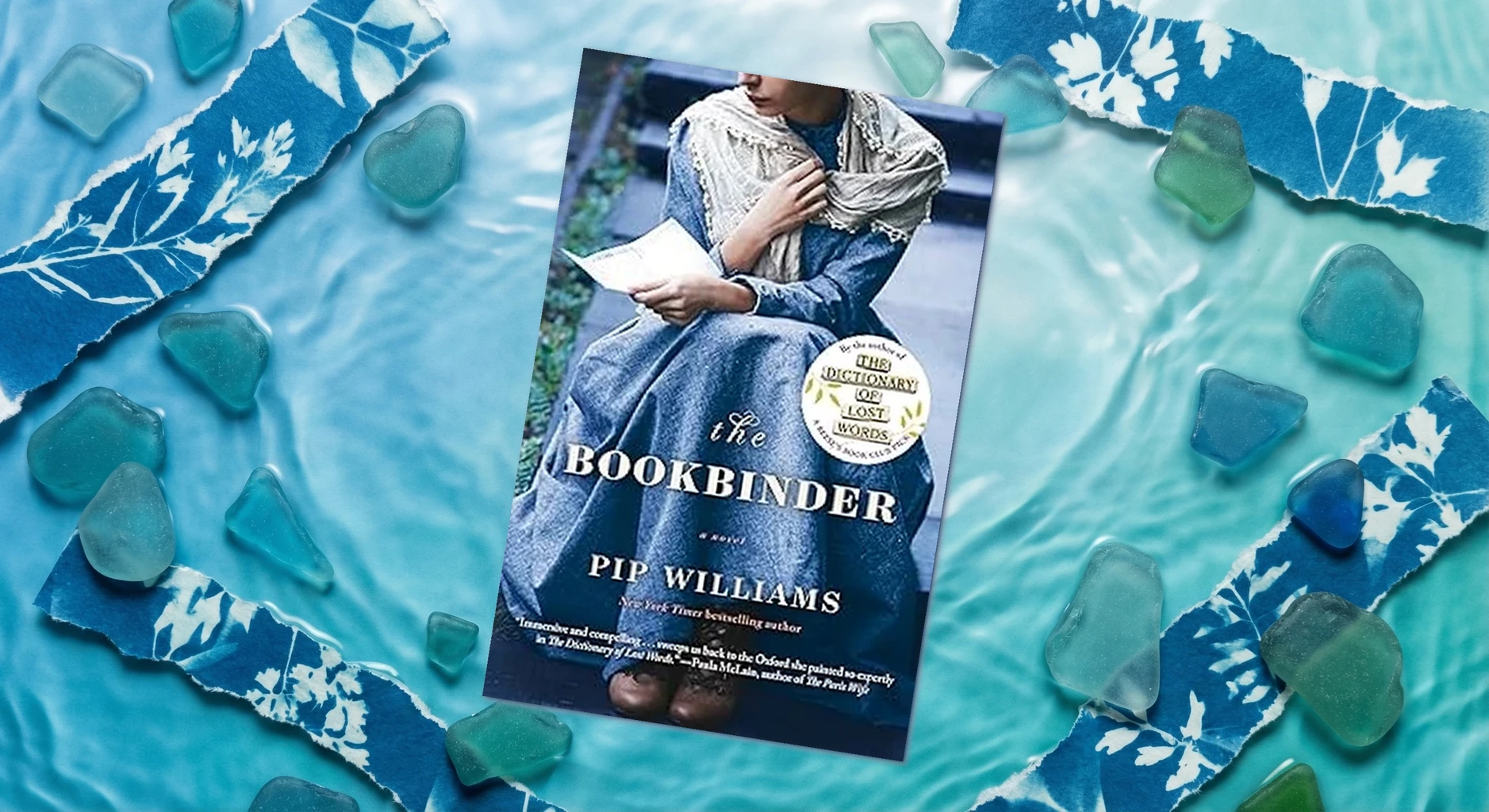
When you dive into Pip Williams' latest novel, you’re entering a world that feels both familiar and utterly unique. Set against the backdrop of the tumultuous years leading up to World War II, this novel centers around the lives of women at a bookbindery and the impact of a war that looms large, threatening to upend their lives and futures.
From the very first pages, I found myself swept into the lives of the characters, especially the protagonist, the indomitable young woman named Nell. Williams deftly captures her struggles and aspirations, painting a vivid portrait of a woman caught between duty and desire, tradition and change. The book doesn’t just tell Nell’s story; it encapsulates the experiences of women during a time of societal upheaval, when the expectation to conform to certain roles was being challenged by the winds of change.
What I adored about The Bookbinder was Williams’ ability to weave themes of empowerment, resilience, and female solidarity throughout the narrative. It’s refreshing to see such a rich tapestry of female characters, each with their own dreams and ambitions, navigating a world that often overlooks them. Williams has a way of making you feel every joy, every heartache, and every small triumph these women experience.
As I read, I couldn’t help but think of my friends who have recently discussed the importance of representation in literature. The Bookbinder is, without a doubt, a testament to that need. The women in this novel are not mere footnotes in history; they are the architects of their own futures. They challenge the status quo, push back against the limitations placed upon them, and forge paths that feel both personal and universal.
The author crafts a narrative that resonates deeply, and I found myself reflecting on how these themes connect to contemporary discussions about gender and power dynamics. Despite being set in a historical context, the issues explored in The Bookbinder are strikingly relevant today. It’s a reminder that the fight for equality and recognition is ongoing, and that even in the face of adversity, women have always found ways to assert their voices.
Williams' prose is lyrical and evocative, immersing the reader in the sights and sounds of the bookbindery. The descriptions are so vivid that I could almost feel the texture of the leather and the weight of the paper in my hands. Each scene is crafted with care, each character's journey meticulously detailed. It’s a book that rewards patience, revealing its riches gradually, much like the process of bookbinding itself.
One of the most poignant aspects of the novel is how it illustrates the power of storytelling. The characters’ lives are intertwined not only through their shared experiences but also through the stories they create and preserve. It’s a celebration of literature—of its power to inspire, to comfort, and to connect us. The act of binding books becomes a metaphor for the connections these women forge with one another, as they support each other through their struggles and victories.
While I was captivated by the character development and thematic depth, I also appreciated the way Williams incorporated historical events into the narrative. The backdrop of the impending war is not just a setting; it serves as a catalyst for change, challenging the characters to adapt and evolve. The tension between the personal and the political is palpable, and it’s this interplay that gives the story its urgency and emotional weight.
I must admit, there were moments when I felt the pacing lagged a bit. Some sections lingered longer than necessary, and while I understand the desire to delve into the intricacies of the characters’ lives, I found myself yearning for a bit more forward momentum. Still, these moments didn’t detract significantly from my overall enjoyment. The richness of the characters and their stories more than compensated for any pacing issues.
As I turned the final pages, I was left with a profound sense of appreciation for the journey Williams had taken me on. The ending wrapped up the narrative beautifully, leaving me with a sense of closure while also inviting reflection. It’s the kind of ending that lingers, prompting you to ponder the lives of the characters long after you’ve closed the book.
The Bookbinder is a powerful exploration of courage, creativity, and community. It’s a novel that resonates deeply, not just because of its historical setting, but because it speaks to the timeless struggles and triumphs of women. I found myself rooting for Nell and her friends, feeling a kinship with their stories as they bound not only books but also their destinies.
If you’re looking for a beautifully crafted novel that combines rich historical detail with compelling characters, The Bookbinder is a must-read. It’s a book that celebrates the strength of women through the ages, reminding us that our voices matter, our stories matter, and ultimately, we have the power to shape our own narratives. I highly recommend this gem to anyone seeking an inspiring, thought-provoking read.