The Color of Death
by Trey Gowdy
4.5/5
by Trey Gowdy
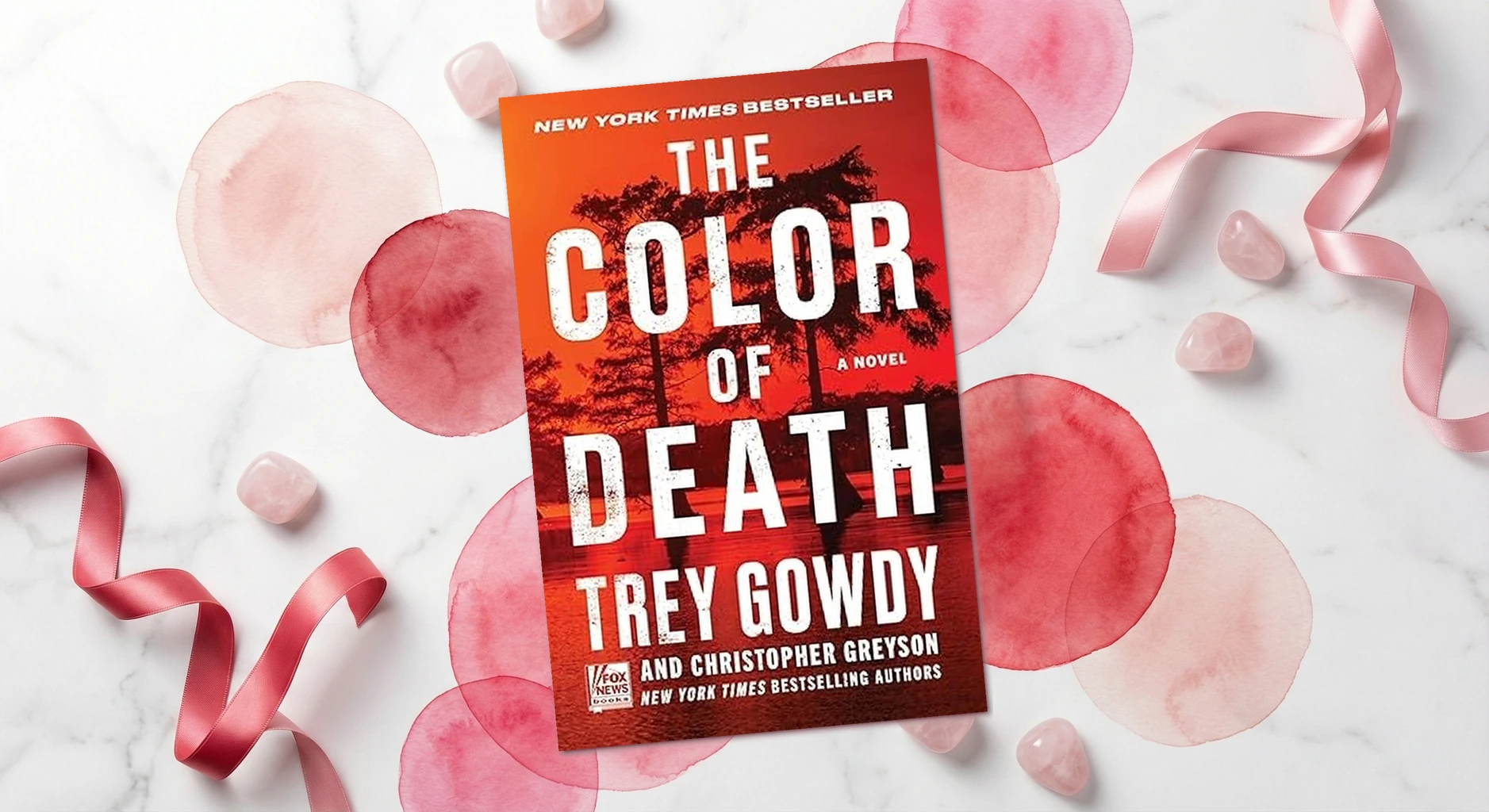
If you’re looking for a gripping legal thriller that masterfully intertwines courtroom drama and political intrigue, you’ll find it between the pages of Trey Gowdy’s latest novel. With a narrative that slices through the murky waters of the justice system, this book had me hooked right from the start. The author’s background as a former prosecutor and politician shines through, adding a layer of authenticity that is often hard to find in this genre.
Set against the backdrop of a small town grappling with a shocking murder, the story revolves around the protagonist, a seasoned defense attorney who is determined to uncover the truth behind the case. The writing is sharp and engaging, filled with moments that make you feel the tension and urgency of the unfolding events. Gowdy knows how to create an atmosphere where every turn of the page feels like a step closer to the heart of the mystery.
What struck me most while reading The Color of Death was the depth of the characters. These aren’t just paper-thin archetypes; they are complex individuals with rich backstories and motivations. The protagonist, in particular, is a reflection of the moral dilemmas many face in their professional lives. As they navigate the treacherous landscape of legal ethics and personal loyalty, each decision carries weight, and the stakes become higher with every revelation.
As I read, I found myself grappling with questions of morality and justice. Gowdy doesn’t shy away from showing the gray areas of the law. For example, the protagonist’s struggle to defend a client who is seemingly guilty forces the reader to confront their own beliefs about justice and what it truly means to be innocent until proven guilty. This moral ambiguity is one of the central themes that elevates the narrative beyond just a run-of-the-mill thriller.
One of the standout aspects of the novel is Gowdy’s ability to weave real-life political commentary into the fiction. His experience in Congress allows him to tackle issues such as corruption, media influence, and the public’s perception of justice with a deft touch. This adds an intriguing layer to the story, inviting readers to consider how politics and the legal system intersect in our society.
Additionally, the pacing of The Color of Death is spot on. There were moments when I felt like I was racing against time alongside the characters, and Gowdy expertly builds suspense through carefully crafted cliffhangers and revelations. Each chapter ends with a hook that makes it nearly impossible to put the book down. I found myself saying, “Just one more chapter,” until I had read far into the night.
Another aspect worth mentioning is the dialogue, which is crisp and realistic. Gowdy captures the speech patterns and nuances of various characters, making their interactions believable and engaging. The courtroom scenes, in particular, felt electric—each exchange charged with the weight of the impending verdict. The author clearly understands the dynamics of a courtroom; his ability to create tension in these scenes is commendable.
Of course, like any novel, it’s not without its flaws. There were moments when the plot felt a bit predictable, and certain twists didn’t land with the impact I was hoping for. However, the strength of the characters and the overall narrative arc more than compensated for these minor shortcomings. I appreciated how the pacing allowed for character development without losing momentum in the plot.
Readers have responded positively to The Color of Death, expressing appreciation for its rich storytelling and the nuanced exploration of justice. Many have noted that Gowdy’s writing style makes complex legal matters accessible to those who may not be familiar with legal jargon. This inclusivity adds to the book’s appeal, broadening its potential audience.
I found that the novel encourages contemplation of ethical dilemmas faced in the legal profession. It raises thought-provoking questions about the nature of guilt and innocence, and how public opinion can sway justice. The ending, while not entirely shocking, is undoubtedly satisfying and ties up loose ends in a way that feels organic to the story.
Key Takeaways:
- A thrilling ride through the legal and political landscape
- Complex characters anchored by moral dilemmas
- Engaging writing style that balances tension and character development
- Insightful reflections on justice, corruption, and the human condition
The Color of Death is a compelling legal thriller that pulls no punches. It dives deep into the murky waters of morality, justice, and the human experience, leaving readers with plenty to ponder long after they’ve turned the last page. For anyone who enjoys a riveting story with a side of political intrigue, this book is definitely worth the read. I’d recommend it to both legal thriller aficionados and newcomers to the genre. It’s a strong entry into the world of legal fiction, and I’d give it a solid 4.5 stars.