The Dictionary of Lost Words
by Pip Williams
4.0/5
•
by Pip Williams
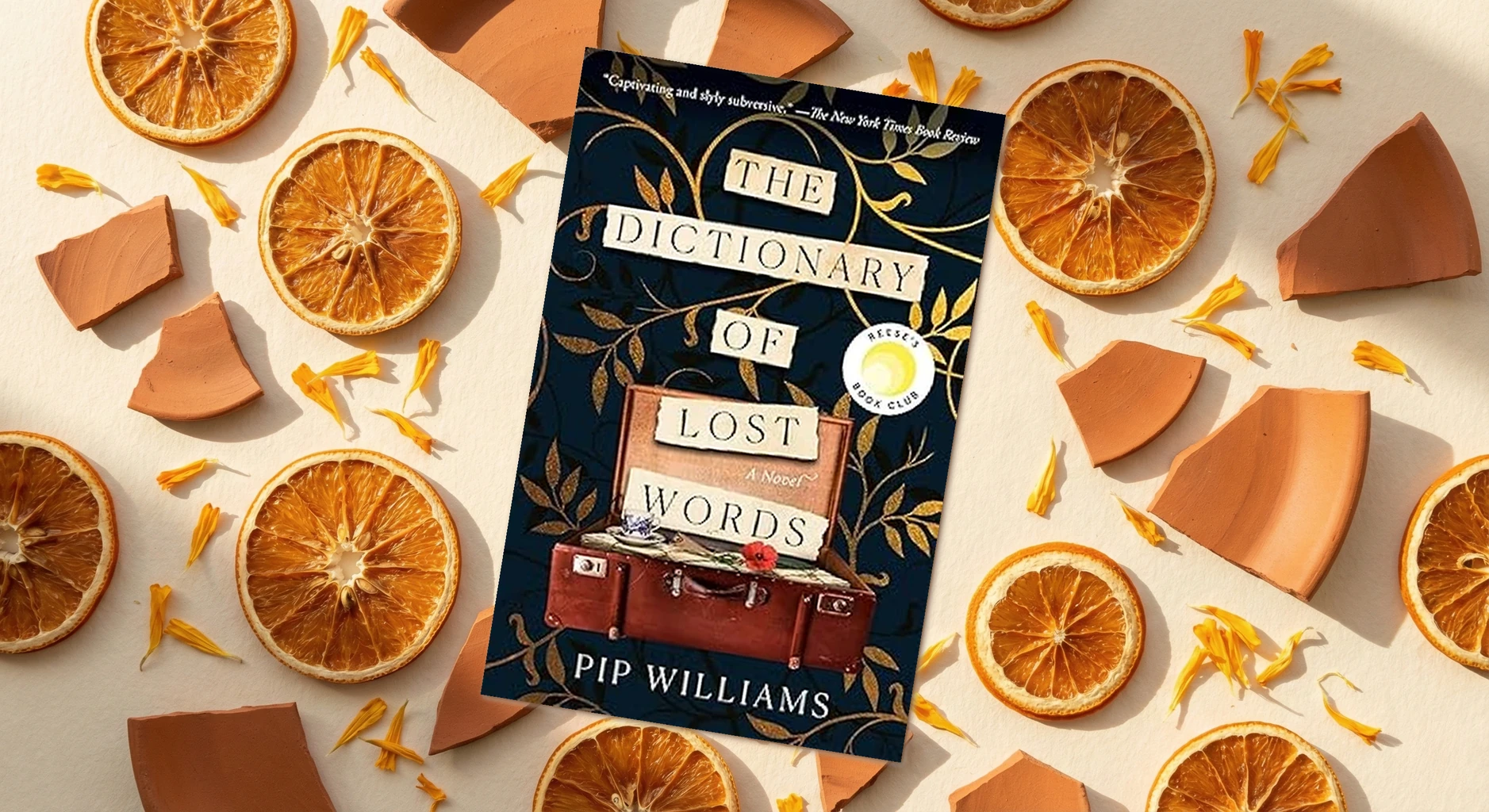
I recently picked up a beautifully crafted novel that explores the intricate relationship between words, society, and the lives they touch. Set against the backdrop of the creation of the Oxford English Dictionary, this book weaves together themes of feminism, belonging, and the power of language in ways that left me both reflective and deeply moved. I was drawn in not just by the plot but also by the unique storytelling approach that Pip Williams employs throughout.
What struck me most about the narrative is how it centers around Esme, a young girl who grows up in the shadows of the Oxford Dictionary's making. Living in the Scriptorium, the secret room where the dictionary is compiled, she becomes fascinated by the words and their meanings. While her father is a prominent figure in the dictionary's creation, Esme finds herself more concerned with the "lost words" that are excluded from its pages. This focus on what’s omitted from the record is a poignant commentary on how history often overlooks the voices of women and marginalized groups.
As I journeyed alongside Esme, I was acutely aware of the parallels between her quest for understanding and my own experiences in a world where the stories of women are often silenced. There’s a particular scene that struck me—a moment when Esme discovers a collection of words that hold deep personal significance but are deemed unworthy of inclusion in the dictionary. “Words have power,” she reflects, and this simple truth resonates throughout the novel. It’s a reminder that language shapes our reality, and the act of capturing words can either uplift or diminish.
The Dictionary of Lost Words also showcases a remarkable cast of characters. From Esme's father, who embodies the patriarchal structure of academia, to the various women who enter her life, each character adds layers to the narrative. I found myself particularly captivated by the friendships Esme forms with other women, including a suffragette who challenges the societal norms of the time. Through these relationships, Williams skillfully illustrates how collective power and shared experiences can foster resilience, ultimately leading to a deeper understanding of oneself and the world.
The writing itself is lush and evocative, filled with imagery that brings the historical setting to life. I could practically smell the ink and parchment as Esme wandered the dimly lit halls of the Scriptorium. The way Williams describes the texture of the words—how they feel in the air and the weight they carry—certainly made me appreciate the beauty of language in a new light. It's a book that invites you to linger over sentences, to savor the way they unfold, much like the way Esme uncovers the hidden narratives of her time.
I appreciate how Williams tackles the theme of loss—not only of words but also of identity and belonging. The novel touches upon the impact of war, societal upheaval, and the personal stories that get lost in the grand narratives of history. As an example, there’s a moment when Esme reflects on how the aftermath of World War I has reshaped her understanding of the world. “Words were not just for the learned,” she muses, which echoes a powerful sentiment about accessibility and the democratization of knowledge.
Readers have responded with enthusiasm to The Dictionary of Lost Words, praising its insightful exploration of feminism and the importance of language. Many have noted how the novel feels particularly relevant today, amid ongoing conversations about representation and the reclamation of marginalized voices in literature and beyond. Williams has crafted a story that feels both timely and timeless, encouraging readers to reflect on their own relationship with words and the ways they navigate their identities in a world that often categorizes and confines.
While I thoroughly enjoyed this novel, I did occasionally find the pacing to be uneven. Certain sections felt a bit drawn out, and I wished for a tighter focus on the central narrative. However, I can't deny that the moments of introspection and character development made it worthwhile. Perhaps these slower moments were meant to reflect the often painstaking process of collecting words and stories, and if that was the case, I commend Williams for that artistic choice.
The Dictionary of Lost Words is a rich, immersive novel that celebrates the beauty and complexity of language while calling attention to the histories that are often overlooked. It’s a story that resonates with anyone who has ever felt the weight of words—whether in their absence or their presence. As I closed the book, I felt a renewed sense of appreciation for the stories we tell and the ones we don’t, and how they collectively shape our understanding of the world. If you’re looking for a novel that combines historical depth with a personal touch, I wholeheartedly recommend giving this one a read. You might just find a few lost words of your own along the way.