The Dollhouse
by Fiona Davis
4.0/5
by Fiona Davis
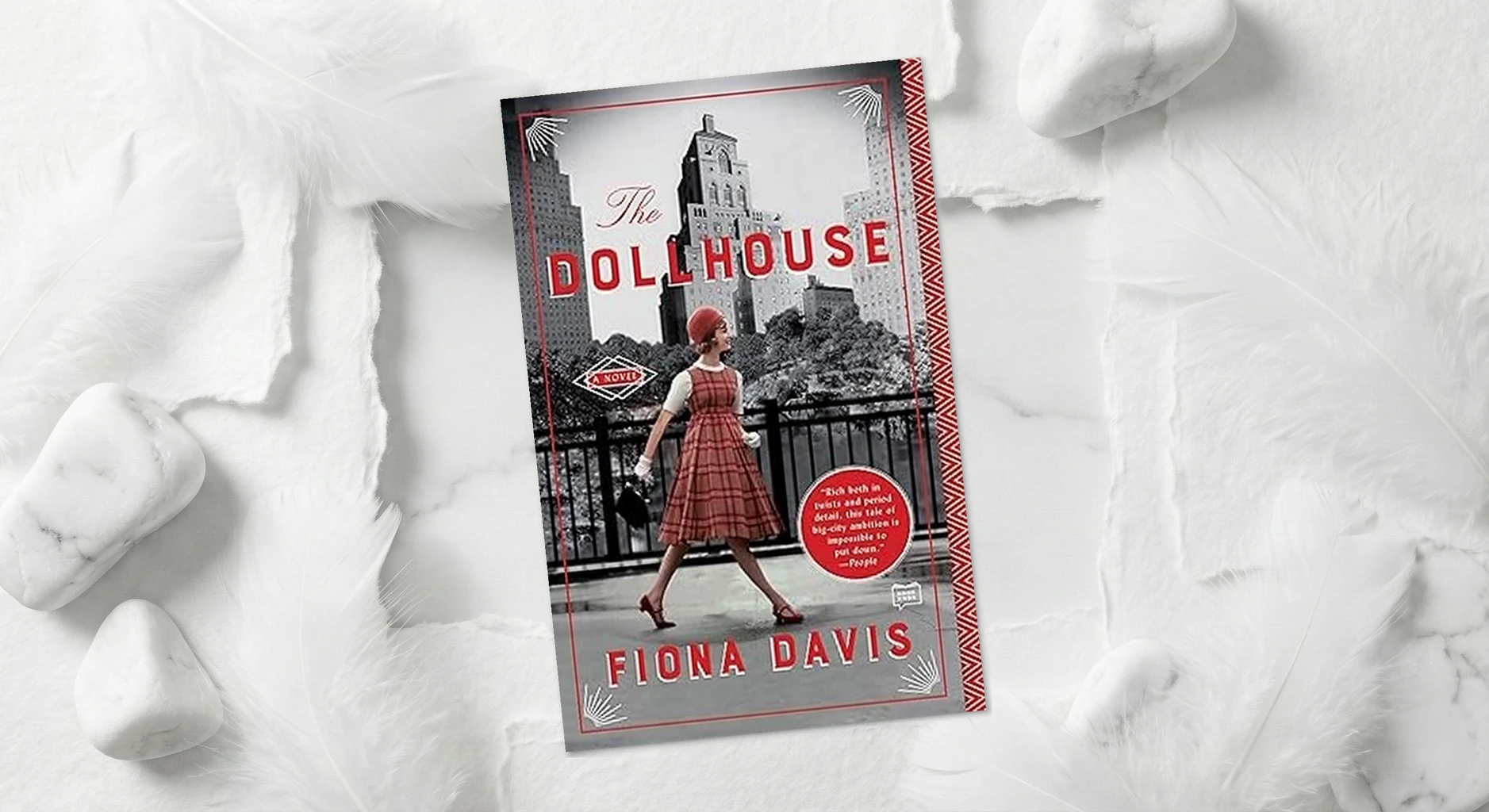
There’s something profoundly gripping about stepping into the world of Fiona Davis’s latest novel. The narrative unfolds against the backdrop of New York City, a character in its own right, filled with secrets and intrigue. The Dollhouse catapults us into the glamorous yet treacherous realm of the Barbizon Hotel, a once-exclusive residence for women that serves as a microcosm of empowerment, societal expectation, and hidden truths. It’s a clever choice and one that invites readers to explore not just the lives of the characters within its walls but the very fabric of 1950s America.
The novel toggles between two timelines: the sophisticated 1950s and the modern day, weaving a tapestry of stories that intertwine remarkably. At the heart of this tale is a fierce young woman, Darby McLaughlin, who arrives at the Barbizon seeking independence and a career in journalism. She’s spirited, ambitious, and a reflection of the aspirations of many women of her era. From the moment she steps through the art deco doors, I found myself entranced. The vivid descriptions create an immersive experience, as though I, too, could feel the plush carpets beneath my feet and hear the gentle hum of conversations echoing through the halls.
As I read, I couldn’t help but admire how Davis crafts her characters with such depth. The friendships formed within the confines of the hotel are a lifeline for Darby, each one layered with hopes, dreams, and even betrayals. Her close friendship with another resident, a model named Esme, adds a rich texture to the story. The contrasts between their lives—one grounded in ambition and the other in the pursuit of beauty—create a compelling dynamic that had me questioning the societal expectations placed on women. It was refreshing to encounter characters who challenged those norms, even when the stakes were incredibly high.
In parallel, Davis introduces us to the present-day protagonist, Rose, a journalist looking to uncover the mysteries that linger in the hotel’s shadows. As Rose digs deeper into the Barbizon’s past, I was struck by the way Davis expertly builds suspense. Each revelation about Darby and Esme’s lives made my heart race, echoing the rhythm of a classic noir film. The layers of secrecy peel away gradually, revealing not just personal struggles, but also the broader themes of female empowerment and the fight against the constraints imposed by society.
What’s particularly fascinating is how both women, though from different eras, mirror one another in their quests for identity and agency. My friends who have read The Dollhouse remarked on this duality, noting how the struggles faced by the women of the past resonate in our contemporary world. It’s a testament to Davis’s skill that the struggles of the characters feel timeless. Feminism isn’t just an echo of the past; it’s a living, breathing part of the present narrative as well.
The prose itself flows with a rhythm that is both engaging and elegant. Davis has a knack for setting the scene, painting vivid pictures that linger long after the page is turned. The way she describes the Barbizon is enchanting. From the lavish communal dining room to the wistful, smoky lounges, I felt transported, as if I were sitting in one of those plush armchairs, listening to the whispers of dreams and despair.
Even as the novel explores darker themes—abuse, manipulation, and the scars left by societal pressures—there’s an undercurrent of hope. The moments of triumph, however small, are celebrated with a vibrancy that affirmed my belief in resilience. I found myself rooting for Darby and Rose, wanting them to break free from the chains of their circumstances. Their journeys are replete with missteps and learnings, beautifully illustrating the complexities of womanhood.
As I neared the end of The Dollhouse, I was captivated by the pacing. Davis expertly balances the tension between past and present, leading to a climactic resolution that felt both satisfying and thought-provoking. The intermingling of mystery with a poignant exploration of female friendships and the pursuit of dreams is masterful. I can’t help but echo the sentiments of my friends who noted how emotionally resonant the conclusion is, leaving readers both fulfilled and reflective.
The Dollhouse is more than just a story about a hotel; it’s a profound exploration of the lives of women who refuse to be relegated to the sidelines. It’s about the sacrifices made for ambition, the bonds forged in adversity, and the relentless pursuit of freedom. While the characters’ experiences differ vastly from my own, I found pieces of myself in their journeys. The nuances of their struggles resonated deeply, reminding me of the complexities of navigating one’s identity in a world that often tries to define it for you.
I found that this novel speaks to the heart of what it means to be a woman in any era. It’s an evocative, beautifully crafted narrative that will linger in your mind long after the last page is turned. Davis has a remarkable ability to breathe life into her characters, to make us feel their joys and sorrows as if they are our own. It’s a read that I wholeheartedly recommend, especially for anyone seeking a story that weaves personal ambition with a broader commentary on the female experience. The Dollhouse is a testament to the power of storytelling, and it’s one that I’ll carry with me, both in memory and in heart, for a long time to come.