The God of Small Things
by Arundhati Roy
4.5/5
by Arundhati Roy
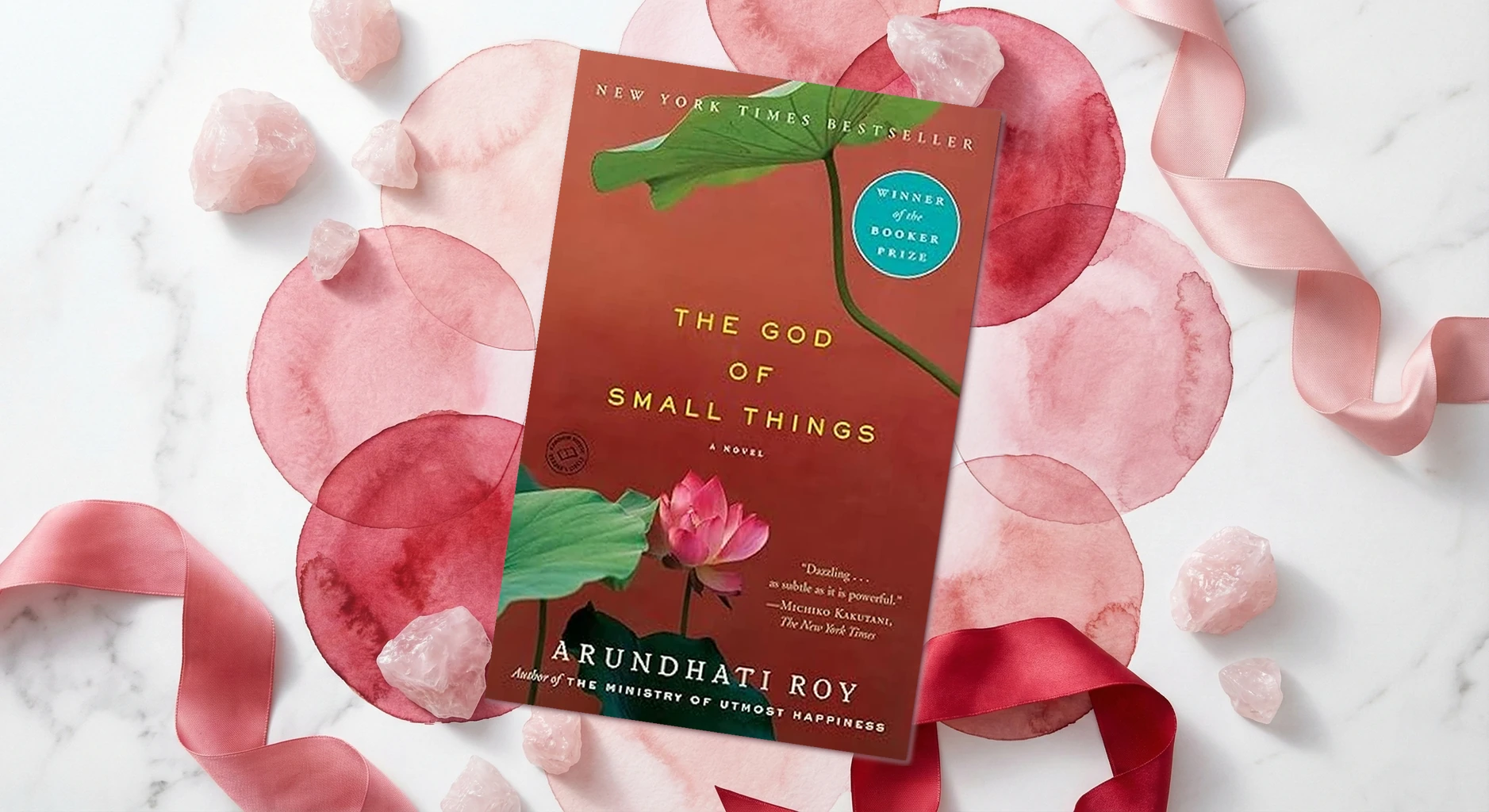
There’s a certain magic woven into the fabric of Arundhati Roy’s The God of Small Things. A narrative that dances between the vibrant colors of childhood and the heavy shadows of familial tragedy, it’s an exploration of the small moments that shape our lives, often in ways we can’t immediately perceive. I remember the first time I dove into this novel and how it enveloped me like a warm hug. The rhythm of Roy’s prose captures the reader and pulls you in, immersing you in the lush landscapes of Kerala, India, where the story unfolds in all its complexity.
The story is told through the eyes of fraternal twins, Estha and Rahel, who are linked by an unbreakable bond forged in tragedy. Their childhood is painted with the vivid hues of love, loss, and the societal constraints that shape their destinies—an intricate dance of personal and political histories that echo through their lives. I found myself captivated by Roy’s ability to layer her storytelling, weaving past and present together seamlessly, like threads in a tapestry.
One of the most striking aspects of this novel is how it captures the essence of small things—those seemingly insignificant details that carry profound weight. For instance, the way the characters use language reflects their identities and the rigid social structures around them. Roy’s use of Malayalam, mixed with English, adds an authentic flavor to the dialogue, providing depth to the cultural context. I could almost hear the voices of the characters as they spoke, their words imbued with emotion and meaning.
A recurring theme in the novel is the impact of societal norms and expectations, particularly regarding caste and gender. The rigidities of the caste system serve as an oppressive backdrop to the twins’ idyllic childhood, and as my friends who have read the book discussed, it’s a poignant reminder of how societal structures can dictate personal relationships and thwart love. The forbidden love between Ammu, their mother, and Velutha, a man of a lower caste, serves as the heart of the tragedy that unfolds. It’s a love that defies the boundaries set by society, only to be crushed under its weight—an echo of the many small tragedies that resonate throughout the storyline.
Roy’s prose is nothing short of poetic. Each sentence feels sculpted, carefully crafted with a lyricism that flows naturally. There were moments where I had to pause and reread passages, allowing the beauty of the language to wash over me. The imagery she conjures, lush green rice paddies, the vibrant colors of the marketplace, the oppressive heat of the summer, creates a vivid sense of place. I felt as if I could reach out and touch the pages, feeling the humid air of Kerala envelop me.
The way Roy portrays childhood innocence is equally compelling. The world through Estha and Rahel’s eyes is one of wonder and confusion, filled with the small joys and heartaches that shape their perceptions. I remember feeling nostalgic, reflecting on my own childhood and the small things that linger in memory, the taste of mangoes in summer, the sound of laughter ringing through the air, the weight of secrets that felt insurmountable. It’s this ability to tap into universal experiences that makes The God of Small Things resonate so deeply.
The narrative structure, with its nonlinear timeline, serves as both a challenge and a delight. Reading it, I felt like I was piecing together a complicated puzzle, slowly revealing the full picture as I turned each page. The fragmented storytelling mirrors the fragmented lives of the characters, reinforcing the theme of how small moments can have lasting impacts. It’s not just about the grand tragedies, but the everyday occurrences that shape who we are.
While my friends who read the book highlighted the beauty of Roy’s language and the depth of her characters, they also echoed a sense of sorrow that permeates the narrative. The inescapable tragedy of the twins’ story, the events of that one fateful day that changed everything, looms large. The emotional weight of the novel is undeniable; I found myself shedding tears, not just for the characters but for the larger truths they represent.
Roy deftly confronts complex issues of love, loss, and societal constraints without ever feeling preachy or heavy-handed. Instead, she invites readers into a world where the personal is political, and the smallest things can hold the most significant truths. I found myself reflecting on the nature of love, loss, and the myriad ways in which we navigate the world around us.
As I closed the book, I felt a sense of both closure and longing. The story doesn’t wrap up neatly; it leaves lingering questions and unresolved threads—a reflection of life itself. It’s a testament to the power of storytelling, how even in its imperfections, it holds space for beauty, pain, and everything in between.
The God of Small Things is a celebration of those fleeting moments, the small things that exist in the cracks of our lives, that shape our experiences, and that linger in our memories. It’s a book that will stay with me, a touchstone for my own reflections on love, loss, and the intricacies of family. I rated it a solid 4.5, not just for its lyrical beauty but for its ability to evoke deep feelings and thoughtful contemplation long after the final page is turned. If you haven’t yet plunged into Roy’s world, I wholeheartedly recommend it. You may find yourself changed by the experience, as I certainly was.