The Lions of Fifth Avenue
by Fiona Davis
4.5/5
•
by Fiona Davis
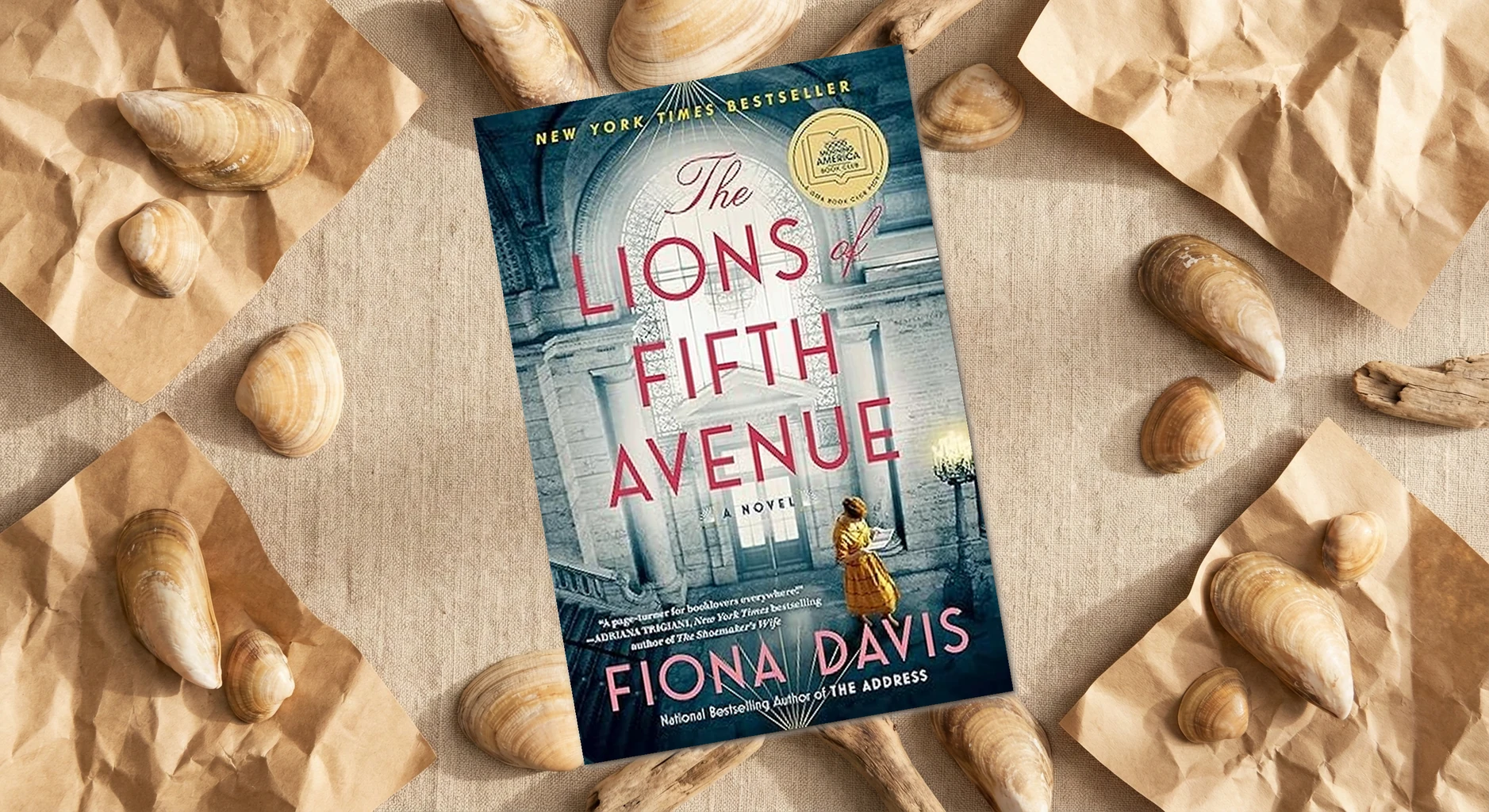
I was initially drawn to Fiona Davis's latest novel because of its rich backdrop, a tapestry of art, history, and the ever-enigmatic world of New York City’s cultural elite. Set within the iconic New York Public Library, the story leaps between the roaring 1920s and the tumultuous 1990s, and I found myself completely absorbed in both timelines. The Lions of Fifth Avenue is a meticulously crafted historical fiction that deftly intertwines murder mystery with a nuanced exploration of gender roles, ambition, and the power dynamics of art curation.
From the moment I stepped into the world Davis has created, I was enthralled. The narrative revolves around two protagonists: Laura Lyons, a fierce and ambitious curator in the 1920s, and her granddaughter, Sadie, who is navigating her own challenges in the 1990s. Laura is determined to leave her mark on the predominantly male art world, while Sadie grapples with the pressures of modern life and familial expectations. Both women resonate deeply with anyone who has ever felt the weight of society's expectations on their shoulders.
The novel opens with a gripping prologue that immediately sets the stakes, as a valuable manuscript goes missing from the library and a murder occurs. This sets the stage for a plot that unfolds with all the intricacy of a finely-tuned clock, where every tick builds tension. Davis has a remarkable talent for pacing her story, maintaining my interest with well-timed revelations and twists, leaving me guessing at every turn.
One of my favorite aspects of The Lions of Fifth Avenue is how it explores the complexities of female ambition during two very different eras. Laura’s fierce determination to make her place in the library is juxtaposed with Sadie’s struggle to forge her own path in a world that often seems to privilege conformity over creativity. As a reader, I couldn't help but feel the weight of their respective struggles. Laura’s battle for recognition in a male-dominated field felt particularly poignant. For instance, Davis writes about Laura's frustration as she navigates the condescending attitudes of her male colleagues, making her victories all the more satisfying.
“𝘓𝘰𝘳𝘥 𝘩𝘦𝘭𝘱 𝘩𝘦𝘳 𝘪𝘧 𝘵𝘩𝘦 𝘭𝘪𝘣𝘳𝘢𝘳𝘺 𝘮𝘦𝘳𝘦𝘭𝘺 𝘵𝘢𝘬𝘦𝘴 𝘩𝘦𝘳 𝘱𝘭𝘢𝘤𝘦 𝘢𝘴 𝘨𝘢𝘭𝘭𝘦𝘳𝘪𝘦𝘳 𝘢𝘵 𝘢 𝘴𝘵𝘢𝘳-𝘴𝘵𝘶𝘥𝘥𝘦𝘥 𝘦𝘷𝘦𝘯𝘵. 𝘛𝘩𝘦𝘴𝘦 𝘮𝘦𝘯 𝘩𝘢𝘥 𝘵𝘩𝘦𝘪𝘳 𝘪𝘬𝘰𝘯𝘪𝘤 𝘨𝘢𝘭𝘭𝘦𝘳𝘪𝘦𝘴, 𝘢𝘯𝘥 𝘸𝘩𝘦𝘳𝘦 𝘸𝘢𝘴 𝘴𝘩𝘦? 𝘜𝘱𝘴𝘵𝘢𝘪𝘳𝘴 𝘢𝘯𝘥 𝘪𝘯 𝘵𝘩𝘦 𝘊𝘰𝘭𝘭𝘦𝘤𝘵𝘪𝘰𝘯 𝘗𝘰𝘳𝘵 𝘸𝘪𝘵𝘩 𝘷𝘰𝘭𝘶𝘮𝘦𝘴 𝘢𝘳𝘰𝘶𝘯𝘥 𝘩𝘦𝘳. 𝘞𝘩𝘦𝘳𝘦 𝘸𝘢𝘴 𝘩𝘦𝘳 𝘭𝘰𝘷𝘦? 𝘞𝘩𝘦𝘳𝘦 𝘸𝘢𝘴 𝘩𝘦𝘳 𝘧𝘢𝘮𝘪𝘭𝘺?”
I found myself reflecting on the current state of women in art and literature as I read. How much has truly changed since Laura’s time? The question looms over Sadie as she works to carve out her own identity amid the expectations of her family, mirroring Laura's struggles but in a modern context. Every time I thought I had the plot figured out, Davis would pull the rug out from under me, revealing layers and connections that are beautifully woven together.
But let's talk about the setting—the New York Public Library itself is practically a character in its own right. Davis's descriptions are vivid and immersive; I could practically hear the echoes of footsteps in the grand halls and feel the weight of history in the air. The library’s intricate architecture and vibrant history are brought to life through Laura and Sadie’s experiences, enriching the narrative significantly.
“𝘛𝘩𝘦 𝘗𝘶𝘣𝘭𝘪𝘤 𝘓𝘪𝘣𝘳𝘢𝘳𝘺 𝘸𝘢𝘴 𝘢 𝘸𝘰𝘳𝘭𝘥 𝘸𝘪𝘵𝘩𝘰𝘶𝘵 𝘦𝘯𝘥𝘴, 𝘢 𝘷𝘦𝘳𝘺 𝘣𝘦𝘢𝘶𝘵𝘪𝘧𝘶𝘭 𝘸𝘰𝘳𝘭𝘥.”
Then there’s the mystery itself, which unfolds as a delightful puzzle. The theft and murder are not simply devices to propel the story; they echo the larger themes of loyalty, ambition, and the cost of success. Just when I thought I had it all figured out, the plot would twist in ways I hadn’t anticipated, keeping me on the edge of my seat. I found myself rooting for both Laura and Sadie, their journeys intertwined with the mystery unfolding within the library’s walls.
What struck me most about The Lions of Fifth Avenue is its ability to weave personal and societal dilemmas together. The relationships between mothers and daughters, the sacrifices made for ambition, and the ever-present shadow of historical sexism are all tackled with grace and insight. Laura’s fierce independence is counterpointed by Sadie’s search for identity, and it’s this dynamic that makes the book resonate on multiple levels.
Critically, readers have embraced Fiona Davis's narrative style. Many have praised the way she brings historical fiction to life, combining meticulous research with captivating storytelling. Reviewers often comment on how the dual timeline adds depth, allowing readers to see parallels between the two women's lives while experiencing the evolution of societal norms.
I found my reading experience to be deeply engaging, and it has ignited my interest in other works by Davis. The Lions of Fifth Avenue is more than just a mystery; it’s a conversation about legacy, ambition, and the spaces we inhabit—both physically and metaphorically. The end leaves you with a sense of closure, yet also a longing for more, as if you are bidding farewell to two friends you have come to care deeply about.
Overall, if you're in the mood for a riveting story that combines rich historical detail, strong female characters, and a thrilling mystery, I wholeheartedly recommend this novel. I rated it 4.5 stars, and I believe it’s a testament to the power of storytelling that bridges generations, reminding us of the enduring struggles and triumphs of women throughout history. Whether you're a fan of historical fiction or just looking for a compelling read, this book will not disappoint.