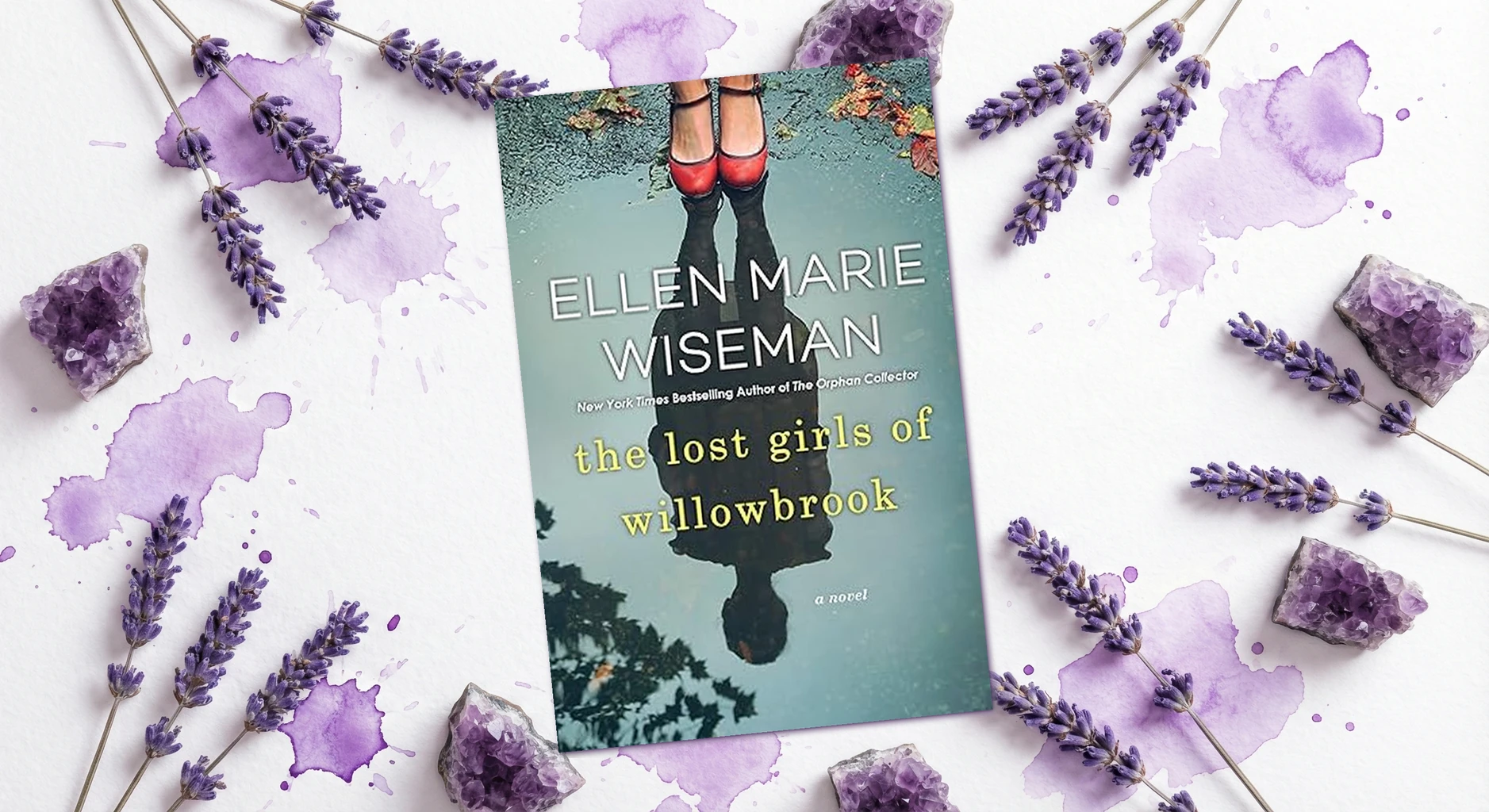
When I first picked up this novel, I knew I was in for a journey steeped in both heartache and resilience, but I didn't fully grasp how deeply it would resonate with me. Ellen Marie Wiseman’s gripping tale weaves together the threads of survival, family, and the harsh realities faced by the marginalized. Set against the backdrop of an infamous institution, the story draws on the painful history of Willowbrook State School, a place that housed thousands of children with disabilities in New York during the mid-20th century, often neglecting their needs and humanity.
The plot centers around the life of a young girl, a character that embodies the struggles faced by those in her position. As I read through the pages, I became deeply invested in her story—her strength, her vulnerabilities, and her quest for freedom from the oppressive environment. The author’s vivid storytelling pulls you in, making you feel as if you are witnessing her anguish and hope firsthand.
Wiseman's writing is evocative, painting a haunting picture of life within Willowbrook’s walls. It vividly captures the oppressive atmosphere—the chilling sounds of the institution, the sight of neglected children, and the stifling sense of despair. I was struck by how the author was able to navigate these heavy themes without losing the essence of her characters’ humanity. For instance, a scene where the protagonist interacts with other children in the institution offers a glimmer of joy amid the darkness, highlighting how friendships can blossom even in dire situations.
What I found particularly compelling was how the narrative doesn’t shy away from delving into the complexities of familial love and the longing for connection. Readers get to witness the protagonist’s struggles to maintain ties with her family while grappling with the reality of her existence. The love and pain that families endure, especially in the face of societal stigma, are tenderly explored, making it impossible not to root for her as she navigates her world.
As I continued to read, I couldn’t help but notice the reflections of societal issues that still hold relevance today. The injustices faced by the characters serve as a stark reminder of the ongoing battles for rights and recognition experienced by individuals with disabilities. Wiseman's ability to draw parallels between the past and present allowed me to reflect on the progress we have made while recognizing how far we still have to go.
The supporting characters are equally compelling; they are not mere background figures but rather integral parts of the protagonist's journey. Each one is crafted with depth, and their stories intertwine in ways that add layers to the central narrative. From the compassionate staff members to the other children who share in the struggles, their presence enriches the story and provides a fuller picture of life at Willowbrook.
One of the most profound aspects of the novel is the exploration of survival. The protagonist’s determination to forge her own path, despite the challenges that loom over her, is inspiring. It raises questions about what it truly means to survive, both physically and emotionally. Wiseman skillfully illustrates that survival isn’t just about enduring hardships; it’s also about reclaiming one’s identity and fighting against the odds.
Readers have responded powerfully to this book, praising Wiseman’s ability to tackle such sensitive topics with grace and integrity. Many have noted that the emotional weight of the story lingers long after the final page is turned. A common sentiment among reviews is that the novel brings to light important historical truths while also providing a narrative of hope and resilience.
While I found this book to be deeply moving, I also acknowledged a few moments where the pacing felt uneven, particularly during the climax. There were instances where I felt the emotional impact was a bit diluted by the narrative’s flow. However, the strength of the characters and the overarching themes more than made up for these minor hiccups.
As I closed the book, I was left with a profound sense of reflection. The Lost Girls of Willowbrook is not just a story about survival; it’s a testament to the strength of the human spirit. It challenges us to confront the past while encouraging us to advocate for a better future for those who continue to face systemic injustices.
In conclusion, Ellen Marie Wiseman’s novel is a poignant read that I would highly recommend to anyone who appreciates powerful storytelling rooted in true history. It’s a reminder of the importance of empathy, understanding, and the relentless pursuit of justice. If you’re prepared for an emotional ride that will challenge your understanding of resilience and the human experience, this book is undoubtedly a worthy choice.
So, grab a cozy blanket and prepare to be swept away by a tale that will leave you both heartbroken and hopeful. Just be sure to keep a box of tissues close by—trust me, you’ll need them.