The Orphan Collector
by Ellen Marie Wiseman
4.5/5
by Ellen Marie Wiseman
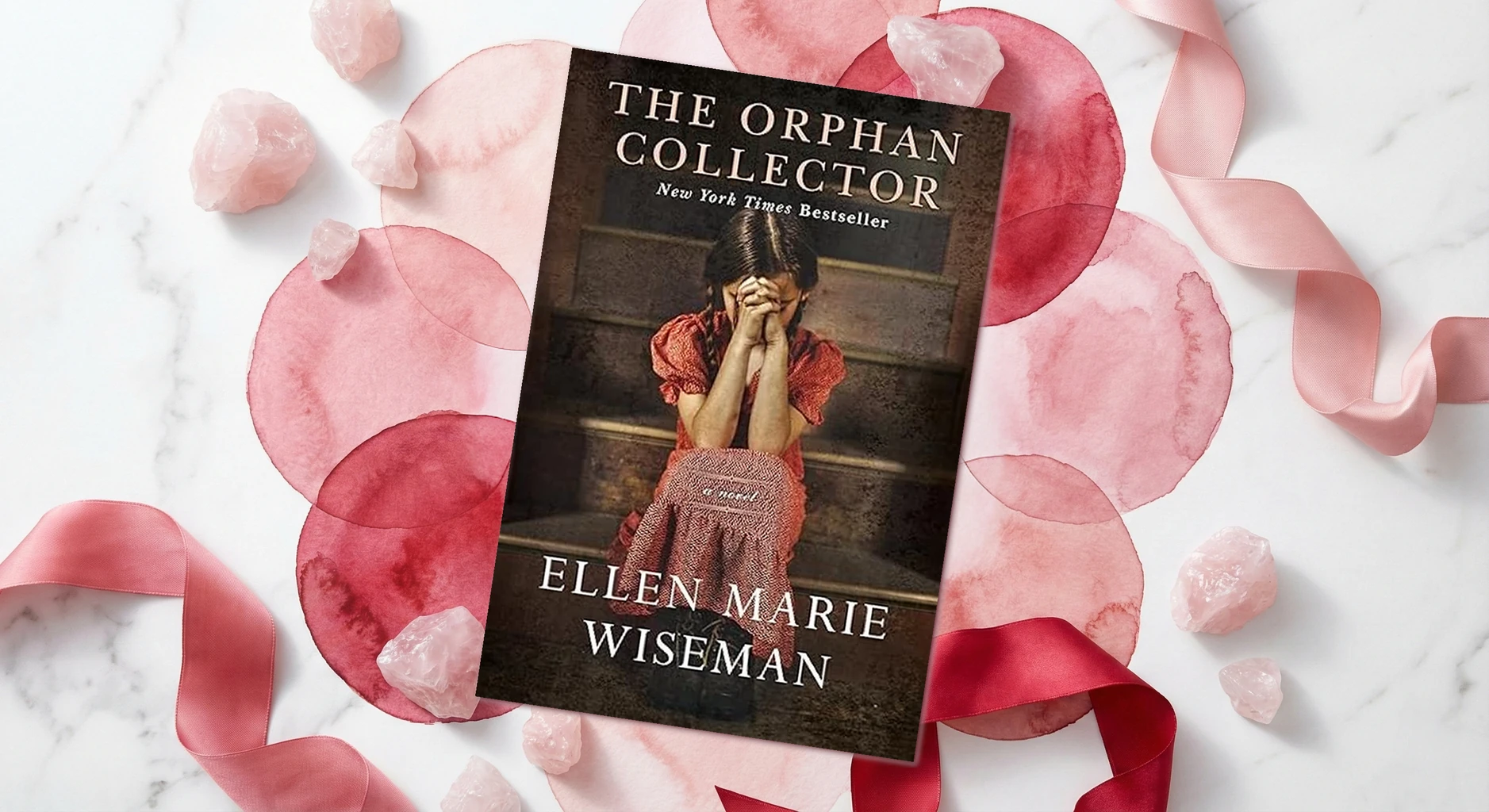
It’s a chilly November evening in Pennsylvania when I first lay eyes on Ellen Marie Wiseman’s latest masterpiece. The words leap off the page, and I’m transported to a world filled with the echoes of the past, where innocence collides with the harsh realities of survival during a time of unimaginable darkness.
The setting is 1918, a year marked by chaos. The Great War has just ended, and the world is grappling with the Spanish flu pandemic. The duality of life and death weaves through the narrative as we step into the shoes of our protagonist, a young girl named Pia. She’s a spirited character, a beacon of hope against the backdrop of devastation. The author has a way of crafting characters that resonate deeply, and Pia is no exception.
Pia is orphaned during this tumultuous time, navigating through a landscape riddled with suffering and loss. As the story unfolds, we experience her struggles up close—her resilience, her heartbreak, her unwavering desire to find her family despite the odds stacked against her. This raw, emotional journey kept me up late into the night, clinging to each page, desperate to see where Pia’s tenacity would lead her.
“It’s not just the flu that’s killing people,” Wiseman writes. “It’s the isolation, the despair, the fear.” These words resonate as a vivid reminder of how easily humanity can slip away in the face of overwhelming adversity. It’s a reflection of our current times, making this historical fiction feel almost hauntingly relevant. My friends who’ve also read this book couldn’t help but comment on how Wiseman captures the essence of human suffering while also giving readers glimmers of hope.
Woven into the fabric of Pia’s story is the subplot of the orphan collector—a chilling figure who preys on vulnerable children. The sheer tension this character brings to the narrative was palpable. I found myself holding my breath during certain scenes, a testament to Wiseman’s ability to build suspense. The orphan collector symbolizes the very real fear that lurked in the shadows of society, a fear that echoed the real dangers of the time.
As I read, I was struck by the heartbreaking yet beautiful relationships that formed throughout the novel. Pia’s interactions with fellow orphans painted a picture of camaraderie amidst chaos. It’s incredible how Wiseman can breathe life into secondary characters, each with their own hopes and dreams, making the stakes feel even higher. Their stories interweave with Pia’s, creating a tapestry of shared experience that reflects the resilience of the human spirit.
One of my favorite aspects of the book was the way the author delved into the historical context. Wiseman doesn’t shy away from the grim realities of the flu pandemic or the aftermath of the war. She paints a vivid picture of what life was like, from the makeshift hospitals overflowing with the sick to the empty streets where laughter once echoed. It’s not merely a backdrop; it’s an essential character in its own right, influencing the decisions and fates of those within the narrative.
I remember discussing this with a close friend who also devoured the book. We marveled at how Wiseman's meticulous research is evident in her writing. It’s a delicate balance between storytelling and historical accuracy, and Wiseman nails it. This isn't just a book; it’s a journey through time, a portal to a world that resonates with both past and present.
Yet, amidst the grim realities, there are moments of levity, too. Wiseman injects humor and light into the darkest scenes, providing readers with a breather, a moment to reflect before diving back into the turmoil. Pia’s spirit shines brightly, and it’s impossible not to root for her.
Another layer of complexity is added as we see the impact of societal norms on the characters' lives. Wiseman doesn’t shy away from discussing the role of women during this era, how they were often marginalized and forced into roles that restricted their potential. Pia’s journey is not just physical; it’s also a quest for agency and self-discovery. I found myself reflecting on how far we’ve come and yet how much work still remains in the fight for equality.
“Courage is not the absence of fear, but the triumph over it,” another poignant line echoes in my mind as I read. Pia embodies this philosophy, facing danger at every turn but never backing down. It’s a powerful reminder that even the smallest among us can make the biggest impact.
As I approached the final chapters, I felt a bittersweet pang in my heart. The resolution was satisfying yet haunting. Wiseman expertly ties up loose ends, but she leaves readers with questions that linger long after the last page is turned. What will happen to the children left behind? How do we carry on in a world that has changed so dramatically?
My friends who read this book alongside me expressed their admiration for the ending, praising how it didn’t shy away from the harsh realities while still offering a glimmer of hope. It’s a testament to Wiseman’s skill as a storyteller—she doesn’t wrap everything up in a neat little bow, but rather presents a nuanced conclusion that feels authentic.
In the end, I found myself not just reflecting on Pia’s journey, but also on the broader themes of community, love, and the unbreakable human spirit. Ellen Marie Wiseman has crafted a tale that transcends time, echoing the struggles of today while grounding us in the historical realities of the past. 4.5 stars for this unforgettable journey through a world of grief and resilience.
I recommend this book to anyone who craves a story that will tug at their heartstrings, challenge their perspectives, and remind them of the strength we carry within ourselves, even in the darkest of times. Whether you’re a fan of historical fiction or someone looking for a story that dives deep into the human experience, you won’t be disappointed. Grab your favorite blanket, settle in, and prepare to be swept away by a narrative that resonates long after the last words have been read.