The Persian Gamble
by Joel C. Rosenberg
4.5/5
by Joel C. Rosenberg
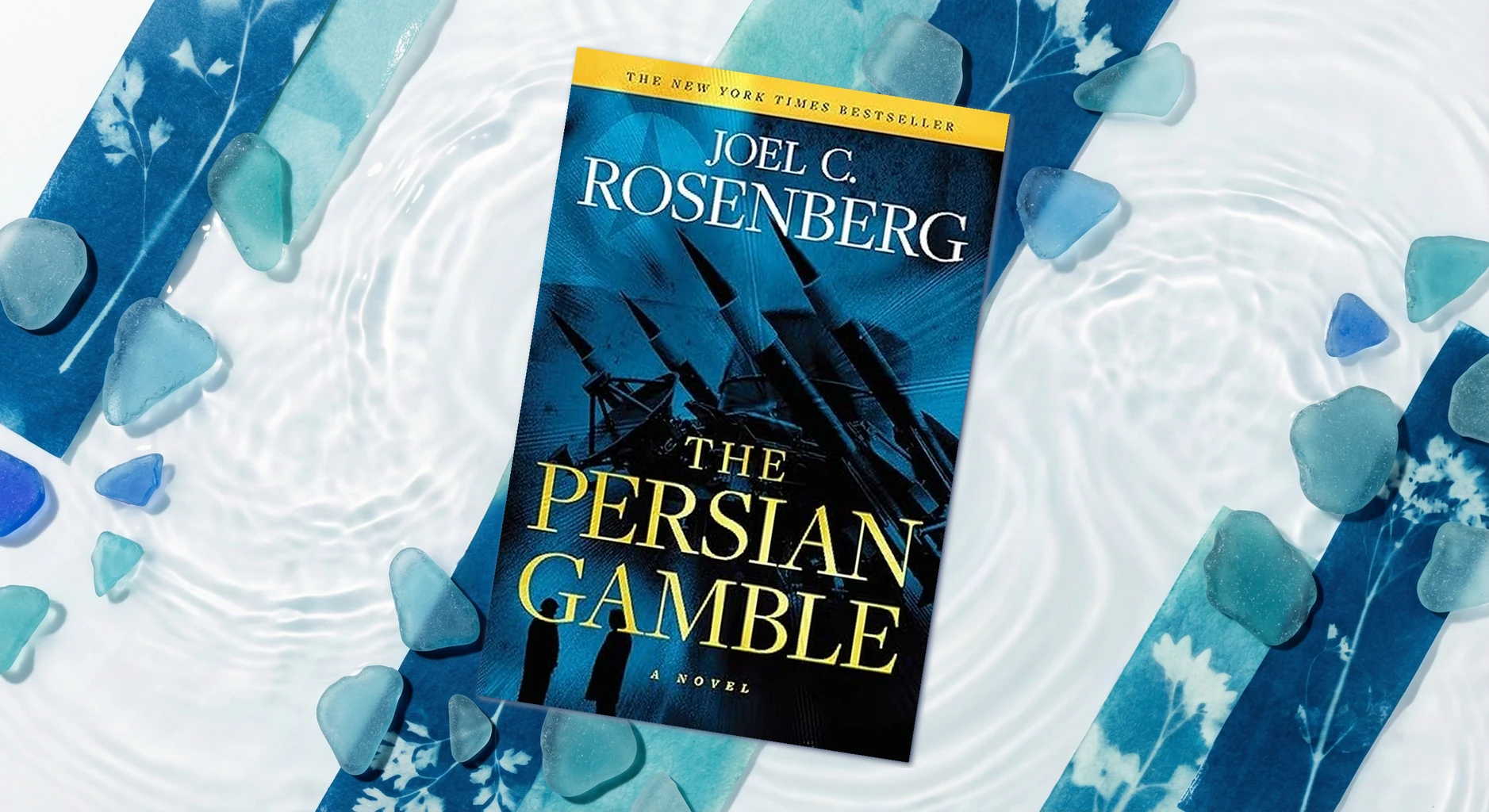
It’s not often that a book grabs you by the collar and doesn’t let go, but Joel C. Rosenberg’s latest thriller is precisely that kind of page-turner. The Persian Gamble masterfully weaves a narrative that feels both timely and timeless, plunging us into a world riddled with political intrigue, espionage, and high-stakes gambling. As I stood at the crossroads of suspense and excitement, I found myself captivated by the well-drawn characters and the intricacy of their motivations.
From the very first page, you’re thrust into the tumultuous world of international politics where stakes are not just high. They’re existential. The plot unfurls around a critical juncture between the United States and Iran, with our protagonist, Marcus Ryker, at the center. He’s not your typical hero; he’s complicated, layered, and driven by a mix of duty and personal vendetta. As a former covert operative, Ryker faces his demons while navigating a treacherous landscape filled with double agents and ulterior motives.
What struck me about this narrative is Rosenberg's ability to create a palpable sense of urgency. With each chapter, I felt the tension mounting. And my friends who also enjoyed the book echoed this sentiment, amazed at how quickly they found themselves absorbed, often losing track of time. The pacing feels deliberate yet unrelenting, making it a captivating read that demands your attention.
Rosenberg has a knack for crafting rich background detail that enhances the story without overwhelming it. There’s a refreshing authenticity to the descriptions of the geopolitical climate. The author clearly knows his stuff, and this knowledge seeps through the pages, adding weight to the narrative. It’s like he’s handing us a lens through which we can understand the complexities of international diplomacy, wrapped in a gripping story.
The dialogue feels sharp and engaging; characters speak with clarity and purpose. Each interaction is laced with tension, adding to the overall sense of foreboding. I particularly appreciated the way Ryker’s internal struggles mirrored the external chaos. His character development is nuanced and relatable, grappling with fear, regret, and the burdens of his past. I found myself rooting for him, even as his choices led him into darker territories.
The gamble, both literally in the betting sense and metaphorically in the stakes of life and death, adds an intriguing layer to the plot. The author juxtaposes the notion of chance against the backdrop of calculated risk, forcing us to consider what we’re willing to wager for love, loyalty, or even survival. This theme resonates deeply, making it more than just a thriller; it’s a contemplation on the very essence of human nature.
What’s more, The Persian Gamble does not shy away from the gritty realities of its subject matter. As Ryker delves deeper into the labyrinth of deceit, the narrative doesn’t pull punches. The stakes are stark, and the consequences, dire. There’s a rawness to the violence that, rather than sensationalizing, grounds the story in a reality that is both unsettling and compelling. It prompts questions about morality, justice, and the lengths one will go to achieve their goals.
On a lighter note, I found the humor in the narrative disarming. At just the right moments, Rosenberg interjects wit, breaking the tension and allowing us to breathe. This balance between suspense and levity keeps the reader engaged, never allowing the story to descend into sheer darkness. I’d often chuckle at Ryker’s dry observations, a much-needed respite from the gravity of the plot.
The supporting cast is equally well-developed, each character adding depth and dimension to the overarching narrative. I loved how their paths intersected with Ryker’s, creating a web of alliances and betrayals that kept me guessing. Each character has their own motivations, mirroring the complexity of real-world relationships, which added layers to the story. My friends and I often found ourselves discussing our favorite characters long after we’d turned the last page, debating their choices and their fates.
The climax is nothing short of exhilarating, a rollercoaster of twists and turns that had me on the edge of my seat. Just when I thought I’d figured it all out, Rosenberg threw in another curveball, leaving me breathless. It’s hard to articulate the thrill of those final chapters without giving too much away, but rest assured, it’s a ride you won’t soon forget.
The resolution, while satisfying, leaves a tinge of uncertainty, a reminder that in the world of international relations, peace is often a fleeting notion. There’s a delicious ambiguity that lingers, prompting you to ponder the aftermath of Ryker’s journey long after you’ve closed the book.
All in all, The Persian Gamble is a captivating read that balances action with introspection, all wrapped up in a tight, suspenseful plot. Joel C. Rosenberg excels at crafting a narrative that feels both relevant and timeless, leaving you with a sense of urgency and a desire to discuss it with others. I walked away not just entertained but enriched, reflecting on the moral dilemmas posed throughout its pages. If you’re looking for a book that offers both excitement and depth, this one should be on your must-read list.