The Real Don of New York
by Gavino Galante
4.5/5
by Gavino Galante
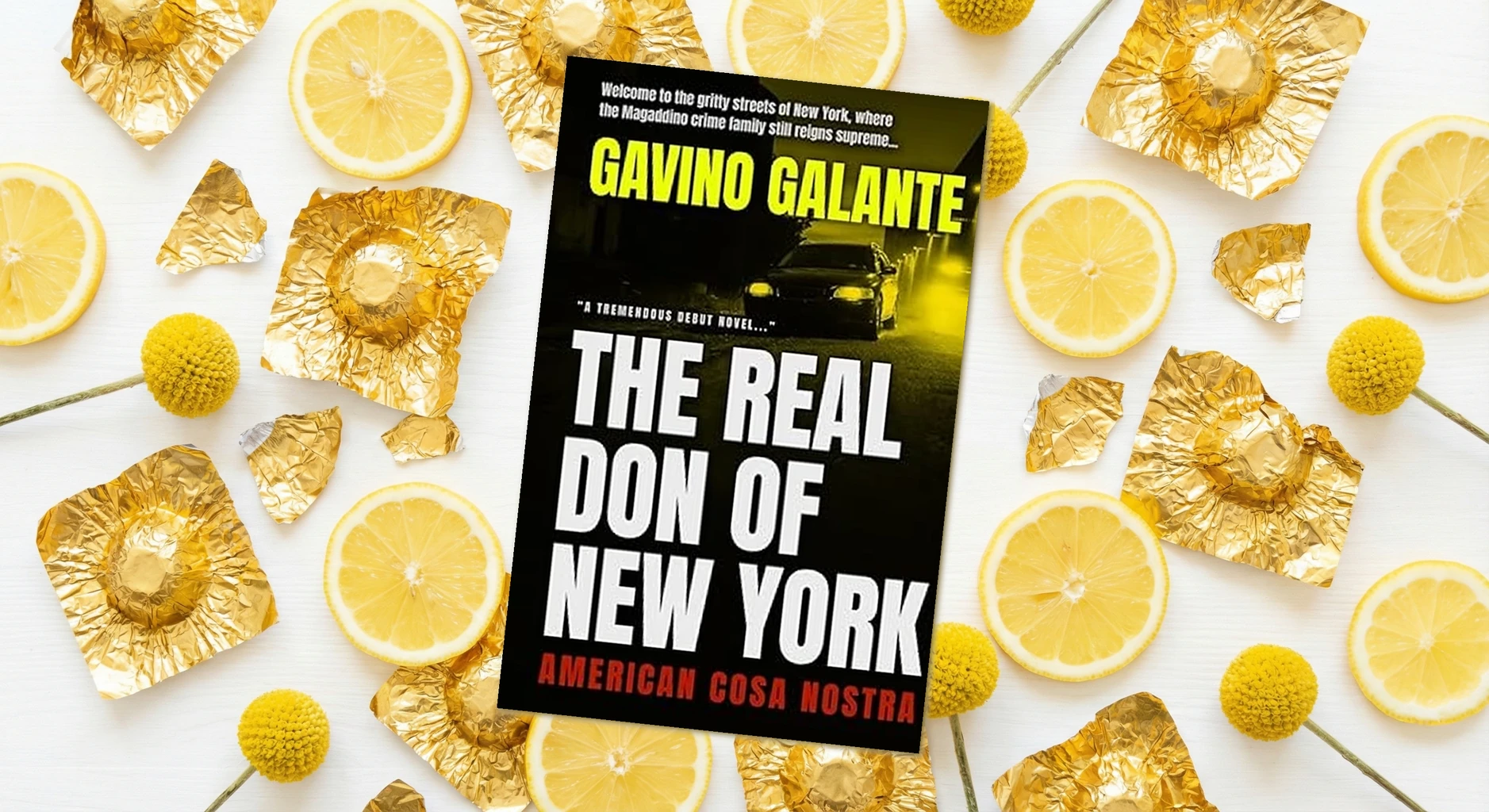
Diving into the world of organized crime through the lens of a single powerful figure is like opening a door to a forbidden realm, one filled with secrets, betrayals, and power plays that thrill and chill in equal measure. When I stumbled upon Gavino Galante’s intriguing narrative about a man whose life bridges the shadowy intersections of crime and culture, I knew I had to immerse myself in the tale. The Real Don of New York is not just a book; it’s a visceral experience that pulls you into the heart of the city’s underbelly.
From the very first page, I found myself captivated by Galante’s rich imagery. The prose is vibrant, painting a vivid picture of the bustling streets and dimly lit backrooms where deals are struck and lives are changed forever. This story is layered, like an intricate tapestry woven with threads of ambition, loyalty, and fear. It’s a narrative that doesn’t shy away from the darker aspects of existence, yet somehow manages to infuse moments of humanity amid the chaos.
The central figure, a man who rises from the ranks of obscurity to become a key player in the world of organized crime. Is not just a caricature of a mobster. He’s a fully fleshed-out character who grapples with the weight of his choices. Galante deftly navigates the moral ambiguities of his protagonist’s life, showcasing the complexities of a man who is both a monster and a victim of circumstance.
As I read, I couldn’t help but reflect on conversations with friends who had delved into the world of mobster lore through popular media. They often draw parallels between the fictional portrayals and the grim realities depicted here. The Real Don of New York does an exceptional job of dismantling those glamorized myths, revealing the nuances of loyalty and betrayal that cannot be captured in a flashy movie montage.
“In the world of crime, trust is as fleeting as the wind,” Galante writes, and this truth reverberates throughout the narrative. I was particularly struck by how the author captures the essence of loyalty—how it can bind people together, yet also serve as a noose around their necks. The tension builds with every turn of the page as alliances shift and the stakes grow higher. I found myself on the edge of my seat, eagerly flipping through the chapters, wanting to know not just the fate of the protagonist but also the fates of those around him.
Galante’s writing evokes a strong sense of place, every street corner and smoky backroom almost takes on a life of its own. The setting isn’t merely a backdrop; it’s a character in its own right. “New York is alive,” he seems to say, “and it breathes the stories of its inhabitants.” I could almost hear the hustle of the city, feel the pulse of its energy, and that sense of immediacy is gripping.
Now, let’s talk about the pacing. This book is a rollercoaster ride, moments of frenetic energy are balanced beautifully with quieter, introspective passages that allow for reflection. I found myself savoring the slower moments, where Galante dives deep into the protagonist’s psyche, exploring his fears, regrets, and ambitions. It’s a fascinating contrast that adds layers to the narrative.
What struck me, too, were the relationships that unfolded within the pages. Galante doesn’t merely focus on the crime itself; he delves into the personal connections that shape the protagonist’s journey. The friendships and betrayals are expertly woven together, creating a web of intrigue that kept me guessing. Each interaction felt charged with unspoken tension, and I found myself rooting for some characters while simultaneously questioning their motives. It’s this complexity that makes the story resonate, long after I closed the book.
Friends of mine who’ve read The Real Don of New York have had varied reactions, but the consensus is clear: Galante has crafted a compelling narrative that invites readers into a world they may not have known existed. They’ve echoed my feelings about the authenticity of the characters and their struggles. It’s a testament to Galante’s skill as a storyteller that he can evoke such strong emotions, hatred, sympathy, and even remorse toward individuals who often occupy the darker sides of society.
The ending, too, left me pondering. Galante’s choice to lean into the ambiguity of the conclusion was bold and refreshing. It felt fitting for a story steeped in moral grey areas. Life doesn’t always provide neat resolutions, and the unresolved threads of the narrative mirrored the uncertainties of existence within the criminal world. It’s a finale that invites discussion, sparking debates among friends about what justice truly looks like and whether redemption is possible in such a life.
As I reflect on The Real Don of New York, I realize it’s more than just a tale of crime. It’s a meditation on power, loyalty, and the costs of ambition. Galante’s prose invites readers not only to witness the events unfold but to feel them deeply, to walk alongside the protagonist as he navigates a world fraught with danger and moral dilemmas. Those who appreciate rich character development and a narrative that doesn’t shy away from the complexities of human nature will find a lot to love here.
In the end, I’m left with a sense of satisfaction. I won’t soon forget the characters or the vivid world Galante has created. This book is a testament to the power of storytelling, weaving together threads of truth, consequence, and the often-hidden layers of life within the shadows of New York City. For anyone looking to explore the intricate dance between fate and choice in a beautifully crafted narrative, this is a journey worth taking. 4.5 stars. Highly recommend!