The Zen Monkey and the Lotus Flower
by Tenpa Yeshe
4.5/5
by Tenpa Yeshe
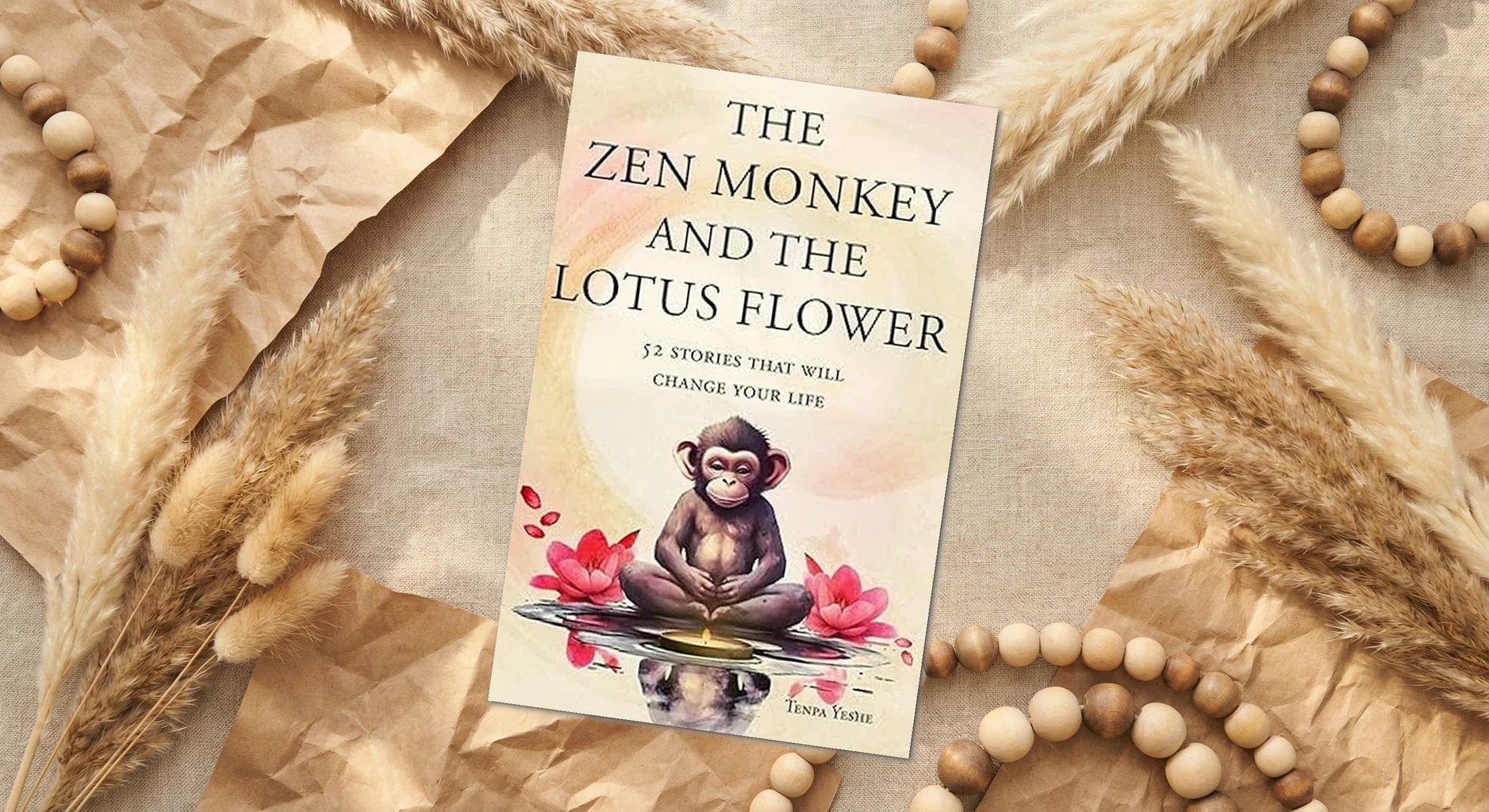
There’s something profoundly enchanting about books that bridge the gap between the spiritual and the everyday. Tenpa Yeshe’s latest offering, The Zen Monkey and the Lotus Flower, is a delightful exploration of this very theme, woven through the lens of humor and heartfelt insight. At its core, this book reminds us of the beauty and chaos of life, encouraging a dance between our aspirations and the present moment. It's like a gentle nudge, urging us to slow down and breathe, to appreciate the little things, and perhaps, to find our very own lotus in the muddy waters of existence.
As I delved into the pages, I felt a sense of calm wash over me. Yeshe writes with a lightness that feels reminiscent of a playful breeze on a sweltering summer day. His prose flows seamlessly, inviting readers to meander alongside him as he shares anecdotes, wisdom, and moments of reflection. The narrative itself is structured like a series of delightful vignettes, each one bursting with life lessons wrapped in wit and charm. It’s this unique blend that kept me turning the pages, eager to see what delightful twist or insight awaited me next.
One of my favorite aspects of the book is the way Yeshe incorporates humor into deep philosophical concepts. It’s a reminder that spirituality doesn’t always have to be serious. He brings levity to the table, intertwining jokes and anecdotes that made me chuckle and think at the same time. My friends who read this book with me found themselves echoing my sentiments; Yeshe has a knack for creating relatable scenarios that pop up in our day-to-day lives, making the teachings accessible and easy to digest.
Throughout The Zen Monkey and the Lotus Flower, there are moments that resonate well beyond the written word. For instance, I loved how Yeshe uses the metaphor of the lotus flower to illustrate growth and resilience. The lotus blooms beautifully, often rising from murky waters, symbolizing how we can thrive despite our challenges. This imagery is not only beautiful but serves as a gentle reminder that even in our own struggles, we have the potential for growth and beauty. It struck a chord with me personally, as many of us often find ourselves navigating our own muddy waters.
As I continued my reading journey, I was struck by the diverse array of stories Yeshe shared. Each tale was like a little gem, shining brightly in its own right, yet also connecting to the larger themes of the book. There’s a story about a monkey who learns to embrace his own nature, a tale that beautifully exemplifies self-acceptance. Another anecdote dives into the idea of letting go, illustrated through an incident that made me laugh out loud while simultaneously reflecting on my own tendencies to cling to things that no longer serve me.
What’s particularly engaging about The Zen Monkey and the Lotus Flower is Yeshe’s ability to balance philosophical musings with practical advice. At various points, he offers readers tangible techniques for cultivating mindfulness and acceptance. This isn’t just a book filled with lofty ideas; it’s a practical guide for anyone looking to navigate their own journey with a bit more grace and ease. The exercises sprinkled throughout the narrative felt like little invitations to pause and reflect, allowing me to engage actively with the material rather than passively consume it.
My friends and I often found ourselves discussing the book long after we put it down. The conversations sparked by Yeshe’s writing were rich and layered, touching on everything from personal growth to the nature of happiness. In a world that often feels chaotic and overwhelming, it’s refreshing to connect with a text that encourages a gentler approach to life. Each page felt like a conversation with a wise friend, one who understands the struggles of modern existence yet gently nudges you toward a brighter outlook.
I particularly appreciated how Yeshe intertwines Eastern philosophies with relatable experiences. It’s like he takes the profound teachings of Zen and presents them in bite-sized pieces, making them digestible for anyone, regardless of their background in spirituality or philosophy. He acknowledges the messiness of life, which resonates deeply, especially for those of us who find ourselves in a constant juggling act between work, relationships, and self-care.
It’s not just about light-heartedness and humor. There are moments of depth that require reflection, where Yeshe challenges us to confront our own patterns and beliefs. It’s like he’s holding up a mirror, inviting us to see ourselves more clearly. Those moments were often accompanied by an emotional weight that lingered long after I turned the page. It’s a testament to Yeshe’s skill as a writer that he can interlace laughter with introspection, leaving the reader feeling both buoyed and contemplative.
As I reached the final chapters, I found myself reluctant to leave the world Yeshe had crafted. It’s a place where wisdom and humor coexist, where the journey is just as important as the destination. The lotus, representing enlightenment and rebirth, underscores the transformative power of embracing life’s challenges, reminding us that growth often emerges from our most trying moments.
The Zen Monkey and the Lotus Flower is not just a book; it’s an experience. It’s a delightful invitation to reflect, laugh, and ultimately grow. While I would have loved a few more pages to linger in this world, I walked away feeling refreshed. The wisdom Yeshe shares has stayed with me, like a comforting whisper that nudges me toward mindfulness.
If you’re looking for a read that will leave you inspired, The Zen Monkey and the Lotus Flower is a perfect choice. Whether you’re well-versed in Zen teachings or simply curious about the intersection of spirituality and everyday life, there’s something for everyone within these pages. It's a book that urges you to pause, breathe, and appreciate the beauty in both the chaos and calm of life. After all, we’re all just trying to find our own lotus in a sea of muddy waters.