Triple
by Ken Follett
4.5/5
by Ken Follett
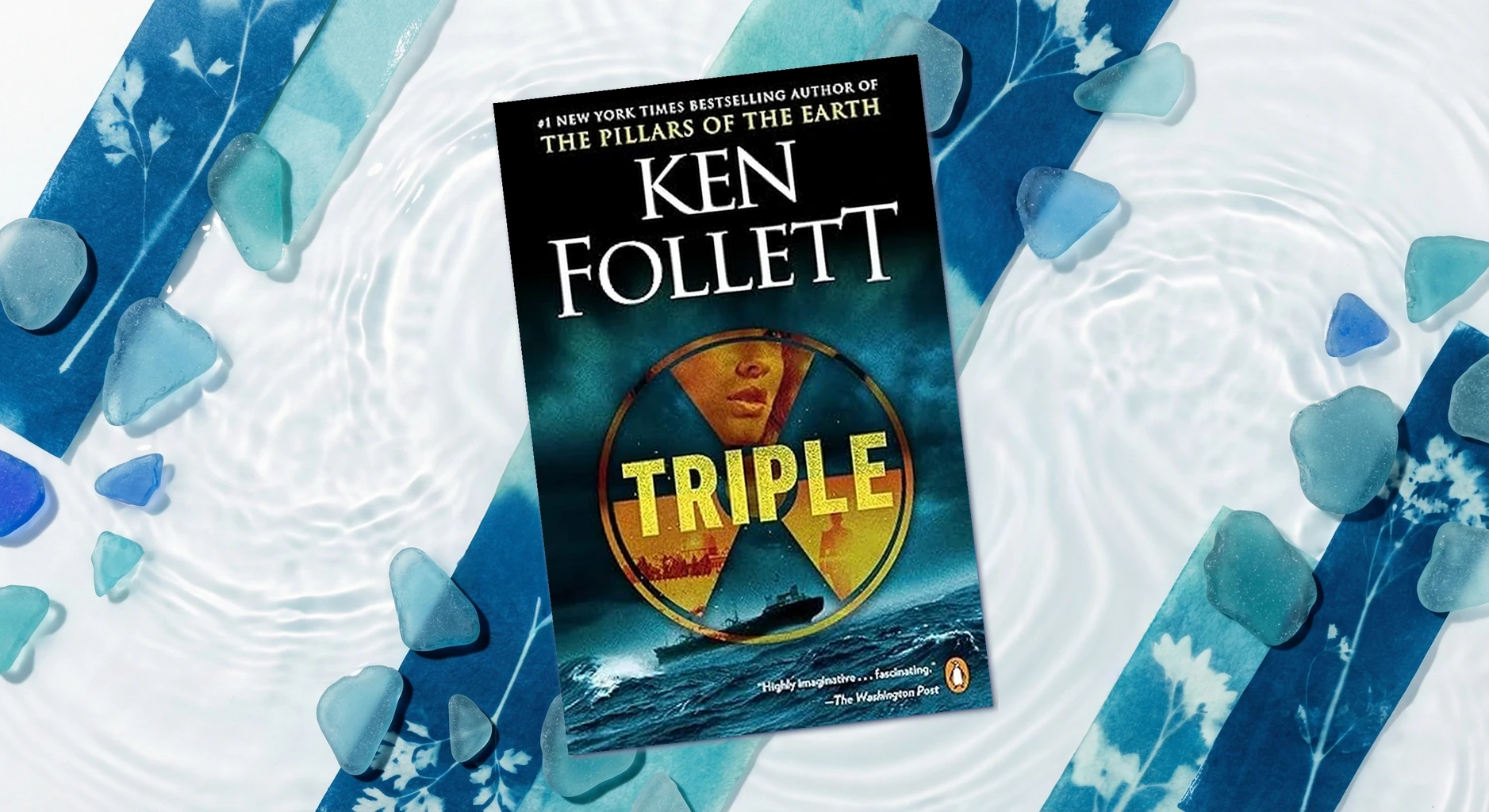
Ken Follett’s Triple weaves a tapestry in which espionage, betrayal, and the intricacies of human relationships collide against the backdrop of the Cold War. From the moment I delved into its pages, I was transported into a world thick with tension and intrigue. The narrative spans multiple perspectives, each character's arc intersecting like the myriad threads of a well-crafted quilt. It’s a thrilling ride that challenges the reader to think, feel, and hold their breath as the stakes rise.
The plot is set in the late 1960s, a time when political allegiances shifted like sand. Follett's meticulous attention to detail immerses you in a vibrant historical context, and the era practically pulsates with life. Whether it’s the bustling streets of Berlin or the stark, cold corridors of power, each location is brought to life with a vividness that makes you feel as if you’re right there, standing alongside the characters as they navigate a treacherous game of cat and mouse.
Our protagonists, who come from various walks of life, are drawn into a web of espionage that tests their loyalties and morals. There's the British spy, the American businessman, and the Soviet agent, each with unique motivations and hidden agendas. My friends who have read Triple often remark on how Follett’s characters are never one-dimensional; they are layered, flawed, and incredibly human. I couldn't help but empathize with their struggles, particularly in how each character wrestles with their conscience while trying to survive in their respective worlds.
The pacing is a masterpiece of suspense. Follett has a knack for building tension. He constructs scenes that are peppered with suspenseful moments, each twist and turn leaving you craving what happens next. It’s the kind of storytelling that compels you to read just one more chapter, and then another, and before you know it, hours have passed. I found myself racing against time, eager to uncover the mysteries that lay in wait.
The relationships depicted in Triple are particularly compelling. Follett explores love, betrayal, and sacrifice with a deft hand. The romantic entanglements add a layer of complexity to the political drama, creating a narrative that is not only thrilling but also deeply emotional. I often found myself reflecting on the choices characters made for love versus duty, and how those decisions shaped their fates. It’s a theme that resonates with anyone who has ever grappled with the weight of their choices.
One aspect that stood out to me was Follett’s ability to create a palpable sense of urgency. The countdown to a major political event is woven throughout the narrative, and it amplifies the tension beautifully. It’s not just about individual survival; it’s about the fate of nations hanging in the balance. As I turned the pages, I could feel my heart racing, mirroring the frantic energy of the characters as they raced against time.
Yet, what makes Triple truly remarkable is how it doesn’t shy away from the moral ambiguities of espionage. The lines between right and wrong blur, and Follett invites us to ponder the ethical dilemmas faced by those in power. This moral complexity makes the characters’ decisions all the more impactful. I remember discussing this with a friend who said, “Follett forces you to confront uncomfortable truths about loyalty and betrayal.” It’s a notion that stayed with me long after I closed the book.
Follett’s writing style is accessible yet sophisticated. He strikes a perfect balance between detailed descriptions and engaging dialogue. I found myself savoring the prose, the way he paints scenes and crafts conversations that feel authentic. There’s a rhythm to his writing that makes it a joy to read, and he has a remarkable talent for building suspense without resorting to cheap tricks.
Some of my friends pointed out that while the book is undeniably thrilling, it’s also a bit sprawling. There are numerous subplots and characters, and at times it can feel overwhelming. However, I found that this complexity added depth to the story. Each subplot felt like a piece of a larger puzzle, and when everything came together, it was immensely satisfying.
As I reached the final chapters, I couldn’t help but feel a mix of exhilaration and dread. Follett has a way of leading you to the precipice, and just when you think you have it all figured out, he throws you a curveball that leaves you gasping. The resolution is both satisfying and thought-provoking, a reminder that in the world of espionage, nothing is ever truly over.
Triple is more than just a historical thriller; it’s a meditation on the human condition, on the choices we make in the name of love, loyalty, and survival. It’s a book that challenges you to think, to grapple with the moral complexities of its characters while also delivering an electrifying story that keeps you on the edge of your seat.
As I reflect on my reading experience, I can’t help but recommend this book to anyone who loves a good thriller. It’s a journey through a turbulent time, filled with characters that will linger in your mind long after the last page is turned. So, if you’re looking for a gripping tale that intertwines history, suspense, and the intricacies of human relationships, Triple is a voyage worth taking.