We Were the Lucky Ones
by Georgia Hunter
4.0/5
by Georgia Hunter
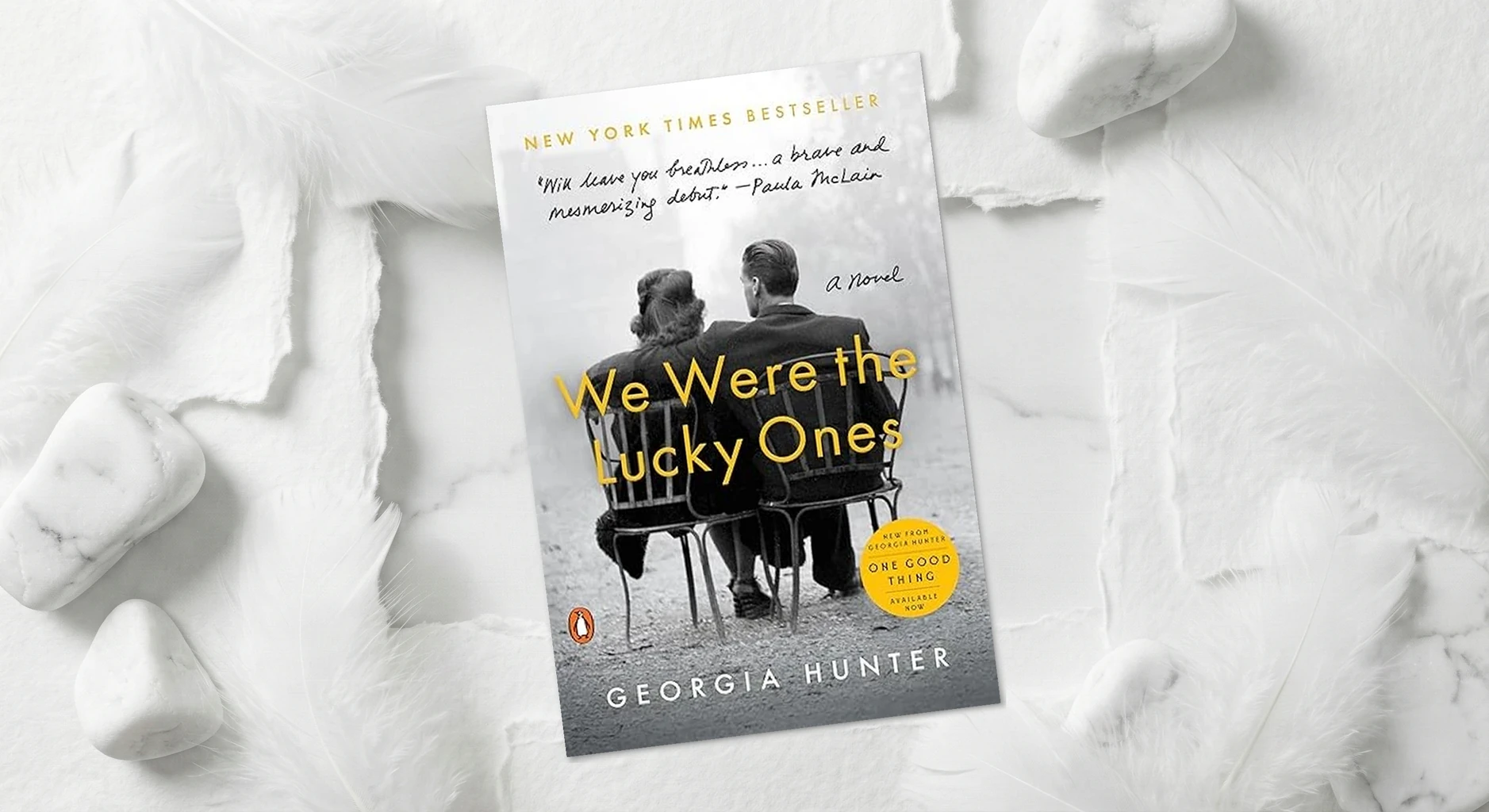
When I first stumbled upon Georgia Hunter's gripping narrative, I hardly anticipated the rollercoaster of emotions that awaited me. This novel, steeped in the realities of World War II, is a masterclass in blending historical fact with the deeply personal stories of its characters. As I delved deeper into the pages, I found myself utterly enthralled, captivated not just by the story, but by the resilience and fortitude of those who lived through such harrowing times.
The narrative unfolds through the lens of a Jewish family from Poland, the Kurcs, who find themselves torn apart amidst the chaos and devastation of the Holocaust. The author brings to life the harrowing experiences of this family with remarkable authenticity, rooted in her own family history. This personal touch adds a layer of emotional weight that is both poignant and palpable. It's not just a story of survival; it’s about the bonds of love, the painful choices one must make in the face of unimaginable horror, and the sheer will to endure against all odds.
Key takeaways that emerged for me were the complexities of identity, family ties, and the relentless pursuit of hope amid despair. The Kurcs are not merely characters in a historical narrative; they are vivid, multi-dimensional figures who embody the struggles faced by so many during this dark chapter in history. Their individual stories weave together, creating a tapestry of human experience that resonates deeply, making it clear we are not just reading about events, but experiencing the emotional aftermath as well.
What struck me most was how Hunter so effortlessly captures the nuances of her characters' emotions. For instance, the juxtaposition of hope and despair is a constant theme that is artfully woven into the narrative. Whether through the eyes of a parent desperately trying to protect their child or a sibling yearning for reunion, each character's journey is portrayed with exquisite tenderness. There were moments that had me reflecting deeply, feeling each character's pain and longing as they navigated their tumultuous reality.
Interestingly enough, many readers have echoed this sentiment. Reviews frequently reference the "heart-wrenching" nature of the narrative and how Hunter's storytelling manages to both enlighten and devastate. The emotional depth she brings to her characters allows readers to forge a connection that extends beyond the page, making their stories linger long after the last chapter has been read.
In terms of pacing and structure, I found myself riveted, moving from one chapter to the next with a sense of urgency. The way Hunter shifts between timelines and perspectives is seamless, allowing for a dynamic reading experience that keeps you on the edge of your seat. I particularly enjoyed how she would end chapters with a revelation or cliffhanger that made it nearly impossible to put the book down. Just when I thought I could take a breather, Hunter would reel me back in with another unexpected twist or poignant moment.
One aspect of the book that I appreciated was Hunter's ability to portray the varying responses to trauma and loss. Each character reacts differently, and through their experiences, we gain insight into the diverse human responses to conflict and tragedy. This exploration of emotional resilience and vulnerability resonates deeply, illustrating that while the events of history may shape us, the way we choose to respond is ultimately what defines our humanity.
Moreover, the historical accuracy woven throughout the narrative is remarkable. Hunter's extensive research shines through in her vivid descriptions and the authenticity of her characters' experiences. As a reader interested in history, I found myself gaining a deeper understanding of the Holocaust and its impact on individuals and families. The book serves as a poignant reminder of the atrocities of the past, urging us to remember and honor those who suffered while also sparking important conversations about how we can ensure that such darkness is never repeated.
As I closed the book, I was left with a sense of hope that contrasted sharply with the backdrop of despair that permeated the story. Hunter doesn't shy away from the brutal realities faced by her characters, but she also deftly illustrates the resilience of the human spirit. The message that love and connection can endure, even in the darkest of times, is one that resonates and ultimately uplifts.
Reflecting on my reading experience, I would rate this novel a solid 4 out of 5 stars. While the emotional weight was at times overwhelming, I found that it was beautifully balanced by the moments of hope and connection interspersed throughout the narrative. Hunter's ability to blend history with heartfelt storytelling is commendable, and I would recommend this book not only to those interested in historical fiction, but to anyone looking for a deeply moving tale that will stay with them long after they've turned the last page.
If you’re in the mood for a story that will challenge you emotionally and intellectually, then this book should definitely be on your reading list. As I reflect on the journey I took with the Kurc family, I know I’ll carry their stories with me, serving as a reminder of the enduring power of love, resilience, and hope amidst the shadows of history.