What You Are Looking For Is in the Library
by Michiko Aoyama
4.5/5
by Michiko Aoyama
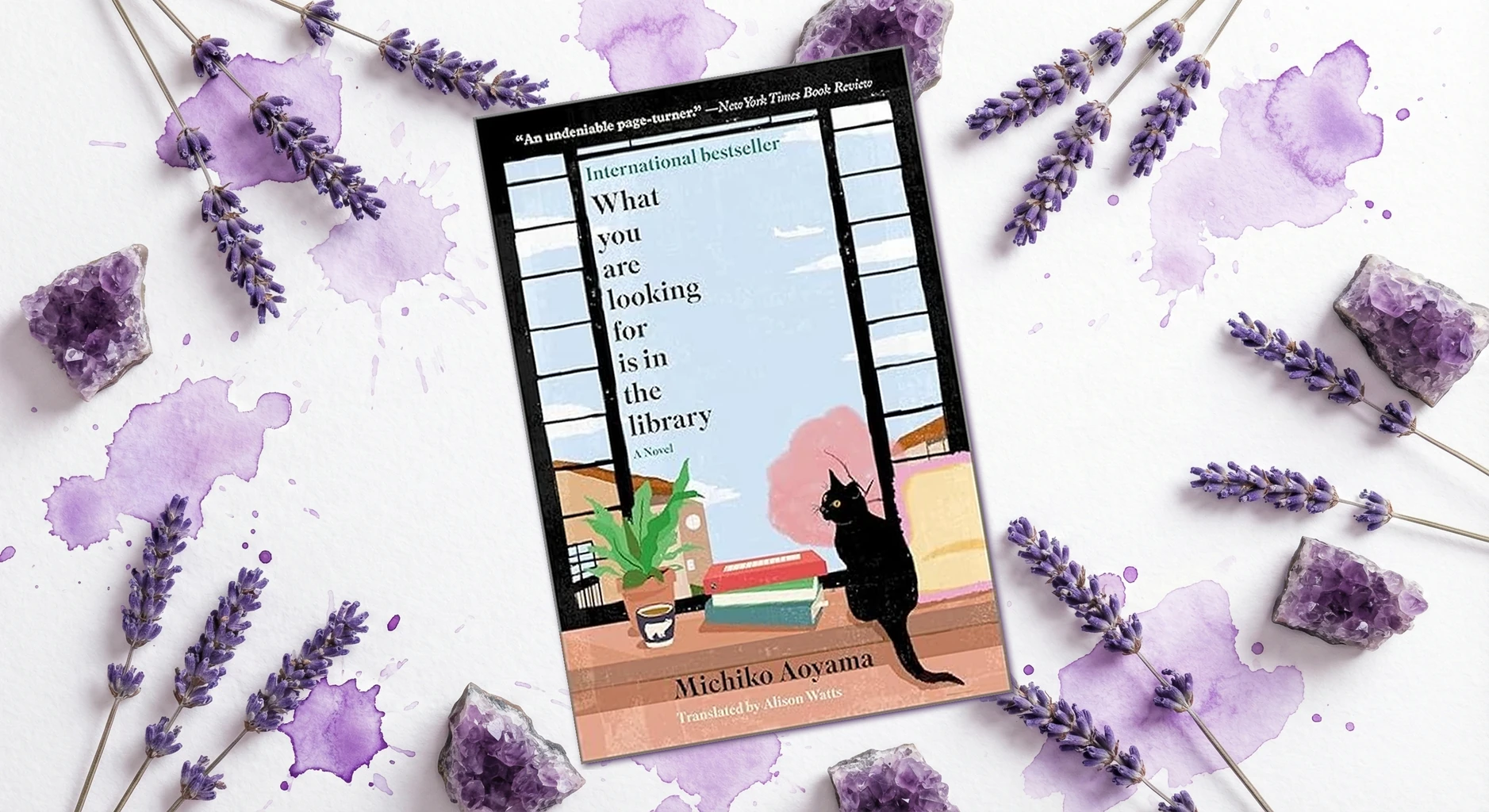
Navigating the delicate interplay between memory, grief, and the haunting echoes of the past is no small task. Yet, Michiko Aoyama manages to weave this intricate tapestry with grace and insight in her latest novel. The story flickers to life within the comforting yet enigmatic confines of a library, a setting that feels at once familiar and otherworldly.
The narrative revolves around a young woman named Rina, who returns to her childhood library after the death of her estranged mother. This isn't just a physical return; it’s a journey through the labyrinth of her memories, each aisle lined with books that whisper secrets and stories from yesteryears. The library serves as both sanctuary and prison, a place where Rina grapples with the unresolved tensions of her past, specifically her complicated relationship with her mother.
What You Are Looking For Is in the Library opens the door to a world tinged with nostalgia and regret. Aoyama's prose is a gentle hand that guides us through Rina's emotional landscape. There’s a rhythm to her writing, a kind of soft music that lingers long after you’ve turned the last page. The way Aoyama describes the library. Its creaky floors, the smell of old paper, and the warm glow of reading lamps create a vivid backdrop against which Rina’s story unfolds. I found myself longing for the sanctuary of a library while reading, feeling that familiar sense of belonging that only a space filled with stories can provide.
The characters are wonderfully fleshed out, especially Rina, whose internal struggles reflect those of many of us in our quest for understanding and closure. She’s not an archetype; she’s a mosaic of experiences, fears, and desires. The tension between her desire for connection and her trepidation about facing the truth is palpable. Her journey to reconcile her feelings about her mother is mirrored by her interactions with the library’s other patrons, each of whom has their own story to tell—each a fragment of the larger narrative that Aoyama is crafting.
As my friends who’ve read this book have pointed out, there’s a profound exploration of familial bonds and the weight of unspoken words. Rina’s relationship with her mother, fraught with misunderstandings and silence, resonates deeply. The raw emotions portrayed are not just Rina’s; they echo the universal longing for acceptance and the ache of unfulfilled expectations. Aoyama doesn’t shy away from the messiness of these relationships, skillfully illustrating that love often exists in the gray spaces between words.
“Libraries are tombs,” Rina reflects at one point, capturing the duality of the space as a repository of both knowledge and loss. It’s a poignant observation that struck me as I thought about how much we carry with us—both the weight of our own stories and the stories of those we love. It’s a theme that reverberates throughout the narrative.
At its core, What You Are Looking For Is in the Library is about the search for identity and meaning. Rina's quest isn't just about uncovering the truth about her mother; it’s also about understanding herself. Aoyama artfully depicts this journey through the lens of literature, weaving in references that will resonate with bibliophiles and casual readers alike. The intertextuality is subtle yet enriching, adding layers to Rina’s experience as she confronts her past.
One of the most compelling aspects of Aoyama's writing is her ability to evoke a sense of place. The library becomes a character in its own right—a living entity that holds memories and secrets. Aoyama captures not just the physicality of the space, but also its emotional resonance. I felt as if I were wandering the aisles alongside Rina, discovering forgotten tomes and piecing together the fragments of her life through the stories that surrounded her.
Beyond the personal narrative, there’s a societal commentary woven into the fabric of the book. Aoyama subtly addresses themes of cultural expectation, generational conflict, and the struggle for authenticity in a world that often prioritizes conformity. Rina’s experiences serve as a microcosm of these larger issues, making the novel not just a personal journey but also a reflection of the human condition.
As I delved deeper into the story, I found myself captivated by the way Aoyama employs language. Her style dances between lyrical and poignant, with moments of sharp clarity that cut through the haze of memory. There are passages that linger in the mind, phrases that resonate like echoes long after you’ve read them.
Some of my friends noted that the pacing occasionally lags as Aoyama takes her time exploring Rina’s introspections, but for me, those moments of reflection were vital. They allowed me to breathe alongside Rina, to sit with her in her confusion and pain. Aoyama’s careful construction of these quieter moments lends the narrative depth, allowing the reader to fully absorb the weight of Rina’s experiences.
Yet, perhaps the most striking element of Aoyama’s novel is its ability to inspire introspection. As I turned the pages, I found myself reflecting on my own relationships, the stories that shape who I am, and the unspoken words that linger in the air. The themes of loss and reconciliation resonate universally, inviting readers to examine their own lives through a reflective lens.
As I reached the end of the book, I felt a mix of satisfaction and yearning. The resolution is not tidy; it’s messy and real, much like life itself. Aoyama leaves readers with a sense of hope tempered by reality, a reminder that while we may not always find what we are looking for, the journey itself can lead us to unexpected places.
What You Are Looking For Is in the Library is an exquisite reflection on the complexities of love, memory, and the search for identity. Michiko Aoyama has crafted a narrative that lingers in the mind like the last notes of a beautiful song, inviting continued contemplation long after you’ve closed the book. If you’re searching for a story that blends the warmth of nostalgia with the sharp edges of personal discovery, this is a journey worth taking.