Window on the Bay
by Debbie Macomber
4.0/5
by Debbie Macomber
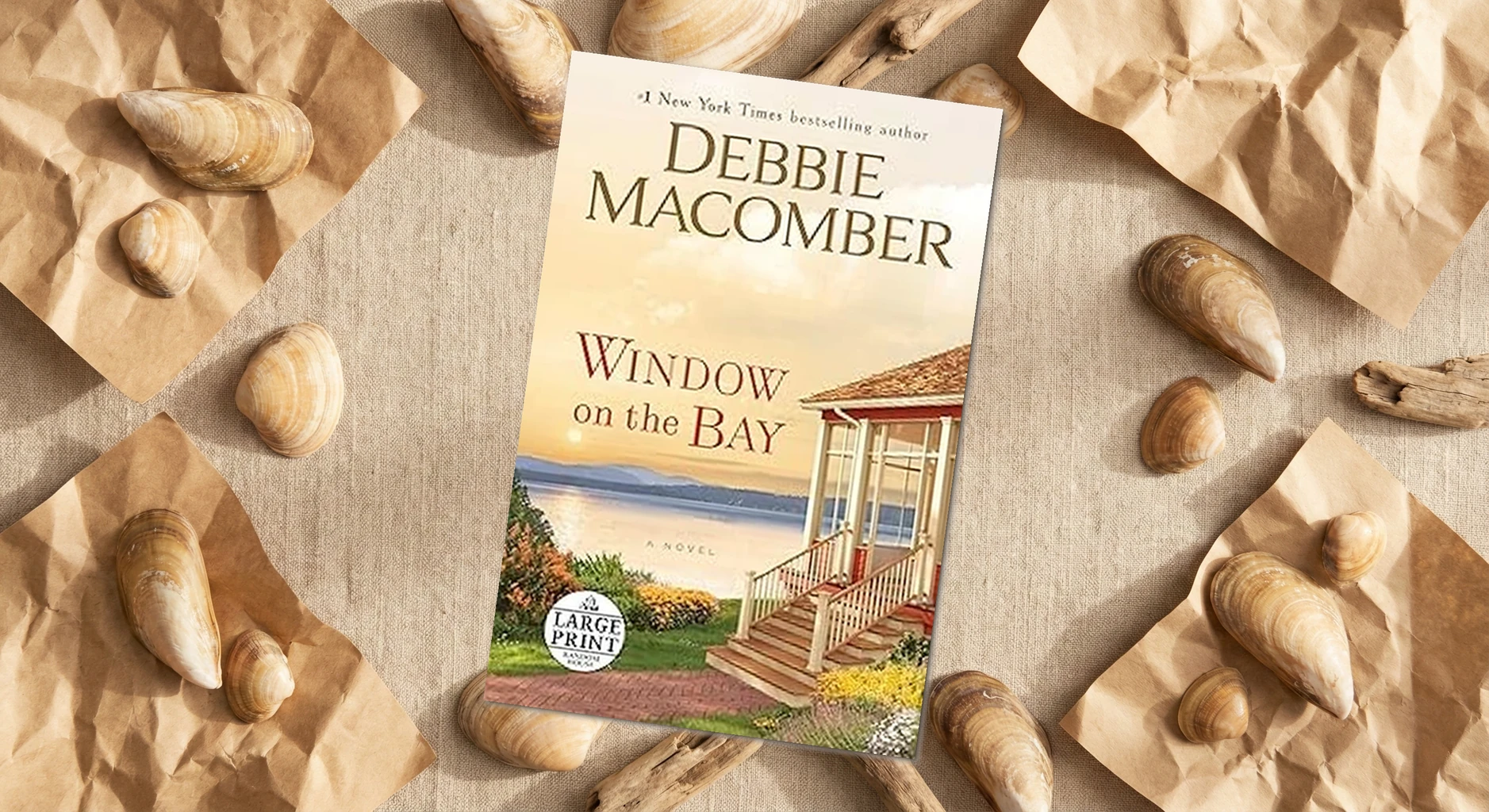
There’s something inherently comforting about curling up with a Debbie Macomber novel, isn’t there? In her latest work, Window on the Bay, she does what she does best—delivers a warm, heartfelt story that draws you into the lives of relatable characters grappling with love, loss, and second chances.
Macomber’s signature style shines through in this novel, which centers around two lifelong friends, Jenna and her neighbor, who find themselves navigating the complexities of life, love, and personal growth amid the picturesque backdrop of Oregon’s coastal beauty. As someone who has read Macomber’s work for years, I dove into this book with a sense of anticipation, knowing it would serve as a delightful escape from the daily grind.
The story revolves around Jenna, a recently widowed mother trying to rediscover her identity while providing for her teenage son. Following a difficult phase in her life, she is determined to heal and find happiness again, often reflecting on the memories of her late husband, which adds a poignant depth to her character. The emotional resonance of Jenna’s journey is something many readers can relate to, especially those who have faced similar life challenges. She is not alone in her quest; her neighbor and best friend, who also has her own struggles, serves as a perfect foil to Jenna’s narrative, providing both comedic relief and profound insights.
One of the aspects I especially appreciated about Window on the Bay is how Macomber deftly weaves themes of resilience, friendship, and the importance of community throughout the plot. The bonds formed between Jenna, her son, and her neighbor are beautifully portrayed, evoking a sense of nostalgia for those cherished friendships we form over the years. It’s a reminder that life, although unpredictable, can be navigated with the support of loved ones.
As I turned the pages, I found myself captivated by the lively side characters that populate Jenna’s world. From the quirky townsfolk to the lovable animals, each character is meticulously crafted, adding color and humor to the narrative. Macomber’s ability to create such vivid, multifaceted characters makes the story feel like a stroll through a charming small town, where you can’t help but feel a connection to its residents. Their quirks and idiosyncrasies often brought a smile to my face—exactly what I needed during a particularly hectic week.
The book also delves into the complexities of romantic relationships and the skepticism that often accompanies them, especially after a significant loss. Jenna’s hesitations about entering the dating scene again are portrayed with authenticity; Macomber illustrates the inner conflict one often faces when balancing the desire for companionship with the fear of vulnerability. There are moments of tension and self-discovery that keep you rooting for Jenna, making you reflect on your own relationships and the hurdles we all face in love.
However, I must admit that while the novel is charming, it occasionally treads familiar ground; the themes and character arcs may feel a tad predictable to seasoned readers of Macomber’s work. That said, isn’t that part of the charm? There’s a comfort in knowing you’re going to be treated to a sweet story filled with heartfelt moments, even if you can guess where it may lead. It’s the literary equivalent of your favorite cozy blanket or a warm cup of tea on a rainy day—familiar, comforting, and just what you need.
Readers have varied opinions about this novel, of course. Many have praised Macomber for her ability to create relatable characters and heartwarming stories that resonate with her audience. They appreciate her light, conversational style and often express that picking up her books feels like reconnecting with an old friend. Others, however, note that some of her plots can be formulaic, raising the question of whether readers are looking for something deeper or more groundbreaking. In my opinion, it’s important to recognize that not every book needs to be a profound literary masterpiece; sometimes, we need a delightful escape, and Window on the Bay delivers just that.
The picturesque setting of the Oregon coast plays a crucial role in the narrative, almost becoming a character in itself. Macomber paints a vibrant picture of life near the ocean—its beauty, its challenges, and its ability to heal. The descriptions are sensory and inviting; I could almost smell the salty air and feel the sand between my toes as I got lost in Jenna's world. It's a perfect backdrop for a story about rediscovery and renewal.
As I reached the conclusion of the novel, I found myself feeling uplifted, with a renewed sense of hope. Macomber ends the story on a note of optimism—reminding us that while life may take unexpected turns, there’s always the possibility of new beginnings. Jenna’s journey is a testament to resilience, love, and the power of friendship, making this book a perfect pick for anyone seeking a comforting read.
Window on the Bay is a delightful tale that captures the essence of life’s ups and downs with grace and warmth. While it may not break new ground in storytelling, it certainly fulfills its purpose as a heartwarming escape from reality. Whether you’re a long-time Macomber fan or new to her work, this book is sure to resonate. If you’re in the mood for a heartfelt story that will leave you smiling, I highly recommend giving it a read. So grab a blanket, settle into your favorite reading nook, and prepare for a cozy journey of love, friendship, and personal growth. You won’t regret it!