Before We Were Innocent
by Ella Berman
4.0/5
by Ella Berman
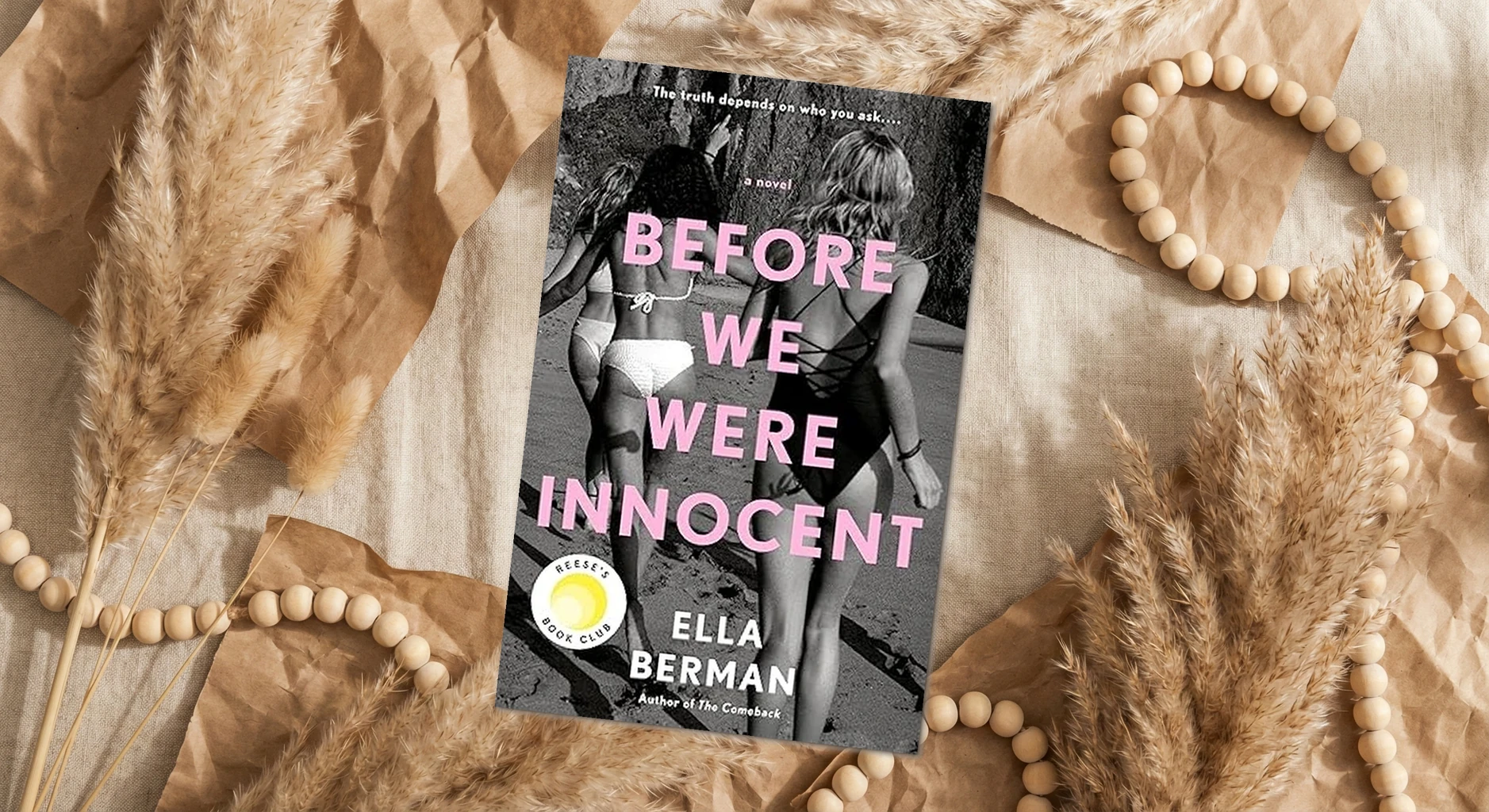
In the world of contemporary fiction, there are few novels that resonate so profoundly with the messy intricacies of youth, loss, and the mistakes that shape us. Ella Berman’s latest work takes readers on a poignant journey through the lives of five high school friends whose bond is tested by tragedy. As I turned the pages, I found myself grappling with my own memories of friendships formed during those formative years, much like the characters who navigate the turbulent waters of adolescence.
The story unfolds through the lens of these five friends, each of them wrestling with their own demons while simultaneously trying to hold on to the shared history they’ve built together. The narrative is rich, layered with emotion, and, at times, piercingly raw. This isn’t a mere coming-of-age tale; this is an exploration of how past choices reverberate throughout our lives, shaping who we become.
What struck me most was Berman's ability to create characters that felt so achingly real. Each friend is distinct, flawed, and relatable. Whether it’s the overachiever striving for perfection, the rebellious one pushing boundaries, or the quiet observer who often feels invisible, I found pieces of myself in all of them. The complexity of their relationships, especially in the wake of tragedy, is depicted with such honesty that I often paused to reflect on my own friendships and the fragility they can possess.
Key takeaways from this journey reveal not only the heartache that comes with loss but also the sweetness of friendship. Berman manages to weave a narrative that challenges the notion of innocence, particularly the idea that we can remain unscathed by our experiences. As the characters grapple with their grief, they are forced to confront uncomfortable truths about themselves and each other. This confrontation serves as a catalyst for growth, even in the face of overwhelming pain.
Readers have been diving into this book, and the reactions are as varied as the characters themselves. Some find it a beautiful exploration of grief and resilience, while others feel the weight of nostalgia tugging at their hearts—especially those who have experienced similar trials. The common thread is an appreciation for the depth of emotion that Berman pours into every scene.
One of the most powerful elements of the story is the way it challenges us to consider what we truly value in our relationships. The friends' bond is tested not just by the external circumstances but also by internal conflicts and secrets that simmer just below the surface. I found myself asking difficult questions about loyalty, forgiveness, and the complexities that define our interactions with those we care about most.
As I delved deeper, I couldn’t help but reflect on how the narrative structure amplifies these themes. The alternating perspectives provide a multifaceted view of their shared experiences, showcasing the different ways people process grief and conflict. This technique adds layers to the narrative, revealing motivations and insecurities that a single perspective might miss. It felt like a dance, a rhythm of voices intermingling and clashing, creating a symphony of emotions that resonated with me long after I closed the book.
The dialogue is sharp and authentic, capturing the cadence of youthful conversations with an effortless authenticity that many authors struggle to achieve. It reminded me of my own teenage years—those conversations that feel monumental in the moment, yet seem insignificant in hindsight. Berman captures this dichotomy beautifully, illustrating that while the pain of youth can be overwhelming, it is also where we find the seeds of our future selves.
In terms of thematic depth, the exploration of mental health is woven throughout the narrative, addressing issues such as anxiety, depression, and the weight of expectations. This aspect is particularly timely and relatable, especially for younger readers navigating their own emotional landscapes. Berman doesn't shy away from the uncomfortable conversations surrounding mental health, instead embedding them within the friendships that are both a source of comfort and, at times, a point of contention.
But beyond the emotional landscape, there’s a palpable sense of place that Berman crafts. The settings are vivid and immersive; you can almost feel the sun warming your skin during moments of joy and taste the salt of tears during moments of sorrow. Each location serves as a backdrop to the emotional upheaval, grounding the characters in a reality that feels achingly familiar.
As I reflected on my reading experience, I had to marvel at how Before We Were Innocent does not just recount a story—it holds a mirror to our own lives. It forces us to confront the impermanence of youth and the inevitability of change. It reminds us that while friendships can be forged and tested in the fires of shared experiences, they can also be fragile, requiring tender care and understanding to thrive.
I found this novel to be a testament to the enduring power of friendship, even in the face of heartache. Ella Berman has created a narrative that resonates with anyone who has ever loved deeply, lost profoundly, and searched for meaning in the aftermath. If you’re looking for a book that will leave you with a bittersweet ache in your heart and a deeper understanding of the complexities of human relationships, I wholeheartedly recommend diving into this beautifully crafted tale.
Before We Were Innocent is a journey worth taking—a journey that will linger with you, perhaps prompting you to reach out to an old friend or reflect on the moments that have shaped your own life. It’s a reminder that innocence may be fleeting, but the bonds we create and the lessons we learn are everlasting.