Book of Lives: A Memoir of Sorts
by Margaret Atwood
4.5/5
by Margaret Atwood
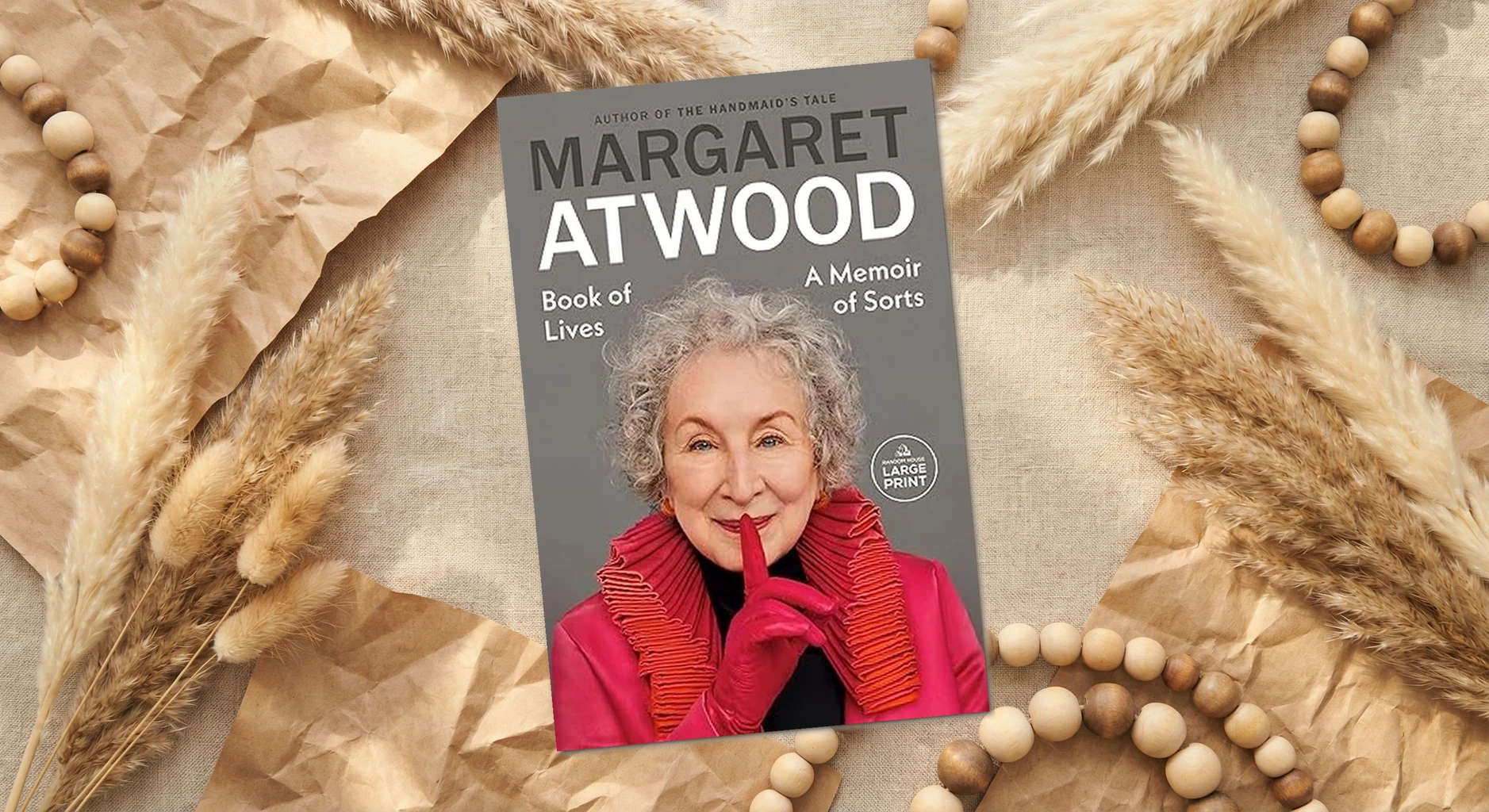
There’s something deeply personal about stepping into the world of a writer’s life and thoughts, especially when that writer is Margaret Atwood. In her latest offering, we are invited to traverse the winding paths of memory, reflection, and exploration in an engaging memoir that feels like a conversation with an old friend. Atwood’s unique voice wraps around you like a comforting blanket, both intimate and expansive, drawing you into the layers of her experiences, insights, and the myriad of lives she has lived through her writing.
As I turned the pages, I felt like I was sitting in a cozy nook with a cup of tea, listening to Atwood recount her tales. Her clever prose is imbued with a sense of humor and sharp wit that keeps you chuckling as you digest her profound insights. She has this way of weaving together personal anecdotes with larger societal issues, making you reflect on both the micro and macro of life. Her storytelling is not just about her; it’s an invitation to think about our own stories, our struggles, and our triumphs.
Atwood takes us through the many lives she has lived — as a daughter, a poet, a novelist, a feminist, and so much more. Each chapter feels like a separate thread, intricately woven into a larger tapestry of her existence. There’s a particular moment when she discusses the nature of storytelling and how it shapes our understanding of the world. It resonated with me deeply: “Stories are the fabric of our lives. They hold our experiences, our hopes, our fears.” I found myself nodding along, reflecting on how stories have shaped my own journey.
One of the key takeaways from this memoir is Atwood’s exploration of identity — how it is formed, reformed, and sometimes shattered. She delves into her past, addressing her upbringing, the influences of her parents, and the literary giants who shaped her as a writer. It’s fascinating how she navigates her childhood in a post-war Canada, navigating the complexities of family dynamics, societal expectations, and her own burgeoning sense of self. It’s as if we are peeling back layers of her life, discovering the foundations of the remarkable literary figure she has become.
Moreover, her observations on feminism and the role of women in literature are both timely and timeless. Atwood’s feminist lens shines through when she discusses the challenges faced by women writers both in her youth and today. “To write is to resist,” she states at one point, and I felt a rush of solidarity. She doesn’t just recount her experiences; she contextualizes them within the broader narrative of women’s rights and the ongoing struggle for equity in the literary world. It’s a call to action that feels invigorating — a reminder that our voices matter, and that writing can be a powerful tool for change.
But it’s not all introspection and heavy themes; Atwood infuses humor and lightness into her narrative. She shares delightful anecdotes about her literary escapades, her sometimes chaotic writing process, and her interactions with fellow authors. There’s a particularly amusing story about a memorable literary festival where everything seemed to go hilariously wrong, reminding us that even the greats have their off days. Her ability to laugh at herself and the absurdities of life makes her narrative all the more relatable.
I was also drawn to her reflections on the passage of time, the aging process, and the legacies we leave behind. Atwood has a way of contemplating life with both gravity and grace. She prompts us to think about how we want to be remembered and the stories we wish to tell. “What lives on after we are gone?” she muses, and it sparks a fire of urgency within me. It’s a poignant reminder that our lives are not just a series of events but stories waiting to be told.
Many readers have echoed my sentiments, noting how her candidness and vulnerability resonate throughout the memoir. There’s a sense of camaraderie in her reflections, inviting readers to look back on their own lives and consider the narratives they are crafting. “In this narrative construction, we find our truths,” one reader remarked, and I couldn’t agree more. Atwood’s memoir encourages an introspective journey, making it an enriching experience for anyone who picks it up.
As I closed the last page, I found myself enveloped in a sense of warmth and inspiration. “Book of Lives: A Memoir of Sorts” is more than just a collection of memories; it’s a celebration of the human experience. Atwood’s ability to blend the personal with the universal is nothing short of magical. She reminds us that while our paths may differ, the stories we share can connect us in profound ways.
This memoir is a treasure trove for those who seek insight into the mind of one of our greatest living writers. It’s a book that encourages you to reflect, to laugh, and perhaps even to write your own story. Margaret Atwood has once again proven why she is a luminary in the literary world, and her latest work is a testament to the power of storytelling itself. If you haven’t already, I urge you to dive into these pages — you’ll come away with not just her stories, but perhaps a renewed sense of your own narrative as well.