The Names
by Florence Knapp
3.5/5
by Florence Knapp
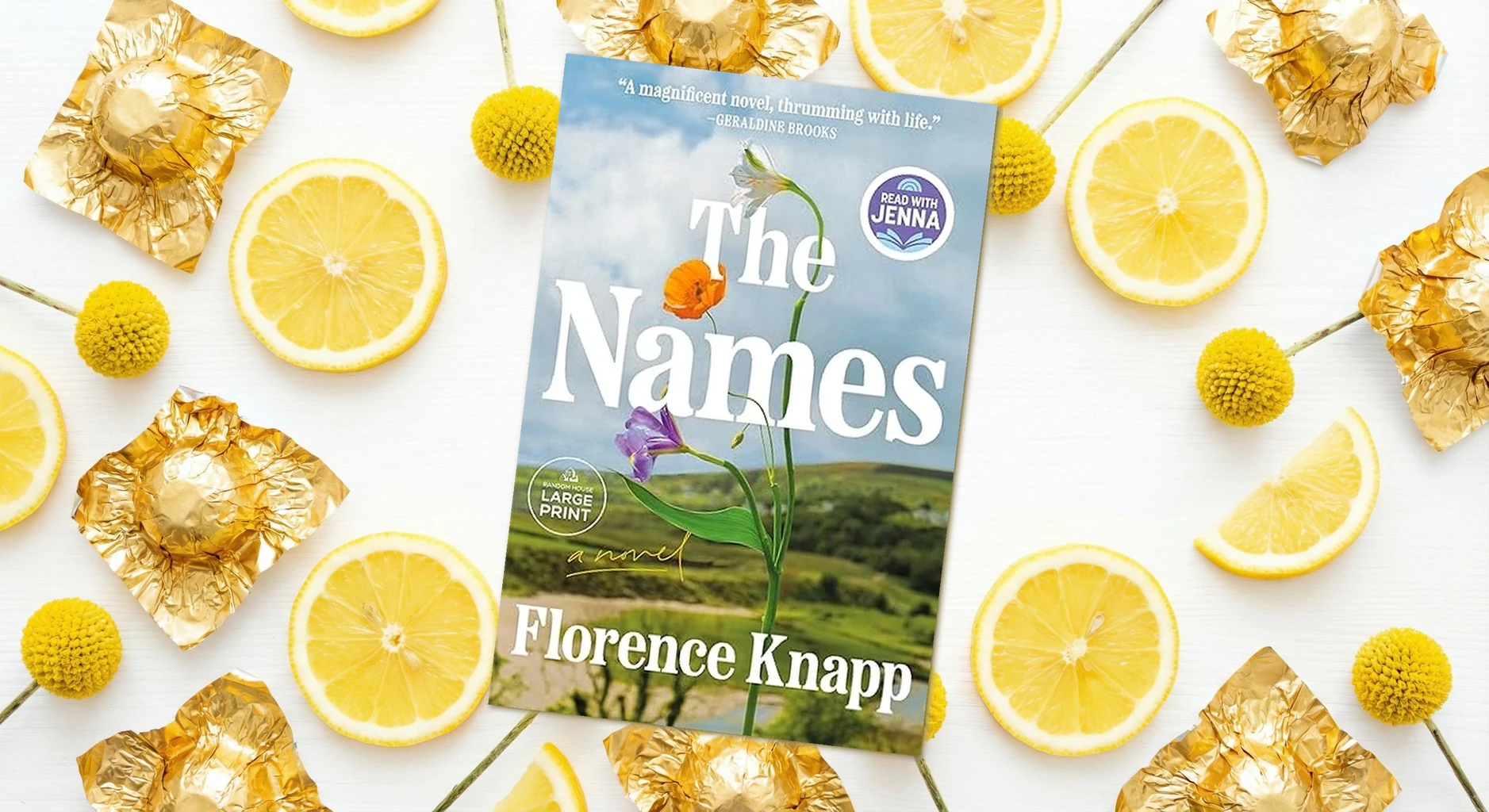
When I first stumbled upon Florence Knapp's latest novel, I was intrigued by the promise of a rich narrative woven into the tapestry of unexpected connections and identity. With a title like The Names, I could only imagine the layers of meaning and implications nestled within the pages. Unfortunately, what I found was a story that, while certainly intriguing, didn’t quite hit the high notes I hoped it would.
At the core of this novel is a cast of characters, each grappling with their own truths. The protagonist, a young woman named Nia, embarks on a journey that is both literal and metaphorical. As she navigates the complexities of her family’s past, particularly her father’s mysterious disappearance, the threads of her identity begin to unravel and reweave themselves in unexpected ways. Knapp explores the notion of names: what they signify, how they shape our identities, and the weight they carry within family legacies. It’s a fascinating premise, and Knapp’s style leans into that with an admirable poetic flair.
The Names is filled with lush descriptions and evocative language. Knapp’s prose often flutters between lyrical beauty and stark reality, creating a rhythm that can be mesmerizing at times. For instance, her depictions of the settings — from the bustling streets of a city that feels both close and alien to Nia, to the quiet, haunting remnants of her family home — are vivid and immersive. You can almost feel the cool air brushing against your skin or the warmth of a kitchen filled with memories.
But here lies one of the novel’s challenges: while the prose is often beautiful, it occasionally veers into the territory of being overly ornate. At times, I found myself pausing to decipher the intricate sentences, which disrupted the flow of the narrative. It’s as if Knapp is trying to craft a tapestry that’s just a little too intricate, and in doing so, she risks losing some readers along the way. For every line that sweeps you off your feet, there's another that might require a second read to fully grasp its intent.
In The Names, themes of displacement and belonging are prevalent. Nia’s quest to learn more about her father's history and her own identity is a universal struggle that many can relate to. It’s a poignant exploration of how our pasts shape us, often in ways we can't fully comprehend until we dig deeper. Yet, while these themes are beautifully articulated, the pacing of the story often felt uneven. The first half of the book builds slowly, with Nia’s introspection taking precedence over action. I found myself longing for a bit more momentum, a dash of urgency that would propel the narrative forward.
As we delve deeper into Nia’s journey, we meet a cast of supporting characters who each play their part in her awakening. Some are delightful, adding color and depth to the story; others, unfortunately, felt more like plot devices than fully fleshed-out individuals. This inconsistency can make it challenging to fully invest in the stakes of Nia’s journey. I craved more from these side characters, as they often hinted at fascinating backstories that went unexplored.
One of the most powerful aspects of The Names is the examination of familial relationships, particularly the dynamics between mothers and daughters. Knapp has a keen understanding of how these connections can be both a source of strength and a burden. Nia’s relationship with her mother, filled with both love and tension, highlights the complexities of familial bonds and the unspoken expectations that often linger beneath the surface. The exploration of these themes resonated on a personal level for me, often evoking emotions that lingered long after I turned the final page.
Another bright spot in the novel is the way Knapp uses the concept of names to explore cultural identity. Nia's journey leads her to confront not just her personal history, but also the broader implications of heritage and the way names carry the weight of tradition and expectation. The novel invites readers to ponder their own names and the stories they tell. This aspect is where Knapp truly shines, inviting us to reflect on the broader implications of identity in an increasingly globalized world.
The narrative's climax, however, felt a bit rushed compared to the slow, careful build-up of the earlier chapters. By the time the major revelations came to light, I found myself slightly disoriented, wishing for more time to digest the implications of Nia's discoveries. There’s a richness to the story that feels just out of reach, as if Knapp had laid the groundwork for a deeply impactful conclusion but didn’t quite get there.
My experience with The Names was a mixed bag. There are moments of sheer brilliance interspersed with prose that occasionally feels overindulgent. The exploration of identity, family dynamics, and cultural heritage is thought-provoking and resonates deeply, but the pacing issues and character development could use refinement.
If you’re intrigued by the exploration of identity and the complexities of familial relationships, this book might resonate with you on some level. It’s certainly a thoughtful reflection on what names mean, both personally and culturally. Yet, for a reader seeking a more tightly woven narrative and a faster pace, you might find it doesn’t quite meet your expectations. As I walked away from The Names, I felt a sense of longing—longing for the depth that could have been achieved with a bit more focus and clarity. It’s a promising effort from Florence Knapp, and while it didn’t fully captivate me, I recognize its potential and the thought-provoking questions it raises.
Perhaps this is the beauty of literature: not every book will resonate with every reader, but each one holds the potential to spark conversations, reflections, and a deeper understanding of our shared human experiences. If that sounds appealing to you, I encourage you to dive into The Names and see where Nia’s journey takes you.M