Sisters of Fortune
by Anna Lee Huber
4.0/5
by Anna Lee Huber
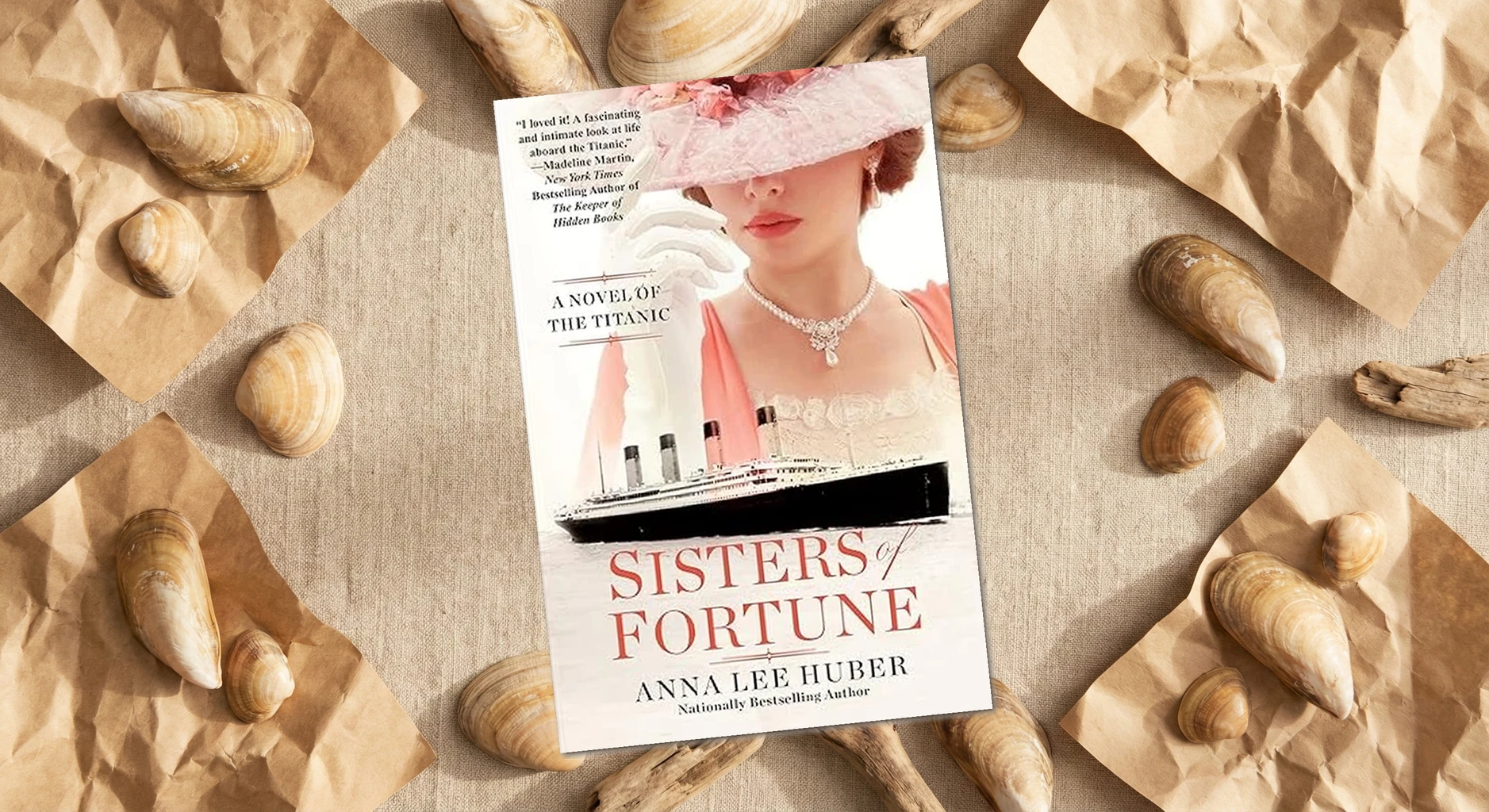
When I first picked up this novel, I didn’t quite know what I was getting into. Anna Lee Huber’s newest tale swept me off my feet, and as I turned each page, I felt myself getting lost in the intricate web of stories, secrets, and the enduring bonds of sisterhood. The title, Sisters of Fortune, hints at a deeper exploration of familial ties, but what you’ll find is far richer than a mere glance at sisterly love and loyalty.
The story revolves around the three sisters – each distinct and layered with complexity. From the very beginning, it’s evident that Huber has crafted characters who breathe life into the pages. I could almost hear their laughter, feel their sorrows. The narrative draws you into their lives in a way that feels intimate, as if you’re sharing a cup of tea with them in a cozy nook.
The eldest sister, Lila, is a force of nature, ambitious and unyielding. She’s a woman who knows what she wants and isn’t afraid to go after it, but her determination often teeters on the edge of obsession. I found myself rooting for her, even as I cringed at her choices. Then there’s the middle sister, Marigold, embodying creativity and free spirit, yet haunted by her own shadows. Her artistic journey resonates deeply, especially as someone who has often grappled with creativity and self-doubt. And finally, there’s the youngest sister, Greer, whose quiet strength and sense of loyalty often hold the family together even when everything feels on the brink of collapse.
What truly drew me into Sisters of Fortune was how Huber deftly interweaves themes of ambition, love, and betrayal into a tapestry of sisterhood. These women face not just external challenges but the internal struggles that come with being a sister. My friends who have read this novel are quick to praise its portrayal of what it means to be part of a family—complex, messy, and deeply rewarding.
Huber’s prose is lyrical, enveloping you in her world while also providing sharp insights into the human experience. She writes with a rhythm that flows, yet there are moments where the cadence shifts suddenly, forcing you to pause and reflect on a heavy truth or an unexpected twist. This balance is what makes the emotional stakes in this novel feel so real.
One of the recurring motifs is the concept of legacy and what is passed down through generations. Each sister grapples with their familial legacy in different ways. Lila’s pursuit of success often comes at the cost of her relationships, while Marigold seeks to carve out her own identity, battling the expectations placed upon her. Greer, though quieter, serves as the emotional anchor, reminding us that sometimes the most powerful stories are those that are lived in silence.
As I delved deeper into the plot, I was struck by Huber's ability to create tension. There’s a mystery woven throughout the narrative that kept me guessing. It’s not just a simple tale of sisterly love; it’s a journey filled with secrets and revelations that challenge the very foundation of their relationships. I found myself gasping at certain revelations, my heart racing as the stakes got higher. Huber knows how to play with suspense, ensuring that each page turn is filled with anticipation.
The setting also plays a significant role in the novel. The lush landscapes and vivid descriptions ground the characters in a world that feels both familiar and new. I could practically smell the fresh air and hear the rustling leaves as they navigated their lives, and this atmospheric quality enhances the overall reading experience.
While the narrative is strong, there are moments where I felt the pacing faltered slightly—especially towards the climax. It was almost as if Huber was building an elaborate tower of suspense only to have it sway precariously at times. Yet, that didn’t detract significantly from my enjoyment. Instead, it served as a reminder of the complexities of life and storytelling itself.
Some of my friends mentioned that while they loved the characters, they wished for a bit more resolution for a few side characters whose arcs felt a little incomplete. I can understand this sentiment. Sometimes, when a book is rich with so many characters, it can be challenging to wrap up every narrative thread neatly. But that’s also life, isn’t it? Not every story gets a tidy ending, and I appreciate Huber’s willingness to reflect that reality.
The emotional resonance of Sisters of Fortune is what lingers long after you’ve closed the book. It’s a story about choices and their ripple effects, about the weight of expectations, and the unbreakable bonds that can both uplift and bind us. It made me reflect on my own relationships with my siblings, the moments of joy, the misunderstandings, the love that endures despite everything.
If you’re searching for a story that combines engaging characters, emotional depth, and a gripping narrative, you’ll find a treasure in Huber’s latest offering. There’s a reason this book has resonated with so many readers. It’s not just about sisters; it’s about the journeys we take together and the stories that shape us, weaving a tapestry of experiences, love, and fortune that truly define what it means to be family.
Sisters of Fortune is a beautifully written exploration of sisterhood, laden with secrets, sacrifices, and the strength found in unity. It’s a book that invites you to pick it up, settle in, and lose yourself in the lives of these remarkable women. I wholeheartedly recommend it to anyone who cherishes a well-told story that reads like a conversation with a dear friend. You won’t be disappointed.