The Greatest Story Ever Told
by Bear Grylls
5.0/5
by Bear Grylls
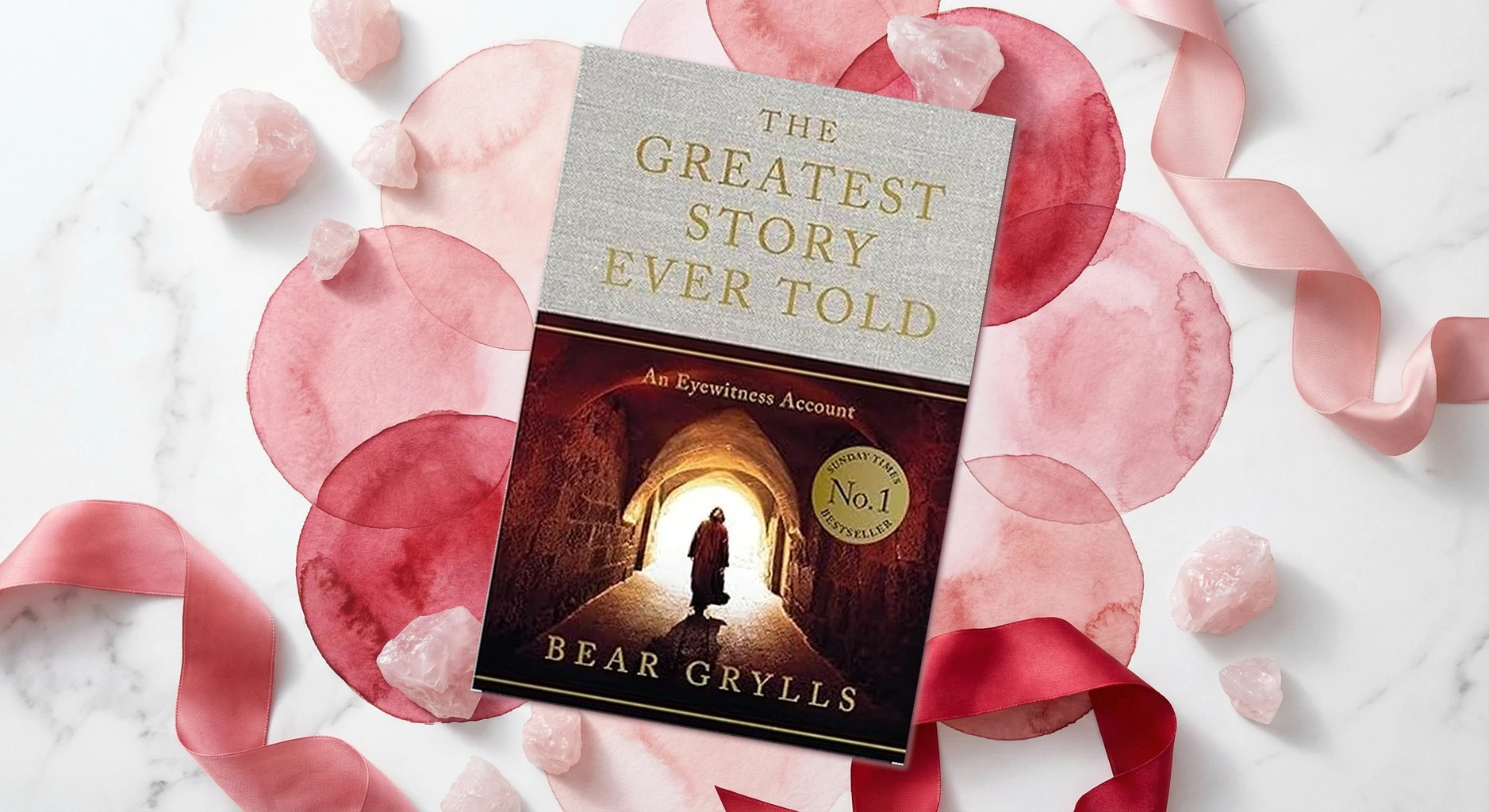
There’s something inherently captivating about a narrative that intertwines survival, tenacity, and the human spirit. When Bear Grylls decided to tread the well-worn paths of storytelling with The Greatest Story Ever Told, he went beyond mere adventure; he tapped into a rich tapestry of resilience, hope, and the foundational myths that bind us as humans. And let me tell you, it was nothing short of a breathtaking journey.
Let’s set the scene here. Grylls, known for his audacious survival shows and remarkable outdoor feats, takes on a different kind of challenge in this compelling work. He dives deep into the essence of what makes stories resonate, and with a title that carries the weight of folklore and tradition, it begs the question: how do we discern the stories that shape our lives? As I curled up with this book, I was immediately drawn into an exploration that felt both personal and universal, a resonance that I found echoed in conversations with my friends who’ve also read it.
One of the most striking aspects of The Greatest Story Ever Told is Grylls’ ability to blend his own life experiences with the broader narratives of humanity. Each chapter unfolds like the pages of a well-worn map, guiding us through not just physical terrains but emotional landscapes. The author shares anecdotes from his life, weaving in the lessons he learned from survival situations—whether scaling a mountain or navigating the treacherous waters of human connection. And oh, how he makes you feel every moment.
“The truth is, we all face moments where we’re pushed to our limits” Grylls writes, and it’s a sentiment that resonates deeply as he recounts tales of near-death experiences. His reflections on these trials are at once humbling and invigorating, encouraging readers to confront their own fears and uncertainties. It’s a reminder that courage isn’t the absence of fear but the triumph over it.
When I shared my thoughts with friends who read the book, many echoed my sentiments about Grylls’ authenticity. It’s a refreshing contrast to the often sensationalized narratives we’re subjected to in media. Grylls doesn’t shy away from vulnerability; instead, he embraces it. He writes about failing, about falling short, and then rising again, which made for such a relatable reading experience. His honesty about the emotional toll of his adventures—how they shaped his relationships and his worldview—made his journey feel like a shared one, as if we were all sitting around a campfire swapping stories late into the night.
The book is peppered with rich, vivid imagery that brings to life the various landscapes he traverses. Grylls has an uncanny ability to transport the reader from the comfort of their armchair to the roaring winds of a mountain summit or the stillness of a forest. “Nature has a way of humbling us” he observes, and it’s in these moments of reflection that the narrative truly shines. It’s as if Grylls is not just sharing his stories but inviting us to discover our own places of wonder, fear, and resilience amidst the chaos of life.
There’s a rhythmic quality to Grylls’ prose, a musicality that carries you along like a gentle stream. Short, impactful sentences punctuate longer, more descriptive passages, creating a ebb and flow that mirrors the unpredictability of adventure. He keeps you on your toes, drawing you in with suspense, then pulling back to reflect on deeper meanings.
Some of my friends remarked on the philosophical undertones of the book. The Greatest Story Ever Told isn’t merely about surviving the wild; it examines what it means to live fully, to embrace the uncertainties of life, and to find purpose in the chaos. Grylls encourages us to seek our own stories, to carve our own paths, and to remember that the journey is as important as the destination. It’s a message that resonates well, especially in a world that often feels overwhelming.
Of course, not every moment is profound. There are instances where Grylls’ narrative takes a more lighthearted turn, filled with the kind of humor that only comes from years of experience in the wild. One particularly hilarious encounter involved a humorous misunderstanding with a group of locals that left me chuckling aloud. His ability to weave humor into the narrative creates a balanced tone, reminding us that even in the direst situations, laughter is a vital survival tool.
As I drew closer to the end of the book, I found myself reflecting on my own stories. Reading The Greatest Story Ever Told felt like a conversation with an old friend, one who challenges you while lifting you up. Grylls’ storytelling is a reminder that we are all, in essence, survivors navigating our unique terrains, and it’s this shared experience that binds us.
From the highs of triumph to the lows of despair, Grylls illustrates the tapestry of human experience, and it’s beautifully executed. There are moments of sheer joy, heart-wrenching loss, and everything in between, making it a rich reading experience that stays with you long after you’ve turned the last page.
I wholeheartedly recommend The Greatest Story Ever Told to anyone looking for inspiration, adventure, or simply a good story. Grylls has crafted a narrative that is as enlightening as it is entertaining. It’s a book that not only speaks to the heart of adventure but also to the essence of life itself.
If you’re seeking a journey that’s more than just physical survival—one that dives deep into the human spirit and what truly connects us—dive into Grylls’ latest work. You won’t just read his stories; you’ll find pieces of your own woven throughout. And who knows? You might just discover that your own story is the greatest one ever told.