The Memory Library
by Kate Storey
4.5/5
by Kate Storey
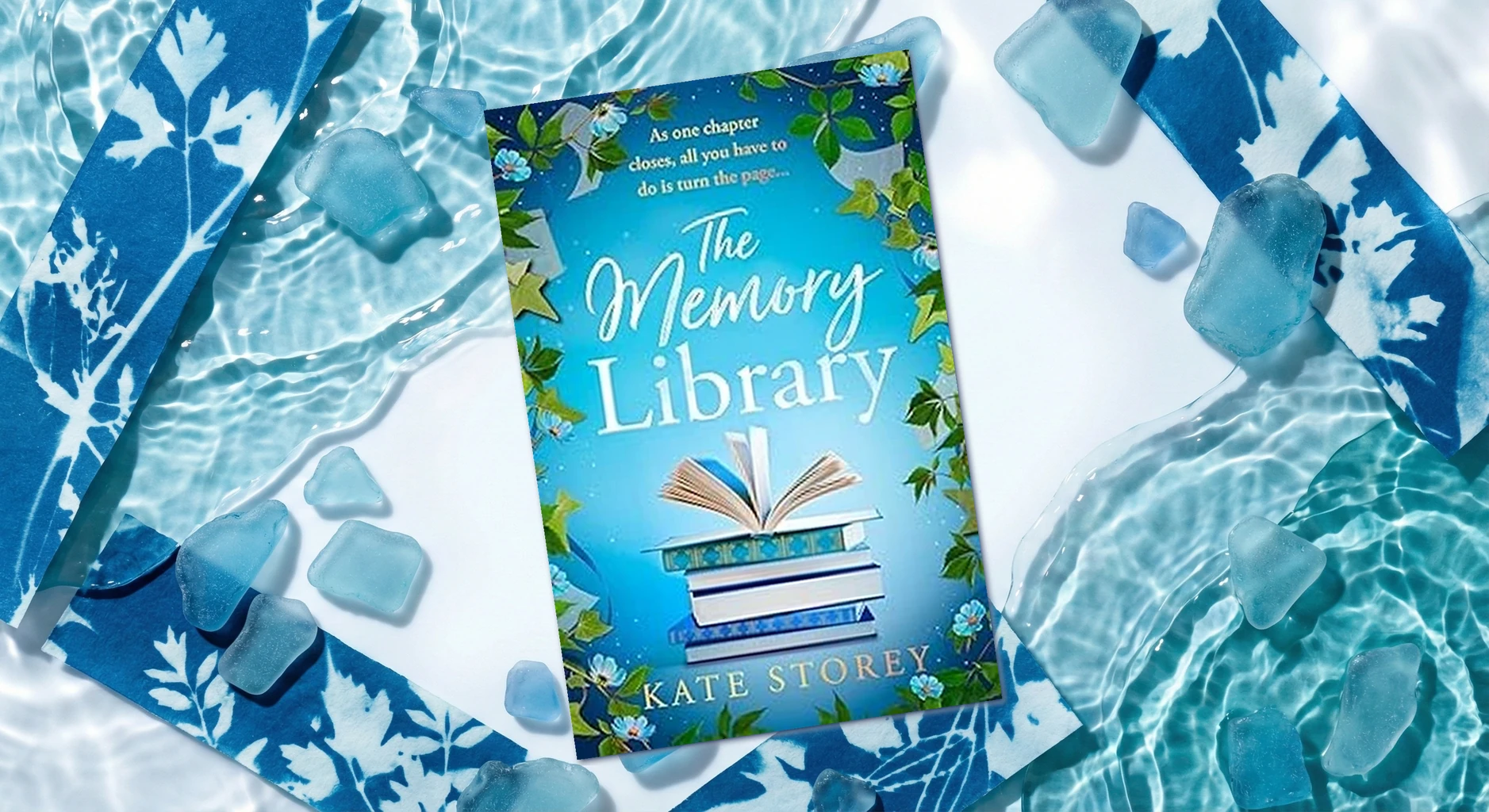
If you’re looking for a book that dances on the edges of memory, nostalgia, and the bittersweet weight of loss, look no further. Kate Storey’s latest novel takes us on a journey through the corridors of the heart and mind, where memories are not just recollections but tangible experiences that shape our lives in ways we can hardly comprehend. This is storytelling at its finest, where the past is not truly past, and each chapter feels like peeling back another layer of a well-worn photograph.
As I flipped through the pages, I was struck by the lyrical quality of Storey's prose. Her writing flows like a gentle river, meandering through the landscape of her characters' lives. Each sentence feels deliberate, each word chosen with a purpose that resonates. Storey has a knack for creating imagery that pulls you right into the heart of the scene. I could practically feel the warmth of the sunlight filtering through the trees, smell the rich scents of a beloved childhood home, and hear the echoes of laughter that linger long after the moment has passed.
In the novel, we meet a cast of characters who are intertwined through their shared experiences at a local library—a place where stories come alive, where the past and present collide. The library itself becomes a character, a sanctuary for those seeking solace, understanding, and perhaps a little magic. The memory of a book can evoke feelings we thought were long buried, and in this setting, Storey masterfully illustrates how literature serves as a bridge to our memories.
It’s fascinating how The Memory Library invites readers to reflect on their own memories. Storey poses questions that linger in the mind long after you close the book: What stories shape us? What memories do we carry forward, and which do we let go? How do the places we inhabit influence our perceptions of the past? As I turned each page, I found myself connecting deeply with these themes and recognizing the threads of my own history woven into the narrative.
One of the most poignant aspects of the novel is the way Storey explores the complexity of relationships. Characters grapple with love, loss, and the weight of expectations—both external and internal. The interplay between memory and identity is artfully rendered, showcasing how our past experiences mold who we are today. I found myself resonating with the characters’ struggles and triumphs, as if they were holding up a mirror to my own life.
There’s a certain charm to Storey’s characters, each with their quirks and layers. They’re not always likable, but they are undeniably human. Their flaws make them relatable, and as we follow their journeys, we come to understand that imperfection is part of the beauty of life. The dialogue flows naturally, rich with emotion and authenticity, further drawing us into their world.
In the background, themes of community and connection weave through the narrative like a thread in a tapestry. The library serves as a gathering place, a hub where people come together to share their stories. It’s a reminder that we are not alone in our experiences. The shared act of reading and storytelling creates bonds that transcend time and space, allowing us to find solace in each other’s narratives.
The pacing of The Memory Library is deliberate, allowing moments of reflection amidst the action. I appreciated this choice, as it gives the reader space to digest the weight of the characters’ experiences. Some moments are slow and contemplative, while others pulse with urgency, mirroring the ebb and flow of life itself. Storey balances these shifts beautifully, ensuring the reader remains engaged throughout the journey.
Critics have praised the novel for its ability to resonate on a deeply emotional level, and I couldn’t agree more. The way Storey captures the essence of memory—its fragility, its power, and the way it shapes our understanding of ourselves—is masterful. It's clear that she has poured her heart into this work, and her passion shines through in every word.
Readers have found themselves reflecting on their own lives while immersed in Storey’s world, sparking conversations about the evocative nature of memory. Many have described The Memory Library as a meditation on love and loss, urging us to cherish the fleeting moments that define our existence. It’s not merely a story about the past; it’s an exploration of how our histories influence our present and future.
Yet, while I found the themes engaging and the writing exquisite, I did feel that at times the narrative could become a bit introspective, slowing the pace in parts where I yearned for a bit more action or conflict. However, this is a minor quibble in what is an otherwise beautifully crafted novel. The reflective pace allows for deep exploration, and for many readers, this will be a welcome aspect of the reading experience.
The Memory Library left me with a sense of warmth and melancholy—a bittersweet reminder of life’s fleeting nature. The memories we hold dear, the stories we carry, and the connections we forge are what make us human. Storey’s novel is a heartfelt invitation to explore those memories and to cherish the moments that shape our lives.
So, if you’re in search of a book that intertwines poignant storytelling with rich themes of memory and identity, look no further. Grab a cup of tea, find your favorite reading nook, and allow yourself to be enveloped by the enchanting world Kate Storey has crafted. You won’t just read this book; you’ll feel it, and it will linger long after the last page is turned. I’m giving The Memory Library a solid 4.5 stars, not just for its engaging narrative, but for the way it made me reflect on my own story, and perhaps, in some way, it will do the same for you.