As a Man Thinketh
by James Allen
5.0/5
by James Allen
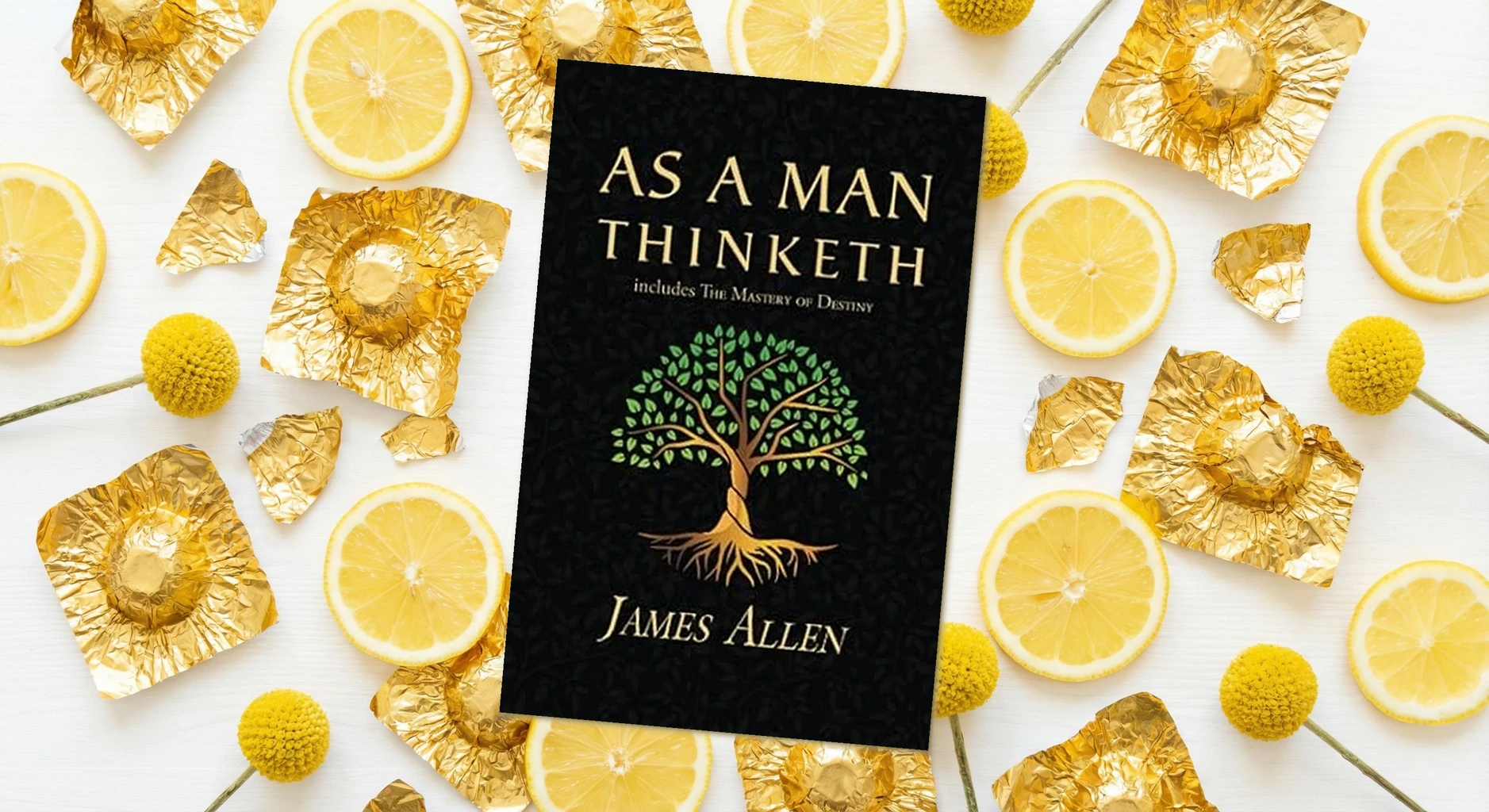
Reading James Allen's timeless exploration of thought and character was like stepping into a sunny garden of introspection. The essence of this book resonates long after you've turned the last page. As a Man Thinketh isn’t just a collection of philosophical musings; it’s a call to action, a gentle nudge to take ownership of one’s thoughts and, ultimately, one’s destiny.
What struck me most about Allen's work is its simplicity. You might think, "Oh, it’s just another self-help book," but let me assure you, it’s so much more than that. It’s an invitation to embark on a journey inward. Allen writes with such clarity and precision that, at times, it feels like he’s speaking directly to you. When I shared it with my friends, they echoed my sentiments: the wisdom found within its pages is deceptively profound.
The book reminds us that our thoughts shape our reality. He posits, “A man is literally what he thinks.” This isn’t just some vague notion; it’s the crux of his argument. Our mental landscape dictates our actions, which in turn sculpt our lives. I found myself pondering the significance of that statement for days, mulling over the ways I might unconsciously limit myself through negative thoughts. It’s an empowering realization, but also a daunting one—after all, who wants the responsibility for their own misfortunes?
There's a rhythmic quality to Allen’s prose. Each chapter unfolds like a perfectly orchestrated symphony, where each idea flows seamlessly into the next. For instance, he elaborates on the importance of self-control, emphasizing that mastery over one’s thoughts leads to mastery of one’s life. He writes, “Self-control is strength. Right thought is mastery. Calmness is power.” I could almost hear the gentle cadence of his words as I read them aloud, and I found myself taking pauses, letting the wisdom sink in.
One of the most compelling aspects of As a Man Thinketh is its timelessness. Written in 1903, the principles Allen articulates feel just as relevant today as they did over a century ago. This isn’t a fleeting trend or a passing fad—it’s foundational wisdom. My friends who read it remarked on how applicable these insights are to modern life. In a world filled with distractions, the reminder to cultivate positive thoughts and intentions is a breath of fresh air.
As I delved deeper into the chapters, I was struck by his emphasis on purpose. Allen posits that a life without purpose is akin to a ship without a rudder. His assertion that “the man who has no purpose” is doomed to drift through life resonates strongly with those of us who’ve ever felt lost. It prompted me to reflect on my own aspirations and the clarity of my own life’s direction. How often do we wander through days without a clear intention? The stark imagery he paints serves as a wake-up call, urging us to take a hard look at our commitments and choices.
I won’t pretend that As a Man Thinketh is a quick read. It’s a book that demands reflection, urging you to pause after each section to contemplate its teachings. I found myself jotting down notes, highlighting passages, and revisiting certain ideas. The experience was akin to having a meaningful conversation with a wise friend who gently pushes you to confront your truths.
As I shared my thoughts with friends, they too found moments that resonated. One friend, struggling with self-doubt, highlighted the line, “All that a man achieves and all that he fails to achieve is the direct result of his own thoughts.” This resonated deeply with her, prompting a discussion on the power of mindset in overcoming obstacles. It’s incredible how a simple statement can spark such significant conversations about personal growth and introspection.
Allen’s exploration of failure is particularly poignant. He suggests that failure is not the end, but rather a stepping stone on the path to success. This concept of viewing setbacks as opportunities for growth is a recurring theme in the book. As I read, I couldn’t help but reflect on my own journey—those moments where I’d stumbled and how they ultimately shaped me into who I am today. This idea is not only liberating; it transforms our relationship with failure from fear to acceptance.
The book culminates in a powerful conclusion that emphasizes the interconnectedness of our thoughts, our actions, and our ultimate fate. “You are the creator of your own destiny,” Allen writes, a mantra that has lingered in my mind long after finishing the book. The final pages served as a reminder that we hold the keys to our happiness and success within us.
As a Man Thinketh is a book that transcends time and space, offering a wealth of wisdom that is as applicable now as it was more than a century ago. In a world that often feels chaotic and overwhelming, Allen’s words are a beacon of light—reminding us that we have the power to shape our thoughts and, in turn, our lives. Whether you’re seeking clarity, purpose, or simply a deeper understanding of yourself, this book is a treasure trove of insights.
I can’t recommend it enough. It’s a book to be savored, to be revisited, and to be shared with those you care about. If you’re looking to ignite a change in your life, to explore the depths of your own mind, or to simply bask in the glow of profound wisdom, As a Man Thinketh should be at the top of your reading list.