Cutting for Stone
by Abraham Verghese
4.5/5
by Abraham Verghese
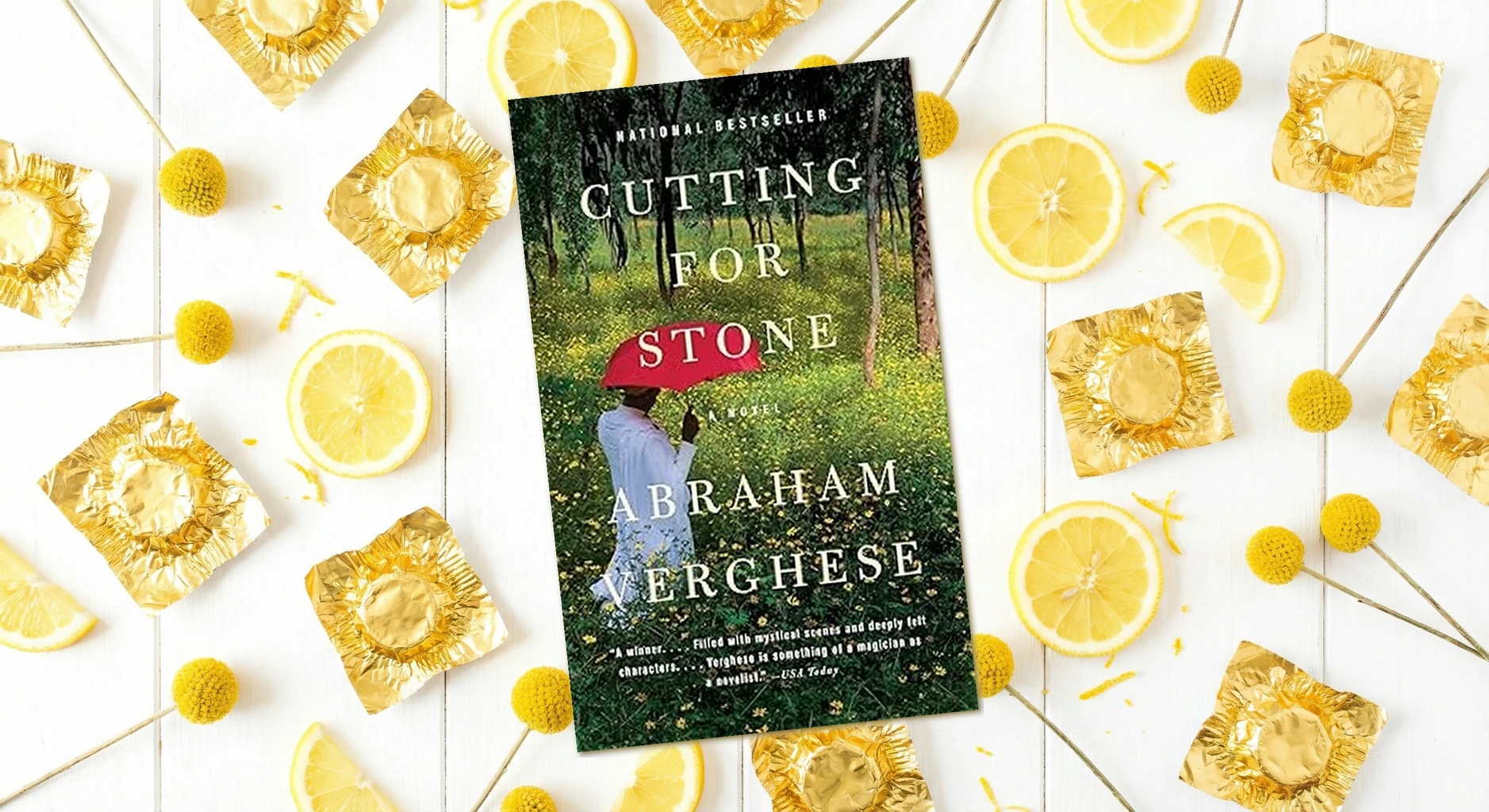
There’s something undeniably magical about a novel that can transport you to a different world, wrapping you in its narrative like a warm, aromatic blanket. Abraham Verghese's acclaimed masterpiece does just that, taking readers on an unforgettable journey through love, loss, and the unbreakable ties of family in a backdrop that’s as lush as it is tumultuous. As I turned each page, I felt like I was not just reading a story, but experiencing a symphony of emotions, cultures, and medicine.
Cutting for Stone is set against the vibrant tapestry of Ethiopia, an intricate web of lives that intertwine in unexpected ways. The protagonist, Marion Stone, finds himself in a world punctuated by the chaos of political unrest and the quiet turmoil of personal grief. Born of a forbidden love between a nun and a doctor, his very existence is a miracle wrapped in tragedy. Verghese paints the characters with such depth that they leap off the page, each with their own struggles and joys, making them as real as your own family.
Reading this novel is an experience akin to discovering a rare vintage wine: it’s complex, full-bodied, and leaves an unforgettable aftertaste. The story begins with the birth of Marion and his twin brother, Shiva, in a mission hospital, a place that is both their sanctuary and a crucible. The narrative unfolds with the grace of a carefully choreographed ballet, moving seamlessly from the struggles of their childhood to the intricacies of adulthood. I found myself invested in every character, feeling their heartbreaks and triumphs as if they were my own.
Verghese, a physician himself, infuses the narrative with a profound understanding of medicine and the human body. This isn’t just a story about doctors and patients; it’s an exploration of healing in its many forms — physical, emotional, and spiritual. The author’s descriptive prowess makes every operation pulse with life, and I could almost feel the rhythm of the heartbeats on the operating table. It’s a testament to how intertwined our lives are with the lives of others, especially in the medical field, where life and death hang in delicate balance.
What truly resonated with me were the themes of identity and belonging. As Marion grapples with his dual heritage and the burden of his past, I couldn’t help but reflect on my own sense of self and the ties that bind us across generations. The struggles of the characters mirror the universal quest for acceptance and understanding, something that transcends cultures and borders. The novel challenges us to consider how our past shapes our present and how love can be both a healing balm and a source of pain.
Throughout the narrative, Verghese weaves in rich cultural references, immersing the reader in the sights, sounds, and tastes of Ethiopia. The food, the music, the landscape — it all dances on the palate, vibrant and intoxicating. I could almost hear the sounds of the bustling streets and taste the spices in the air. It’s this sensory detail that makes Cutting for Stone a feast for both the mind and the spirit.
In addition to its rich prose, the novel is also a thoughtful meditation on the ethics of medicine. The characters wrestle with moral dilemmas that are all too real, forcing the reader to confront the gray areas in healthcare. What does it mean to save a life? At what cost do we preserve humanity? These questions linger long after the last page is turned, leading to deep introspection about our own beliefs and values.
As I meandered through the chapters, I found myself captivated by the intricate relationships that unfold. The bond between Marion and Shiva is one of the most beautifully rendered sibling dynamics I’ve encountered in literature. Their connection is fraught with jealousy, love, and competition, reflecting the complexity of familial ties. Verghese has a remarkable ability to capture the essence of these relationships, and it’s impossible not to feel the weight of their shared history.
Readers have lauded Cutting for Stone as a monumental work, praising its emotional depth and intricate storytelling. Many have expressed how the characters linger in their hearts long after finishing the book, a testament to Verghese’s skill in creating relatable and flawed human beings. The emotional resonance is palpable; I found myself tearing up in places, swept away by the raw pain and unyielding hope that permeates the narrative.
However, while the novel struck a chord with me, I do acknowledge that its pacing can be uneven at times. There are moments where the narrative slows, becoming almost too detailed in its exploration of medical jargon and history. Yet, this is a minor quibble in an otherwise breathtaking tale. The highs far outweigh the lows, and the emotional payoff is worth the occasional meandering.
In a world often fraught with division and strife, this novel serves as a poignant reminder of the beauty and complexity of human connection. It’s a celebration of life in all its messy glory, underscored by the bond of family, the healing power of love, and the relentless pursuit of understanding. As I reached the conclusion, I felt a sense of completion, yet also an ache — the kind that reminds you that the story continues beyond the final page.
Cutting for Stone is a rich tapestry of love, sacrifice, and resilience. It’s a book that dares to delve into the depths of human experience, offering insights that are as relevant today as they were in the past. I walked away from this novel feeling both blessed and challenged, eager to share its story with anyone who would listen. If you’re in search of a narrative that will resonate with your soul and linger in your thoughts, I wholeheartedly recommend this literary journey. It’s one that will stay with you, long after you’ve turned the last page.