Dead of Winter
by Keri Beevis
4.0/5
by Keri Beevis
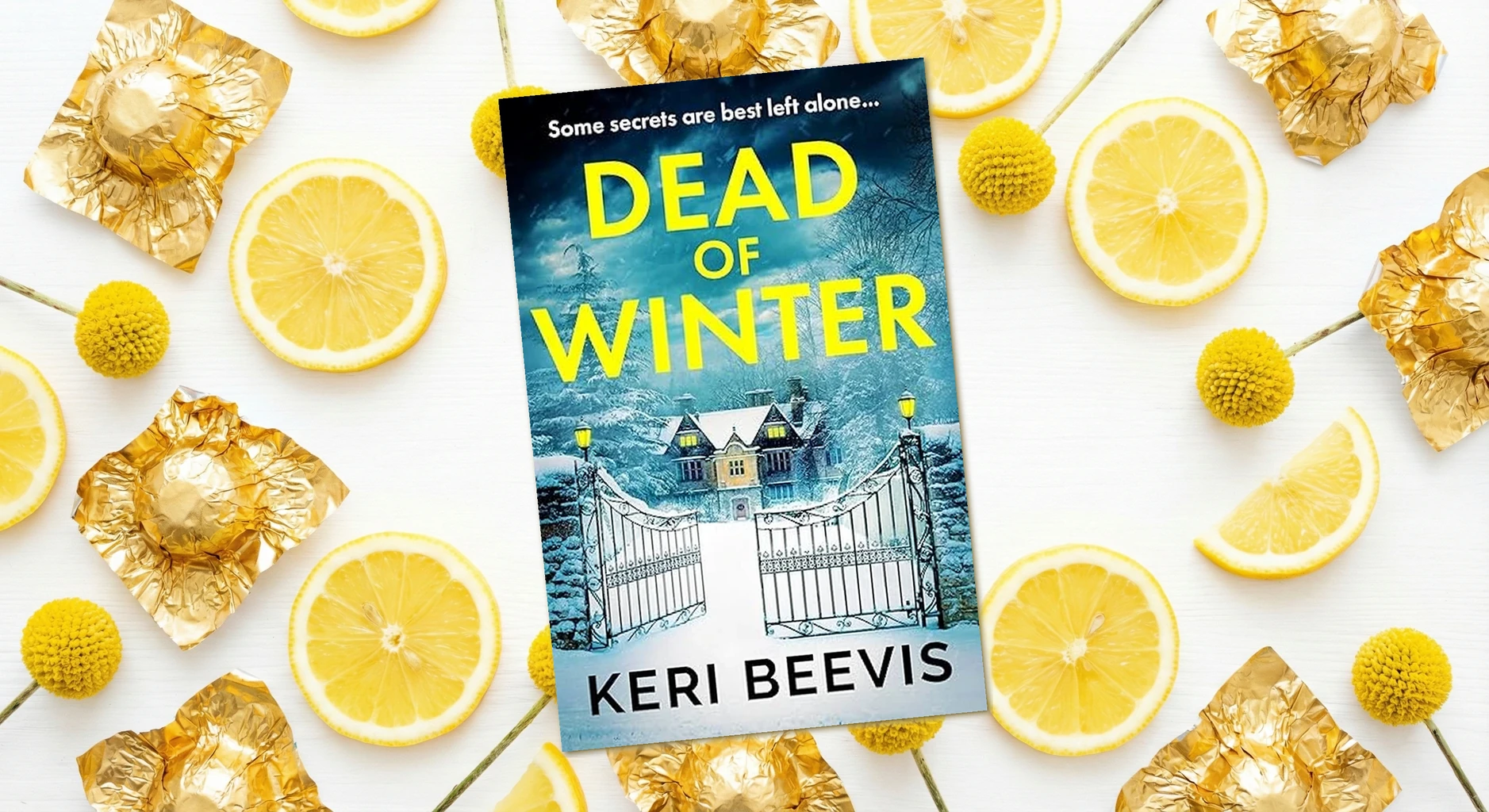
In the shimmering chill of winter, Keri Beevis invites us into a world where the Christmas spirit collides with the dark shadows of human nature. The biting air, the snow that blankets everything in a deceptive white, and the festive lights that twinkle like stars—all of these elements serve as a stark backdrop for the chilling events that unfold. I found myself completely drawn into this haunting narrative, where every page turned felt like a chilling gust of wind, reminding me of the intricate dance between joy and despair.
Beevis paints a vivid picture of a small town shrouded in winter's embrace, yet beneath the surface lies a heart-wrenching story of loss and psychological turmoil. In this gripping tale, we follow the path of a protagonist driven by unrelenting grief and regret. The author’s ability to weave complex emotions into the story is remarkable; I could feel the protagonist's sorrow wrap around me like the cold itself, creeping into my bones as I read on.
One of my friends, a fellow book lover who adores psychological thrillers, mentioned that the way Beevis captures the essence of isolation during the holiday season is nothing short of brilliant. The protagonist, grappling with past trauma, navigates through memories and unhealed wounds, which are exacerbated by the very season meant for joy. It made me reflect on how often we forget that not everyone experiences the holidays with the same warmth and love we sometimes take for granted.
The character development is truly exceptional. Keri Beevis takes us deep into the psyche of her characters. Each of them is layered, flawed, and profoundly human. I found myself pondering their motivations and decisions long after I had turned the last page. The protagonist’s journey is a testament to the idea that our pasts shape us, often in ways that can’t be easily shaken off. This theme resonated with me personally, as I recalled moments in my own life where joy and pain intertwined, much like the snowflakes that fall silently to the earth, each unique and yet part of a larger whole.
As I delved deeper into the story, I appreciated how the author expertly built suspense. The tension was palpable, wrapping around me like a heavy cloak. I couldn’t help but hold my breath at certain pivotal moments, my heart racing in anticipation. The pacing is meticulously crafted; Beevis knows just when to hit the gas and when to slow down, allowing for moments of reflection amid the chaos. This dynamic kept me fully engaged, even as I occasionally found myself glancing over my shoulder—an instinctual reaction to the atmospheric dread that permeated every chapter.
In discussing this novel with another friend, we both agreed that the setting itself felt almost like a character. The frigid winter landscape, with its eerie silence, mirrors the protagonist’s internal struggle. The juxtaposition of the festive season against the backdrop of despair highlighted the stark realities many face during what is supposed to be the happiest time of the year. The author has an uncanny knack for crafting settings that evoke strong emotional responses, and in this case, the winter chill became synonymous with the protagonist’s emotional state.
The writing style is captivating, drawing me in with its lyrical prose. Keri Beevis employs a rhythmic cadence that effectively mirrors the protagonist's emotional rollercoaster. At times, the words flowed like a gentle snowstorm, soft and mesmerizing, while at others, they struck sharply, like the cold wind against my face. It’s a testament to her skill as a writer that I could feel the weight of each sentence, every word chosen with precision.
The exploration of grief and mental health is handled with sensitivity and depth. As I read, I found myself reflecting on how societal expectations often dictate our responses to loss, particularly during the holidays. The protagonist’s struggle to navigate her emotions amidst external pressures resonated with my own experiences, echoing the internal dialogues we all face when attempting to reconcile our grief with the expectations of joy and celebration around us.
The climax of the story was a masterclass in tension and surprise. Just when I thought I had the plot figured out, Keri Beevis skillfully unveiled twists that left me gasping. It’s the kind of unpredictability that keeps readers on their toes, and I relished every moment of it. My friend who’s also a thriller aficionado expressed her delight at how the narrative twisted and turned, revealing layers that caught us both off guard.
The resolution, however, left me in contemplation. While it provided closure, I was left pondering the implications of the protagonist's journey. Not every story needs to tie up neatly with a bow, and Beevis understood that. The emotional resonance lingered in the air, much like the scent of pine and cinnamon that often accompanies the holiday season—sweet yet tinged with the bitterness of loss.
Ultimately, “Dead of Winter” is not just a thriller; it’s a profound exploration of the human condition, layered with complex themes of grief, isolation, and the search for redemption. It challenged my perceptions of the season, reminding me that behind the façade of festive cheer often lies a multitude of untold stories. I found this book to be not only a gripping read but also a poignant reminder of the fragility of our emotions and the strength we can find within ourselves to confront our pasts.
If you’re looking for a tale that combines psychological depth with a haunting atmosphere, I wholeheartedly recommend diving into this wintery world created by Keri Beevis. It’s a journey that will stay with you long after the last page is turned, echoing in your thoughts like the distant chimes of a bell on a frosty evening.