Five Days at Memorial
by Sheri Fink
4.0/5
by Sheri Fink
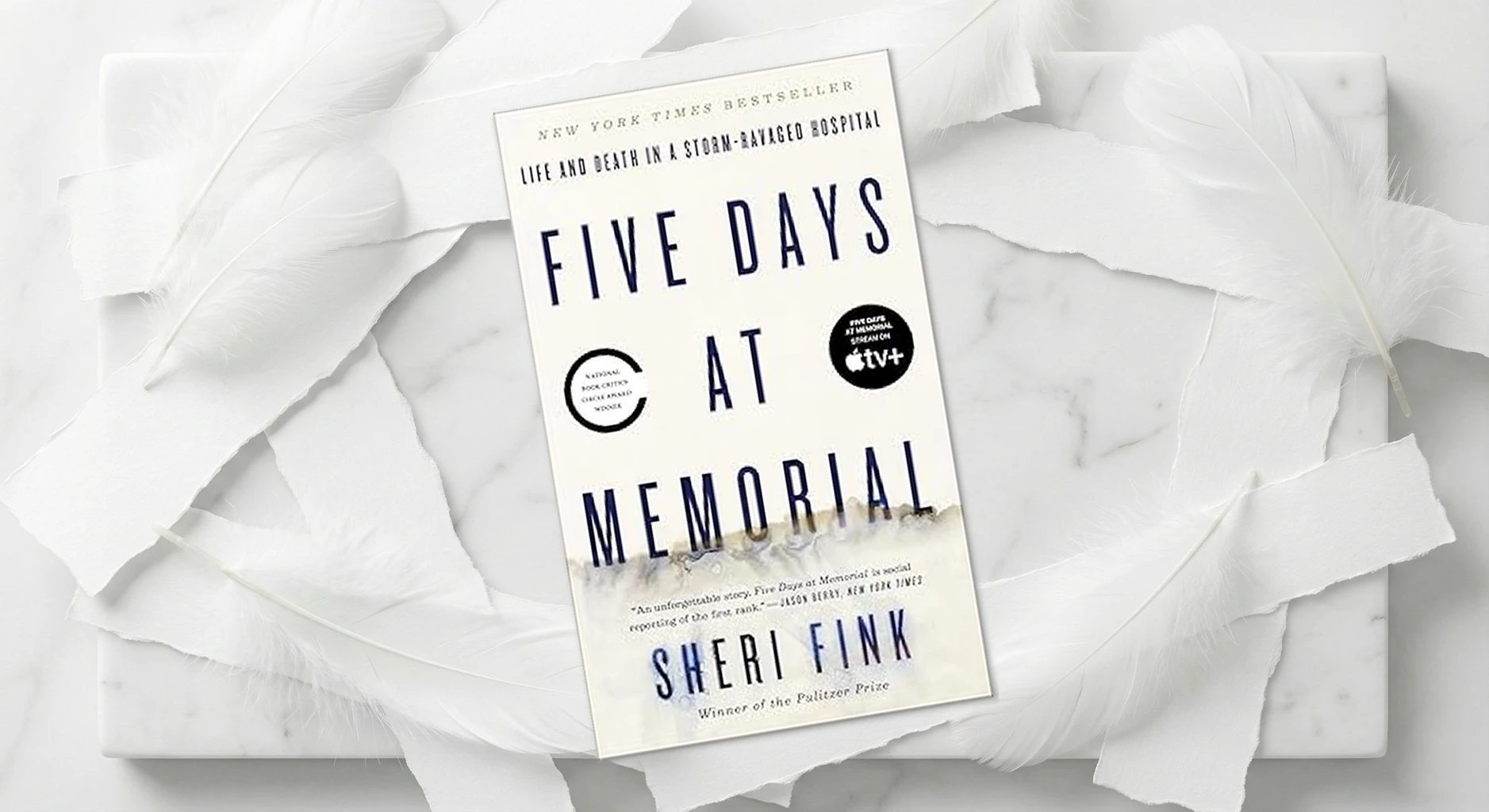
When an author delves into the intricate web of morality, ethics, and the human condition, you know you’re in for a thought-provoking experience. Sheri Fink does just that in her gripping exploration of a New Orleans hospital caught in the harrowing aftermath of Hurricane Katrina. Five Days at Memorial offers a raw and unflinching look at the decisions made in the face of disaster, turning the lens on the moral dilemmas faced by medical professionals when chaos reigns.
From the moment I cracked open this book, I was pulled into an atmosphere thick with tension. The scenes of the crumbling hospital, cut off from the rest of the world, felt as vivid as a film strip unspooling in my mind. Fink’s meticulous research is evident; she crafts a narrative that feels both urgent and contemplative, leading us through those pivotal five days with a deft hand. The residents and staff at Memorial Medical Center are trapped, not just by floodwaters but by ethical quandaries that would haunt them long after the waters receded.
As I read, I found myself grappling with the very questions Fink presents. What would you do if you were charged with the care of those unable to care for themselves? How do you make life-and-death decisions when resources are dwindling, and hope is fading? The doctors and nurses at Memorial are faced with impossible choices, and Fink explores these moments with both compassion and a critical eye. There were times I had to pause, letting the weight of each decision settle in my chest — the emotional toll of such scenarios is not easily digestible.
The characters—real-life individuals thrust into a nightmarish situation—are drawn with depth and nuance. You can feel the exhaustion, the desperation, and the flickers of hope that drive them forward. Dr. Anna Pou, one of the central figures of this story, is portrayed in a way that evokes both empathy and moral scrutiny. Fink does not shy away from the controversy surrounding her actions, and this is precisely what makes the narrative rich and layered.
Readers have noted that Five Days at Memorial is more than just a recounting of events. It’s a canvas painted with the complexities of human behavior under pressure. The book invites readers to wrestle with their convictions. Many have found themselves reflecting on their values and ethical frameworks while navigating the gut-wrenching scenarios presented. The compelling storytelling makes it hard to look away, and the discussions it ignites linger long after the last page is turned.
One of my favorite aspects of the book is how Fink intertwines the personal with the societal. What happened at Memorial is not just a localized incident; it reveals broader truths about the healthcare system, institutional failures, and societal expectations in crises. The book raises uncomfortable questions about the adequacy of emergency preparedness and the systems meant to protect the vulnerable. This isn’t just a story about one hospital; it’s an exploration of how we as a society respond to catastrophe.
And let’s not forget the writing itself. Fink’s prose flows with clarity and purpose, guiding us through the chaos of the storm and the turmoil within the hospital. She captures the emotions of her characters beautifully, painting vivid pictures that evoke a visceral response. The way she describes the oppressive heat, the stifling atmosphere, and the desperate cries for help is haunting. It’s a book that feels alive, pulsating with the urgency of its subject matter.
However, I’d be remiss not to mention that some readers found the depth of detail overwhelming at times. Fink dives deep into the medical and ethical intricacies, which, while fascinating, may feel heavy to those looking for a lighter read. But for me, this level of detail only heightened the stakes, making each decision feel weightier.
In terms of broader themes, Five Days at Memorial challenges the reader to think critically about the nature of humanity. It forces us to confront uncomfortable truths about our own moral compasses. Would we be selfless in the face of adversity, or would we falter? The moral ambiguity presented in this book is a reflection of our own complexities as human beings, and it’s this exploration that makes it an essential read.
Another noteworthy point is how Fink addresses the aftermath—both for the hospital staff and the families of patients. The fallout from those five days extends into the lives of everyone involved, and Fink does an admirable job illustrating the long-term effects of trauma and guilt. This isn’t just a neat little package tied up with a bow; it’s a real-world reflection of the messy, often unresolved aftermath of tragedy.
Furthermore, the book has sparked significant discussions among readers about healthcare ethics, especially in emergency situations. Many have mentioned how it has changed the way they view healthcare workers and the moral burdens they carry. It’s one thing to admire them from afar; it’s another to understand the monumental pressures they endure, especially when the stakes are life and death.
Five Days at Memorial is a profound exploration of ethics, humanity, and the complexities of decision-making in times of crisis. Sheri Fink’s powerful narrative invites us to reflect on our values and the healthcare systems that are meant to serve us. While the subject matter is often gut-wrenching, it’s precisely this rawness that makes it a compelling read. I found myself lingering over the moral dilemmas long after I closed the book, and I suspect many readers will too. For anyone interested in the nuances of human behavior under extreme pressure, this book is not to be missed. It’s a difficult read at times, yes, but one that leaves an indelible mark on the heart and mind.
So, if you’re ready to step into the chaos of a hospital in crisis and confront questions that don’t have easy answers, then this book is for you. Just be prepared to grapple with the complexities of life and death, because Sheri Fink lays it all bare.