Open Season
by Jonathan Kellerman
4.0/5
by Jonathan Kellerman
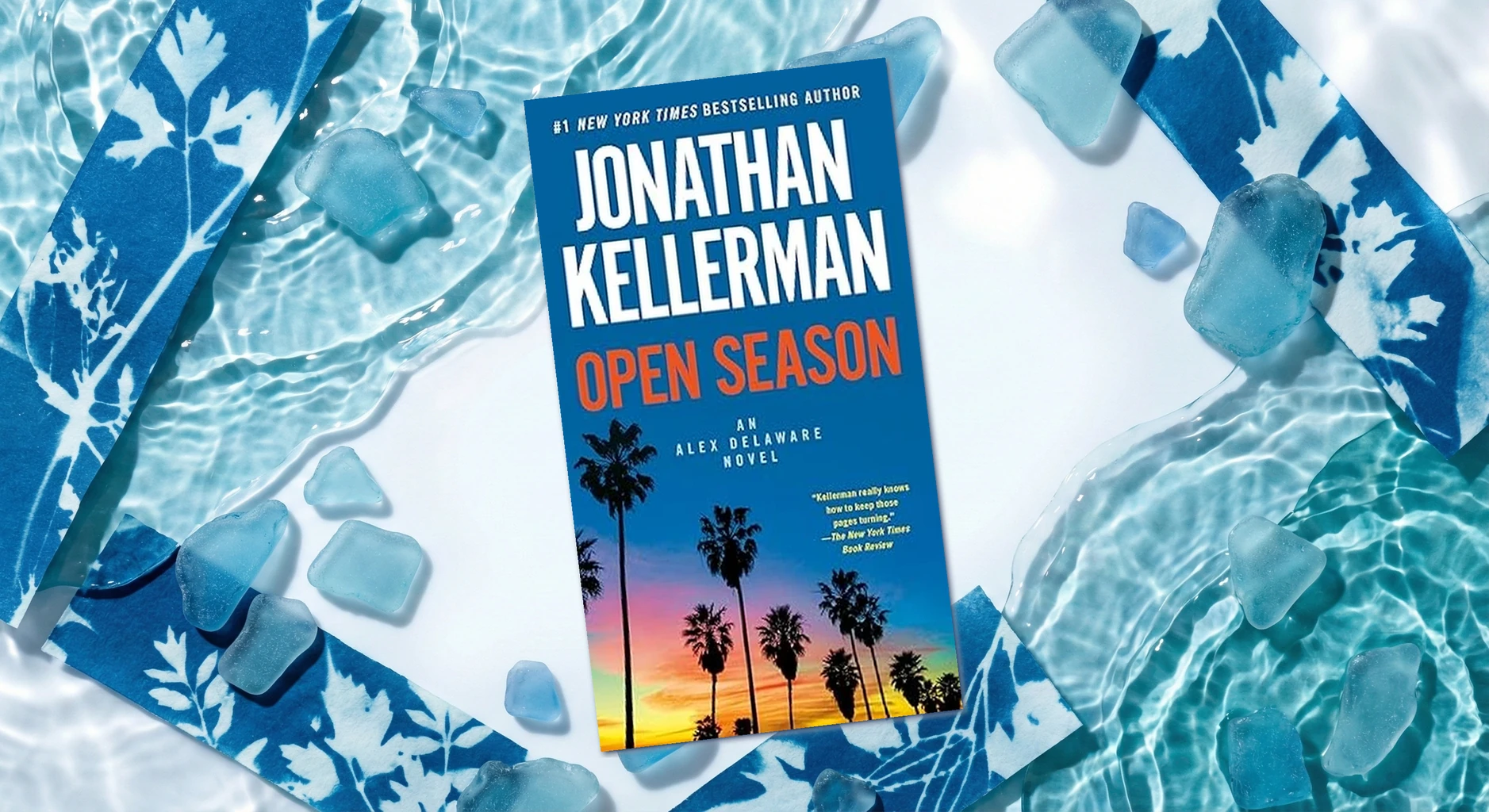
Jonathan Kellerman’s latest thriller gently pulls you into the murky depths of human psychology, all while keeping a tantalizingly steady pace. As I flipped through the pages, I found myself immersed in a world where dark secrets linger just beneath the surface, waiting to be unearthed. Open Season is an engaging blend of mystery and suspense that had me hooked from the very first chapter.
The narrative centers on a familiar face for Kellerman fans: Dr. Alex Delaware, a psychologist turned detective. Right from the outset, you can feel the weight of Delaware's expertise as he navigates the complexities of the human mind. What I particularly enjoyed is how Kellerman brings the intricacies of psychological profiling to life. The author deftly intertwines Delaware's professional insights with the unfolding mystery, creating a compelling backdrop for the story. There’s something to be said about the way Kellerman crafts his characters. They leap off the page, fully formed, flawed, and achingly human.
The story begins with a murder that seems relatively straightforward. However, as Delaware and his partner, LAPD Detective Milo Sturgis, delve deeper, they uncover a network of deceit and betrayal that stretches far beyond a simple crime. The pacing is expertly handled, a rhythmic dance between action and introspection. There’s urgency, sure, but also the kind of thoughtful reflection that makes you pause and consider the broader implications of each twist and turn. Kellerman has a knack for taking the reader down winding paths, only to lead back to the central question: What drives a person to commit such heinous acts?
One of my favorite aspects of Open Season is the way it explores the moral complexities of its characters. It doesn’t just present good versus evil; rather, it challenges you to consider the motivations behind each action. This is especially true for Delaware, who grapples with his own demons while attempting to save others from theirs. The duality of his character adds depth to the narrative and allows for a richer exploration of the themes of morality, justice, and the human condition. The dialogue sparkles with wit and insight, showcasing Kellerman’s talent for crafting conversations that feel real and relevant.
As for the supporting cast, they’re equally captivating. Sturgis provides a perfect counterbalance to Delaware’s introspective nature, often delivering much-needed levity in tense moments. Their camaraderie is palpable, and it’s a joy to witness their dynamic evolve throughout the investigation. Together, they form a partnership that is as much about friendship as it is about solving crime, which adds an emotional layer that resonates with readers.
Kellerman also excels at setting the scene. His vivid descriptions of Los Angeles breathe life into the story, almost becoming a character in its own right. The city’s bustling streets, hidden corners, and vibrant culture are intricately woven into the fabric of the narrative. You can almost feel the sun on your skin and hear the distant sounds of the city – it draws you further into the world he’s created. This atmospheric detail enhances the overall reading experience, making the stakes feel even higher as the plot thickens.
But it’s not just the plot or the characters that kept me engrossed; it’s how Kellerman delves into the psyche of violence and trauma. He doesn’t shy away from exploring the darker aspects of human nature, which forces the reader to confront uncomfortable truths. The psychological elements are well-researched and thoughtfully integrated, lending credibility to Delaware’s assessments and findings. Kellerman understands that the mind is a labyrinth, full of twists and turns, and he guides us through it with skill and finesse.
However, while I found much to love in Open Season, I must admit that at times, the story felt a bit sprawling. There were moments when the narrative meandered, leaving me wondering if we’d lost sight of the central mystery. Yet, these moments are few and far between, and the overall experience remains compelling.
In addition to the central storyline, the book addresses broader societal issues, such as crime in urban areas and the impact of mental health on communities. It invites the reader to reflect on the systems in place that can either protect or endanger lives, making it a thought-provoking read. The exploration of these themes adds weight to the narrative, elevating it beyond a simple whodunit.
As I reached the final pages, I felt a surge of satisfaction. The resolution tied up the loose ends in a way that felt both surprising and inevitable. Kellerman’s ability to weave together various plot threads into a coherent and satisfying conclusion is truly commendable.
Fans of psychological thrillers will find themselves at home in this latest installment. The book’s pacing, character development, and thought-provoking themes make it a worthy addition to the Alex Delaware series. I walked away from this reading experience not only entertained but also with a deeper understanding of the complexities of human behavior.
In the end, Open Season is more than just a captivating mystery; it’s a reminder of the shadows lurking in all of us and how, in the quest for truth, we often confront our own darkness. If you’re looking for a gripping read that balances suspense with psychological depth, look no further. Grab a copy and buckle up for a thrilling ride through the intricacies of the human psyche. You won’t be disappointed.
Readers have echoed my sentiments, praising Kellerman's mastery of suspense and character exploration. It’s a testament to his talent that even after so many years in the game, he continues to leave us eager for more. So dive in, and discover the layers of intrigue waiting for you within the pages of Open Season.