Tell Me Everything
by Elizabeth Strout
4.0/5
by Elizabeth Strout
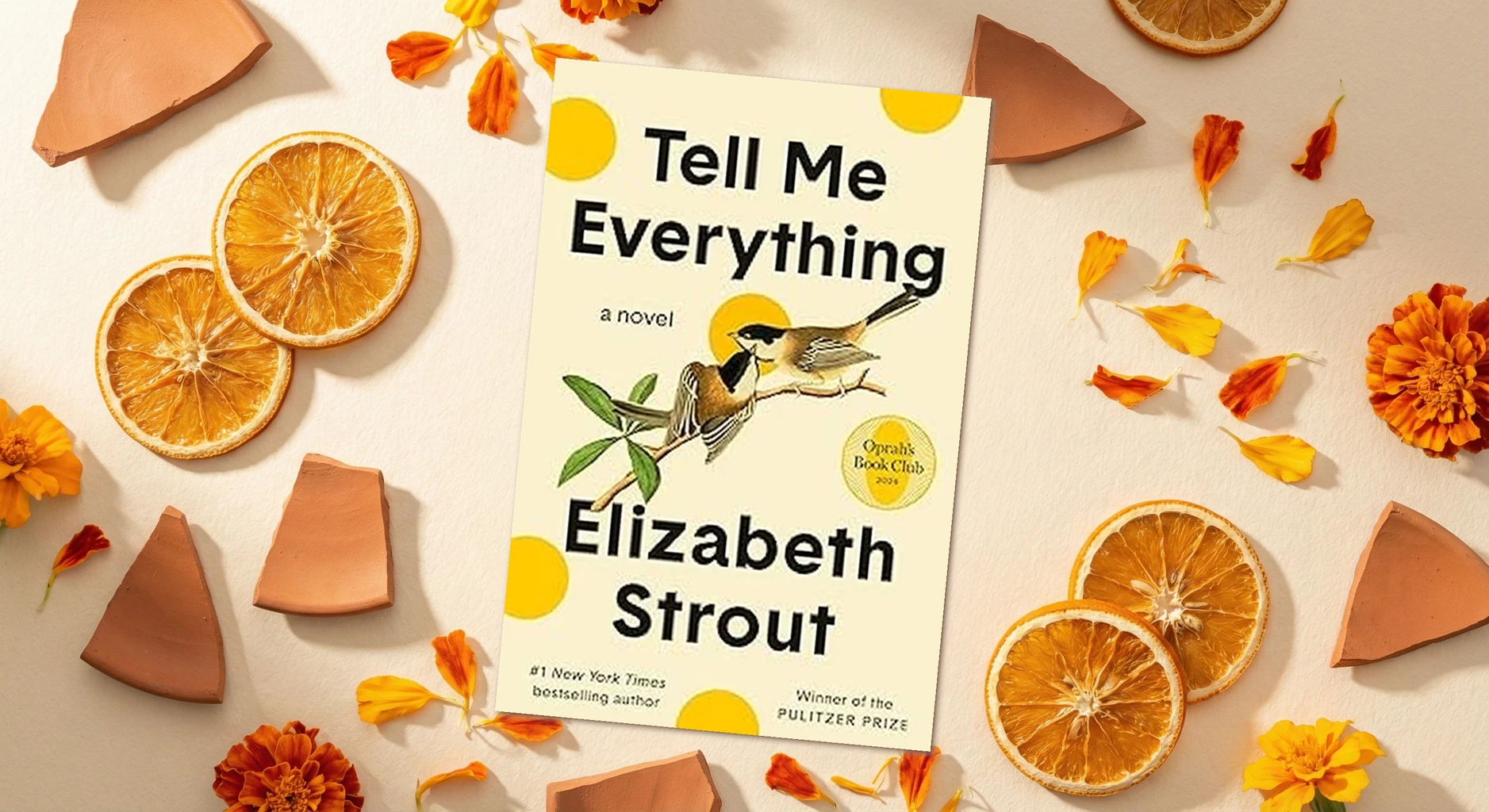
From the very first page of Elizabeth Strout’s latest novel, I felt the familiar tingle of anticipation that comes when diving into a deeply woven tapestry of human experience. This novel, set in the fictional town of Amgash, Illinois, is no ordinary tale. Strout, who has already carved out a niche for herself as a master of character-driven narratives, delivers another poignant exploration of lives, secrets, and the unbreakable bonds of family.
The novel takes us through the lens of a young woman named Lucy—a character who feels like a close friend, moored in the narrative's rich and sometimes tumultuous waters. As Lucy grapples with her past, we are reminded of the complexities of our own histories, the way they shape who we are, even when we wish to escape them. In many ways, Tell Me Everything is a meditation on memory, regret, and the threads that connect us all.
Strout’s prose is a symphony of observation. The way she paints Amgash, with its charming small-town quirks and deep-seated histories, feels utterly alive. I could almost hear the wind rustling through the trees and smell the faint aroma of home-cooked meals wafting through the air. The author’s ability to capture the essence of place is remarkable, and she does so with a skill that invites readers to linger, to savor every sentence.
One of the novel's strengths lies in its cast of characters, a diverse ensemble that reflects the richness of life itself. Strout has a knack for creating individuals who feel real, flawed, and utterly relatable. As Lucy navigates her relationships with her family, friends, and the ghosts of her past, we see her struggle with the weight of expectation, love, and loss. It's a tightrope walk that many of us can relate to, and Strout captures those delicate moments with grace.
I found myself particularly drawn to Lucy's relationship with her mother, a complex dynamic that resonates deeply. The push and pull of their interactions encapsulate the struggle between love and disappointment. Strout explores how familial ties can both uplift and suffocate, and it’s a theme that many readers will find familiar.
But it's not just the family dynamics that held my attention; the friendships woven throughout the narrative are equally compelling. Strout delves into the intricacies of friendship—the comfort, the jealousy, the unspoken bonds that can form over years. Lucy’s friendships offer a lens through which we can examine our own connections, reflecting the nuances that make human relationships so beautifully complicated.
The pacing of Tell Me Everything is methodical, almost hypnotic. Strout takes her time, allowing the story to unfold like a flower blooming in slow motion. At times, I felt the urge to rush ahead, to uncover the secrets that lay hidden beneath the surface. Yet I quickly learned that the beauty of this narrative lies in its subtlety. Each chapter is a carefully crafted vignette, a snapshot of life that invites reflection.
The thematic undercurrents of memory and identity resonate throughout the novel, prompting readers to reflect on their own lives. Strout poses critical questions: What do we choose to remember? What do we bury? And how do these choices shape our understanding of ourselves? In a world that often feels chaotic, these inquiries provide a grounding force, reminding us of the importance of introspection.
One of my favorite aspects of this book is how Strout navigates the idea of community. Amgash is more than just a backdrop; it is a living entity, pulsating with stories waiting to be told. The relationships within this small town are intricate, and Strout masterfully illustrates how interconnected lives can be. The sense of belonging, of finding one’s place in a mosaic of experiences, adds a layer of depth that elevates the narrative.
Some readers might find themselves longing for more action, a faster pace, but I urge you to embrace the slow burn. The richness of Strout's storytelling lies in the emotional journeys of her characters, and the quieter moments often offer the most profound insights. As I turned the pages, I was struck by how the simple act of living can be fraught with complexity.
As the story unfolds, hints of tension build, a realization that not all relationships are as straightforward as they seem. Strout does not shy away from the darker aspects of life—loss, betrayal, and the haunting specter of regret. Yet, amidst the shadows, there are also glimmers of hope. The author balances despair with resilience, illuminating the ways in which we can find light even in our darkest moments.
This novel is not without its criticisms; some might argue that the pacing could leave certain readers feeling adrift. However, I believe that the slower tempo is an intentional choice, a reflection of life itself, where moments of stillness are often just as significant as the climactic events.
Tell Me Everything is a beautifully crafted exploration of the human experience. Strout’s ability to intertwine the lives of her characters with themes of memory, identity, and connection resonates deeply. It’s a book that lingers long after the last page is turned, inviting readers to reflect on their own lives and the threads that bind them to family, friends, and community.
If you’re seeking a heartwarming, thought-provoking read that encourages introspection, this book deserves a spot on your shelf. Elizabeth Strout has once again proven her prowess as a storyteller, weaving together a narrative that is both intimate and universal. I found myself captivated, reflecting on my own life as I journeyed through the pages of this beautifully written novel. In a world that often feels disconnected, Tell Me Everything serves as a poignant reminder of the power of connection and the stories that bind us all.
In the end, it’s not just about what we choose to remember, but how those memories shape our future. And that, dear reader, is the heart of Strout’s message.